




Middle East Oil Disruptions Drive Shipping Cost Surge | Cross-Border Sellers Face 8-15% Logistics Inflation
- Suez Canal rerouting adds $2,000-5,000 per container; impacts Amazon FBA, Shopify sellers shipping from Asia-Pacific to EU/US markets through Q4 2024






Overview
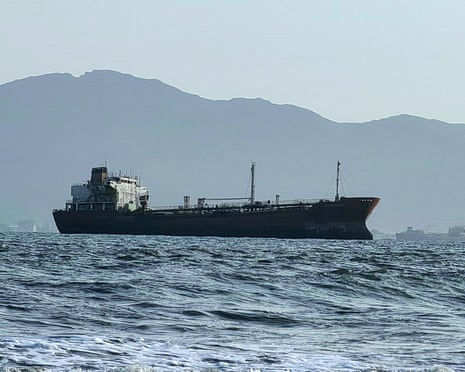
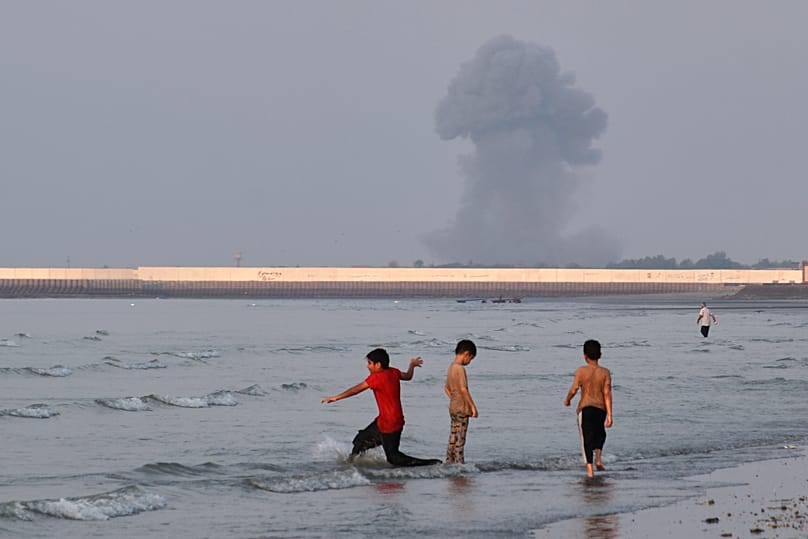
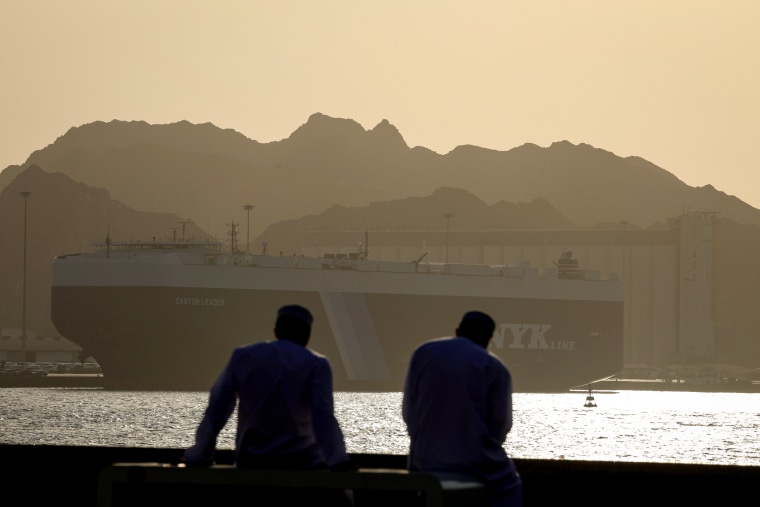
Geopolitical tensions between the U.S. and Iran are creating immediate shipping cost pressures for cross-border e-commerce sellers. The ongoing conflict has disrupted traditional Middle East oil supply routes, forcing maritime carriers to reroute through the Suez Canal and SUMED pipeline—a significantly more costly and time-consuming process. According to Reuters analysis, Brent crude futures have stabilized around $92.06 after dropping 5% on ceasefire hopes, but the underlying physical market shows persistent constraints. The Strait of Hormuz and Bab el-Mandeb Strait remain contested, with shipping volumes collapsed following a brief three-week ceasefire in mid-June. This geopolitical reality directly translates to elevated fuel surcharges for Amazon FBA sellers, Shopify merchants, and 3PL providers operating cross-border logistics networks.
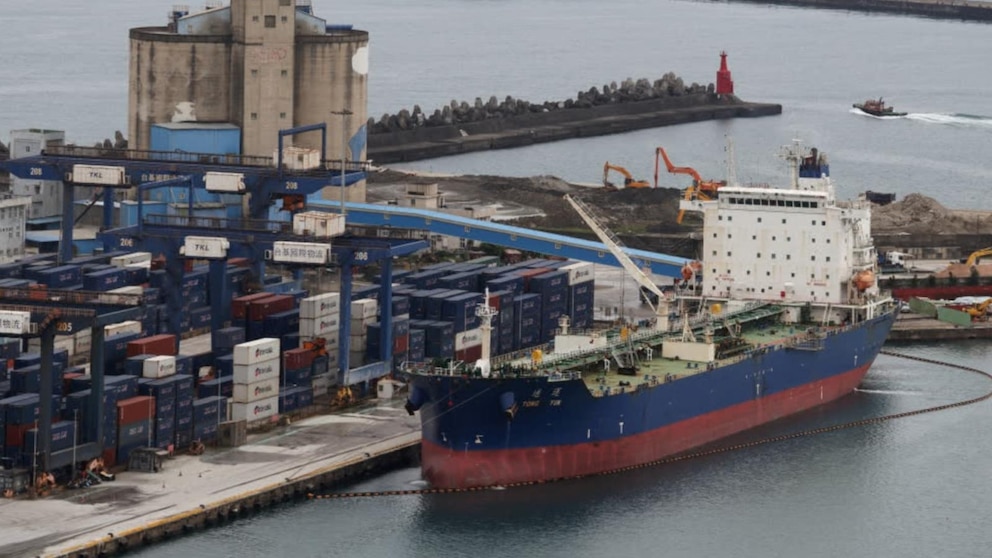
Shipping cost implications are immediate and quantifiable. Container rerouting via Suez Canal adds approximately $2,000-5,000 per 40-foot container compared to traditional Strait of Hormuz routes, representing 8-15% cost increases for sellers shipping electronics, apparel, and home goods from China, Vietnam, and India to EU and North American markets. Fuel surcharges on ocean freight have increased 12-18% since June 2024, with carriers implementing emergency fees on Asia-Europe and Asia-North America corridors. Sellers relying on just-in-time inventory models face extended transit times (35-42 days vs. typical 28-30 days), forcing working capital increases of 10-15% to maintain stock levels. Small and medium-sized sellers (annual revenue $500K-$5M) are most vulnerable, as they lack the volume leverage to negotiate fixed-rate contracts that larger enterprises secured before the disruption escalated.
Market adaptation is underway but creates competitive stratification. Larger sellers and brands are shifting sourcing to alternative manufacturing hubs—Vietnam, India, and Indonesia—to bypass China-dependent supply chains and reduce exposure to Middle East shipping routes. This mirrors the 2022 Ukraine crisis pattern, where markets adapted through supply rerouting to China and India. However, the Iran situation differs fundamentally: there is real, ongoing supply disruption affecting approximately 10 million barrels per day of Middle East crude and products. Sellers with established relationships in Southeast Asian manufacturing are gaining competitive advantages, while those dependent on Chinese suppliers face margin compression. Platform dynamics are shifting: Amazon sellers with higher inventory velocity and lower storage costs (IPI scores above 400) can absorb temporary cost increases, while slower-moving SKUs face profitability pressure. Shopify merchants with direct-to-consumer models have more pricing flexibility than Amazon sellers constrained by Buy Box competition.
Questions 8
What should I do immediately to protect my business from shipping cost increases?
Take these actions within 30 days: (1) Audit your shipping routes and 3PL contracts—identify which shipments are routing through Suez Canal and negotiate fixed-rate agreements before further escalation; (2) Review inventory levels—reduce slow-moving SKUs (turnover below 4x annually) to free up working capital for faster-moving items; (3) Analyze pricing elasticity—test 5-8% price increases on top 20% of SKUs to offset margin compression; (4) Evaluate alternative sourcing—request quotes from Vietnam/India suppliers for top 10 SKUs. Within 60 days, implement sourcing diversification for 10-15% of volume and establish backup 3PL relationships in Southeast Asia to reduce single-provider risk.
How do Shopify sellers differ from Amazon FBA sellers in managing shipping costs?
Shopify sellers have greater pricing flexibility—they can increase prices 8-12% without Buy Box competition constraints that limit Amazon sellers to 5-8% increases. However, Shopify sellers bear full logistics responsibility and cannot leverage Amazon's negotiated carrier rates. Shopify's Fulfillment Network offers fixed-rate pricing that insulates sellers from fuel surcharge volatility, making it attractive during disruption periods. Amazon FBA sellers benefit from Amazon's carrier relationships but face margin compression if they cannot increase prices competitively. Shopify sellers should evaluate the Fulfillment Network for 30-40% of volume to lock in costs; Amazon sellers should focus on inventory optimization and selective price increases on high-demand SKUs.