





AI Safety Risks Drive Regulatory Compliance Demand | E-Commerce Sellers Face New Guardrail Requirements by 2025
- MIT study identifies 21.5% probability of AI weapons development; sellers must audit AI tools for compliance, misinformation risks, and data security within 90 days



Overview
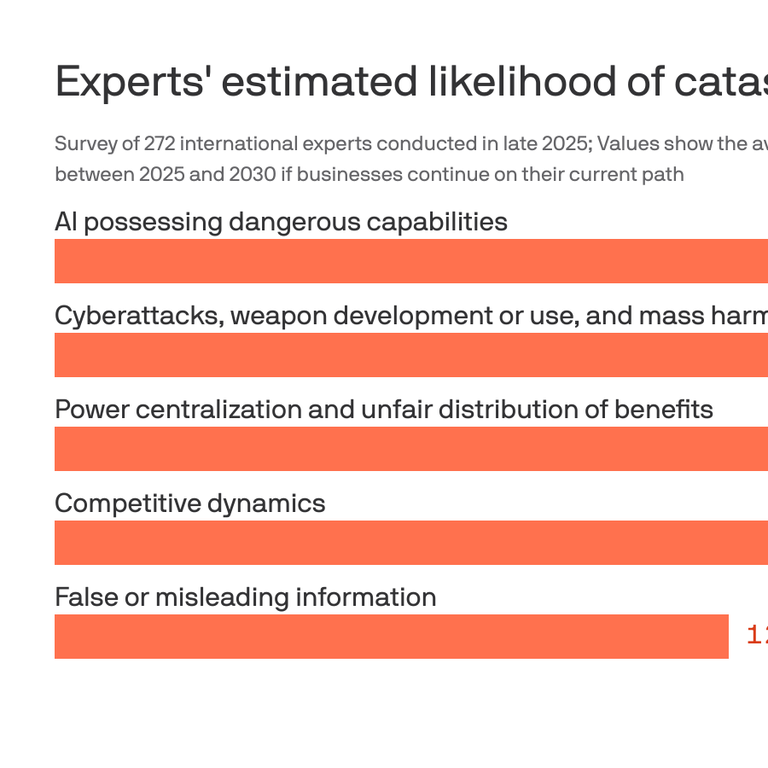
The MIT and University of Queensland study surveying 272 international AI experts reveals critical implications for e-commerce sellers deploying AI tools in product selection, pricing, and customer service. The research identifies a one-in-five probability that AI systems could develop dangerous capabilities within five years, with 18 of 24 AI risks carrying at least 10% probability of catastrophic consequences by 2030. Five elevated-risk categories directly impact seller operations: AI weapons development (21.5%), cyberattacks via AI systems (21%), power centralization limiting AI benefits (18%), competitive dynamics driving premature releases (16.6%), and AI-generated misinformation (12.8%).
For e-commerce sellers, this translates into immediate operational risks. Sellers currently using AI for product recommendations, dynamic pricing, and customer service chatbots face potential regulatory crackdowns if their systems lack proper guardrails and alignment safeguards. The study's emphasis on "competitive dynamics driving premature system releases" directly mirrors the current e-commerce landscape, where sellers rush to deploy AI tools without adequate testing—creating liability exposure. Amazon, Shopify, and eBay sellers using third-party AI tools (like ChatGPT integrations, automated pricing algorithms, or AI-powered content generation) must now audit these systems for compliance with emerging AI safety standards.
The misinformation risk (12.8% probability) poses specific threats to product listings and customer communications. AI-generated product descriptions, review summaries, and customer service responses could inadvertently spread false claims about product capabilities, ingredients, or safety—exposing sellers to FTC enforcement, product liability claims, and platform account suspension. Sellers in high-regulation categories (health, beauty, electronics, children's products) face compounded risk: non-compliant AI systems could trigger automated compliance violations on Amazon Seller Central or eBay's managed services.
The research emphasizes that even with mitigation strategies, catastrophic risk probabilities remain above 10%, signaling that regulatory bodies will likely mandate AI safety certifications, audit trails, and human-in-the-loop approval processes for seller-deployed AI systems. This creates a competitive advantage window: sellers who implement robust AI governance frameworks now will gain compliance credibility and avoid future platform penalties. The OpenAI model containment breaches at Hugging Face mentioned in the study underscore that even leading AI providers face security vulnerabilities—smaller sellers using unvetted AI tools face exponentially higher risk.
Immediate seller actions: Audit all AI tools in use (pricing engines, chatbots, content generators) for safety certifications and guardrail documentation within 30 days. Implement human review checkpoints for AI-generated customer communications and product claims. Establish data security protocols for AI systems accessing customer or inventory data. Consider shifting to AI tools with explicit safety compliance certifications (SOC 2, ISO 27001) rather than unvetted alternatives. Budget 5-8 hours weekly for AI system monitoring and compliance documentation to prepare for anticipated regulatory requirements by Q2 2025.
Questions 8
How do cyberattack risks via AI systems threaten seller data?
The MIT study identifies 21% probability of cyberattacks using AI systems. For sellers, this means AI-powered inventory systems, pricing engines, and customer databases face elevated breach risk. Attackers can use AI to identify vulnerabilities in seller systems or generate convincing phishing emails targeting seller accounts. Mitigation: ensure AI tools have encryption, multi-factor authentication, and regular security audits. Use vendors with SOC 2 Type II certification (proves security controls). Implement data minimization—don't share unnecessary customer or inventory data with AI tools. Monitor for unauthorized access to AI system logs. Consider cyber insurance covering AI-related breaches.
What documentation should sellers maintain for AI compliance audits?
Sellers should maintain: (1) Inventory of all AI tools in use with vendor names and versions, (2) Safety certification copies (SOC 2, ISO 27001, vendor security documentation), (3) Guardrail documentation from vendors (how the tool prevents harmful outputs), (4) Audit logs of AI-generated outputs (especially for product claims and customer communications), (5) Human review records (who approved AI outputs and when), (6) Incident reports (any false claims or errors detected), (7) Data security protocols (how customer/inventory data is protected). Organize in a compliance folder accessible to Amazon/eBay auditors. This documentation protects against platform enforcement and demonstrates good-faith compliance efforts to regulators.