




US Export Controls on AI Chips Tighten | Compliance Risk Surges for Tech Sellers
- Taiwan detention of Nvidia employee signals intensified enforcement; 7 individuals detained across Taiwan, US, Singapore investigations; sellers face heightened customs scrutiny and compliance costs





Overview
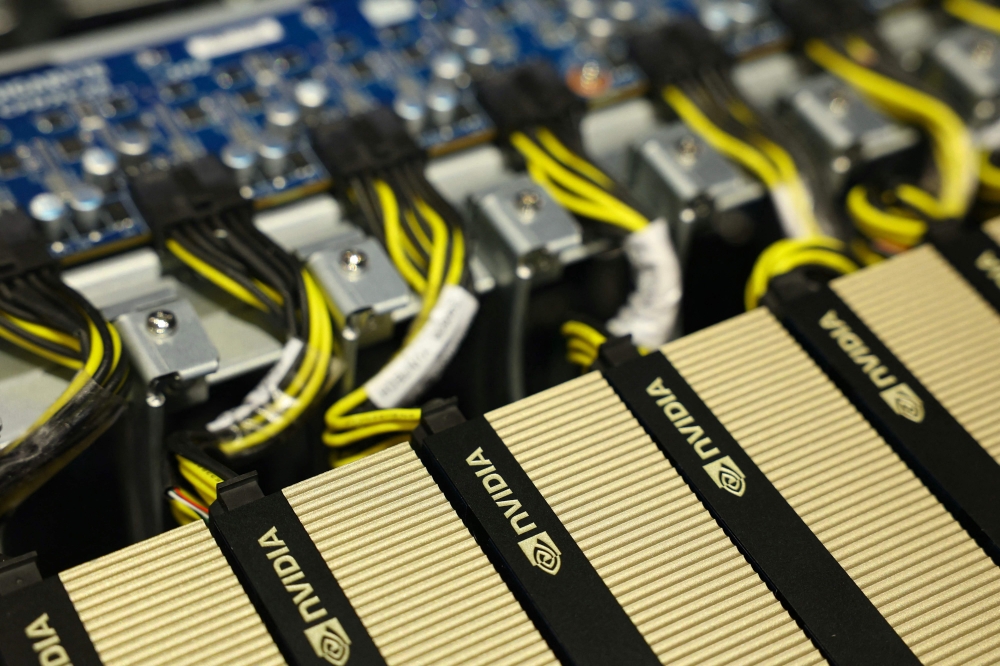
The detention of an Nvidia employee by Taiwan prosecutors on July 24, 2026, marks a critical escalation in enforcement against AI chip smuggling networks targeting China. This case, involving alleged falsification of business documents and breach of trust, is part of a coordinated multi-jurisdictional investigation spanning Taiwan, the United States, and Singapore. Seven individuals are now detained, including two Super Micro Computer employees and one from Taiwan-listed Albatron Technology, accused of forging documents to divert approximately 50 high-end AI servers containing restricted Nvidia chips to China, Macau, and Hong Kong. The US Department of Commerce maintains strict export controls on advanced semiconductors critical to AI development, with violators facing criminal penalties and billions in asset seizures (Singapore police seized a $40M luxury property linked to related fraud investigations).
For cross-border e-commerce sellers and technology distributors, this enforcement escalation creates three immediate compliance risks. First, intensified customs scrutiny at Taiwan, US, and Singapore ports means legitimate semiconductor and server shipments now face extended processing times (estimated 2-4 week delays) and mandatory documentation audits. Sellers importing AI-capable components must maintain detailed provenance records, end-user certifications, and export compliance documentation to avoid detention or seizure. Second, compliance cost increases are substantial: sellers must implement transaction monitoring systems, employee training programs, and third-party audits to demonstrate adherence to US export control regulations (EAR/ITAR). Industry estimates suggest $15,000-50,000 annually for mid-sized distributors. Third, reputational risk now extends to supply chain partners—any association with diverted products or non-compliant suppliers can trigger delistings from major platforms and loss of authorized distributor status.
The strategic implication for sellers is a fundamental shift toward authorized distribution channels. Nvidia explicitly stated that diverted products receive no service, support, or updates, making black market chips economically worthless to end-users. This enforcement pattern—targeting internal corporate involvement, not just external traffickers—signals that regulators are dismantling the infrastructure that enabled smuggling. Sellers must immediately audit their supplier networks, verify end-user destinations, and document compliance procedures. The case also reveals a critical sourcing vulnerability: Japan has emerged as a transshipment hub (some servers cleared Taiwan customs and were routed through Japan), suggesting sellers using Japan-based logistics may face additional scrutiny. For sellers in the AI infrastructure category (servers, GPUs, data center equipment), this represents a 6-12 month window before compliance requirements become industry standard, creating competitive advantage for early movers who establish auditable supply chains.
Questions 7
What is the timeline for when these compliance requirements become mandatory across platforms?
Based on the enforcement pattern, compliance requirements will likely become industry standard within 6-12 months as regulators coordinate across Taiwan, US, and Singapore jurisdictions. Amazon, eBay, and Shopify are expected to implement stricter seller verification requirements for technology categories by Q3-Q4 2026. Sellers should treat the current 6-month window as a competitive advantage period—early adopters of auditable supply chains will gain Buy Box priority and reduced suspension risk. After the transition period, non-compliant sellers will face automatic delistings and account restrictions. Immediate action is recommended to avoid being caught in the compliance crackdown.
Are there legal ways to source AI chips for legitimate business purposes without violating export controls?
Yes—purchase exclusively from Nvidia-authorized distributors and maintain detailed end-user certifications for all customers. Nvidia explicitly stated commitment to export compliance through authorized partners and rigorous review processes. Authorized channels include major distributors like Arrow Electronics, Tech Data, and Ingram Micro, which maintain compliance infrastructure and provide warranty/support. Document all customer end-use agreements and avoid selling to customers in restricted jurisdictions (China, Iran, North Korea, Syria). The case shows that diverted products receive no service or updates, making authorized channels economically superior. Sellers can legally source unlimited quantities through authorized channels while maintaining full compliance and product support.