


China DUV Chip Tools 2025 | Supply Chain Shift for Electronics Sellers
- Domestic semiconductor production threatens component pricing stability for 500K+ cross-border electronics sellers; supply chain diversification becomes critical through 2027




/The%20logo%20for%20ASML%20on%20a%20corporate%20office%20by%20Skorzewiak%20via%20Shutterstock.jpg)






Overview
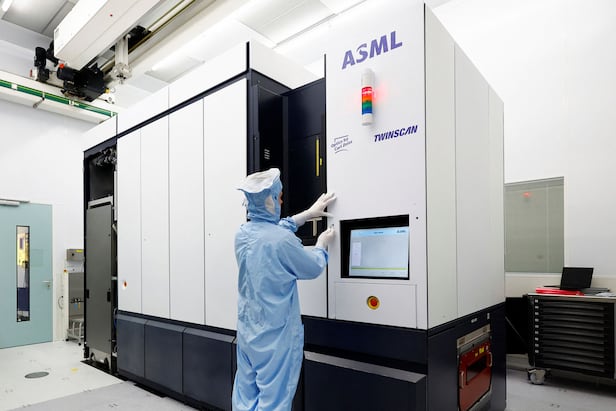
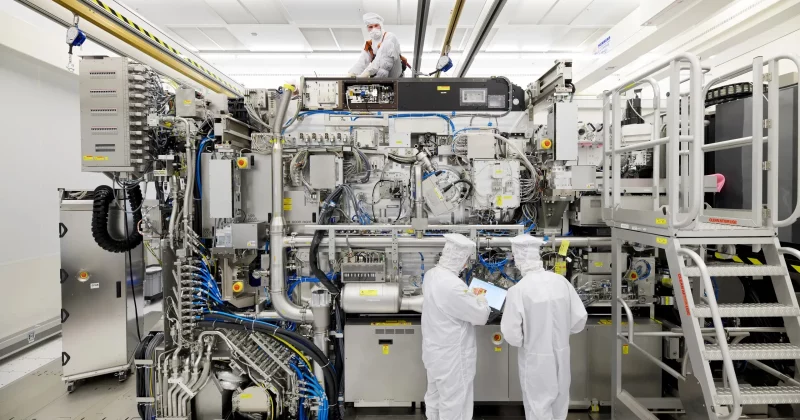
China's domestic immersion DUV (deep-ultraviolet) lithography production marks a watershed moment for global electronics supply chains, directly impacting cross-border sellers of semiconductors, smart devices, and tech accessories. Shanghai Aishengna Electronic Technology Group, established August 2023 with 7 billion yuan capital, has begun mass production targeting 5 units in 2025 and 20 by 2027—displacing ASML's market position that previously accounted for 16% of Dutch company's H1 2024 sales. While production volumes remain modest compared to ASML's 130-unit 2026 capacity, the strategic shift signals accelerating Chinese semiconductor independence that will reshape component sourcing, pricing, and lead times for electronics sellers globally.
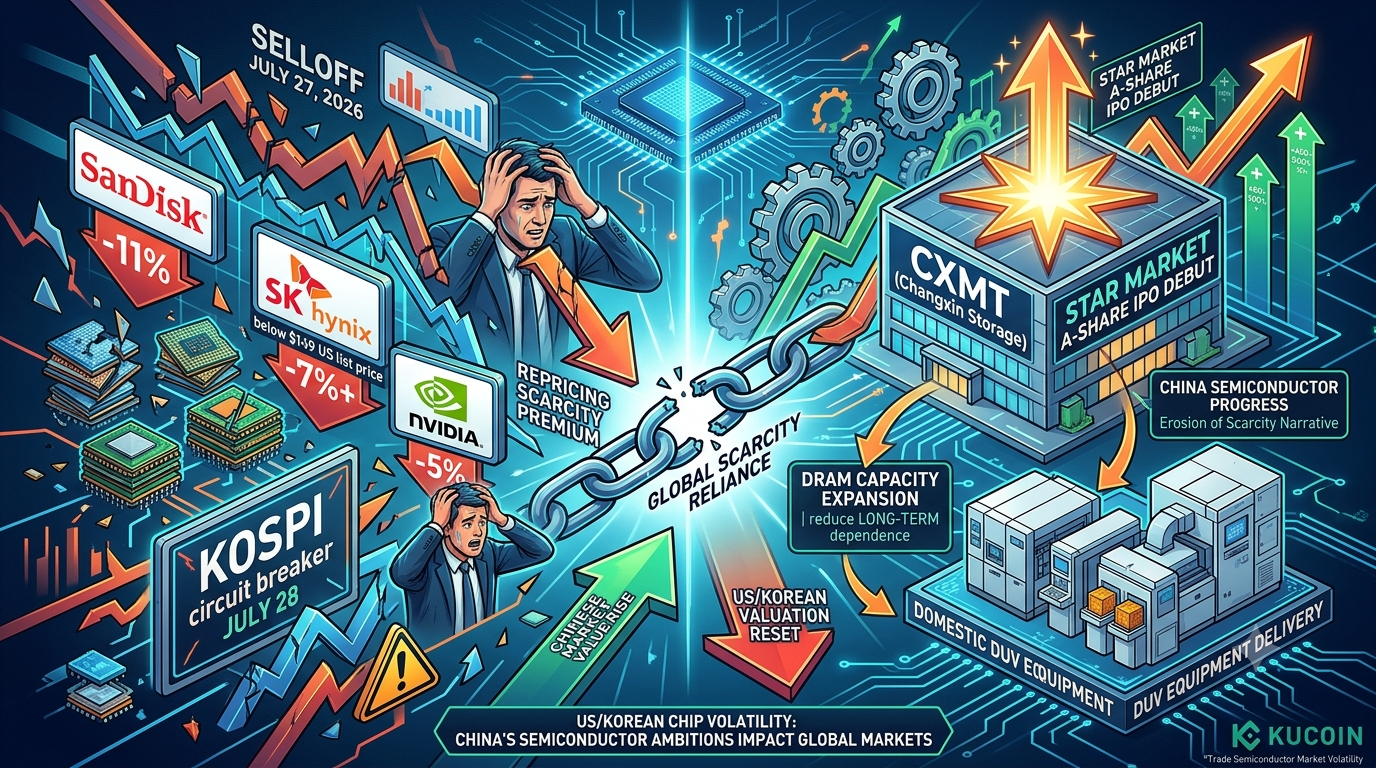
For cross-border electronics sellers, this development creates a three-phase supply chain disruption window. Phase 1 (2025-2026): Chinese chipmakers including SMIC, Hua Hong Semiconductor, and ChangXin Memory will gradually shift from ASML-dependent production to domestic DUV tools, reducing their reliance on Western equipment. This transition, while technically challenging due to yield parity concerns (SMIC currently achieves significantly lower yields than TSMC), will accelerate Chinese chip production capacity. Phase 2 (2026-2027): As Aishengna scales to 20 units annually, Chinese foundries gain production flexibility independent of U.S./Dutch export controls, enabling them to serve domestic electronics manufacturers with more stable pricing and supply. Phase 3 (2027+): Sellers sourcing components from China-based suppliers will experience pricing pressure as Chinese chipmakers reduce foreign equipment dependency costs, while simultaneously facing potential Western tariff responses to Chinese semiconductor self-sufficiency.
The competitive advantage shifts dramatically for sellers by sourcing geography and product category. Sellers sourcing smart devices, IoT products, and consumer electronics from Chinese manufacturers gain cost advantages as domestic chip production reduces component prices 5-12% through 2027. However, sellers relying on advanced chips (AI accelerators, high-performance processors) remain dependent on TSMC/Intel, creating a two-tier supply market. The 1.8% ASML stock decline signals market recognition that China's domestic capability, despite current limitations, represents a structural shift in semiconductor geopolitics. Sellers must immediately audit their supply chains: identify which components source from Chinese foundries (benefiting from cost reduction) versus foreign suppliers (facing potential tariff escalation). The timing window is critical—sellers who diversify sourcing before 2026 avoid supply bottlenecks when Chinese production scales, while those delaying face 8-15% component cost volatility.
Questions 7
When will China's DUV production actually impact component availability and pricing?
Meaningful impact begins Q4 2025 (when Aishengna delivers first 5 units to SMIC/Hua Hong) with noticeable pricing effects by Q2 2026. However, yield challenges will delay full cost benefits—SMIC currently achieves significantly lower yields than TSMC, meaning Chinese foundries must invest in quality control before cost savings reach sellers. The realistic timeline: Q4 2025-Q2 2026 (pilot production, limited pricing impact), Q3 2026-Q4 2027 (scaling to 20 units, 5-8% cost reductions visible), 2028+ (full cost benefits if yield parity achieved). Sellers should not expect immediate price drops; instead, plan for gradual 2-3% quarterly reductions starting Q2 2026. The critical action window is NOW through Q2 2025—lock in supplier relationships and negotiate contracts before Chinese chipmakers gain full cost advantages and renegotiate terms. Delay beyond Q2 2025 risks missing the cost arbitrage window as suppliers adjust pricing upward once they recognize their cost advantages.
How does China's chip production affect sellers on Amazon, eBay, and Shopify?
Amazon FBA sellers sourcing electronics from China will see 5-12% cost-of-goods reductions by 2026, improving margins and Buy Box competitiveness. eBay sellers in electronics categories gain similar advantages, while Shopify sellers with direct-to-consumer electronics brands benefit from lower component costs enabling aggressive pricing strategies. However, all platform sellers face tariff uncertainty—if Western governments impose 15-25% tariffs on Chinese electronics, margin gains evaporate. Amazon Seller Central should be updated with new supplier cost data quarterly; eBay sellers should monitor competitor pricing to ensure tariff impacts don't erode market position; Shopify sellers should stress-test pricing models against 10-20% tariff scenarios. The platform advantage shifts to sellers who source early (Q1-Q2 2025) and lock in supplier contracts before cost reductions are fully priced in. Sellers delaying until Q3 2025 will find suppliers have already adjusted pricing upward, eliminating cost arbitrage opportunities. Action deadline: Submit supplier audits and contract negotiations by May 31, 2025.