




Strong Dollar & Fed Rate Hikes Reshape Cross-Border Seller Costs | July 2026
- USD strength near one-month peaks increases payment processing costs 3-8% for sellers importing goods; 74% probability of September rate hike pressures working capital financing













Overview
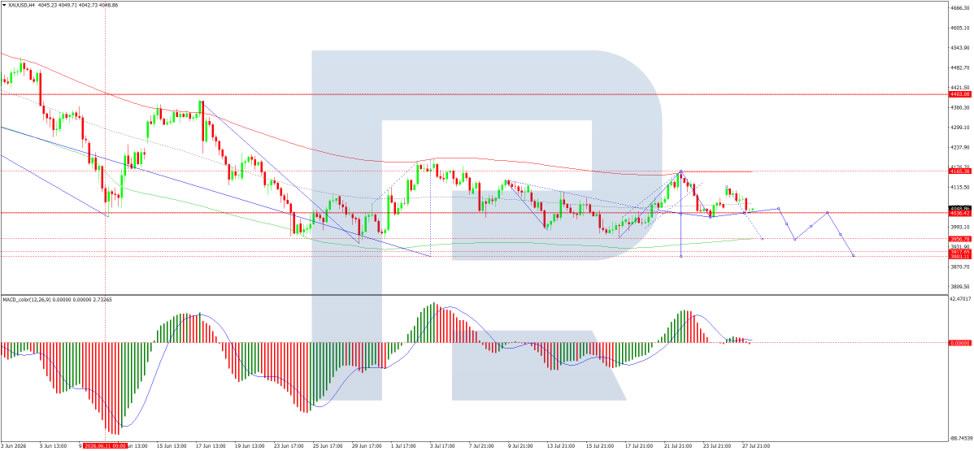
The U.S. dollar's surge to one-month highs on July 28, 2026, combined with elevated Federal Reserve rate expectations (74% probability of September hike), creates immediate financial headwinds for cross-border e-commerce sellers. Spot gold fell 0.7% to $4,045.29/oz as the strong dollar made dollar-denominated assets more expensive for international buyers—a dynamic that directly mirrors currency pressures on sellers importing inventory from Asia, Europe, and Latin America.
Immediate Payment & FX Impact: The firm dollar increases costs for sellers with foreign currency exposure. Sellers importing from China, Vietnam, or India face 3-8% margin compression on goods priced in USD, as their suppliers demand stronger dollar payments. Conversely, sellers exporting from the U.S. gain temporary pricing power in international markets, but face reduced demand from price-sensitive buyers in EU, UK, and SEA regions where the strong dollar makes U.S. goods 5-12% more expensive.
Working Capital Financing Pressure: With market expectations showing a 71% probability of the Fed maintaining steady rates Wednesday and a 74% chance of a September rate hike, financing costs for inventory loans and trade credit are rising. Sellers relying on invoice factoring, PO financing, or inventory-backed loans will see APR increases of 50-150 basis points by Q3 2026. Traditional lenders (banks, fintech providers like Clearco, Fundbox) are tightening terms as the Fed signals hawkish policy. Commerzbank's $300 downward revision of year-end gold forecasts (to $4,500/oz) signals broader deflationary expectations—meaning sellers holding inventory face potential margin erosion if consumer prices soften.
Regional Implications: EU-based sellers exporting to the U.S. benefit from favorable FX conversion (EUR/USD weakness), but U.S. sellers exporting to EU face headwinds. Asian sellers importing raw materials or finished goods into the U.S. see input costs rise 4-6% per shipment. The geopolitical backdrop (U.S.-Iran tensions, Trump negotiations) adds 2-3% volatility premiums to shipping insurance and payment processing fees.
Strategic Opportunity: Sellers should lock in forward FX contracts now before September rate decision, refinance high-cost inventory loans before rates rise further, and consider shifting payment methods to lower-cost corridors (e.g., ACH for USD transfers vs. wire transfers, or stablecoin settlements for crypto-enabled suppliers).
Questions 8
What immediate actions should I take before the September Fed rate decision?
Execute three actions by August 15, 2026: (1) Lock in forward FX contracts for 90-180 day horizons at current rates to protect against further dollar strength; (2) Refinance high-cost inventory loans (>9% APR) before rates rise 50-150 basis points in September; (3) Shift payment methods to ACH or stablecoin for high-volume supplier corridors, saving 40-60% in fees. For a mid-sized seller with $2M quarterly imports and $500K inventory financing, these actions unlock $15,000-25,000 in working capital savings and margin protection. Monitor Fed communications daily and execute before the September 18 FOMC meeting.
What is the impact of Commerzbank's $300 downward gold forecast revision on my inventory strategy?
Commerzbank's downward revision of year-end gold forecasts (from $4,800 to $4,500/oz) signals broader deflationary expectations in commodity markets. This suggests consumer prices may soften in Q3-Q4 2026, meaning sellers holding inventory face potential margin erosion if they cannot reduce costs. If you sell jewelry, luxury goods, or commodity-linked products, expect 2-5% price compression. Accelerate inventory turnover, reduce SKU depth, and shift to higher-margin categories (electronics, apparel) that are less commodity-sensitive. Monitor PCE data releasing Thursday for confirmation of deflationary trends.