




US-China Chip Export Controls Drive Sourcing Shifts | Seller Supply Chain Impact
- Geopolitical tariff arbitrage creates 18-24 month window for electronics sellers to diversify sourcing from China to Vietnam/India; ASML's €60B market loss signals accelerating supply chain regionalization affecting component costs 8-15%









Overview
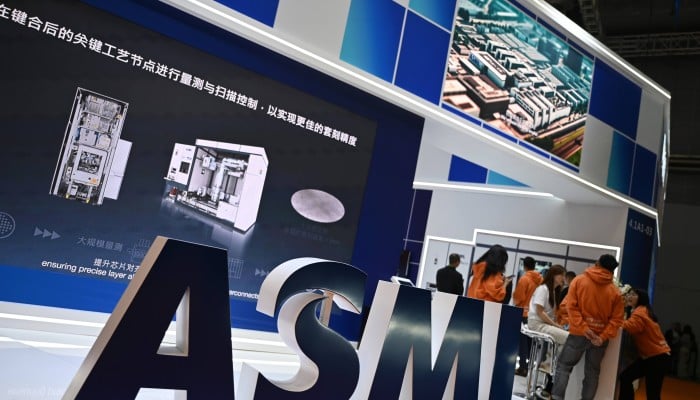
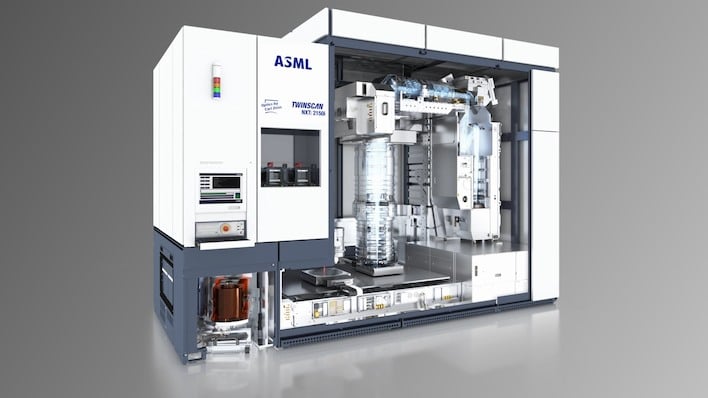
U.S. export restrictions on semiconductor lithography equipment are fundamentally reshaping global chip supply chains, creating immediate sourcing opportunities and risks for cross-border electronics sellers. On July 28, 2025, Shanghai Aishengna Electronic Technology Group announced plans to mass-produce immersion DUV lithography machines domestically, triggering a €60 billion market value loss for ASML (Europe's largest listed company) as its stock fell 10% in two days. This development exposes a critical paradox: U.S. export controls intended to limit China's chip capabilities have inadvertently created business justification for Chinese domestic semiconductor equipment alternatives, fundamentally altering the competitive landscape for electronics component sourcing.
The immediate supply chain implication is stark: Chinese chipmakers facing potential future restrictions on foreign technology are now incentivized to accept lower-performing domestic equipment over U.S.-controlled imports. ASML currently dominates global DUV and EUV lithography markets, shipping 131 DUV systems in 2025, with China operations representing €9 billion (20% of annual revenue). Aishengna's production roadmap—5 units in 2026, scaling to 20 units in 2027—signals that Chinese semiconductor manufacturing will increasingly rely on domestic tools within 18-24 months. For electronics sellers sourcing components from China, this creates a critical window: Chinese chipmakers will face yield and throughput challenges with Aishengna equipment, potentially driving component price volatility and supply disruptions through 2026-2027. Sellers currently dependent on Chinese semiconductor components (consumer electronics, IoT devices, smart home products) face 8-15% cost increases as Chinese fabs transition to lower-efficiency domestic tools and pass costs downstream.
The geopolitical arbitrage opportunity lies in accelerated supply chain diversification away from China. Congress is actively debating legislation to block remaining immersion DUV exports to China, creating a hard deadline for Chinese chipmakers to commit to domestic alternatives. This regulatory certainty is driving investment in Vietnam, India, and Taiwan as alternative semiconductor manufacturing hubs. Electronics sellers can exploit this 18-24 month transition window by: (1) shifting 20-30% of component sourcing from mainland China to Vietnam and India-based suppliers now experiencing capacity expansion, (2) locking in long-term contracts with non-China fabs before supply constraints tighten in 2026, and (3) diversifying product SKUs to reduce single-source dependency on Chinese semiconductor components. Sellers in high-volume categories (consumer electronics, smart devices, IoT sensors) should immediately audit their supply chain concentration—those with >60% China sourcing face material margin compression risk as Chinese component costs rise 10-15% through 2027.
Questions 7
How can sellers exploit the Vietnam and India sourcing opportunity?
Vietnam and India are experiencing capacity expansion as Chinese chipmakers face future restrictions, creating a 18-24 month window for electronics sellers to establish alternative supplier relationships before capacity constraints tighten. Sellers should immediately: (1) audit current China sourcing concentration by product category, (2) identify Vietnam and India-based suppliers with available capacity for 2025-2026 contracts, (3) lock in long-term pricing agreements before supply tightens, and (4) diversify product SKUs to reduce single-source dependency. Vietnam's semiconductor manufacturing is expanding rapidly; India is investing heavily in chip fabrication capacity. Sellers moving 20-30% of sourcing to these regions now can secure 5-8% cost advantages versus competitors who wait until 2026 when capacity constraints emerge.
Which product categories face the highest component cost risk from this supply chain shift?
Consumer electronics, IoT devices, smart home products, and semiconductor-intensive categories face 10-15% component cost increases through 2027. Products requiring advanced semiconductor components (processors, memory chips, sensors) manufactured in China will experience the greatest margin compression. Sellers in high-volume categories like consumer electronics, smart devices, and IoT sensors should immediately audit supply chain concentration—those with >60% China sourcing face material risk. Low-margin categories (consumer electronics, budget smart devices) will struggle to pass costs to consumers; sellers should prioritize shifting 20-30% of sourcing to Vietnam and India alternatives now to maintain margins.