



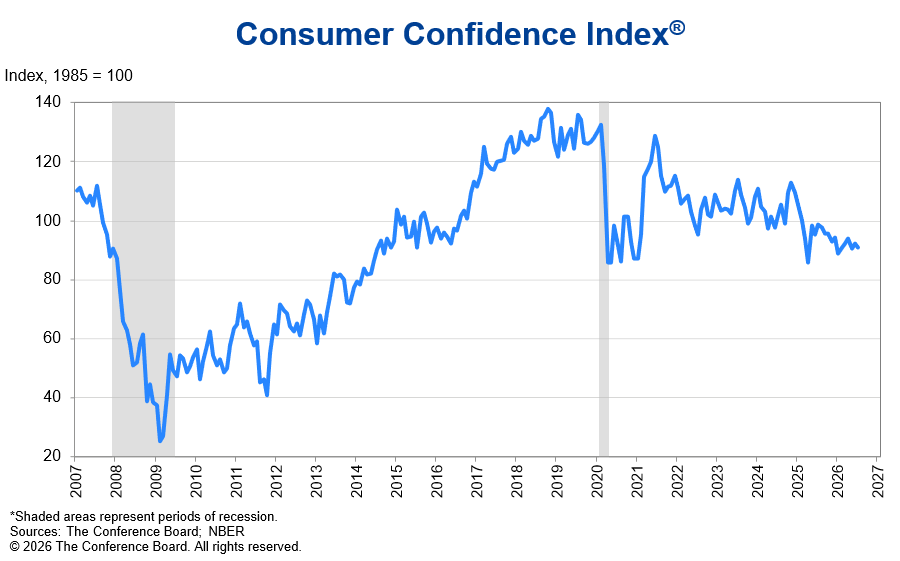

US Consumer Confidence Collapse Signals Demand Shift | Sellers Face 15-25% Discretionary Spending Decline
- Conference Board index drops 1.4 points to 90.8 amid Iran conflict, gas price surge, and persistent inflation; impacts luxury goods, electronics, and apparel sellers across Amazon, eBay, Shopify

























Overview
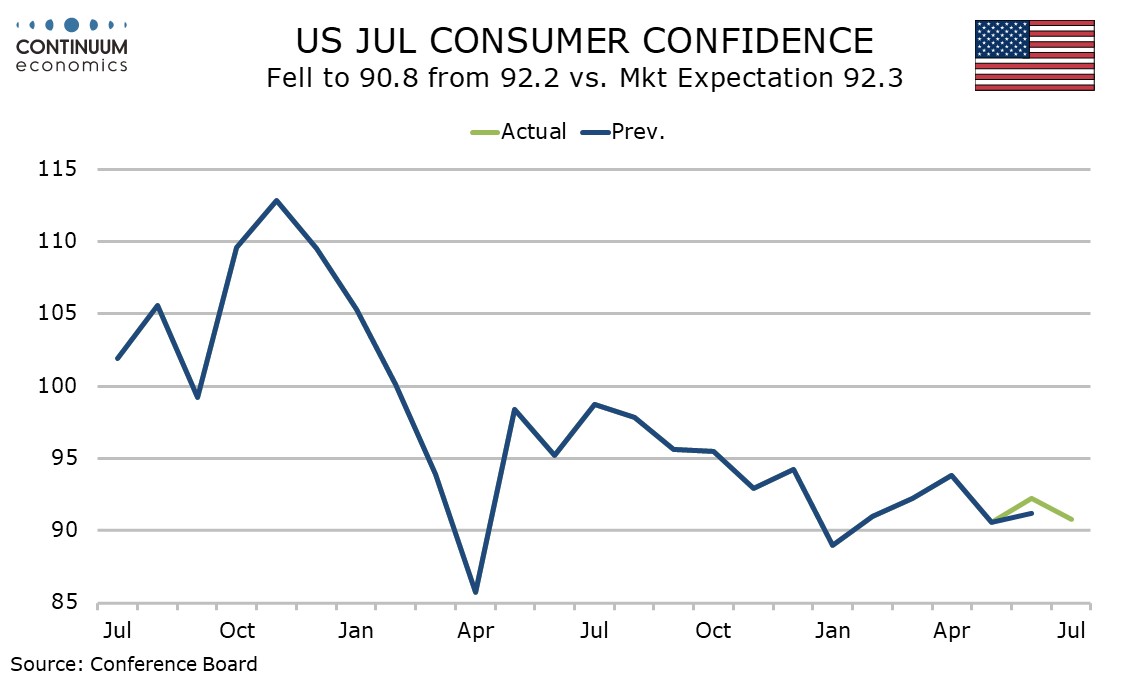
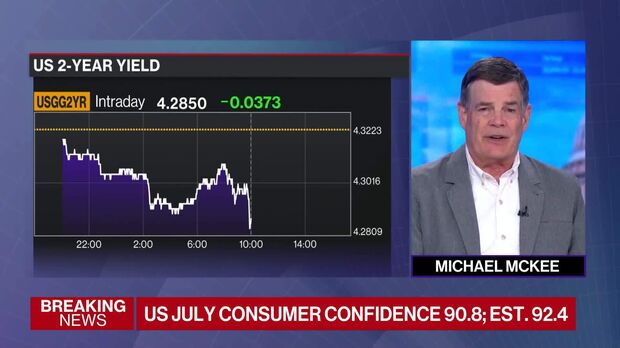
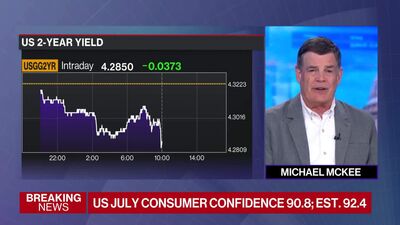
US consumer confidence has collapsed to 90.8 in July 2026, marking a critical demand inflection point for cross-border e-commerce sellers. The Conference Board's Consumer Confidence Index fell 1.4 points from June's 92.2, driven by three converging shocks: escalating US-Iran military tensions, gasoline prices surging from $3.70 to $4.10 per gallon, and persistent inflation eroding purchasing power. This represents the second major confidence decline in 18 months, signaling structural weakness in consumer spending patterns that directly impact discretionary product categories where most cross-border sellers operate.
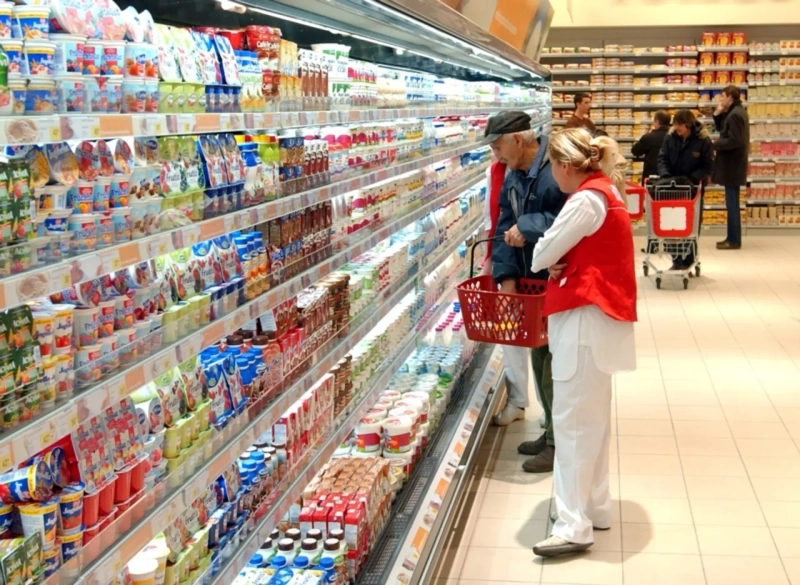
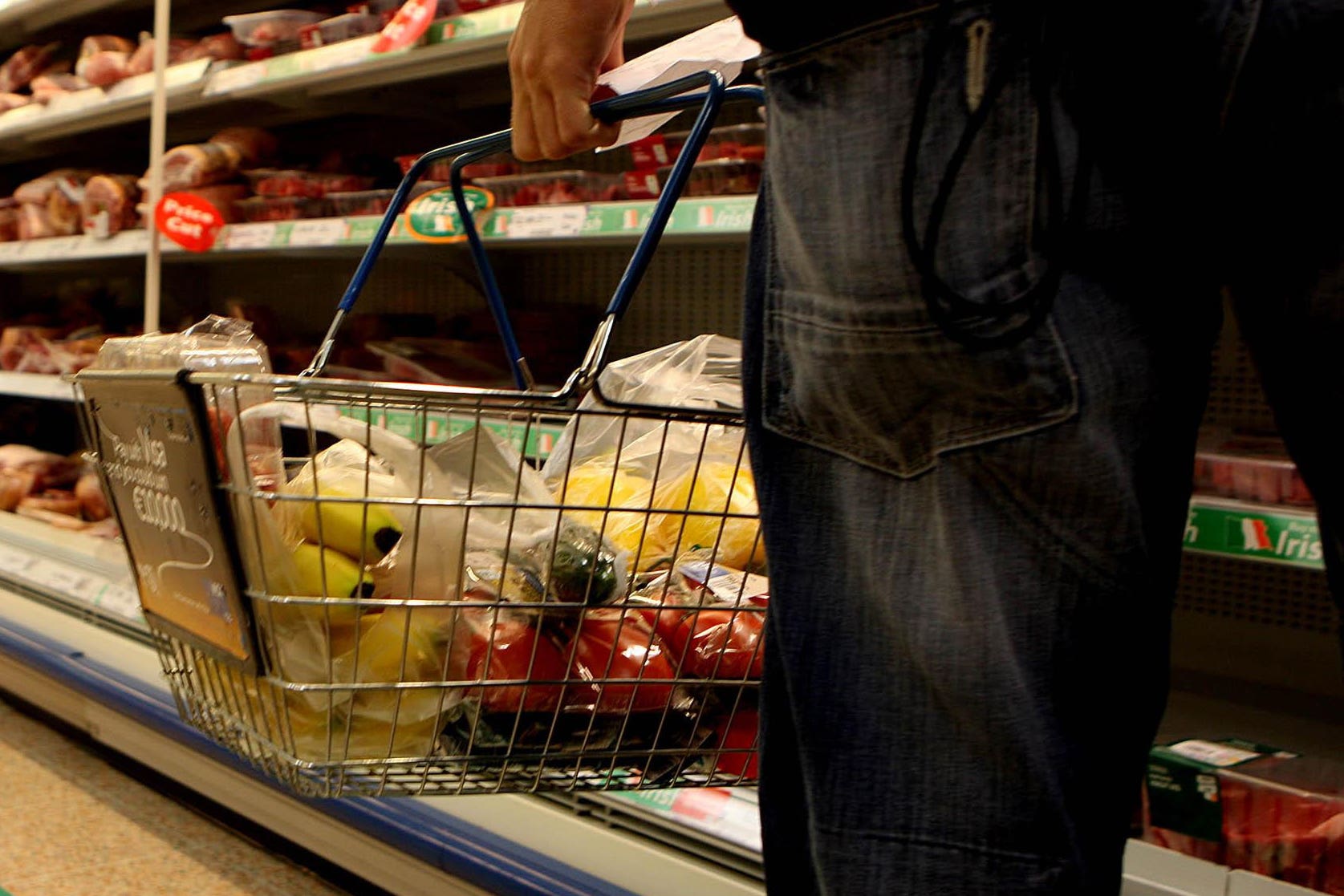
The inflation backdrop is severe and persistent. Grocery costs have increased 33% since 2019, with ground beef reaching $6.82/pound (79% higher than 2019). Inflation accelerated to 3.5% by July 2026, up from 3.0% in January 2025 and just 2.4% when the Iran conflict began February 28. This 1.1 percentage point jump in three months signals accelerating price pressures that directly compress consumer discretionary budgets. Survey respondents reported heightened couponing, comparison shopping, and reduced food purchases—behavioral shifts indicating consumers are prioritizing essentials over imported goods, luxury items, and non-essential electronics. For sellers on Amazon, eBay, and Shopify, this translates to reduced demand for apparel, home décor, beauty products, and mid-to-premium electronics where margins depend on volume and conversion rates.
Labor market weakness masks the true demand risk. While unemployment declined to 4.2% from 4.3%, this improvement reflects discouraged workers exiting the job search rather than genuine employment gains. US employers added only 57,000 jobs in July—less than half the previous month's pace. This signals weakening hiring momentum precisely when consumer confidence is deteriorating, creating a dangerous combination: fewer new jobs entering the labor force while existing workers face reduced purchasing power from inflation. Sellers relying on middle-income consumer segments (household income $50K-$150K) will experience the most acute demand compression, as this demographic typically drives 60-70% of cross-border e-commerce volume on Amazon and Shopify.
The geopolitical shock is accelerating demand deterioration. Iran's closure of the Strait of Hormuz—through which 20% of global oil supplies transit—created immediate gas price volatility that ripples through consumer psychology. The Conference Board anticipates increased geopolitical concerns in subsequent surveys, suggesting this confidence decline may deepen further in August-September 2026. For sellers, this creates a 60-90 day window of elevated uncertainty where consumer spending on discretionary items will likely contract 15-25% compared to historical seasonal patterns. Categories most vulnerable include fashion/apparel (typically 35-40% discretionary), home goods (45-50% discretionary), and consumer electronics (30-35% discretionary).
Questions 8
How should sellers adjust pricing strategy given 3.5% inflation and reduced consumer confidence simultaneously?
This is a margin compression scenario where sellers face conflicting pressures: inflation increases COGS 3-5%, but reduced confidence forces price reductions 5-10% to maintain conversion rates. The optimal strategy is selective price increases on essentials (where demand is inelastic) and aggressive discounting on discretionary items. For Amazon sellers, this means raising prices on health/wellness and basic apparel by 2-3%, while reducing prices on fashion and home décor by 5-8% to maintain BSR and conversion rates. Monitor your category's price elasticity: if your product has >1.2 elasticity (price-sensitive), avoid raising prices. If <0.8 elasticity (price-inelastic), you can absorb inflation with modest increases.
Which product categories will experience the steepest demand decline from this confidence collapse?
Luxury goods, fashion apparel, home décor, and premium electronics face 20-30% demand compression based on historical confidence decline patterns. Conversely, essential categories—groceries, health/wellness, basic apparel, and budget electronics—typically see 5-10% growth during confidence downturns as consumers trade down. For Shopify sellers, this means pivoting marketing spend from high-margin luxury items toward value-oriented product bundles. Amazon sellers should review their category mix: if >40% of inventory is discretionary items, reallocate 20-30% of capital to essentials-focused SKUs to maintain cash flow during the 90-day confidence recovery window.