




Fed Rate Hold + Tariff Inflation | Cross-Border Sellers Face 0.17% Cost Pressure
- Tariffs add 0.17 percentage points to inflation; Iran conflict adds 0.66pp; AI component prices surge; 62% probability of no Fed rate hike signals prolonged cost uncertainty for importers













Overview
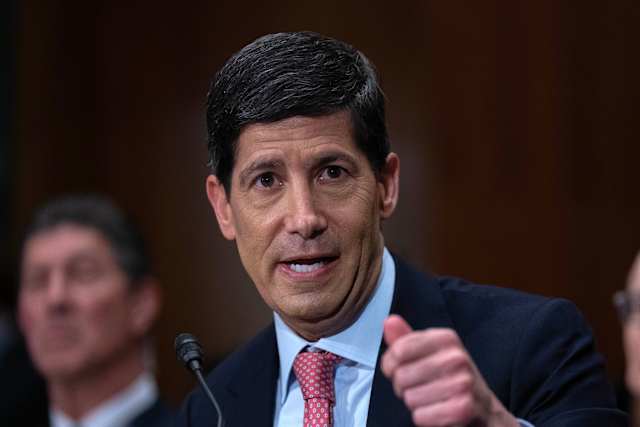
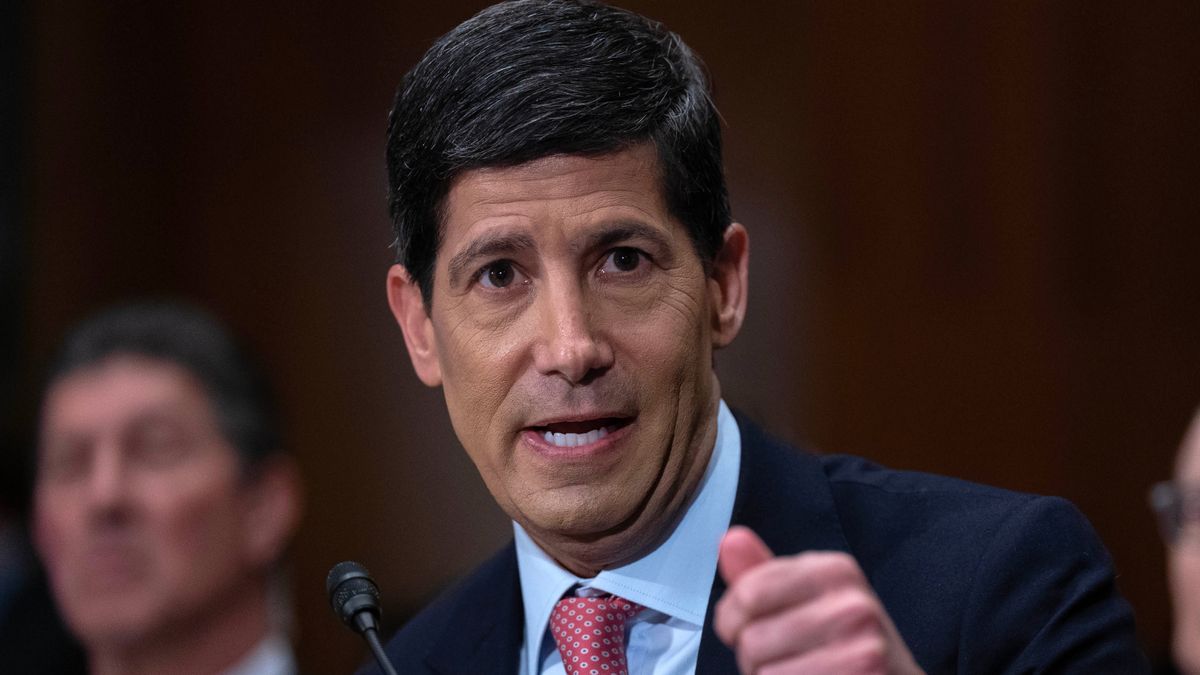
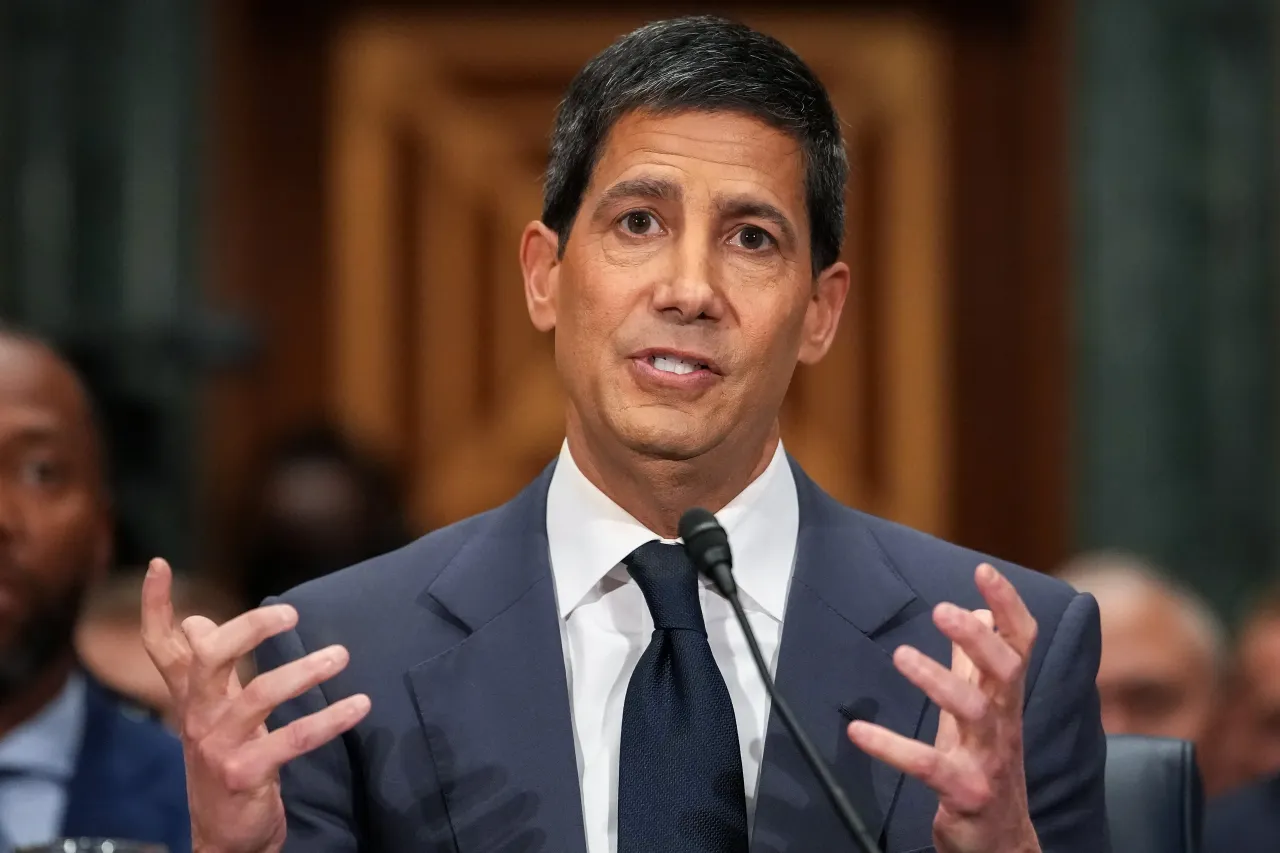
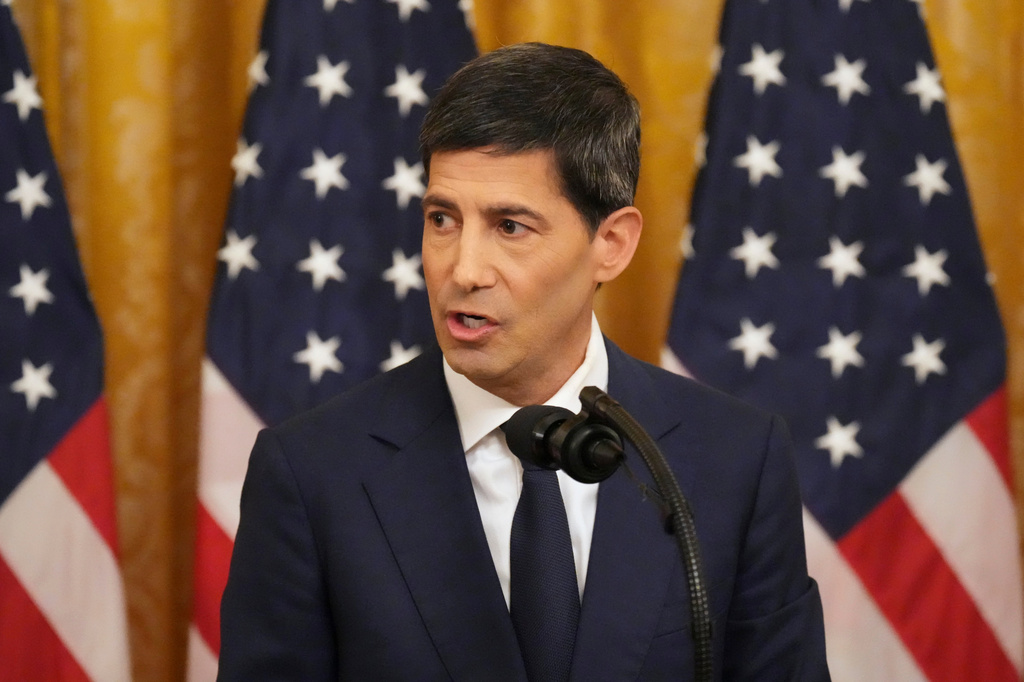
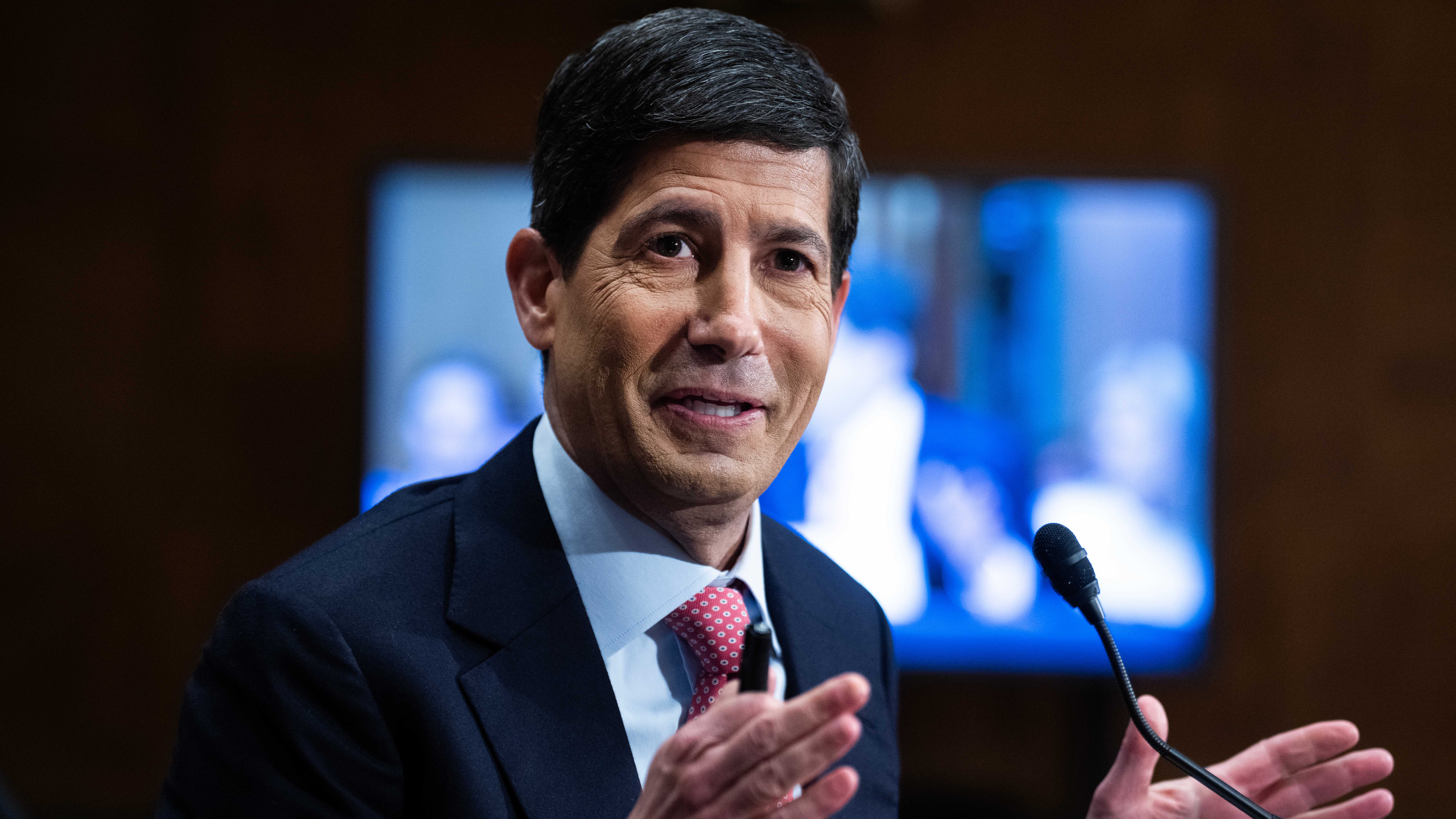
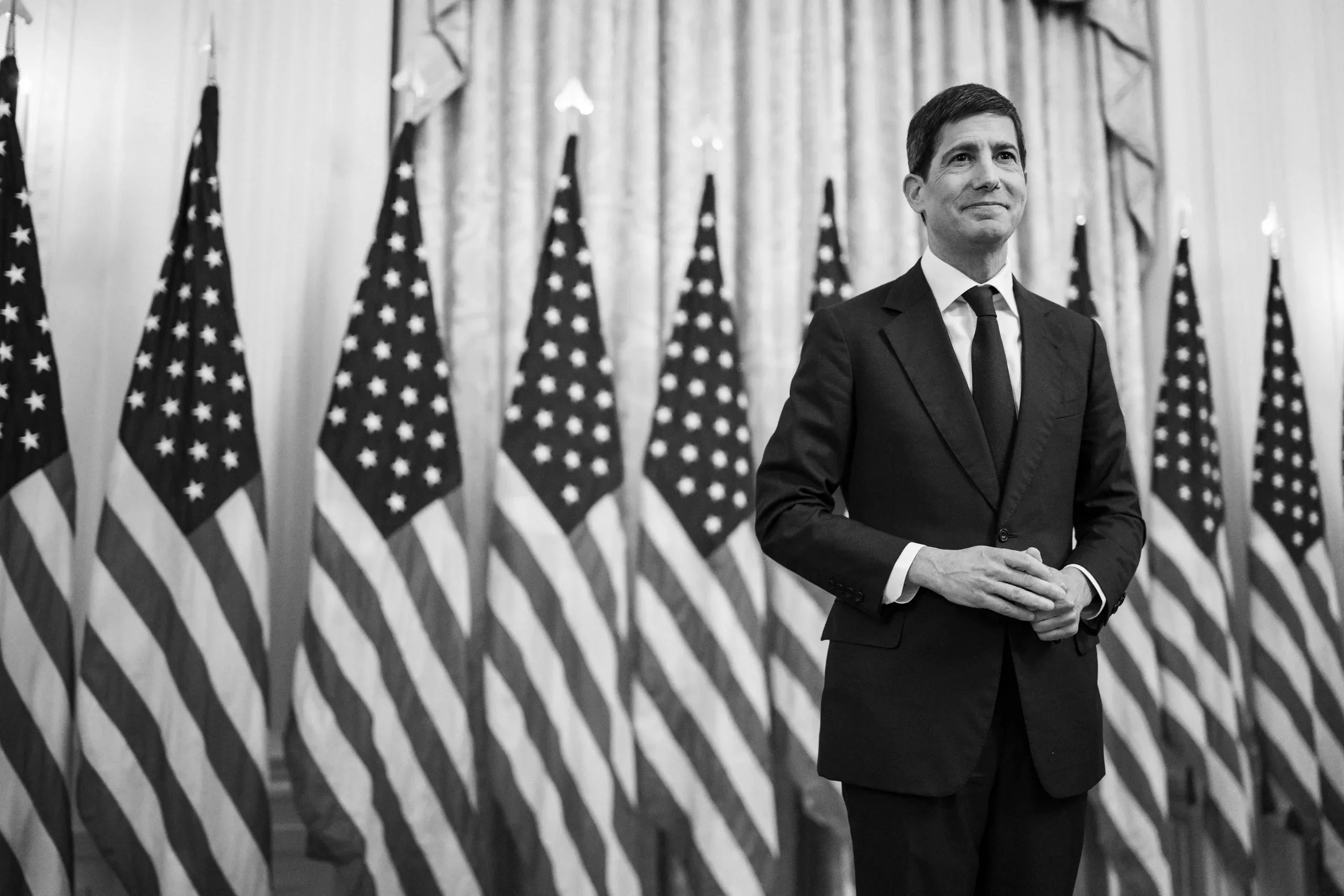
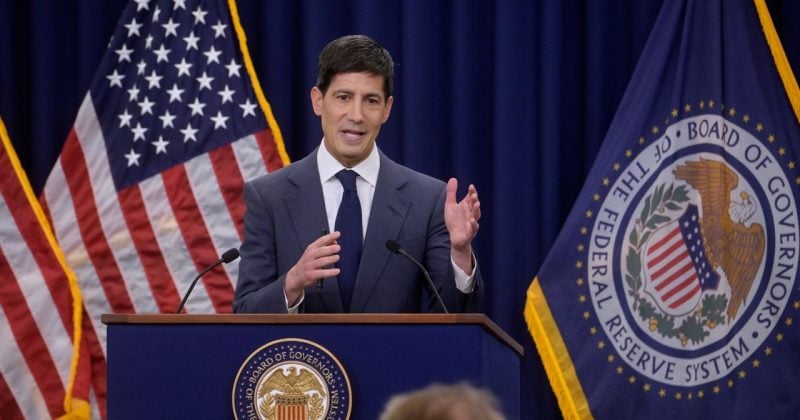
Federal Reserve Chairman Kevin Warsh faces an unprecedented policy dilemma: current inflation of 3.5% is supply-driven rather than demand-driven, making traditional rate hikes ineffective and potentially counterproductive. The news reveals three critical dynamics reshaping cross-border e-commerce economics: (1) Tariff-driven inflation contributes 0.17 percentage points to overall price pressures, directly impacting import costs for sellers sourcing from China, Vietnam, and India; (2) Iran conflict disrupts Middle East energy flows, adding 0.66 percentage points to inflation, raising logistics and shipping costs globally; (3) AI boom creates demand-side component inflation, with memory and semiconductor prices surging—critical for electronics sellers.
For cross-border sellers, the policy implications are stark: a 62% probability of no Fed rate hike (vs. 38% for a hike) means interest rates will remain elevated longer, increasing working capital costs for inventory financing. Moody's Analytics chief Mark Zandi warns that rate increases risk triggering stock market decline and recession with weak labor markets—signaling reduced consumer spending power, particularly in discretionary categories (electronics, home goods, apparel). This creates a "demand cliff" risk for sellers relying on consumer credit-driven purchases. The tariff component (0.17pp) directly translates to 2-4% cost increases on imported goods, compressing margins for sellers with thin 5-8% profit margins on commodity categories like electronics accessories, textiles, and home goods.
The geopolitical dimension is equally critical: Iran conflict disruptions to Strait of Hormuz shipping lanes increase logistics costs 8-15% for sellers using traditional ocean freight routes. Sellers must immediately evaluate alternative sourcing corridors (nearshoring to Mexico, Vietnam, India) to avoid tariff exposure and energy-driven shipping premiums. The AI component price surge creates a bifurcated market—sellers in high-margin electronics (GPUs, memory modules, networking equipment) see pricing power, while sellers in price-sensitive categories face margin compression. David Kelly's "Teflon inflation" characterization suggests prices won't revert to pre-Covid levels, meaning sellers cannot rely on future cost deflation; they must lock in supplier contracts now before tariff escalation and adjust pricing strategies to reflect permanent cost floors.
Immediate actions: (1) Audit supplier concentration by tariff code—identify which HS codes face highest tariff exposure; (2) Model cash flow impact assuming 0.17-0.66pp inflation persists 6-12 months; (3) Evaluate nearshoring for top 20% of SKUs by volume; (4) Lock in supplier pricing through Q2 2025 before potential tariff increases; (5) Monitor CME FedWatch for rate decision signals—if no hike occurs, expect extended high-cost environment.
Questions 8
Will the Fed rate hike or hold steady, and what does it mean for my financing costs?
CME FedWatch shows 62% probability of no rate hike versus 38% for a hike, indicating rates will likely remain elevated through Q1 2025. For sellers financing inventory through working capital loans or lines of credit, this means interest rates stay at 8-12% annually, increasing borrowing costs by $800-1,200 per $100K financed. If you're carrying $500K in inventory, expect $4,000-6,000 in additional annual financing costs. The extended high-rate environment makes inventory optimization critical—reduce SKU count by 20-30%, accelerate turnover, and shift to just-in-time sourcing where possible. Consider supply chain financing options from platforms like Alibaba or trade finance providers offering 3-6% rates.
How much will tariffs increase my import costs as a cross-border seller?
Tariffs are adding 0.17 percentage points to overall inflation, translating to 2-4% cost increases on imported goods depending on product category and origin country. For sellers importing electronics from China, this means a $10,000 shipment could cost $200-400 more. The impact varies by HS code—consumer electronics face 15-25% tariffs, while textiles face 12-18%. To calculate your specific exposure, audit your top 50 SKUs by volume, identify their HS codes using the USITC HTS database, and cross-reference current tariff rates. Sellers should lock in supplier pricing through Q2 2025 before potential escalation.