


Amazon Winds Down Nova AI Models | Sellers Face Automation Tool Uncertainty in 2025-2026
- Amazon discontinues Nova Premier, Omni, Reel, Canvas models; redirects resources to frontier model development debuting Fall 2025; impacts seller automation tools and content generation workflows







/Amazon%20-%20Image%20by%20bluestork%20via%20Shutterstock.jpg)







)










Overview
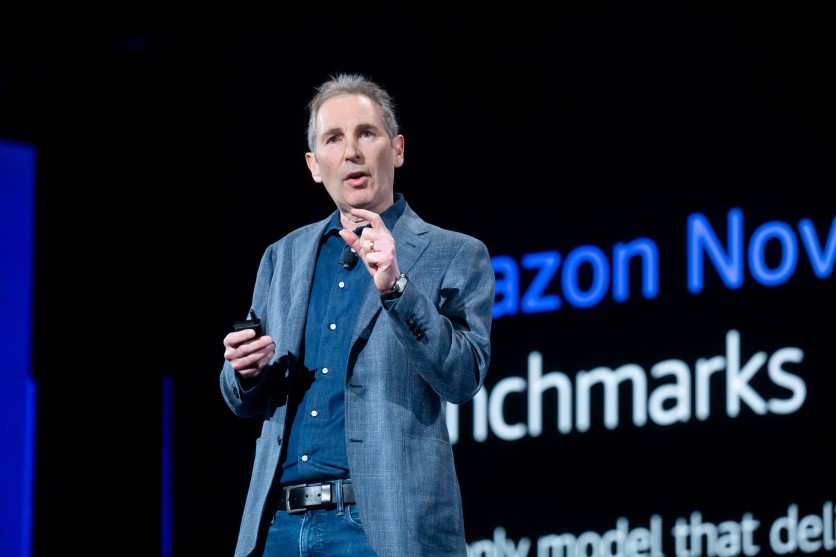
Amazon's fundamental AI strategy restructuring creates immediate uncertainty for sellers relying on Nova-powered automation tools. The company is deprecating its flagship Nova Premier, Omni, Reel video-generation, and Canvas image-generation models—described internally as "KTLO" (keep the lights on) maintenance-only software—while consolidating engineering resources toward a new Frontier Model Research (FMR) initiative led by researcher Pieter Abbeel. This strategic pivot, announced under new leadership from Senior Vice President Peter DeSantis (who took over in December 2024), represents a dramatic reversal from 2023 when CEO Andy Jassy championed AGI's creation of six new research groups. The new flagship foundation model is expected to debut at Amazon's re:Invent conference in Fall 2025.
For e-commerce sellers, this restructuring creates both immediate risks and future opportunities. Sellers currently using Amazon's Nova-powered tools for product image generation (Canvas), video content creation (Reel), and multimodal analysis (Omni) face migration uncertainty. While Amazon maintains that Nova 2 Sonic, Nova 2 Lite, Nova Forge customization service, and Nova Act agent technology will remain active, internal employee reports indicate uncertainty about Nova's long-term direction. The layoffs affecting frontier model researchers—historically among Amazon's most valued technical talent—signal that Amazon is deprioritizing incremental improvements to existing models in favor of a moonshot frontier model. This creates a 6-12 month window where sellers may experience reduced feature development, slower bug fixes, and potential API deprecation for Nova-based integrations.
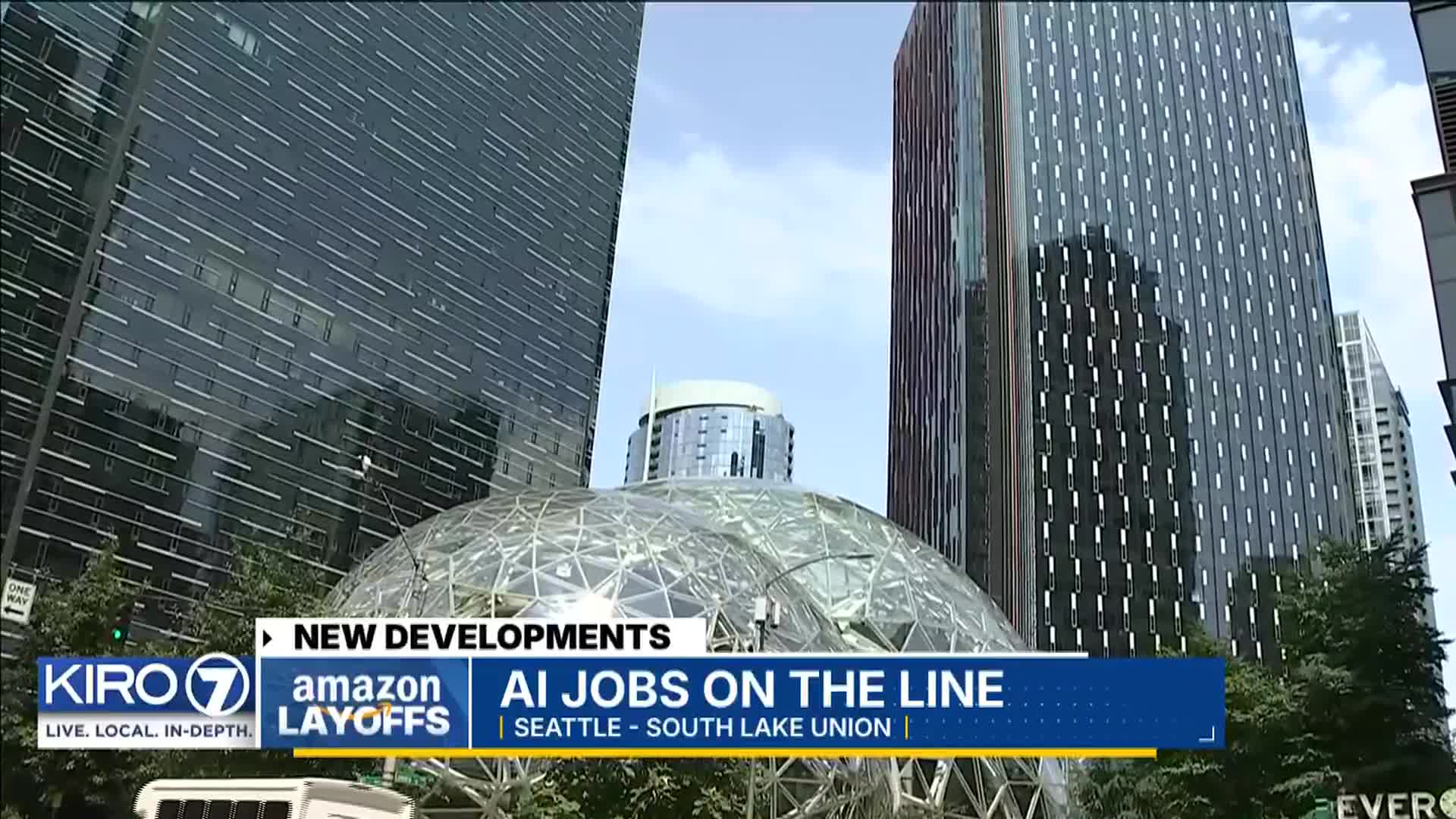
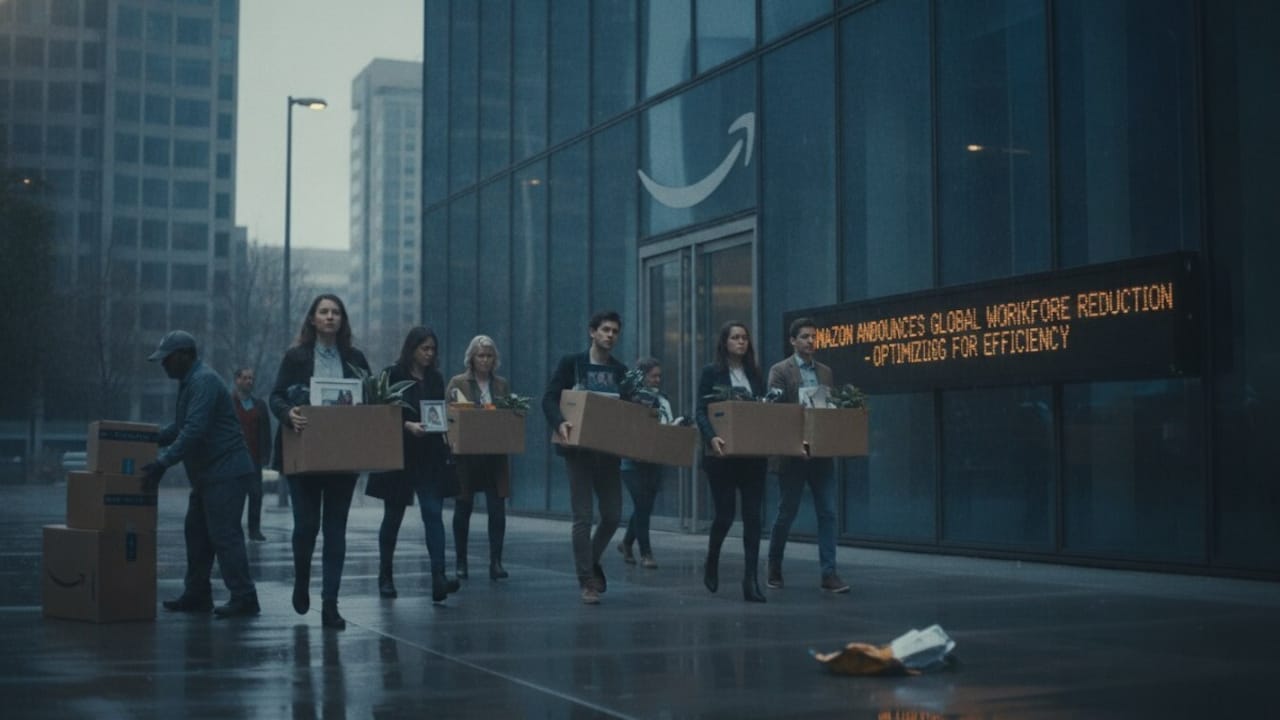
The operational impact extends beyond content generation tools. Amazon's broader workforce restructuring—including closure of its San Francisco AI lab (which employed ~80 people focused on AGI research) and layoffs of 1,100 warehouse workers in Florida (616 at Homestead, 494 at Port St. Lucie)—signals cost-cutting across Amazon's infrastructure. The Port St. Lucie facility renovation project will reduce workforce from current levels to 850-1,000 employees by 2028, suggesting Amazon is optimizing fulfillment operations for efficiency rather than expansion. This indicates potential delays in new seller-facing features, slower response times to seller support requests, and reduced investment in Amazon's seller tools ecosystem during the 2025-2026 transition period. Sellers should anticipate that Amazon's AI investments will focus on enterprise infrastructure (positioning itself as a "crucial AI infrastructure provider") rather than seller-facing automation tools.
The competitive landscape shift creates opportunities for third-party AI tool providers. With Amazon deprioritizing Nova model development, sellers can expect OpenAI, Anthropic, and Google to accelerate their own seller-facing AI tools. This creates a 12-18 month window where alternative AI platforms (ChatGPT for Business, Claude API, Google Vertex AI) may offer more advanced product image generation, listing optimization, and content creation capabilities than Amazon's legacy Nova tools. Sellers who migrate to third-party AI solutions now will gain competitive advantages in automation efficiency and content quality before Amazon's new frontier model launches in Fall 2025.
Questions 8
Which Amazon Nova AI models are being discontinued and what do they do?
Amazon is deprecating Nova Premier (text generation), Omni (multimodal analysis), Reel (video generation), and Canvas (image generation) models as of 2025. These tools were used by sellers for product listing optimization, content creation, and automated image/video generation. Nova 2 Sonic, Nova 2 Lite, Nova Forge customization service, and Nova Act agent technology will remain active, but with maintenance-only support. Sellers currently using deprecated models must migrate to alternatives by Fall 2025 when Amazon's new frontier model launches.
What competitive advantages can sellers gain from adopting AI tools before Amazon's frontier model launches?
Sellers who migrate to advanced third-party AI tools now (2025) gain 12-18 month competitive advantage in: (1) Faster content creation (50-70% time savings on listing optimization), (2) Superior product images/videos (higher conversion rates vs. legacy Nova outputs), (3) Automated bulk operations (scale to 1000+ listings without proportional labor increase), (4) Dynamic pricing optimization (AI-powered price testing and competitor analysis). This creates defensible moats in product research, content quality, and operational efficiency before Amazon's frontier model potentially commoditizes these capabilities in Fall 2025.