
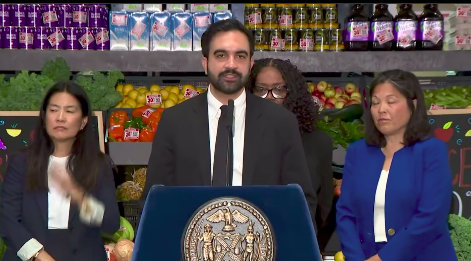
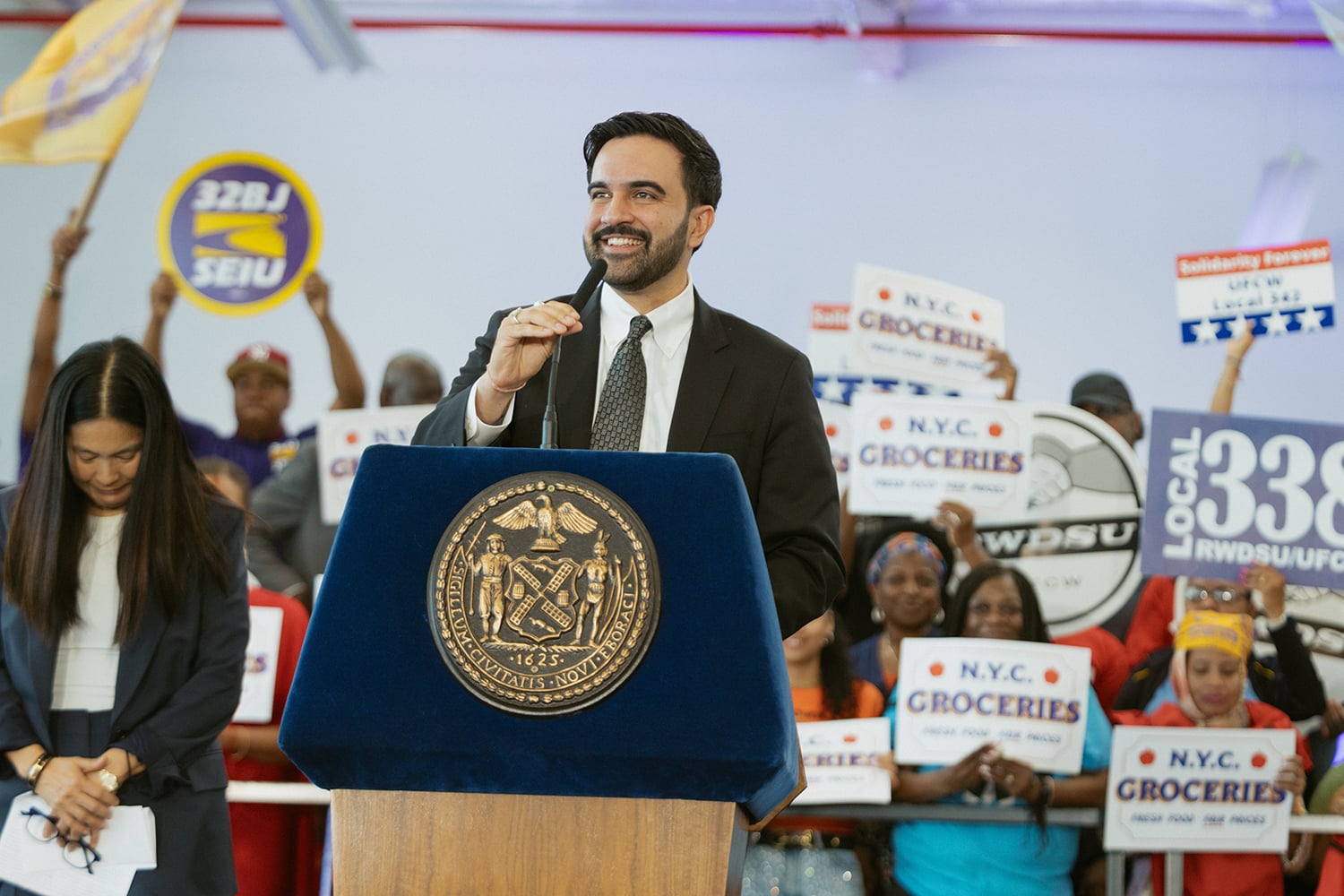
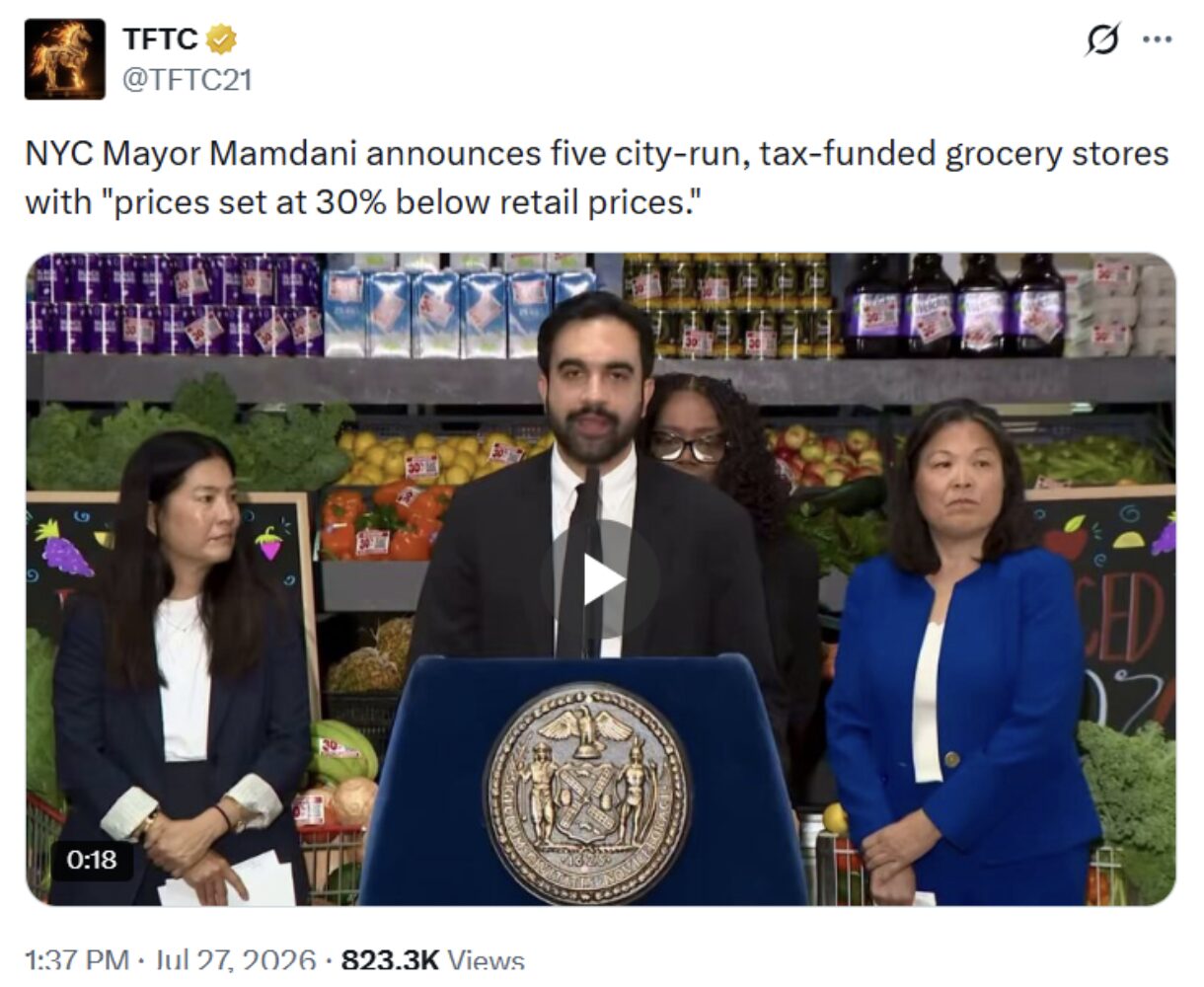
NYC Municipal Grocery Initiative Opens O2O Opportunities for Food & Essentials Sellers
- $70M public grocery plan signals demand for affordable essentials in underserved NYC markets; creates partnership opportunities for food sellers and experiential retail strategies







Overview
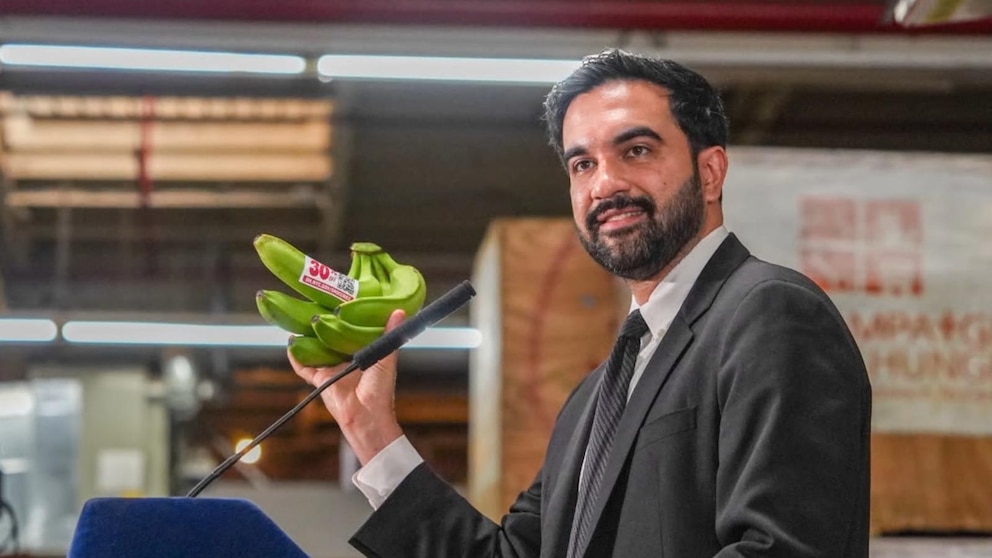
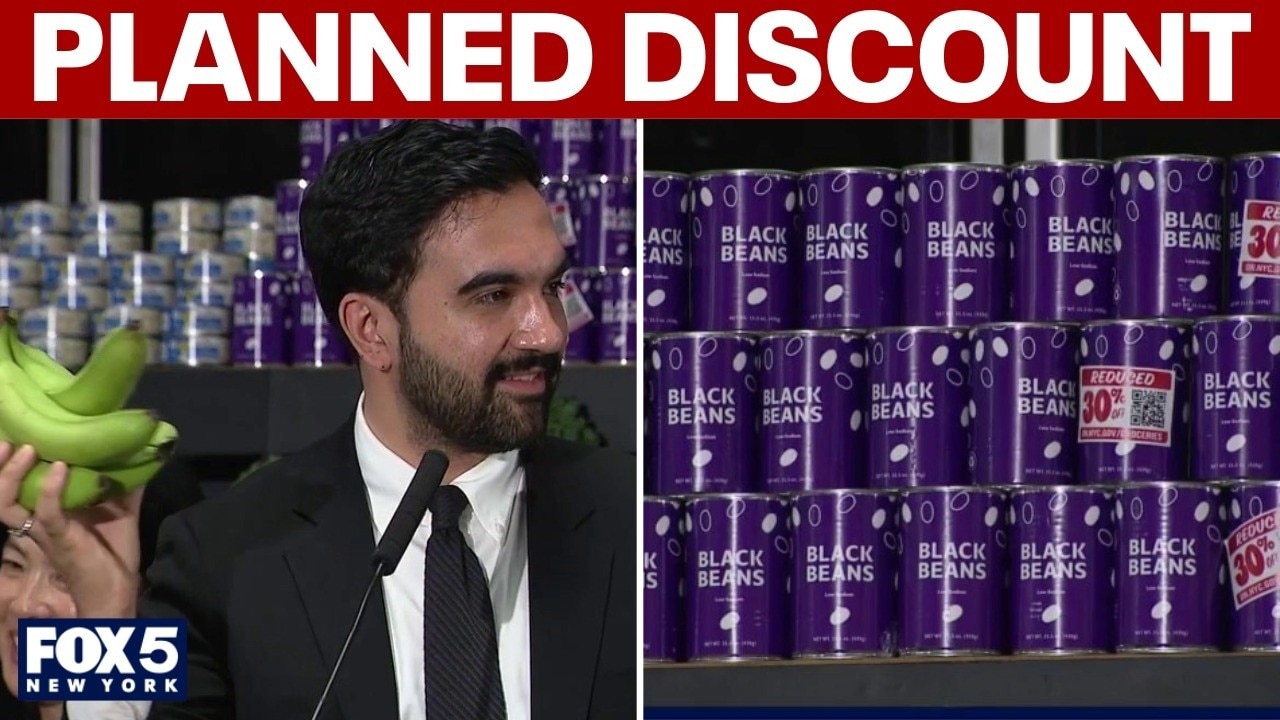
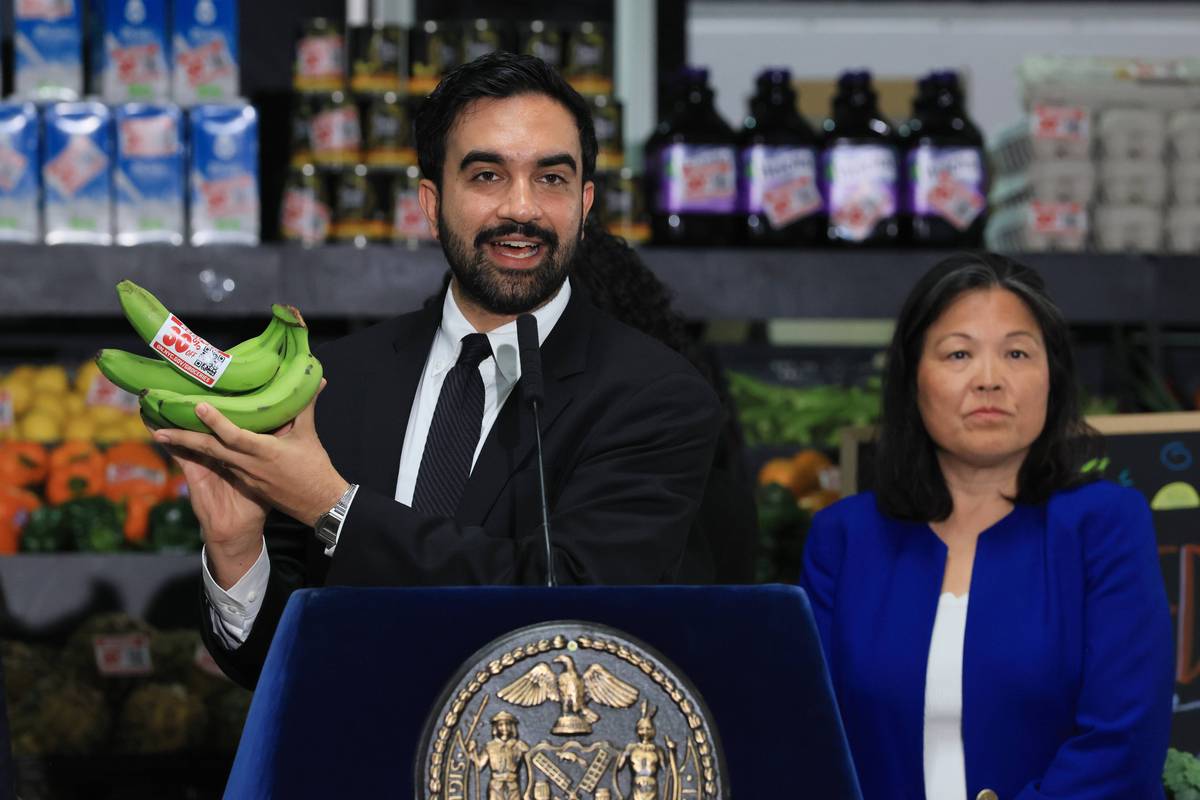
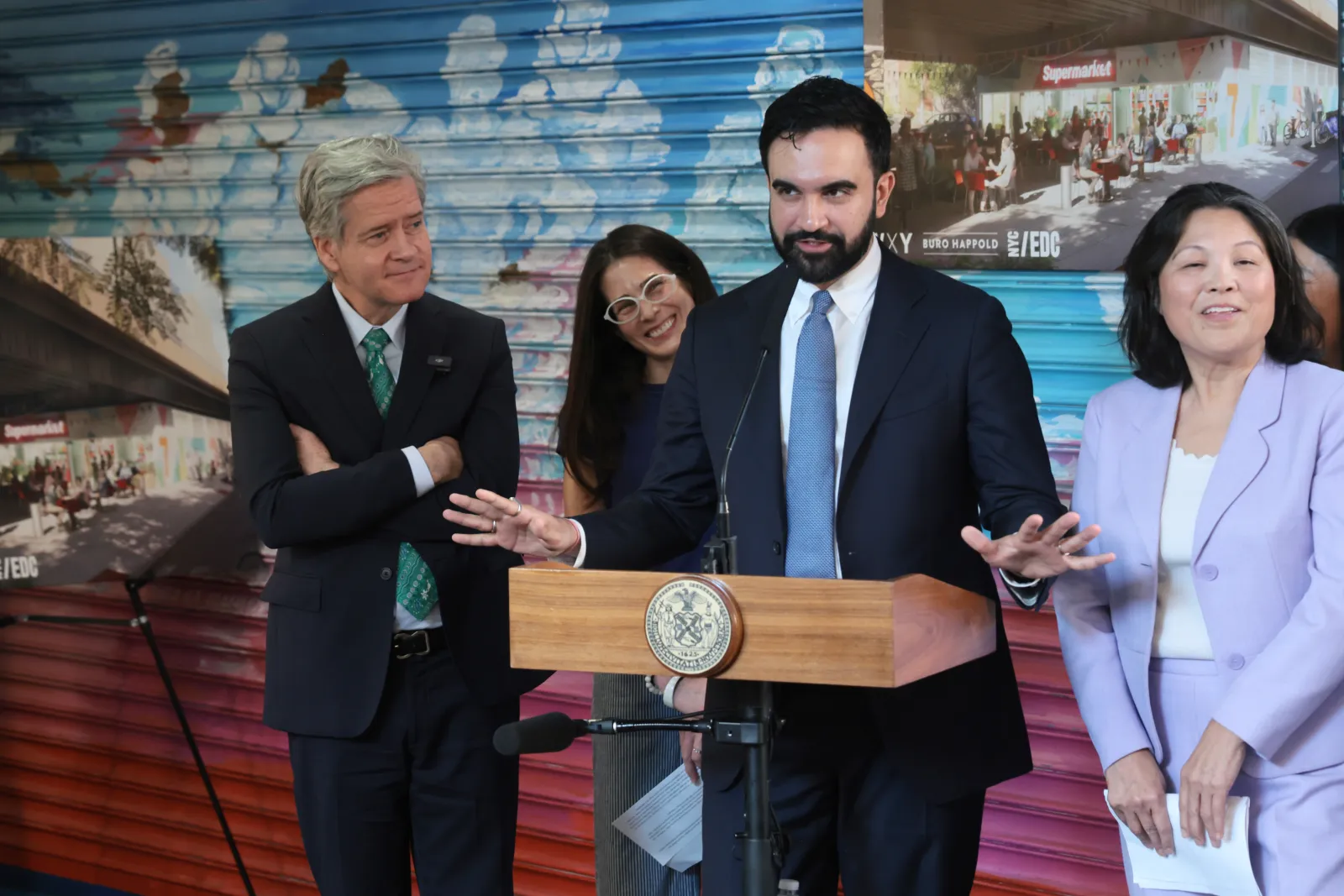
New York City Mayor Zohran Mamdani's $70 million municipal grocery initiative represents a critical market signal for cross-border sellers and O2O strategists. The plan targets 30% discounts on essential goods in underserved communities, revealing significant consumer demand for affordable food and household products in specific NYC neighborhoods. While the proposal faces political opposition, the underlying market opportunity is substantial: the initiative acknowledges food affordability challenges affecting millions of NYC residents, creating immediate openings for sellers to establish offline touchpoints and build brand trust through experiential retail.
Key Market Opportunity: The $70M investment signals that NYC municipal leadership recognizes grocery affordability as a priority issue. Rather than competing with city-owned stores, savvy sellers should view this as validation of demand in underserved neighborhoods—exactly where pop-up stores, kiosks, and partnership-based retail can thrive. The criticism comparing the $70M to "one million Costco memberships" reveals consumer preference for membership-based and subsidized models, suggesting sellers should explore partnership strategies with existing retailers (Costco, Trader Joe's, local chains) rather than standalone operations.
O2O Strategy Implications: The proposal's lack of detailed operational plans (no store locations announced, staffing undefined) creates a 6-12 month window for private sellers to establish offline presence in target neighborhoods before municipal competition materializes. High-opportunity neighborhoods include East Harlem, South Bronx, and outer-borough food deserts where foot traffic density supports pop-up economics. Sellers can leverage this moment to: (1) establish pop-up stores in high-foot-traffic areas (subway stations, community centers, existing retail partnerships), (2) test product assortments aligned with affordability positioning (bulk essentials, private-label foods, household staples), (3) build customer databases for online conversion through offline-to-online (O2O) funnels.
Retail Partnership Angle: The news explicitly mentions "partnerships with existing retailers" as a preferred solution. This signals opportunity for sellers to approach Costco, Whole Foods, Amazon Fresh, and regional chains with product proposals for underserved markets. Costco's membership model (referenced in the criticism) is particularly relevant—sellers can pitch bulk food products, private-label essentials, and household goods that align with Costco's affordability positioning. Expected partnership margins: 25-35% for established sellers, 40-50% for new entrants seeking shelf space.
Customer LTV & Conversion: Offline presence in food/essentials category typically drives 15-25% lift in online conversion rates as customers build brand trust through in-store experience. For essential goods (non-discretionary purchases), O2O strategies show 2-3x customer lifetime value increase compared to online-only channels, with repeat purchase rates reaching 60-70% within 6 months of first offline interaction.
Questions 8
How can sellers measure O2O conversion lift from offline presence in NYC neighborhoods?
Track customer acquisition through offline touchpoints using unique discount codes, QR codes linking to online stores, and email capture at pop-ups. Benchmark: offline-to-online conversion typically shows 15-25% lift in online purchase rates within 30 days of first offline interaction. For essential goods, customer lifetime value increases 2-3x with O2O presence compared to online-only channels. Monitor repeat purchase rates (target: 60-70% within 6 months), average order value (target: $35-50 online vs. $25-40 offline), and customer acquisition cost (target: $8-15 in underserved neighborhoods). Use attribution tools (Shopify, Amazon Seller Central) to track online sales driven by offline customers.
What retail partnerships should sellers approach to capitalize on the grocery plan announcement?
Target Costco (membership model aligns with affordability focus), Whole Foods/Amazon Fresh (existing NYC footprint), regional chains (Trader Joe's, Key Food, Associated Supermarkets), and community-based retailers. The plan explicitly mentions 'partnerships with existing retailers' as a preferred solution, signaling openness to vendor relationships. Approach with product proposals for underserved neighborhoods, emphasizing: (1) affordability positioning (30% discount potential), (2) bulk/private-label formats, (3) repeat-purchase categories. Expected partnership margins: 25-35% for established sellers, 40-50% for new entrants. Pitch timeline: 2-4 weeks to secure meetings, 4-8 weeks to negotiate terms, 2-4 weeks to launch pilot programs.