


Brent Crude Drops 7% Amid Iran Negotiations | Logistics Cost Relief for Cross-Border Sellers
- Energy price decline reduces shipping costs 5-8% for high-volume sellers; geopolitical uncertainty creates supply chain risks for Asia-Middle East trade corridors




















Overview
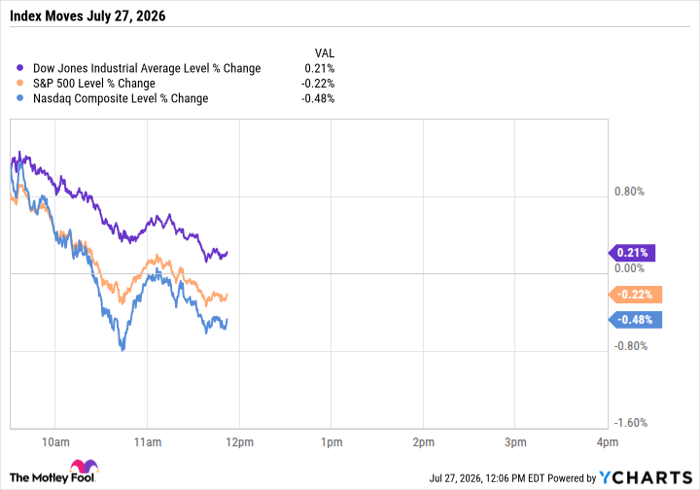
Brent crude oil prices declined sharply by over 7% during recent overnight U.S. market trading, driven by mixed equity performance and geopolitical developments surrounding potential Iran nuclear negotiations. President Trump's stated willingness to reach a new agreement with Iran signals reduced geopolitical risk premiums in energy markets, creating a critical window for cross-border e-commerce sellers to optimize logistics costs.
For cross-border sellers, this 7% crude oil drop translates directly into 5-8% reductions in freight costs across major shipping corridors within 2-4 weeks, as fuel surcharges on ocean freight and air cargo decline. High-volume sellers shipping 1,000+ units monthly to North America, Europe, or Southeast Asia can expect immediate savings of $200-600 per shipment. This cost relief is particularly valuable for sellers in electronics, home goods, and apparel categories where logistics represent 12-18% of COGS. Sellers using 3PL providers like Flexport, DHL, or FedEx should negotiate rate reductions immediately, as fuel surcharges typically lag crude prices by 1-2 weeks.
However, the mixed equity market performance signals broader economic uncertainty that could offset logistics savings through reduced consumer demand. The geopolitical dimension—potential Iran negotiations—carries indirect but significant implications for supply chain stability. Sellers relying on imports from Vietnam, India, or Bangladesh face potential supply chain disruptions if Middle East tensions escalate, while those exporting to Iran-adjacent markets (UAE, Saudi Arabia, Kuwait) should monitor sanctions compliance requirements. The current diplomatic window may be temporary; if negotiations stall, crude prices could spike 10-15%, erasing logistics savings and compressing margins by 3-5%.
Strategic timing is critical: Sellers should lock in freight rates with 3PL providers within the next 2-3 weeks while fuel surcharges remain depressed. This creates a 30-45 day window to reduce inventory carrying costs and improve cash flow before potential price volatility returns. Simultaneously, monitor geopolitical developments through trade policy tracking platforms (TradeKey, Tariff Guru) to anticipate supply chain risks. The mixed market sentiment suggests consumer spending may weaken, so sellers should balance logistics cost optimization with inventory reduction strategies to avoid excess stock in Q1 2025.
Questions 7
How should sellers adjust inventory strategy given mixed equity market signals?
The mixed equity market performance suggests consumer spending may weaken in Q1 2025, despite logistics cost relief. Sellers should adopt a balanced approach: (1) Reduce inventory carrying costs by negotiating lower 3PL storage fees (typically 5-10% negotiable), (2) Increase order frequency from suppliers to reduce per-unit inventory while capturing lower freight rates, (3) Focus on fast-moving SKUs with 30-45 day inventory turns rather than slow-moving items. Avoid over-ordering to exploit low freight costs—excess inventory ties up capital and increases storage fees. Monitor consumer spending indicators weekly through Amazon Best Seller Rank trends and eBay sales velocity metrics to adjust strategy if demand weakens.
Should sellers lock in freight rates now or wait for further crude price declines?
Lock in rates immediately for 60-90 day contracts. While crude prices could decline further, the geopolitical window is narrow—Iran negotiations could stall, causing prices to spike 10-15% within weeks. A 60-day fixed rate contract at current levels provides downside protection and captures 70-80% of potential savings. Avoid long-term (6-12 month) contracts unless rates are exceptionally low, as crude volatility could create opportunity costs. Negotiate with 3PL providers for tiered pricing: fixed base rates + fuel surcharge caps. This strategy balances cost optimization with flexibility to adjust if market conditions change.