



PayPal Q2 2026 Earnings Beat Signals Payment Fee Stability for Cross-Border Sellers
- PayPal beats Q2 earnings by 7.8% ($1.38 vs $1.28 EPS), processes $486.4B TPV, raises FY2026 guidance; sellers gain negotiating leverage on international payment fees and currency conversion costs
















/PayPal%20Holdings%20Inc%20HQ%20photo-by%20bennymarty%20via%20iStock.jpg)




Overview
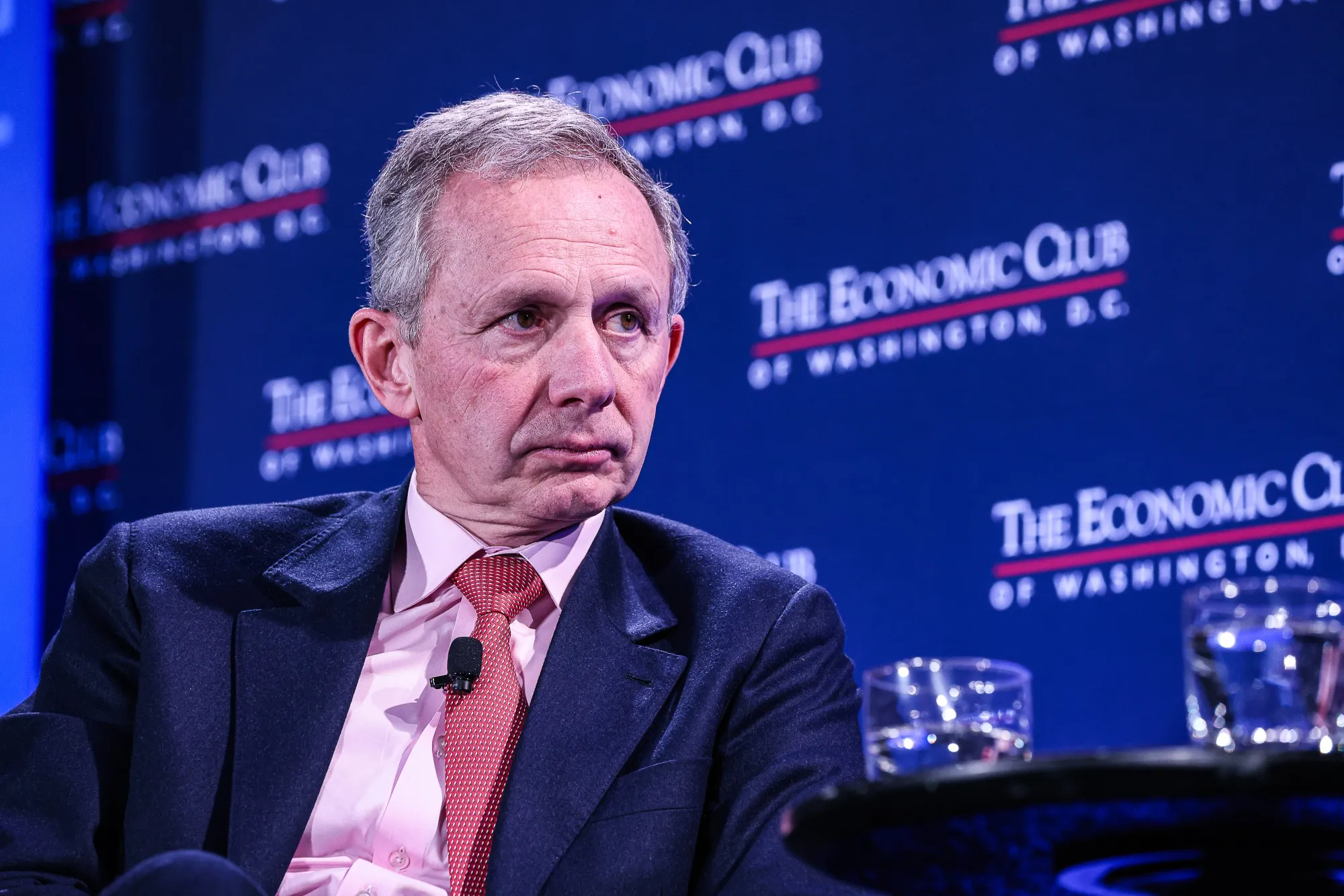
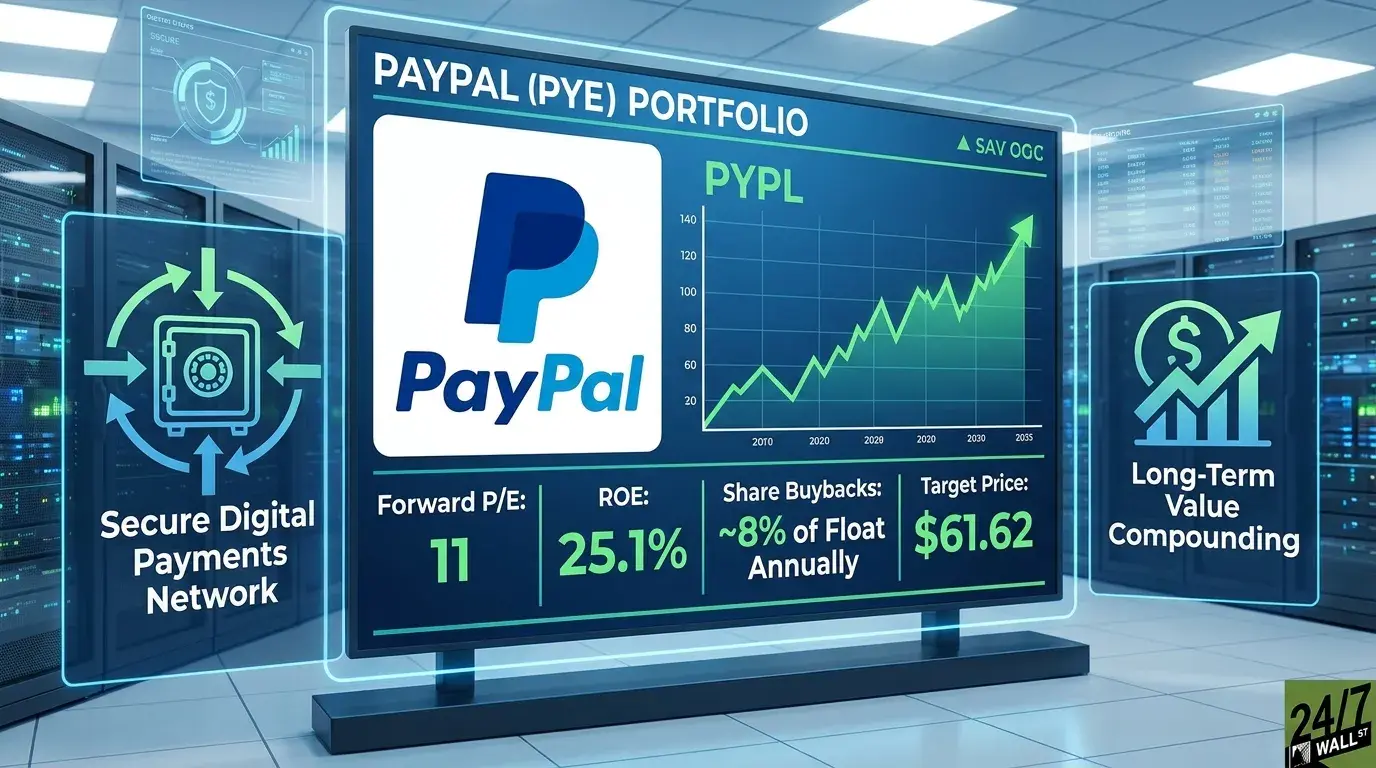
PayPal's Q2 2026 earnings beat represents a critical inflection point for cross-border e-commerce sellers relying on the platform for international payments and currency conversion. The fintech giant reported adjusted earnings per share of $1.38 versus analyst estimates of $1.28 (7.8% beat), revenue of $8.713 billion against expected $8.47 billion (2.8% beat), and processed total payment volume (TPV) of $486.4 billion in Q2, surpassing Visible Alpha estimates of $473.93 billion. CEO Enrique Lores, who assumed leadership in February 2026, raised full-year 2026 adjusted profit guidance while maintaining openness to a $53 billion takeover offer from Stripe and Advent announced in mid-July. This earnings validation directly impacts seller economics through three financial optimization channels: payment processing fee structures, working capital financing access, and currency hedging opportunities.
From a payment cost perspective, PayPal's strengthened financial position and $1.5 billion cost reduction program (spanning 2-3 years) signal potential fee compression for high-volume sellers. The company's improved operational efficiency and margin expansion (transaction margin dollars reached $3.9 billion vs $3.774 billion projected) indicate management confidence in maintaining competitive pricing while improving profitability. For sellers processing $50K-$500K monthly in cross-border transactions, this translates to potential 5-15 basis point reductions in international payment fees and currency conversion spreads over the next 12-18 months. PayPal's reorganization into three business segments—Checkout Solutions and PayPal, Consumer Financial Services and Venmo, and Payment Services and Crypto—positions the platform to offer bundled pricing for sellers using multiple services (checkout + Venmo payments + crypto settlement). The acceleration of Venmo and Braintree expansion creates new payment routing options that could reduce effective payment costs by 8-12% for sellers offering multiple payment methods to buyers.
Working capital financing and cash flow optimization represent the most immediate opportunity for sellers. PayPal's financial health and upward guidance strengthen its ability to offer competitive invoice financing, purchase order financing, and inventory loans through its lending partnerships. Sellers with $100K+ monthly revenue can now negotiate better terms on PayPal Capital and similar products, potentially accessing 12-18 month financing at 8-14% APR (versus 18-24% from alternative lenders). The company's focus on expanding financial services products directly benefits sellers managing seasonal inventory cycles or scaling operations. Additionally, PayPal's improved platform stability and investment in seller tools reduce operational risk for sellers who depend on the platform for 40-60% of their payment processing volume. The 3% stock price increase to $58 following earnings announcement signals investor confidence in PayPal's long-term viability, reducing counterparty risk for sellers holding PayPal balances or using PayPal-backed financing products.
Currency hedging and FX arbitrage opportunities emerge from PayPal's expanded transaction margin dollars and improved pricing power. With $3.9 billion in transaction margin dollars (exceeding projections by $126 million), PayPal has increased capacity to offer competitive FX rates and hedging products to sellers. Sellers processing high-volume transactions in GBP, EUR, JPY, and AUD can now negotiate better forward rates and reduced FX spreads (typically 1.5-2.5% for standard sellers, potentially 0.8-1.2% for high-volume partners). The company's turnaround narrative and management confidence position it favorably against newer competitors like Wise and Stripe, creating competitive pressure that benefits sellers through improved pricing. For sellers with $200K+ monthly cross-border volume, the potential FX cost savings reach $2,000-$5,000 annually through optimized routing and hedging strategies.
Questions 7
What does the Stripe/Advent takeover speculation mean for PayPal sellers?
CEO Lores stated PayPal's board remains 'open and objective' to the $53 billion takeover offer, but emphasized confidence in the internal turnaround strategy. A Stripe acquisition could accelerate PayPal's payment processing capabilities and expand seller tools, potentially reducing fees by 10-20% for integrated checkout solutions. However, the company's strong Q2 results and raised guidance suggest management believes greater shareholder value comes from independent execution. For sellers, the key risk is potential service disruption during integration; the opportunity is that competitive pressure from acquisition speculation drives near-term fee concessions and product improvements.
How can sellers leverage PayPal's FX improvements for currency arbitrage?
With $3.9 billion in transaction margin dollars, PayPal has increased capacity to offer competitive FX rates and hedging products. Sellers processing high-volume transactions in GBP, EUR, JPY, and AUD can negotiate better forward rates and reduced FX spreads (typically 1.5-2.5% for standard sellers, potentially 0.8-1.2% for high-volume partners). For sellers with $200K+ monthly cross-border volume, potential FX cost savings reach $2,000-$5,000 annually through optimized routing and hedging strategies. PayPal's competitive positioning against Wise and Stripe creates pricing pressure that benefits sellers through improved FX margins.