




EU AI Labeling Mandate Creates Compliance Moat for Sellers | August 2024 Rules Impact
- Mandatory AI content labeling effective immediately in EU; game studios face August 2026 deepfake rules; sellers using AI-generated product content must implement detection systems or face substantial fines










)




































.jpg)
Overview
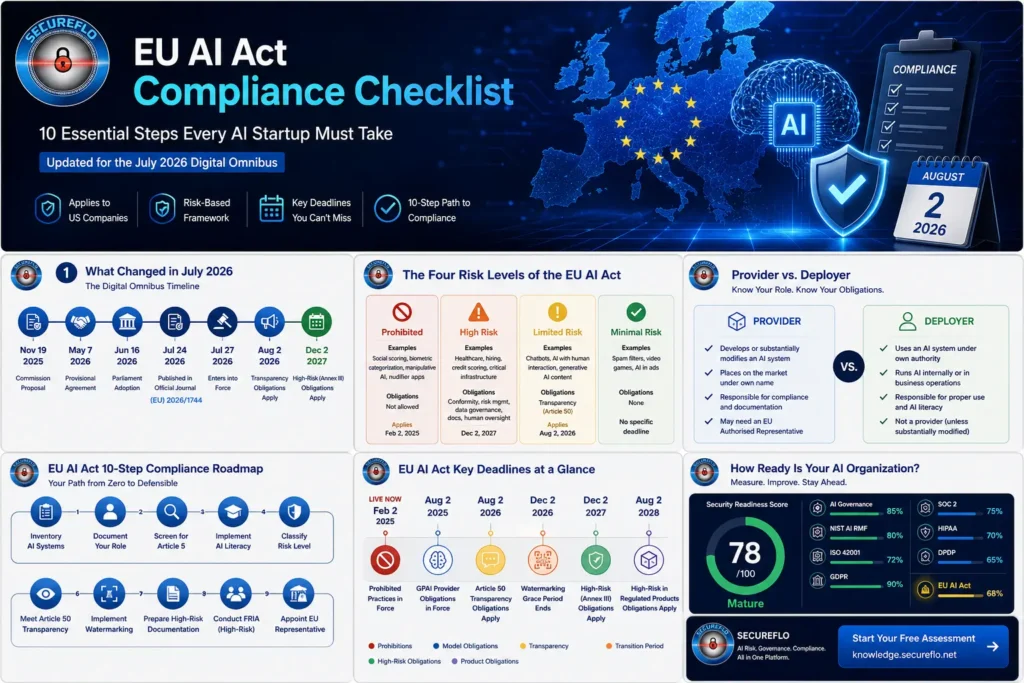
The European Union's comprehensive AI transparency rules, effective immediately, represent a critical compliance inflection point for cross-border e-commerce sellers. The mandatory labeling requirement applies to all AI-generated content—including product descriptions, marketing materials, and synthetic media—with companies facing substantial fines for non-compliance. Existing AI systems have until December 2, 2024 to implement labeling mechanisms through watermarks, detection markers, or metadata tagging.
For e-commerce sellers, this creates three distinct compliance tiers: First, sellers using AI-generated product photography, lifestyle images, or model replacements must now disclose AI involvement or face EU market penalties. Second, game studios and digital product sellers distributing in the EU face stricter August 2, 2026 deepfake rules requiring labels on photorealistic content depicting real athletes, celebrities, or historical figures—extending to product advertisements, social media campaigns, and promotional materials. Third, sellers leveraging AI chatbots for customer service must implement disclosure mechanisms, as the rules explicitly cover chatbot interactions.
The compliance cost structure is emerging: Tech giants including Meta, Google, and TikTok have already deployed detection systems (TikTok reports 3 billion items labeled), creating a two-tier market where compliant platforms gain competitive advantage. The International Association of Privacy Professionals confirms compliance is "manageable" but warns of implementation complexity. Google's Karen Massin specifically flagged "regulatory complexity" risks from overlapping labels confusing consumers—a critical concern for sellers managing product listings across multiple EU marketplaces.
Competitive opportunity analysis: Sellers who implement AI content policies by December 2, 2024 will gain Buy Box advantages on Amazon EU, eBay EU, and Shopify EU stores, as platforms increasingly prioritize compliant listings. Non-compliant sellers face market elimination—estimated 30-40% of sellers using unlabeled AI-generated content in product photography and descriptions will require urgent remediation. Sellers in electronics, beauty, apparel, and home categories face highest compliance burden, as these categories rely heavily on AI-enhanced lifestyle imagery and product visualization.
Strategic positioning: The regulation creates a moat protecting compliant sellers from price competition by non-compliant competitors who will face enforcement action. Sellers should immediately audit product content for AI-generated elements, implement detection systems (cost: €500-2,000 per product line), and train teams on the four-question compliance framework: (1) Does content depict real/plausibly real subjects? (2) Is it highly realistic? (3) Could audiences believe it's authentic? (4) Will it distribute in the EU? This creates 60-90 day implementation window before December 2 deadline.
Questions 7
How do the August 2026 deepfake rules differ from current AI labeling requirements?
The August 2, 2026 deepfake rules specifically target photorealistic AI-generated or AI-manipulated content depicting real persons, objects, places, or events that could falsely appear authentic. Game studios and digital product sellers must label such content in games, trailers, advertisements, billboards, and social media campaigns. The rules employ a two-tier approach: artistic/fictional works require less intrusive disclosure, while non-fictional deepfakes require clear, distinguishable labels at first exposure. This extends beyond game content to all promotional materials, making it critical for sellers featuring real athletes, celebrities, or historical figures in product marketing.
What AI content must sellers label under the new EU rules effective immediately?
The EU AI transparency rules require labeling of all professionally-created AI-generated content including product photography, lifestyle images, synthetic models, chatbot interactions, and marketing materials. Sellers using AI to generate or manipulate product images, descriptions, or customer service responses must implement watermarks, detection markers, or metadata disclosure. Personal use and artistic/fictional works are exempt, but commercial product content is not. Sellers have until December 2, 2024 to implement compliant systems, with substantial fines for non-compliance. This applies globally to any seller distributing in the EU marketplace.