




US Connected Vehicle Ban Reshapes Auto Supply Chain | Tariff Arbitrage & Sourcing Opportunities for Sellers
- Senate legislation mandates 15% Chinese ownership divestment by 2032; creates $5,000+ vehicle cost increases and domestic battery sourcing boom; opens opportunities for automotive parts, EV components, and logistics sellers











Overview
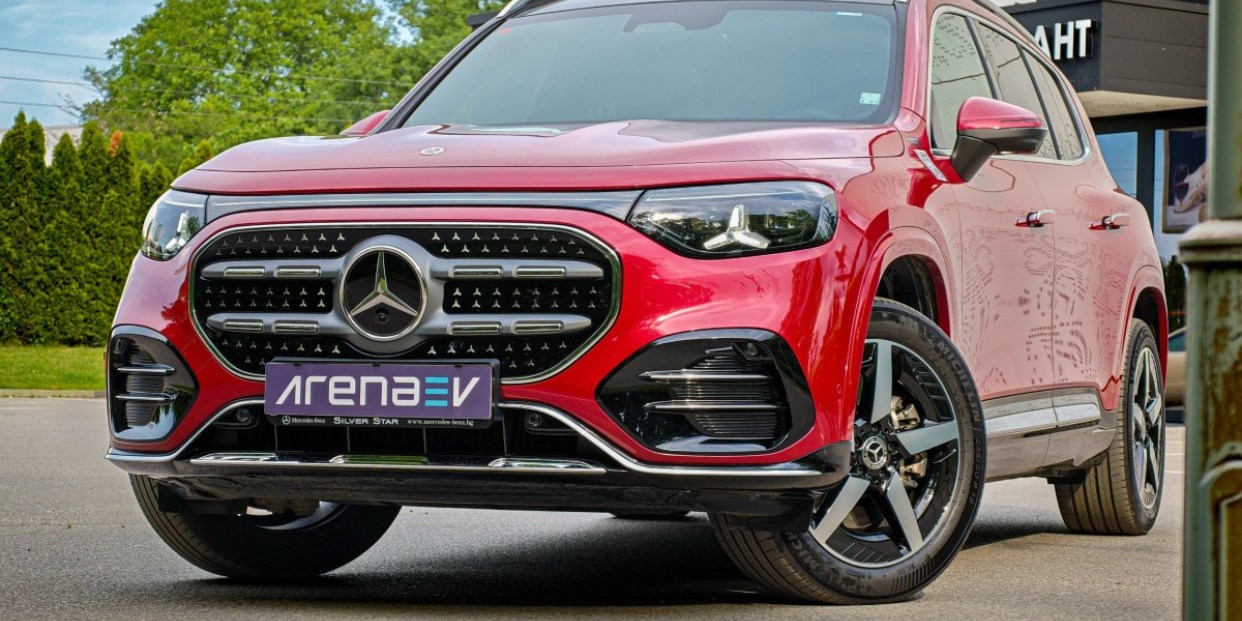
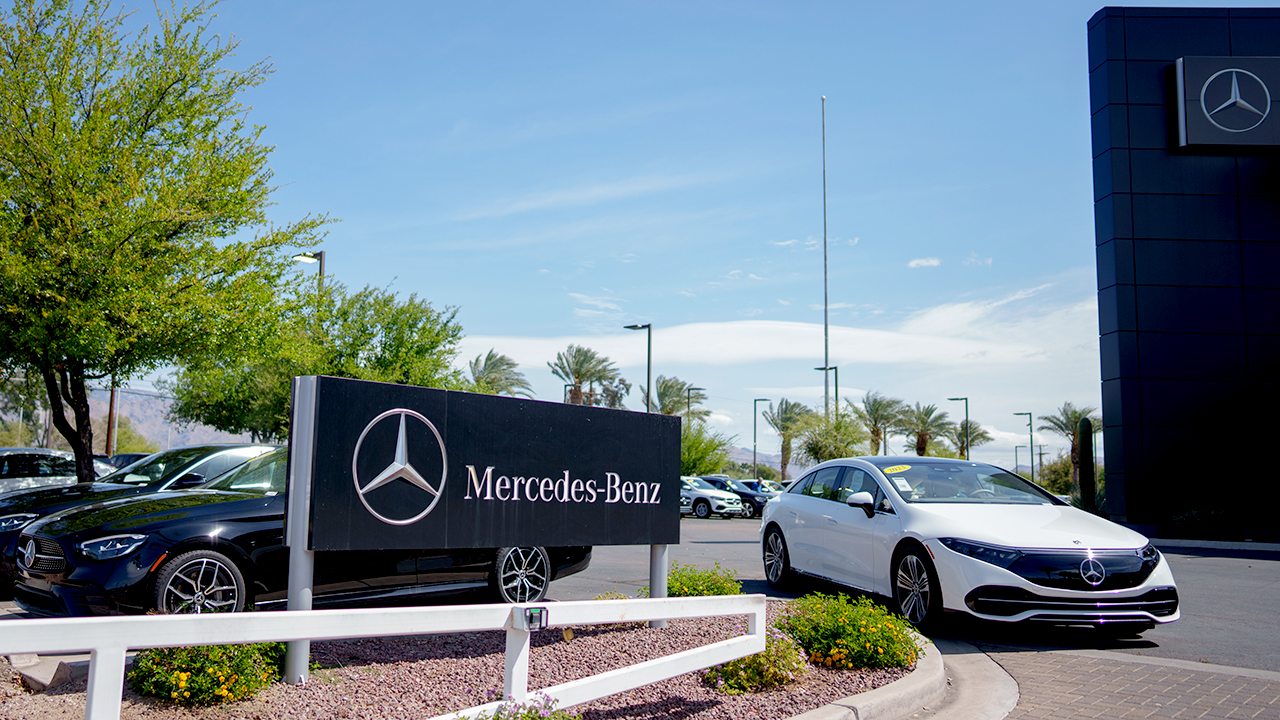
The Connected Vehicle Security Act, approved by the US Senate Commerce Committee in April 2026, represents a watershed moment in US-China trade policy with cascading implications for cross-border sellers. The bipartisan legislation mandates that automakers with more than 15% ownership from China, Russia, Iran, or North Korea must divest or exit the US market by 2032. Polestar (wholly owned by Geely) has already been banned as of 2027, while Mercedes-Benz, Lotus, and Volvo face potential restrictions despite significant US manufacturing operations. This policy codifies the Connected Vehicle Security Rules implemented January 2025, which classify Chinese-controlled vehicles as national security threats due to data collection capabilities.
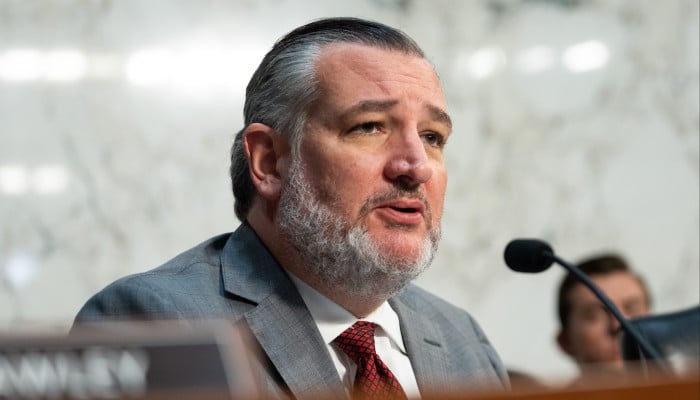
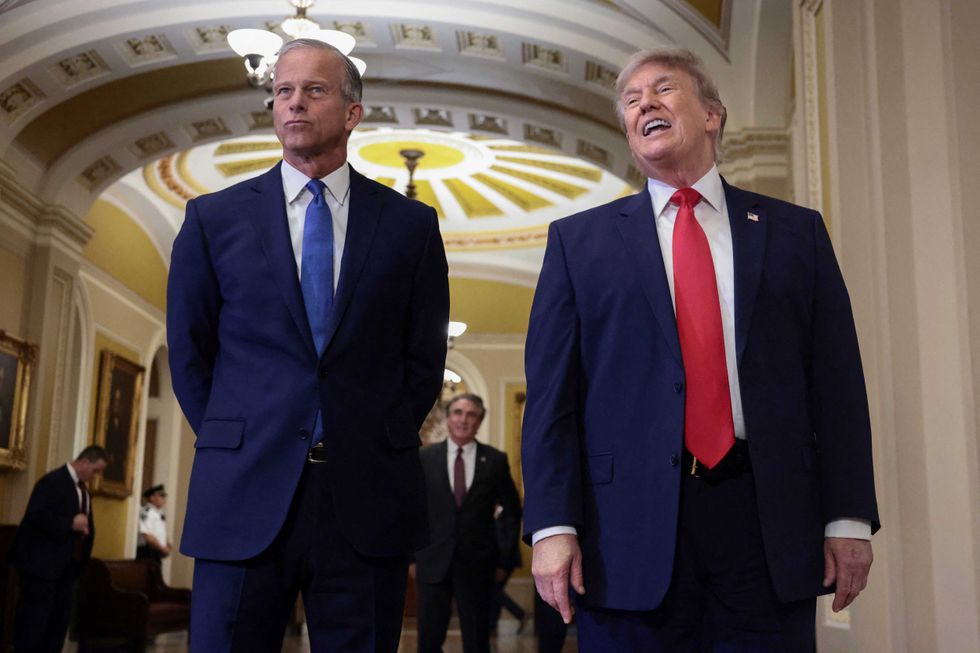
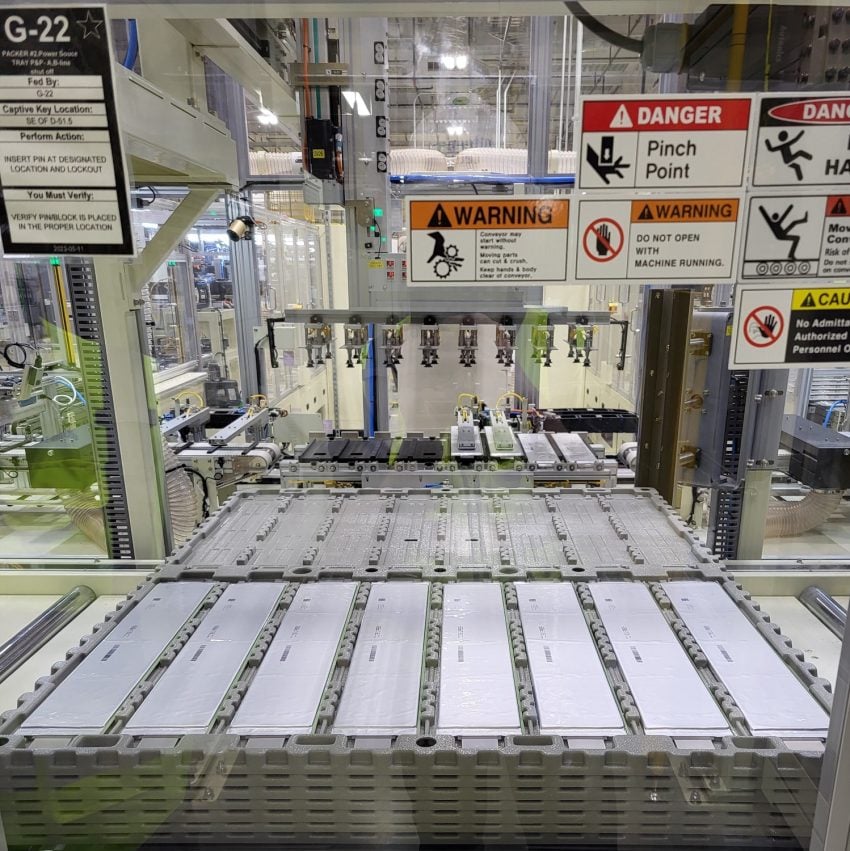
For cross-border sellers, this creates three distinct opportunity windows: First, the domestic battery manufacturing boom—Senator Ted Cruz warned the legislation could increase vehicle prices by $5,000 due to forced domestic sourcing, signaling massive demand for US-based battery components, thermal management systems, and EV charging infrastructure. General Motors, Ford, and Toyota have already committed to US battery manufacturing investments, creating supply chain gaps that sellers can fill through component sourcing and logistics services. Second, automotive parts and components sourcing shifts—the ban on "Chinese-origin vehicles, software, and key components at every production and sales stage" creates immediate demand for alternative suppliers in Vietnam, India, and Mexico, opening arbitrage opportunities for sellers who can facilitate sourcing transitions. Third, aftermarket and connected vehicle security products—as manufacturers retrofit vehicles to comply with data security requirements, demand surges for cybersecurity solutions, data encryption modules, and vehicle software updates that sellers can distribute through B2B channels.
The compliance timeline is critical: Manufacturers have until 2032 to restructure, but the immediate impact begins now. Mercedes-Benz operates major assembly plants in Alabama and South Carolina employing 34,500 workers and has produced 5+ million US vehicles since 1997, yet faces restrictions due to two Chinese investors holding nearly 20% ownership. This creates a Commerce Department waiver opportunity—companies can seek exemptions, meaning sellers offering compliance consulting, documentation services, and regulatory navigation tools have immediate demand. The legislation requires Senate and House approval plus presidential signature, but momentum is strong with bipartisan support from Senators Slotkin (D-Michigan) and Moreno (R-Ohio). Tariff arbitrage emerges as sellers can source components from non-restricted countries (Vietnam, India, Mexico) at lower costs than domestic alternatives, then supply US manufacturers facing domestic-only sourcing mandates. This creates a 2-3 year window before 2032 compliance deadlines force permanent supply chain restructuring.
Questions 8
What sourcing countries benefit most from the Chinese automaker ban?
Vietnam, India, and Mexico emerge as the primary beneficiary countries as US automakers are forced to source components from non-restricted suppliers. The legislation specifically bans Chinese-origin components at every production stage, creating immediate demand for alternative suppliers in these countries. Sellers with established relationships in Vietnam, India, and Mexico automotive supply chains can facilitate sourcing transitions for US manufacturers. Mexico benefits particularly due to USMCA trade agreements, while Vietnam and India offer cost advantages of 15-25% versus domestic US sourcing. Sellers should prioritize building supplier networks in these countries, as the 2032 compliance deadline creates sustained demand for alternative component sourcing over the next 6-8 years.
How does this policy affect Mercedes-Benz and other foreign automakers with US operations?
Mercedes-Benz operates major assembly plants in Alabama and South Carolina employing 34,500 workers and has produced 5+ million US vehicles since 1997, yet faces potential restrictions because two Chinese investors collectively hold nearly 20% ownership. The legislation threatens to shut Mercedes-Benz out of the US market without modifications, according to Senator Ted Cruz. Mercedes-Benz is seeking assurances the legislation won't impact its operations and can pursue Commerce Department waivers. This creates uncertainty for sellers supplying Mercedes-Benz and other affected manufacturers, but also creates opportunities for sellers offering supply chain diversification services, alternative sourcing solutions, and regulatory compliance support. The situation demonstrates that even established foreign manufacturers with significant US operations face restrictions if Chinese ownership exceeds 15%.