


Apple Upgrade Leasing Program | Device-as-Service Reshapes Secondary Market for Sellers
- Apple's $17.99/month iPhone leasing (vs. $42 previous program) disrupts refurbished device market; creates 3 new seller opportunities in accessories, trade-in logistics, and premium device financing










Overview
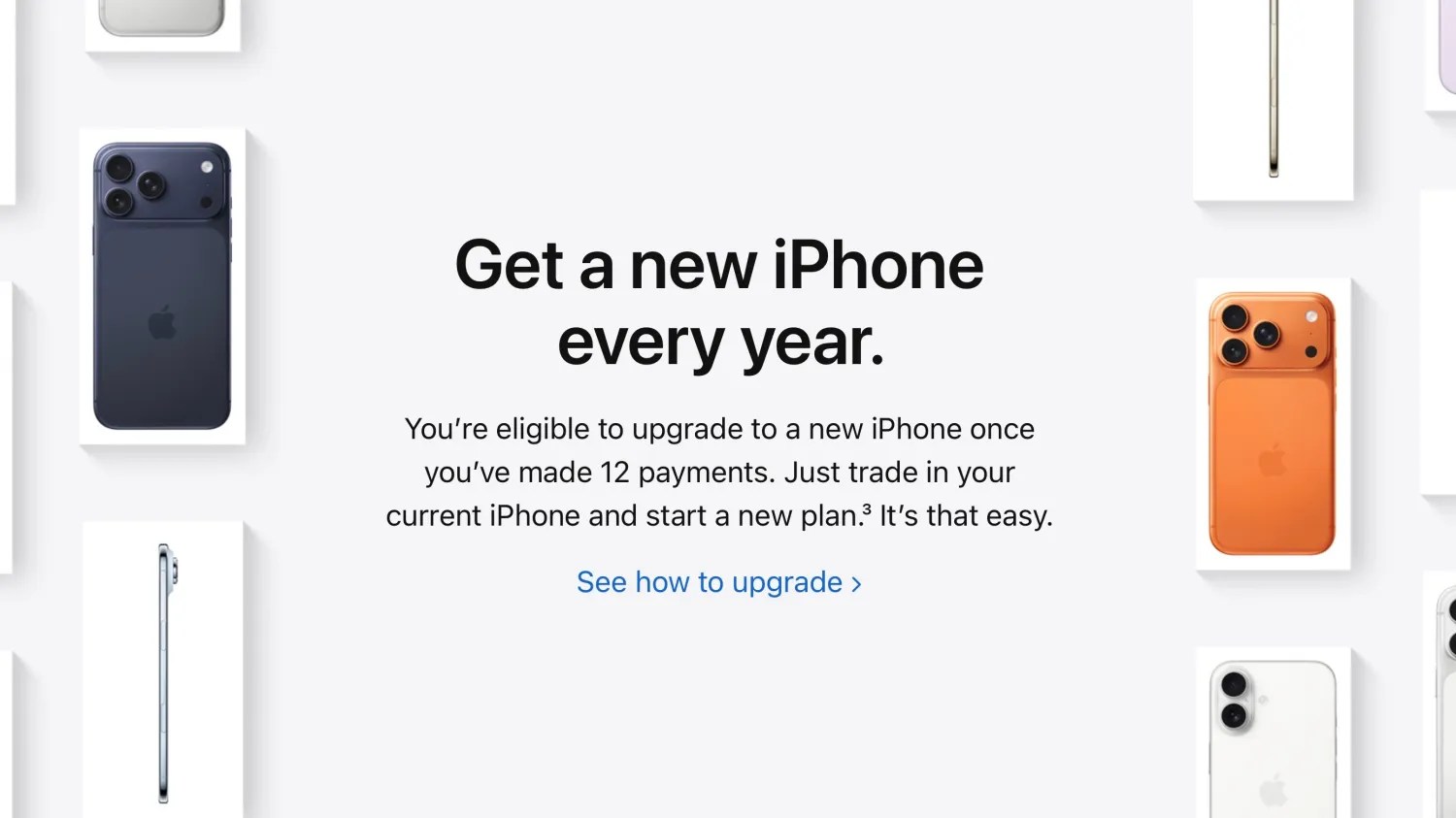
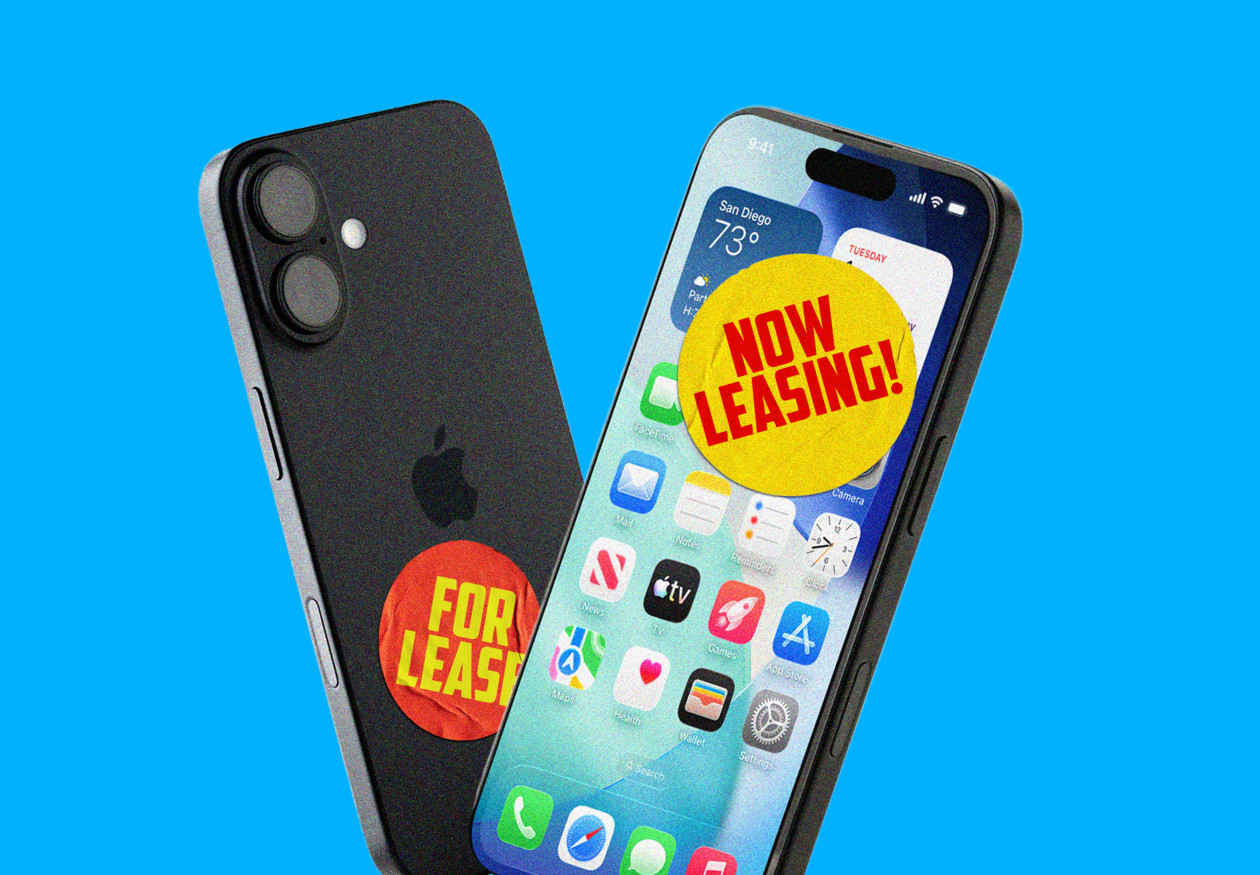
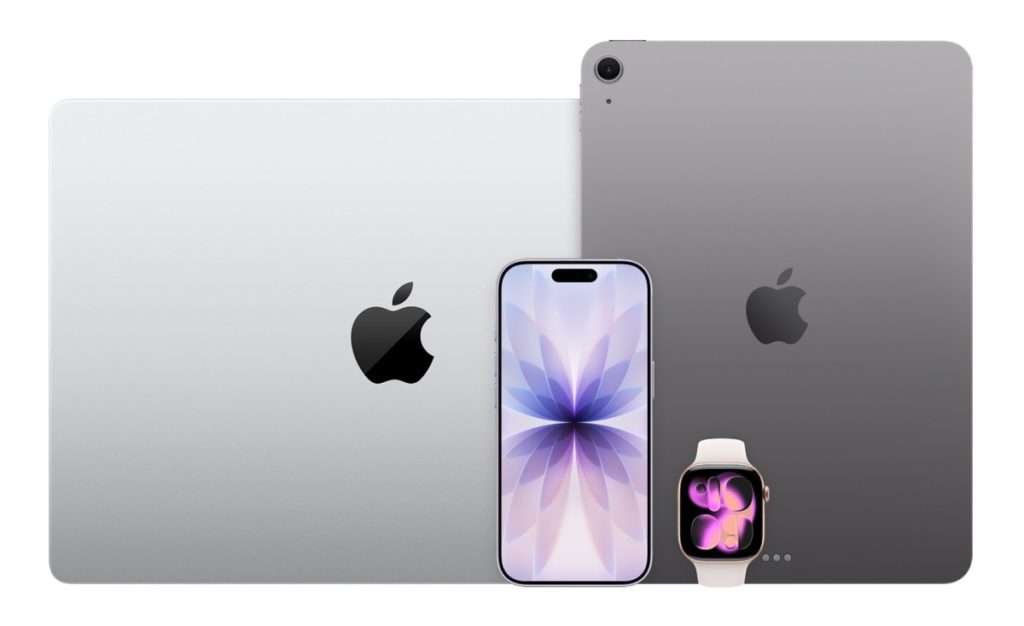
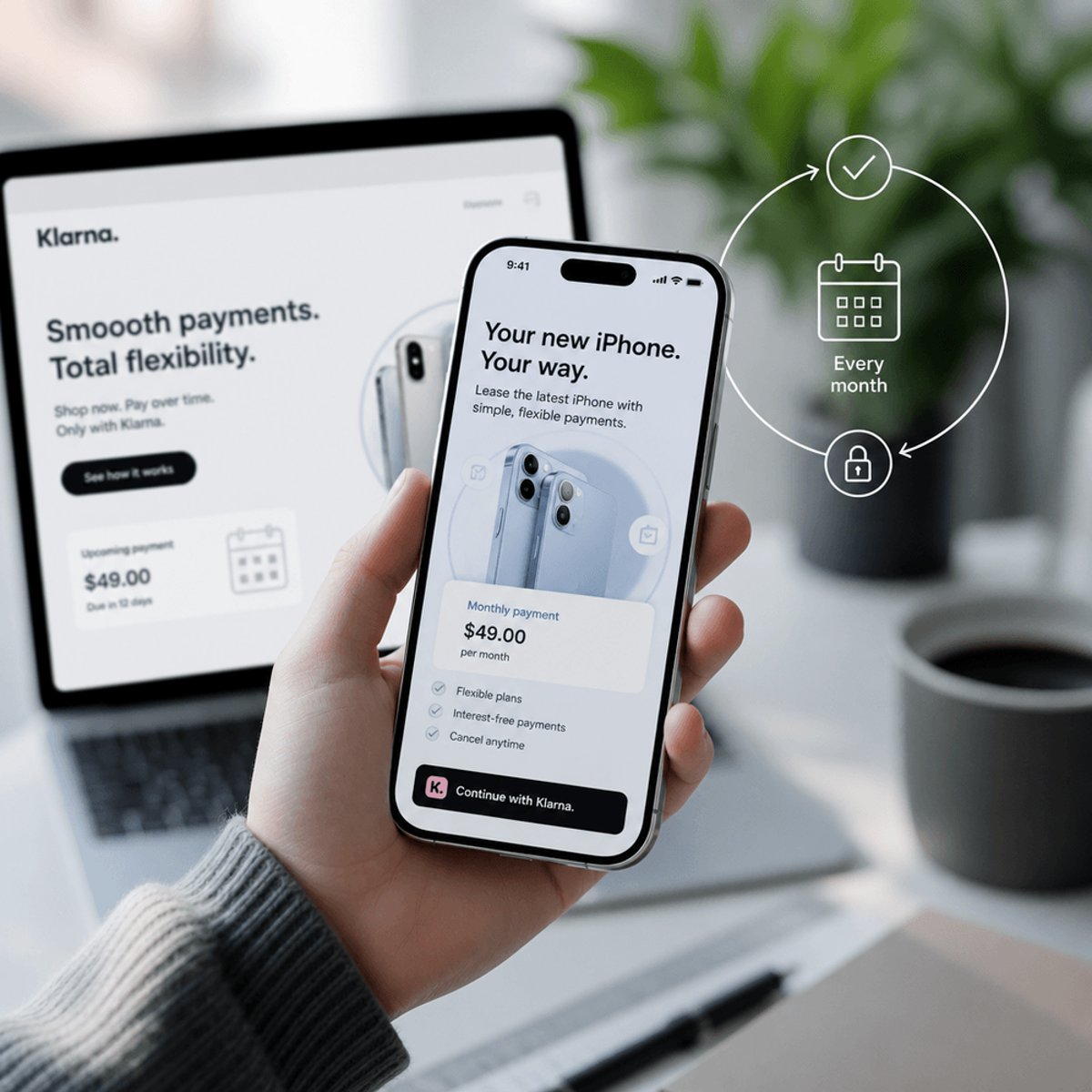
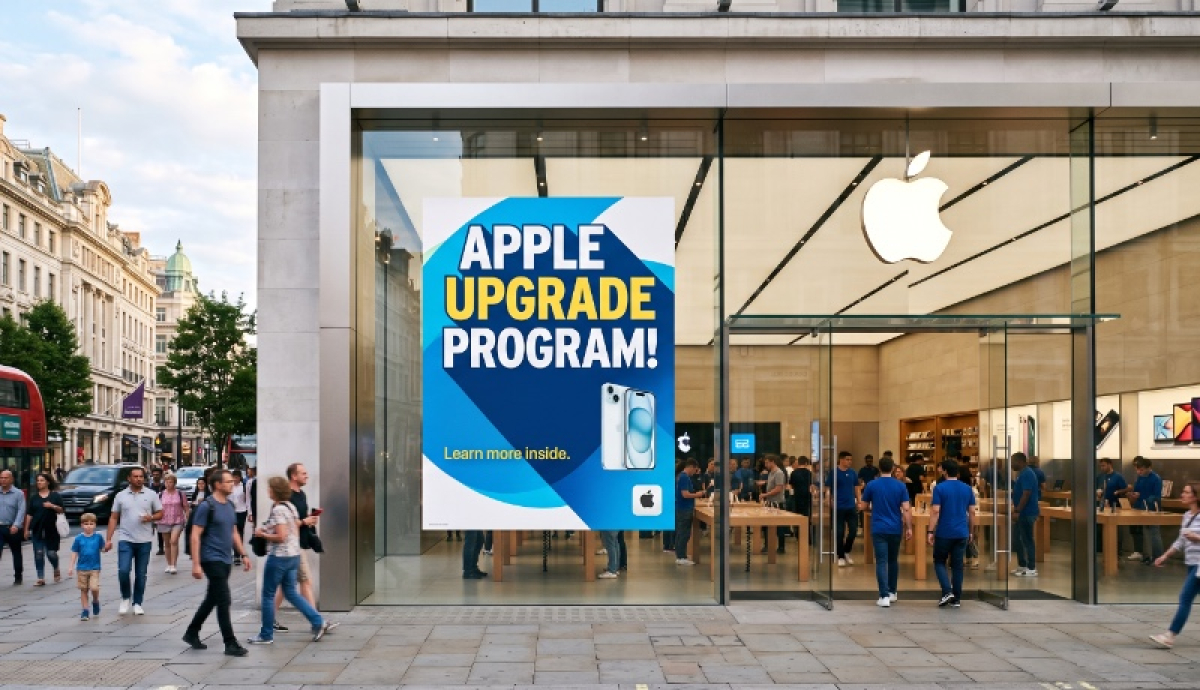
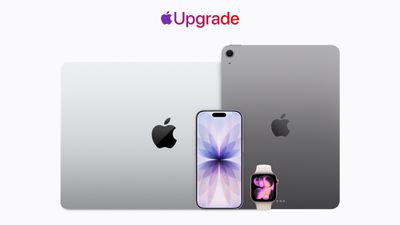
Apple's July 2026 launch of Apple Upgrade—a device leasing program powered by Klarna—fundamentally restructures consumer electronics purchasing behavior and creates immediate challenges and opportunities for third-party sellers. The program offers iPhones starting at $17.99/month (down 57% from the previous $42 iPhone Upgrade Program), Apple Watches at $11.99/month, Macs at $24.99/month, and iPads at $11.99/month with flexible 12-36 month terms. Available exclusively through Apple.com, Apple Store app, and physical retail locations starting July 28-29, 2026, this subscription-based model directly competes with carrier financing and Apple Card Monthly Installments while addressing rising component costs (up to $300 per device) and extended smartphone replacement cycles (currently 22 months vs. historical 18-month upgrade patterns).
The leasing model fundamentally disrupts the secondary refurbished device market where third-party sellers have historically captured 15-20% of smartphone sales volume. News 4 explicitly warns that "the leasing model may reduce demand for refurbished and second-hand Apple devices in the secondary market, as consumers increasingly opt for official leasing arrangements." This directly impacts sellers on Amazon, eBay, and Shopify who specialize in refurbished iPhones, MacBooks, and iPads—categories that generated an estimated $8-12B in annual cross-border e-commerce volume. Sellers holding inventory of iPhone 16, MacBook Neo, iPad A16, and Apple Watch SE face particular pressure, as these entry-level devices are explicitly excluded from the leasing program, potentially flooding the secondary market as consumers trade up to leasable iPhone 17 and newer models.
However, the program creates three distinct seller opportunities: (1) Premium accessory demand surge—leased devices require protective cases, screen protectors, chargers, and AppleCare alternatives, representing a 25-40% margin category; (2) Device return logistics and refurbishment—Apple's circular economy model requires third-party logistics partners and certified refurbishers to process returned devices, creating B2B opportunities for 3PL providers and device reconditioning specialists; (3) Financing gap for excluded devices—iPhone 16, MacBook Neo, and base iPad models excluded from leasing create a financing void that sellers can fill through Klarna, Affirm, or PayPal Credit partnerships on Amazon and Shopify. The timing is critical: with iPhone 18 Pro price increases expected in September 2026 and a rumored foldable device launching at ~$2,500, consumers will increasingly view premium devices as subscription services rather than capital purchases, fundamentally shifting demand from ownership to access-based models.
Questions 7
How should sellers position products to compete with Apple Upgrade's subscription model?
Sellers must reframe value propositions from ownership to access and flexibility. Strategies include: (1) offering device financing through Klarna/Affirm for excluded models, positioning as 'Apple Upgrade alternative' for budget-conscious consumers; (2) bundling refurbished devices with 2-3 year extended warranties and free accessories, matching leasing's peace-of-mind positioning; (3) emphasizing ownership benefits (no credit checks, no return requirements, customization options) for consumers preferring to keep devices; (4) creating 'upgrade paths' where sellers offer trade-in credits toward newer models, mimicking Apple's upgrade flexibility. On Amazon, use A+ content to highlight financing options. On Shopify, integrate Klarna/Affirm checkout to match Apple's frictionless payment experience. Sellers targeting Gen Z (TikTok Shop, Instagram) should emphasize sustainability and circular economy alignment.
What logistics and fulfillment opportunities emerge from Apple's device leasing program?
Apple's circular economy model requires third-party logistics partners to manage device returns, inspection, refurbishment, and redistribution. Opportunities include: (1) 3PL providers offering lease return processing (estimated 2-3M devices annually by 2027), (2) certified device refurbishment services (margin potential 20-30%), (3) reverse logistics networks for trade-in devices. Sellers with existing 3PL relationships should negotiate partnerships with Apple's refurbishment partners (currently unnamed but likely include Brightstar, Assurant, or similar). B2B sellers can target Amazon Business and Shopify Plus merchants offering device financing, creating fulfillment bundles. The program's 24-36 month lease terms mean peak return volumes arrive Q3-Q4 2028, providing 18-24 months to build infrastructure.