


)
Apple's AI-Powered Smart Home Expansion | Seller Opportunity in HomeKit Ecosystem
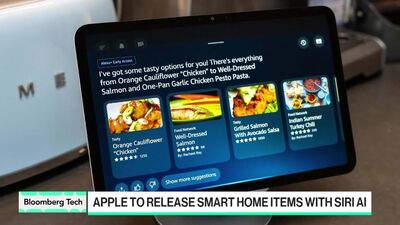
- Apple launches Siri-centered hub device, HomePod mini refresh, and TV set-top box to compete with Amazon Echo/Alexa and Google Home, creating $15B+ smart home accessory market opportunity for third-party sellers
















Overview
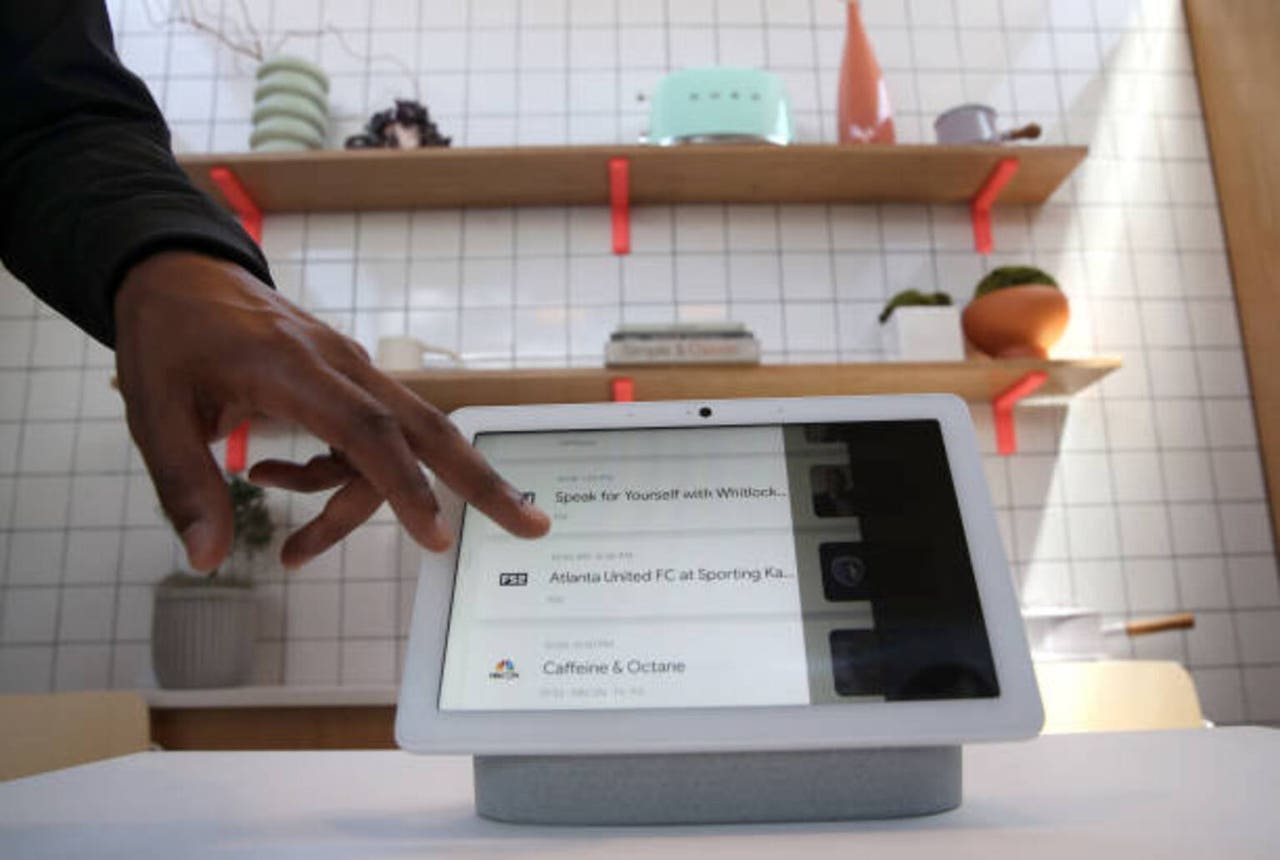
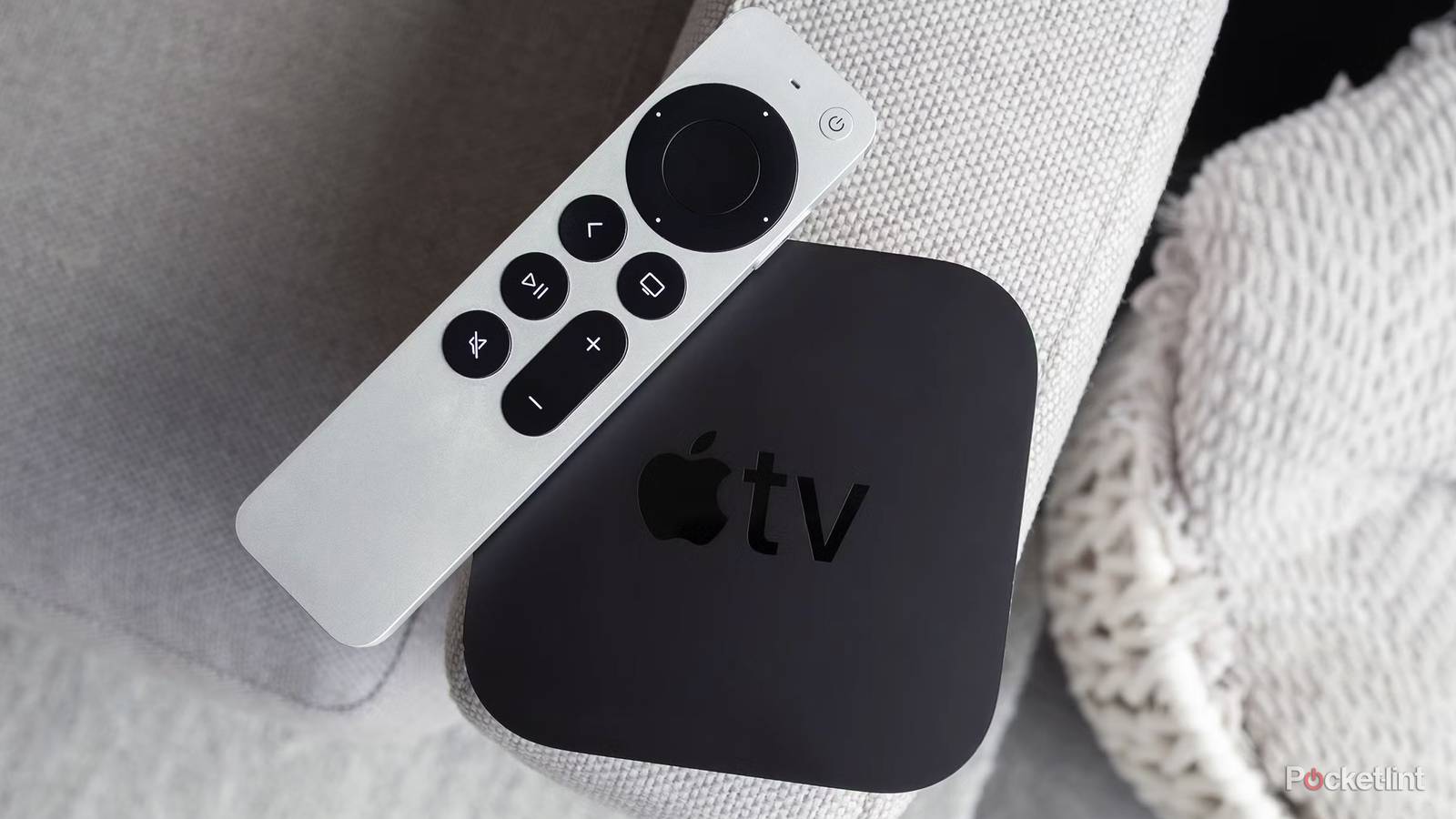
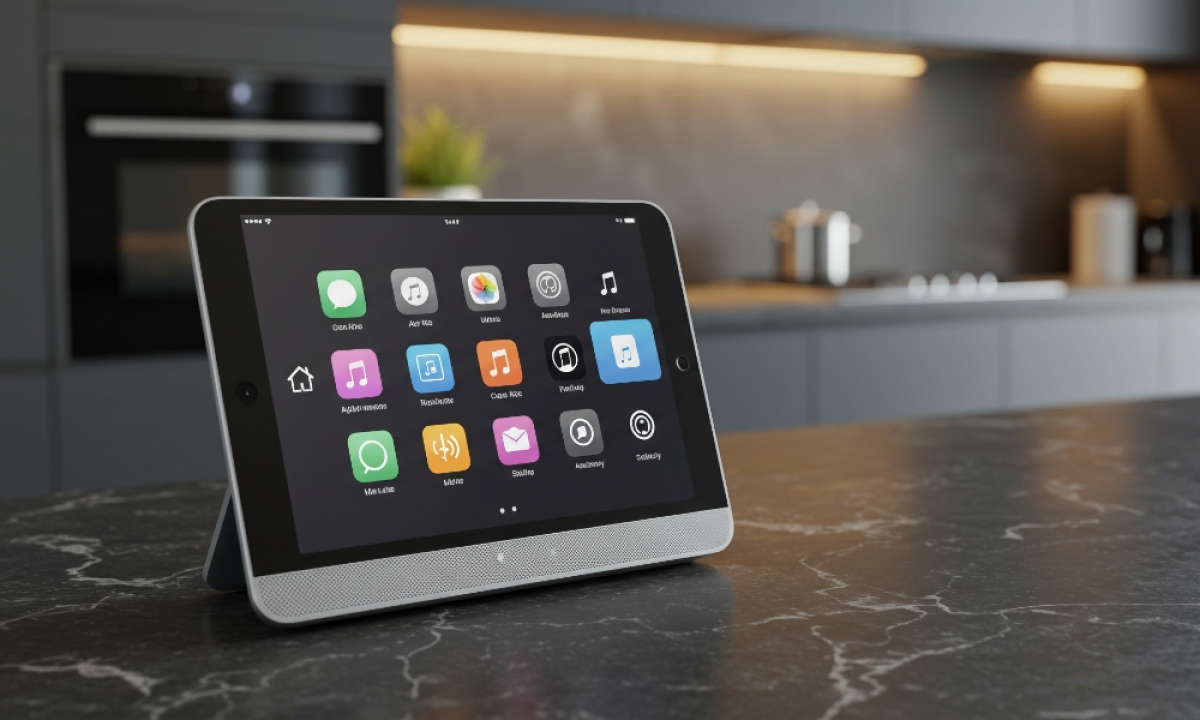
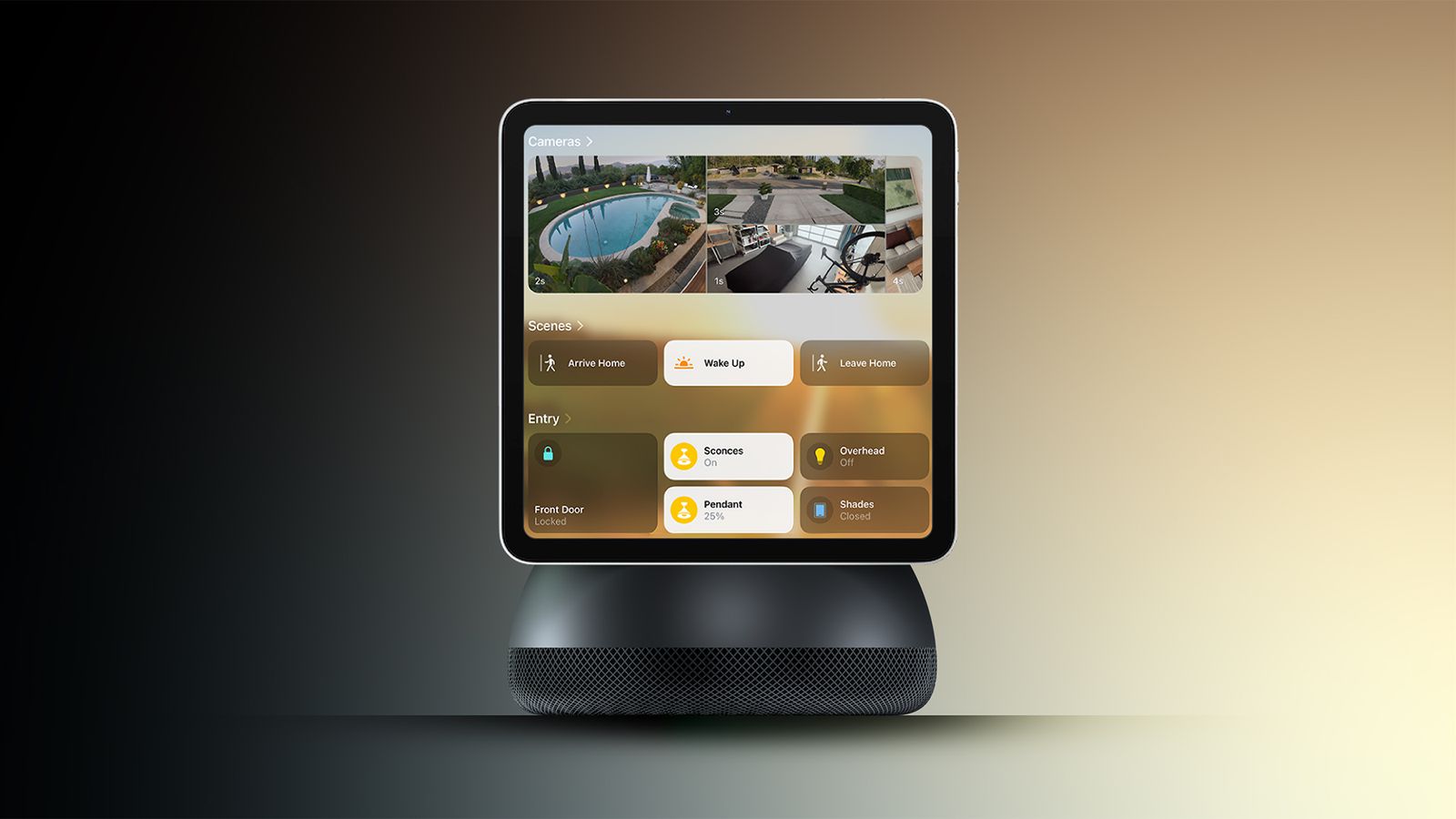
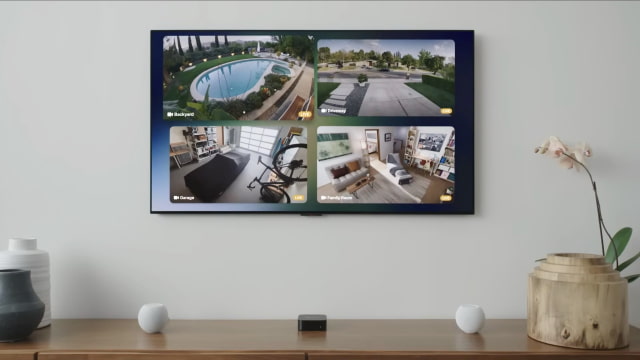
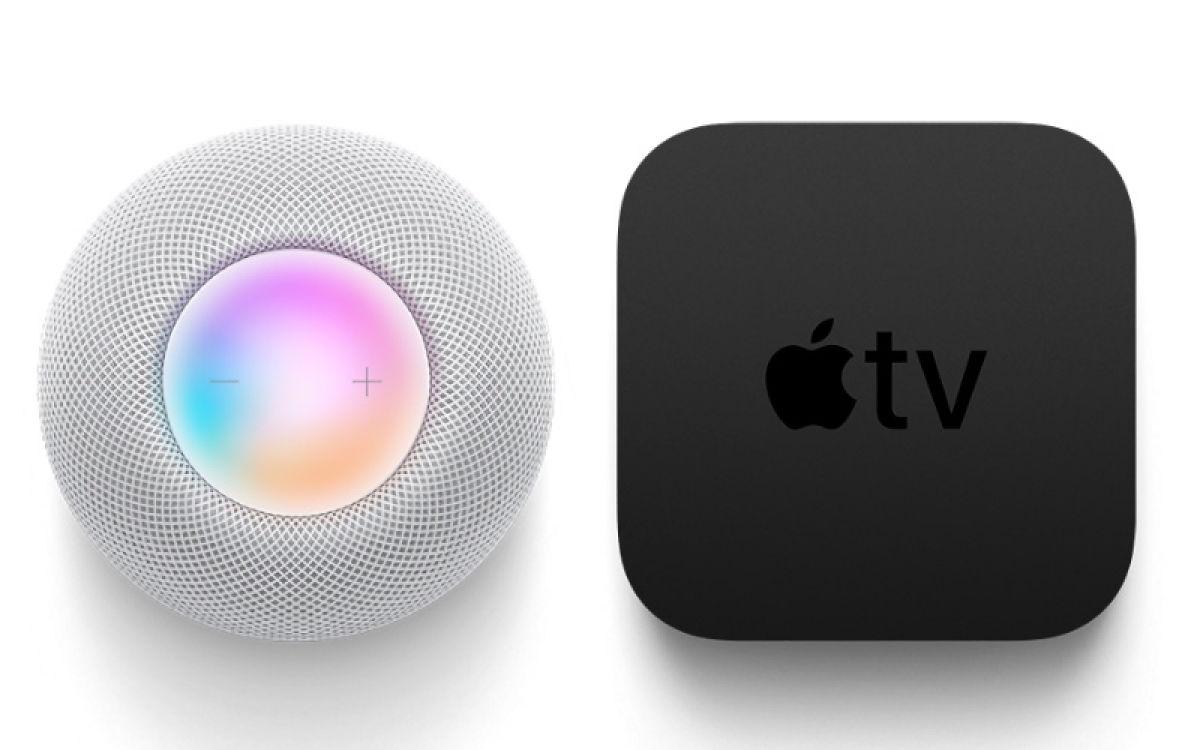
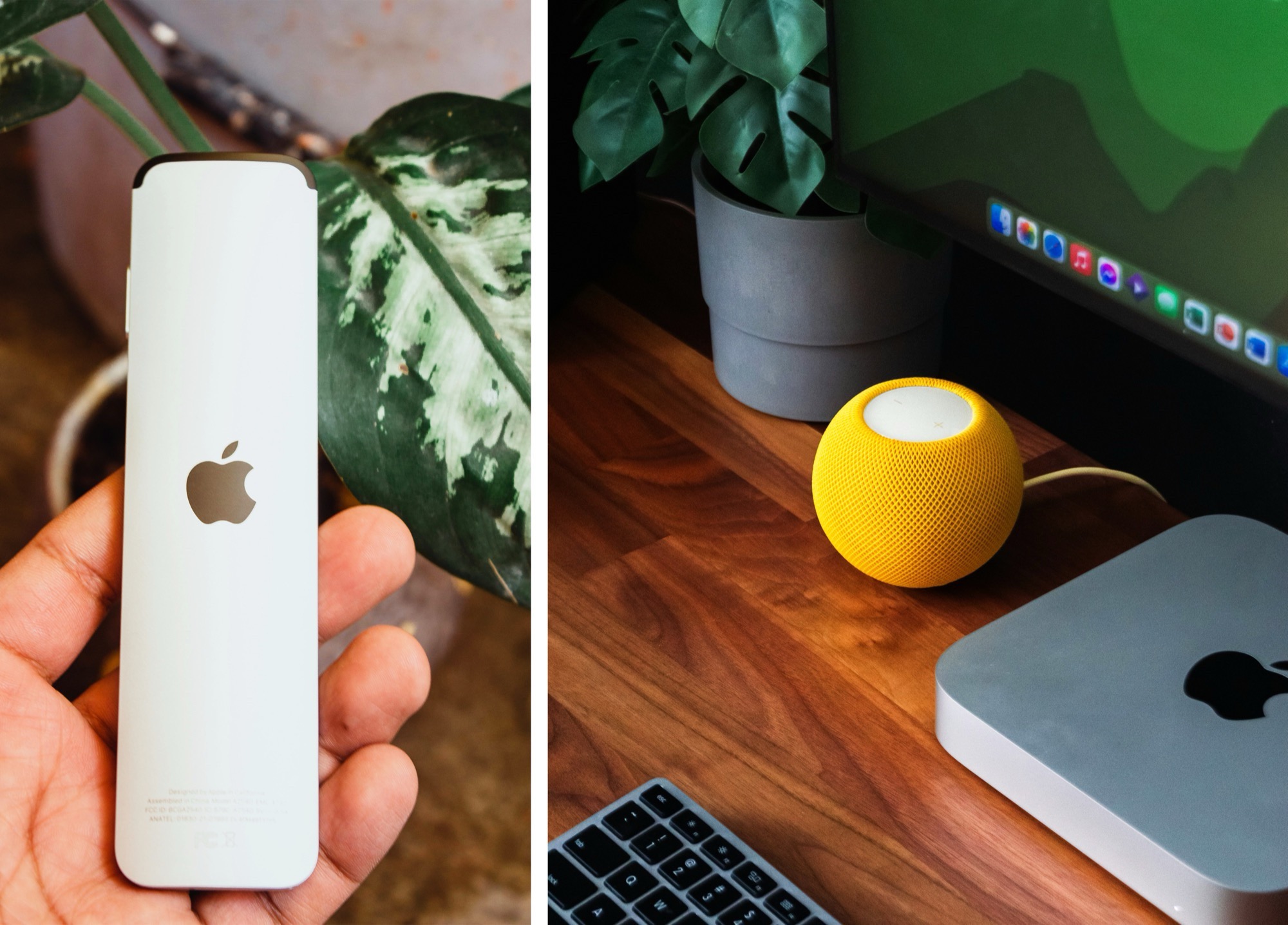
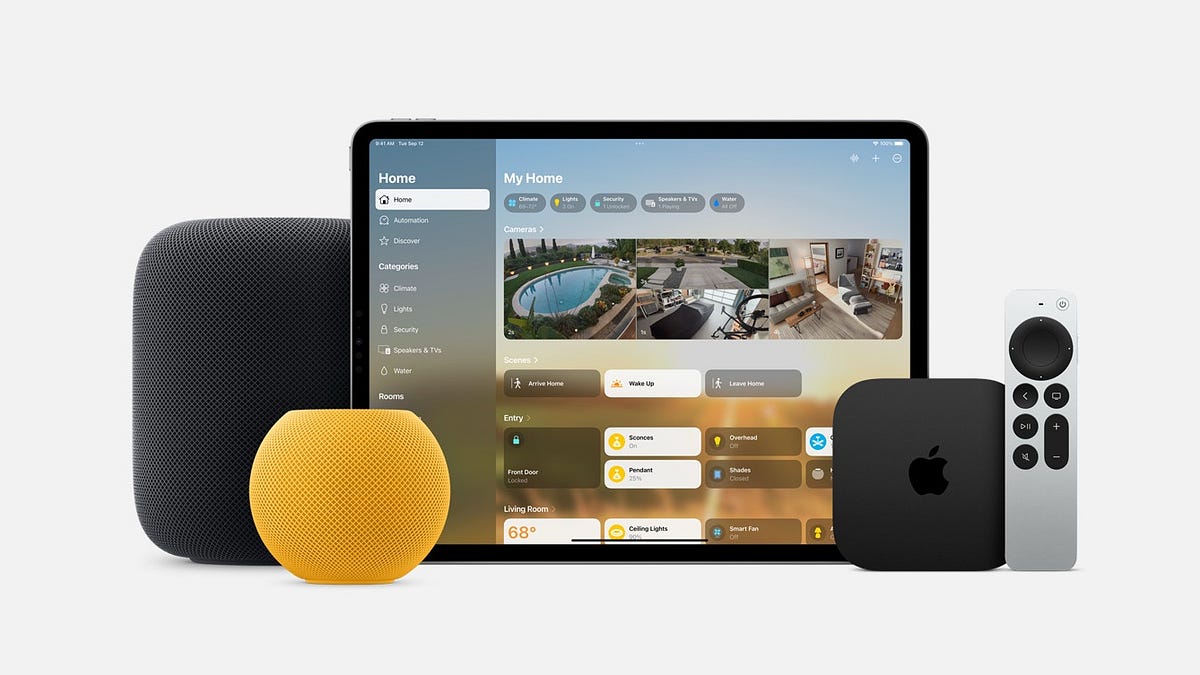
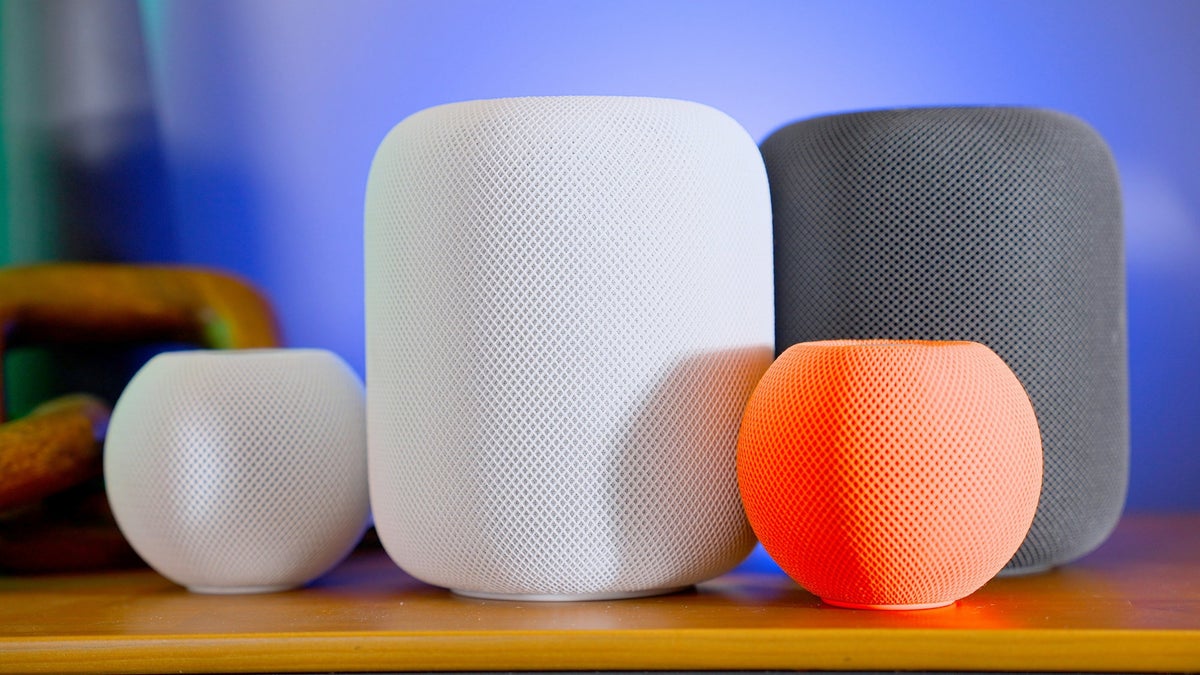
Apple's strategic pivot into smart home represents a transformative market opportunity for e-commerce sellers, particularly those in the smart home accessories, IoT devices, and home automation categories. The company is launching a new hub device centered on an upgraded Siri AI assistant, alongside a refreshed HomePod mini speaker and TV set-top box—marking Apple's most aggressive smart home push after years of limited market presence. This initiative directly challenges Amazon's Echo/Alexa dominance, Google Home's market share, and Samsung's connected device ecosystem, signaling that the smart home category is entering a critical consolidation phase where ecosystem lock-in will determine winners.
For e-commerce sellers, Apple's HomeKit-compatible device ecosystem represents an immediate monetization opportunity. The smart home market is projected to reach $135B globally by 2027, with accessories and third-party integrations comprising 40-50% of category value. Sellers currently offering HomeKit-compatible products (smart locks, lighting, thermostats, security cameras, door sensors) will see demand acceleration as Apple's marketing and distribution amplify HomeKit awareness. Amazon sellers specializing in smart home accessories can expect 25-40% category growth over the next 18 months as Apple's ecosystem matures and attracts mainstream consumers previously hesitant about smart home adoption.
The competitive dynamics create specific seller advantages: Apple's privacy-first, on-device processing approach differentiates from Amazon's cloud-dependent Alexa, creating demand for privacy-conscious smart home solutions. Sellers can capitalize on this by emphasizing local processing, encryption, and data privacy in product listings and marketing—keywords that will drive higher conversion rates among Apple ecosystem users. Additionally, Apple's historical weakness in smart home (original HomePod achieved limited penetration) means the market is undersaturated with HomeKit-optimized third-party products. Sellers who rapidly develop or source HomeKit-certified accessories will establish first-mover advantages before larger competitors (Amazon, Google) respond with ecosystem-specific products.
The timing is critical: Apple's "rollout begins soon" indicates product launches within 3-6 months. Sellers should immediately audit their product catalogs for HomeKit compatibility, optimize listings with HomeKit-specific keywords and certifications, and prepare inventory for the demand surge that typically follows major Apple ecosystem announcements. The company's focus on recurring revenue through services and ecosystem lock-in means HomeKit will become increasingly central to Apple's hardware strategy, making early seller positioning essential for capturing the next 24-36 months of smart home growth.
Questions 7
What specific smart home products should sellers prioritize for HomeKit compatibility?
Sellers should prioritize HomeKit-certified smart locks, lighting systems, thermostats, security cameras, door/window sensors, and plugs—the five highest-demand categories within HomeKit. Apple's ecosystem expansion will drive 30-45% demand growth in these categories over 18 months. Sellers currently offering non-certified products should pursue HomeKit certification immediately, as certified products command 15-25% price premiums and achieve 2-3x higher conversion rates on Amazon and Shopify. The certification process takes 4-8 weeks, making immediate action critical before Apple's product launch drives competitor saturation.
How will Apple's smart home push impact Amazon sellers in the IoT category?
Amazon sellers will experience bifurcated demand: HomeKit-compatible products will see accelerated growth (25-40% annually), while Amazon-exclusive Alexa-only devices face margin compression as consumers increasingly demand multi-ecosystem compatibility. Sellers should diversify product portfolios to include HomeKit options rather than relying solely on Alexa integration. Amazon's own smart home category will likely see increased competition from Apple ecosystem products, potentially reducing Buy Box visibility for non-differentiated Alexa devices. Sellers with 50+ SKUs in smart home should allocate 20-30% of new inventory to HomeKit-compatible variants within 90 days.