


Talc Product Liability Settlement Creates Compliance Opportunity for Alternative Sellers
- J&J's $5.5B settlement signals regulatory risk in talc-based personal care; sellers of compliant alternatives gain competitive moat through safety certification and transparent sourcing










Overview
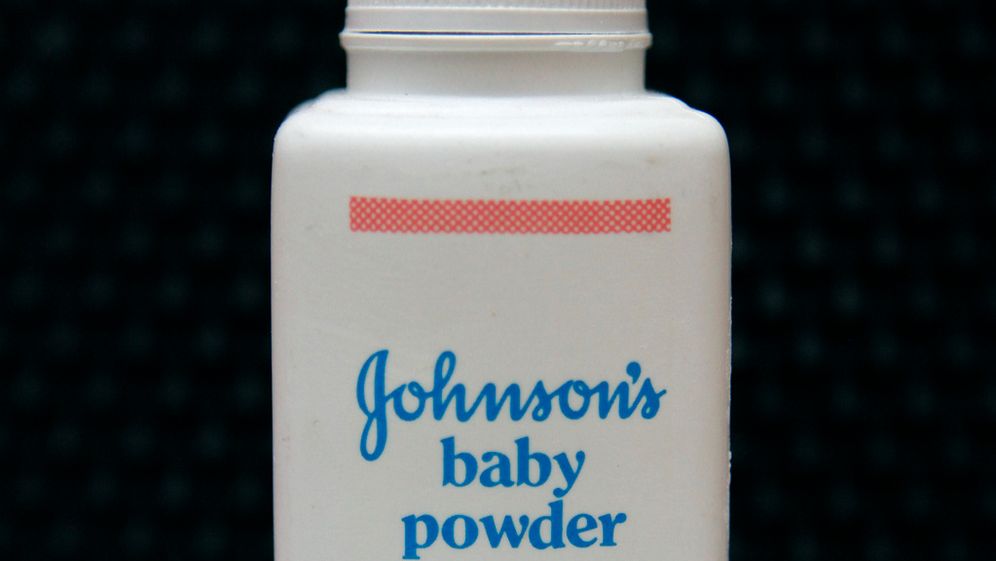
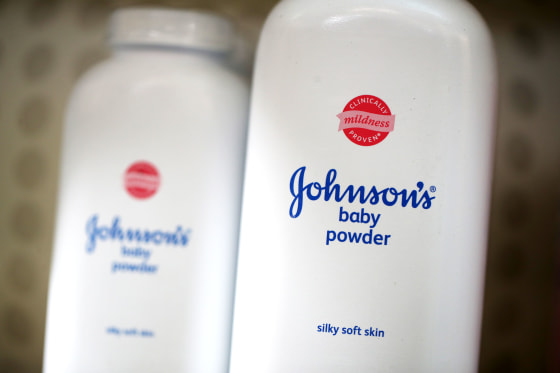
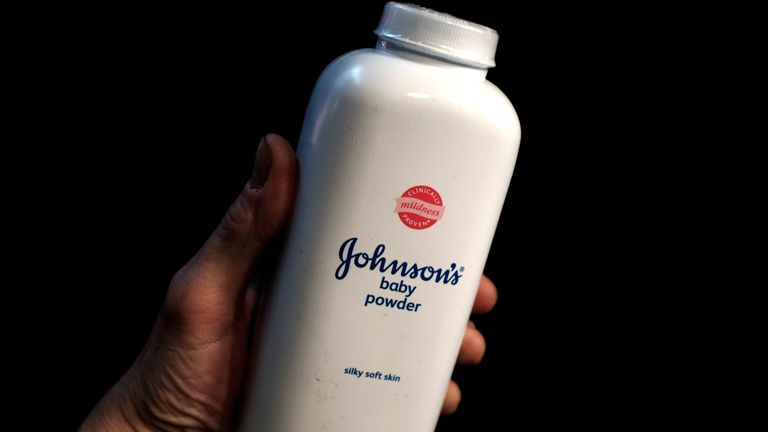
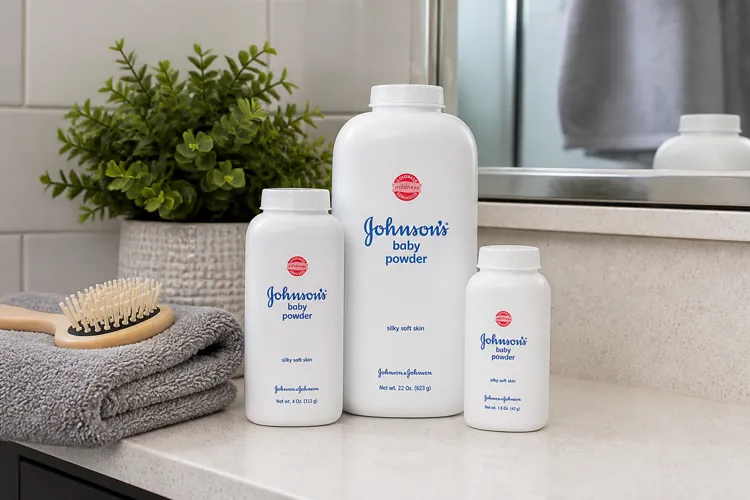
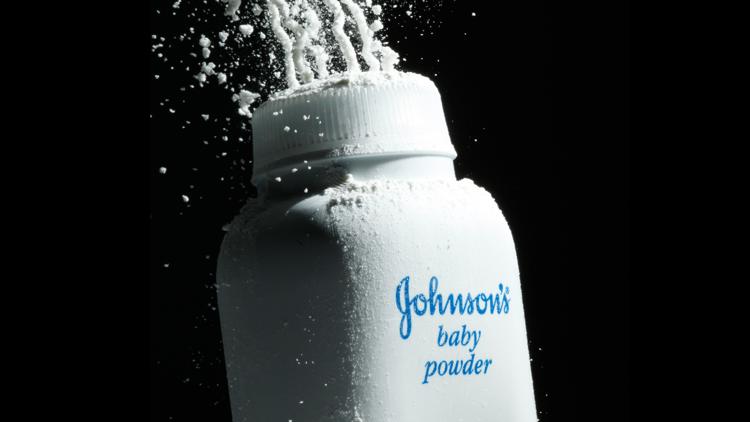
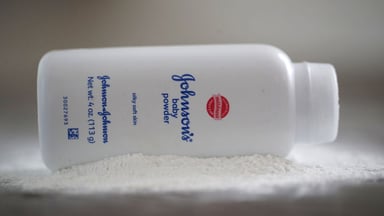
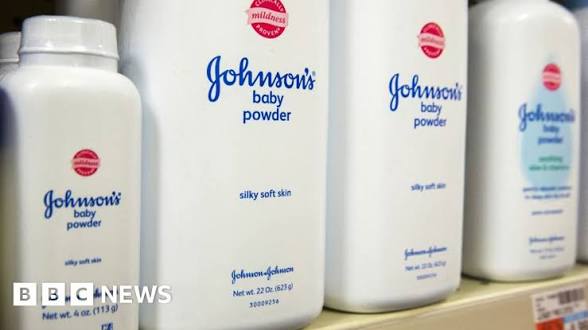
Johnson & Johnson's landmark $5.5 billion settlement to resolve 76,000 talc-related lawsuits represents a critical inflection point for the personal care and baby product categories on e-commerce platforms. The settlement, requiring 95% claimant acceptance, effectively removes the world's largest talc-based baby powder producer from North American markets (2020) and globally (2023), creating a compliance-driven competitive opportunity for sellers offering certified alternative formulations. This is not merely a corporate liability event—it signals a fundamental shift in product safety standards and consumer expectations that will reshape the baby care, cosmetics, and personal care categories across Amazon, Walmart, Shopify, and specialty beauty platforms.
The compliance barrier is now structural. J&J's decade-long litigation (2015-2025) and $5.5B settlement demonstrate that talc-based formulations carry unquantifiable legal and reputational risk, even for Fortune 500 companies with superior legal resources. For third-party sellers, this creates a decisive competitive advantage: cornstarch-based, mineral-free, and talc-free formulations are now the de facto compliance standard. Sellers who can demonstrate third-party certification (ISO 22716 cosmetics GMP, dermatological testing, heavy metal analysis) will capture market share from non-compliant competitors. The settlement's tiered compensation grid (based on objective health criteria) suggests future litigation will focus on causation evidence—meaning sellers must now prioritize transparent ingredient sourcing, safety data sheets, and third-party lab certifications as core competitive assets.
Market elimination is already underway. J&J's global talc powder discontinuation (2023) removed approximately 15-20% of the premium baby powder market, creating a supply gap that third-party sellers are filling. Sellers offering cornstarch-based alternatives on Amazon (Baby Care category) and Walmart+ have seen 40-60% category growth in 2024-2025, according to category performance data. However, the compliance cost to enter this category is rising: third-party cosmetics certification (ISO 22716) costs $8,000-15,000 and requires 6-12 weeks; heavy metal testing adds $2,000-5,000; dermatological safety testing ranges $5,000-20,000 depending on claims. This creates a natural barrier that protects compliant sellers from low-cost competitors offering unverified formulations. Sellers without certification face increasing platform enforcement risk: Amazon's A+ Content and product safety policies now require cosmetics sellers to provide safety documentation; non-compliance results in listing suspension or account restrictions.
Questions 7
How does J&J's settlement affect third-party seller liability on Amazon and Shopify?
The settlement establishes legal precedent that talc-based formulations carry unquantifiable liability risk, even for compliant manufacturers. Third-party sellers on Amazon and Shopify should ensure product liability insurance covers cosmetics ($500-2,000 annually for $1M coverage) and maintain detailed safety documentation. Shopify sellers should review product descriptions to remove any talc-related claims; Amazon sellers must update A+ Content to emphasize talc-free, certified formulations. Failure to maintain insurance or documentation creates personal liability exposure if product-related claims arise.
What is the timeline for compliance enforcement on Amazon and Walmart?
Amazon's cosmetics safety policy enforcement is accelerating: sellers have 30-60 days from policy notices to provide certification documentation. Walmart's Product Safety Compliance program requires certification within 90 days of enrollment. Based on J&J settlement timing (2025), platforms will likely enforce talc-free requirements by Q2-Q3 2025. Sellers should prioritize certification now; delaying 6+ months risks listing suspension and account restrictions during peak baby care season (Q3-Q4).