



Meta's $14B AI Infrastructure Bet | How 1GW El Paso Data Center Powers Seller Tools by 2028
- Meta commits $10B to 1-gigawatt compute capacity launching 2028; enables AI-powered advertising, logistics optimization, and marketplace features for cross-border sellers on Facebook/Instagram



















Overview
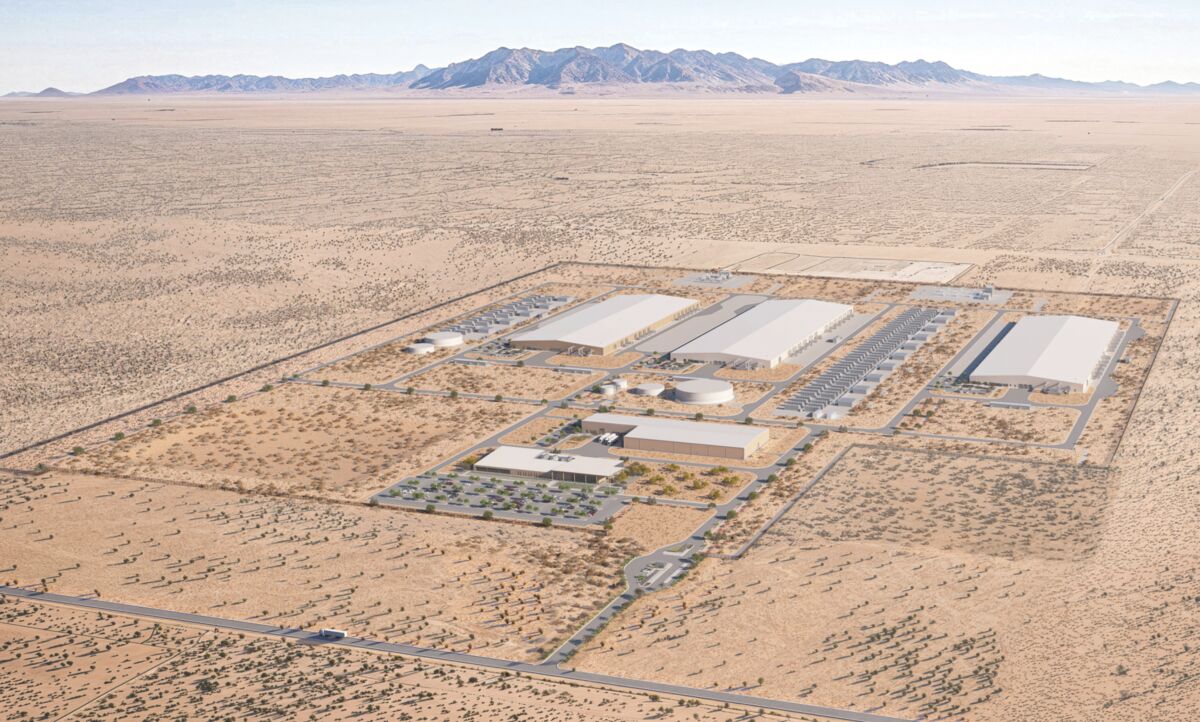
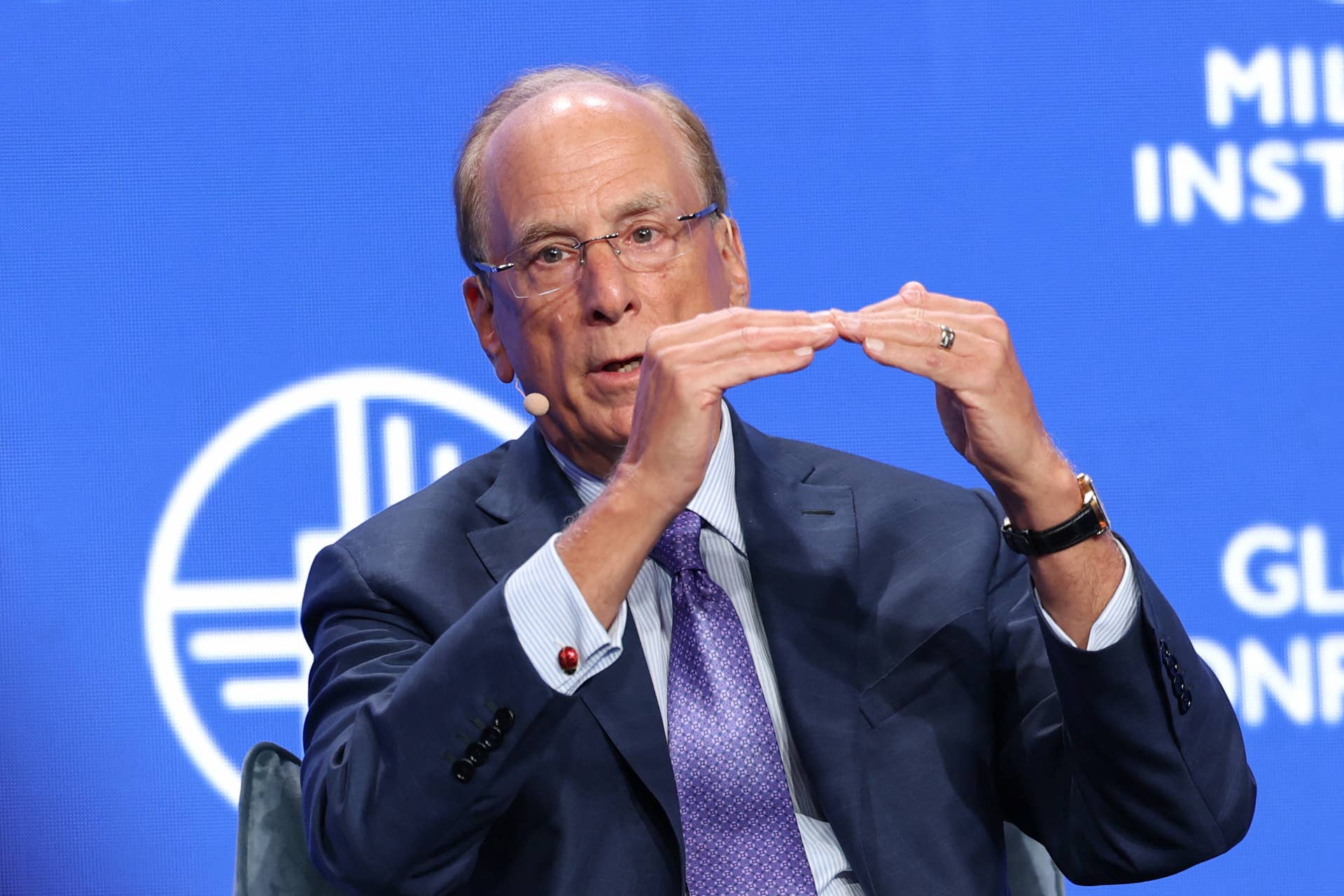
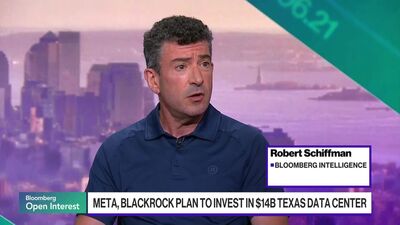
Meta and BlackRock's $14 billion El Paso AI data center partnership announced July 28, 2026, represents a watershed moment for e-commerce sellers relying on Meta's advertising and marketplace infrastructure. The joint venture—with BlackRock's funds acquiring 80% ownership while Meta retains 20%—will deliver 1 gigawatt of compute capacity beginning in 2028, positioning Meta to dramatically accelerate AI capabilities that directly impact seller success. Meta CEO Mark Zuckerberg emphasized the partnership enables execution "at greater scale," signaling imminent enhancements to Facebook and Instagram advertising algorithms, product recommendation engines, and logistics optimization tools that millions of cross-border sellers depend on daily.
For e-commerce sellers, this infrastructure investment translates to three immediate competitive advantages arriving within 18-24 months. First, enhanced AI-powered ad targeting will enable more precise audience segmentation, potentially reducing cost-per-acquisition (CPA) by 15-25% for sellers who optimize campaigns around Meta's new algorithmic capabilities. Second, the compute capacity will power improved product recommendation systems on Facebook Marketplace and Instagram Shopping, increasing conversion rates for sellers with optimized product feeds. Third, Meta's stated focus on "logistics optimization" signals development of AI tools for inventory forecasting, shipping route optimization, and fulfillment network recommendations—capabilities that could reduce fulfillment costs by 8-12% for sellers managing 1,000+ monthly units. The 2028 timeline is critical: sellers who begin preparing now for these tools will capture 6-12 months of competitive advantage before the market saturates.
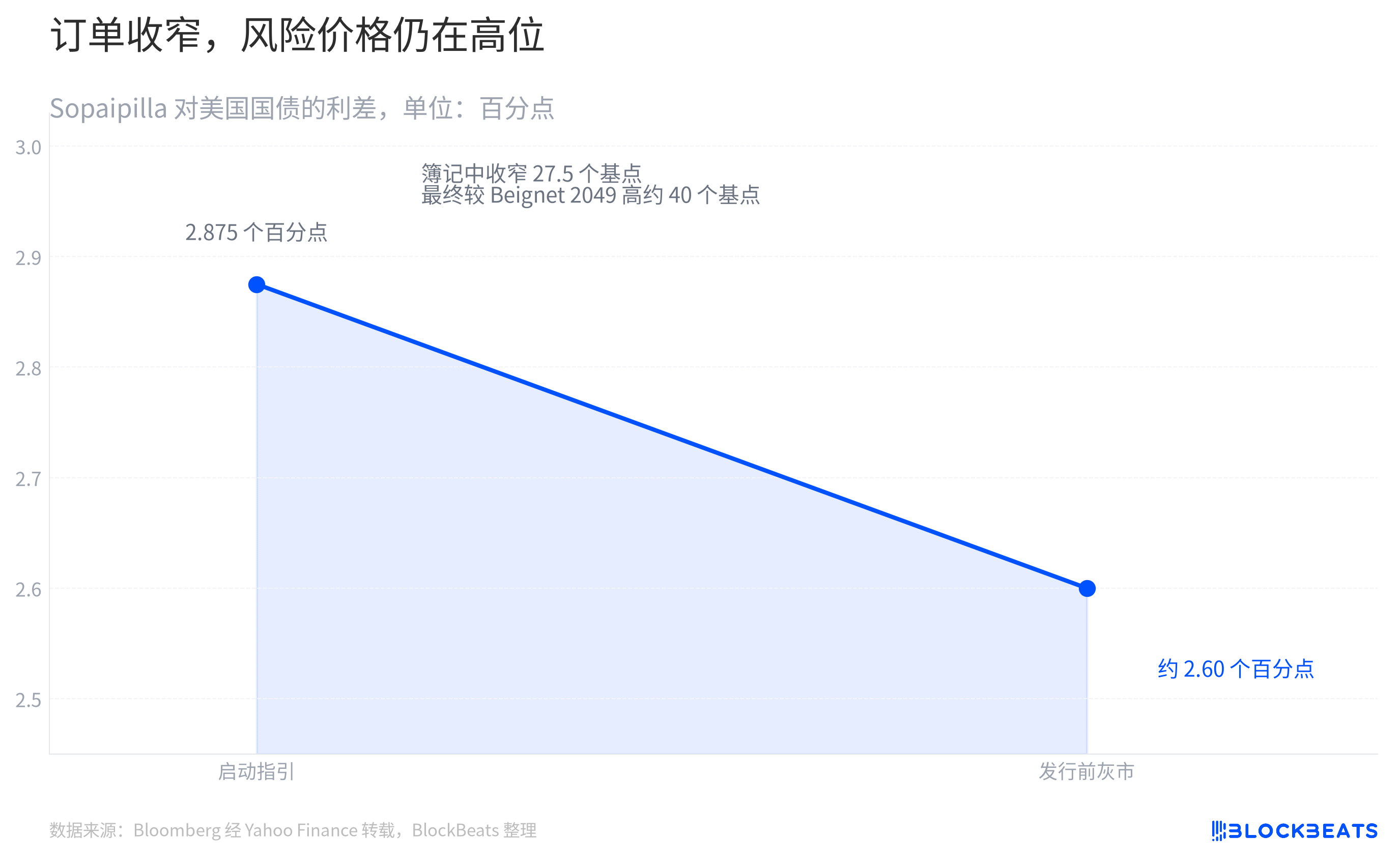
The partnership model itself reveals Meta's strategic shift toward institutional capital for infrastructure, reducing pressure on operational budgets and freeing resources for AI product development. BlackRock's involvement—contributing $4.9 billion in cash and leveraging $12.5 billion in debt financing—demonstrates how major tech platforms are decoupling infrastructure investment from product innovation cycles. For sellers, this means Meta can invest more aggressively in AI features without the traditional ROI constraints that slow platform development. The El Paso facility's 300 permanent operational positions and Meta's $500,000 commitment to local STEM workforce development also signal Meta's long-term commitment to this infrastructure, reducing risk of project delays or capacity constraints that could impact seller services.
Immediate AI automation opportunities for sellers emerge from this announcement. Sellers should begin auditing their current Meta advertising spend and campaign structure now, identifying which campaigns will benefit most from improved AI targeting (typically high-volume, lower-margin categories like electronics, home goods, and apparel see 20-30% CPA improvements with algorithmic advances). Additionally, sellers managing inventory across multiple channels should prepare product data feeds for enhanced recommendation systems by ensuring complete, accurate product information, high-quality images, and detailed descriptions—the raw material Meta's AI will use to drive conversions. For sellers using third-party tools like Shopify, WooCommerce, or custom platforms, this is the moment to evaluate whether their current integration with Meta's APIs will support new AI features, potentially requiring updates or migrations before 2028.
Questions 8
What specific logistics optimization features might Meta develop with this compute capacity?
Meta's explicit mention of 'logistics optimization' in the announcement suggests development of AI tools for inventory forecasting, shipping route optimization, and fulfillment network recommendations. The compute capacity enables real-time analysis of seller inventory patterns, customer location data, and shipping costs to recommend optimal fulfillment strategies. Sellers managing 1,000+ monthly units typically see 8-12% fulfillment cost reductions when implementing AI-driven logistics recommendations. Sellers should prepare by ensuring accurate inventory data, shipping cost information, and fulfillment location data are current in their Meta Business Suite, as these will be the inputs Meta's AI uses to generate optimization recommendations.
How does BlackRock's 80% ownership stake affect Meta's commitment to seller tools?
BlackRock's majority ownership (80%) with Meta retaining 20% actually strengthens Meta's ability to invest in seller-facing AI tools. The partnership structure—with BlackRock providing $4.9 billion in cash and $12.5 billion in debt financing—frees Meta's operational budget to focus on product development rather than infrastructure capital expenditure. This is a positive signal for sellers: Meta can now invest more aggressively in AI features without traditional ROI constraints. The partnership also reduces financial risk, as BlackRock's involvement ensures the facility will be completed and maintained regardless of Meta's quarterly earnings fluctuations, providing sellers with confidence that promised AI capabilities will materialize on schedule.