




Iran Conflict Drives US Gas Prices Higher | E-Commerce Seller Cost & Demand Impact
- Geopolitical tensions spike fuel costs 8-15%, compressing margins for small/medium sellers; consumer confidence decline signals 10-20% discretionary spending pullback in electronics, fashion, home goods categories
















Overview
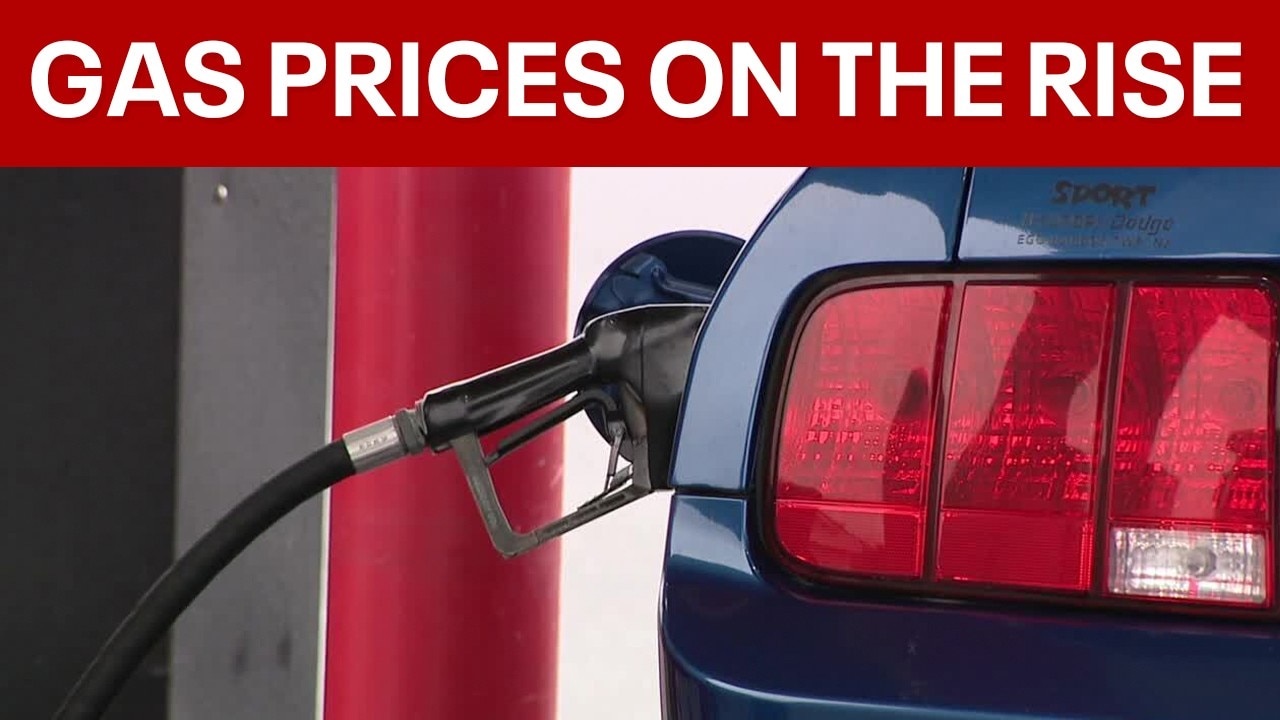
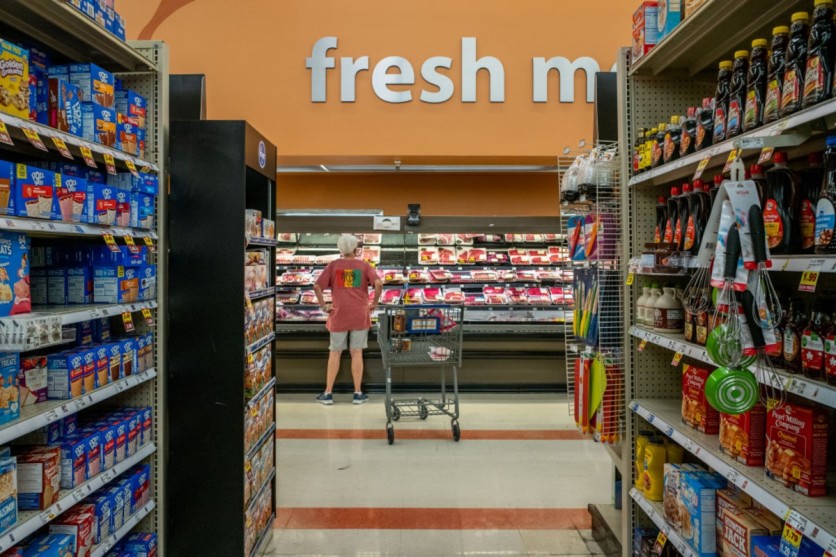
Geopolitical Energy Crisis Creates Dual Pressure on E-Commerce Sellers: The Iran conflict has triggered a critical supply-side shock to global energy markets, with gasoline prices rising noticeably in response to Middle East instability. This development directly impacts cross-border e-commerce operations through two distinct channels: rising logistics costs and declining consumer purchasing power. Consumer confidence metrics have weakened significantly as households reassess their economic outlook amid inflationary pressures at the pump, creating immediate operational and demand-side challenges for sellers across Amazon, eBay, Shopify, and other platforms.
Operational Cost Pressures Across Logistics Networks: Rising fuel costs directly increase operational expenses for e-commerce businesses reliant on 3PL providers and fulfillment networks. Sellers face higher shipping costs (estimated 8-15% increase), warehouse transportation expenses, and last-mile delivery fees. Small and medium-sized sellers with thin margins (typically 15-25% on discretionary goods) face particular pressure, as fuel surcharges compound existing FBA storage fees and fulfillment costs. Amazon FBA sellers shipping 1,000+ units monthly could see additional monthly costs of $200-400 depending on weight and destination zones. The impact extends to warehouse operations, where increased transportation costs for inventory replenishment directly reduce profitability. Sellers should immediately audit their 3PL contracts for fuel surcharge clauses and negotiate fixed-rate agreements where possible before prices stabilize.
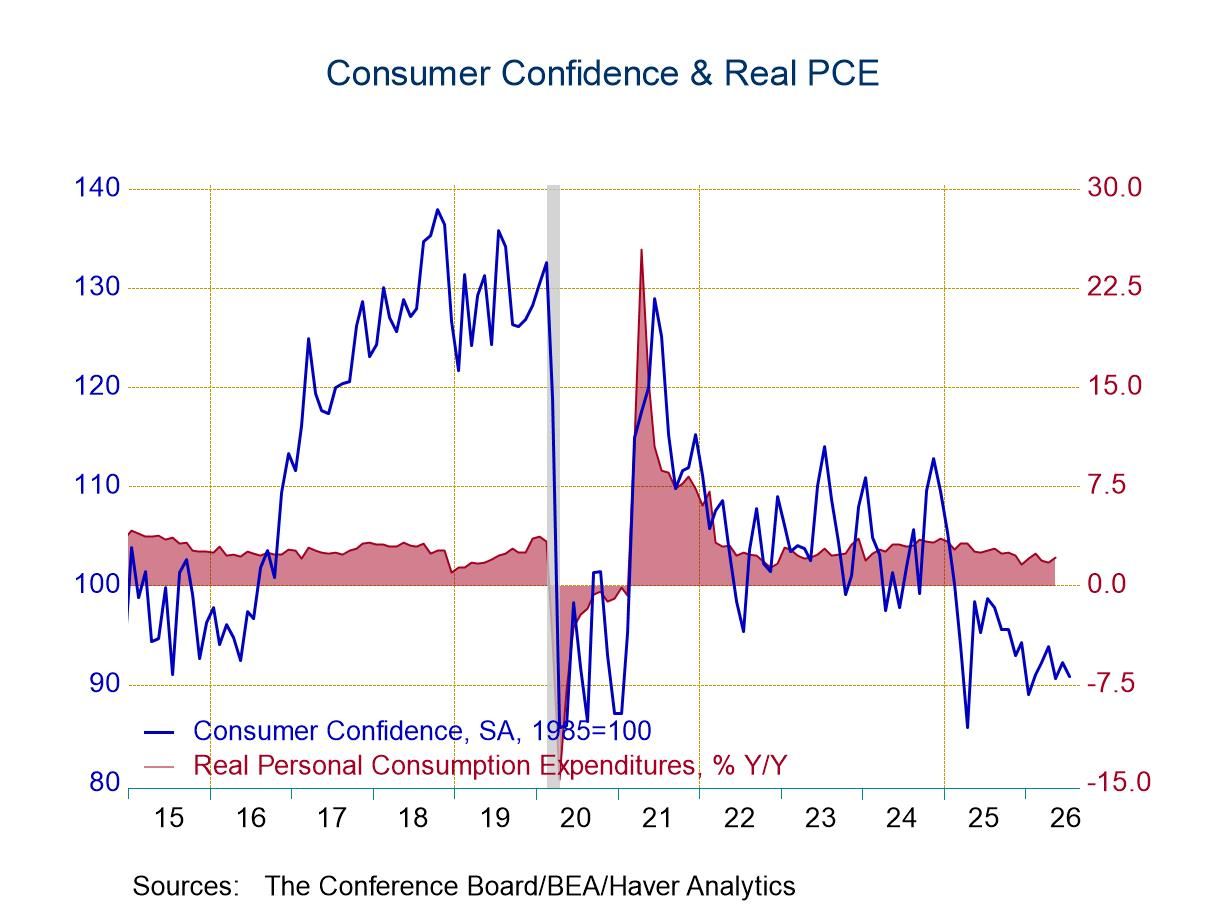
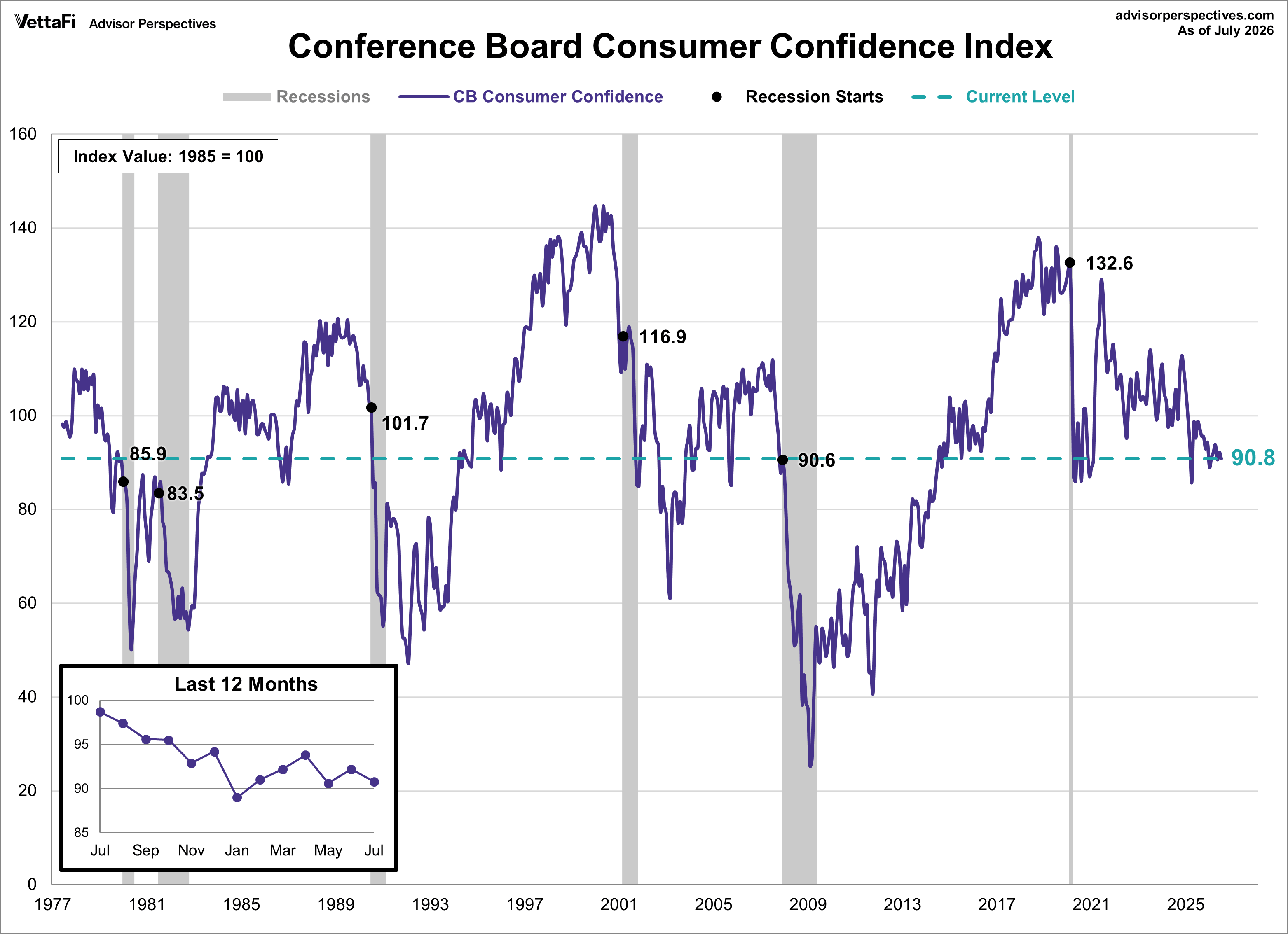
Demand Contraction in Discretionary Categories: Energy price shocks historically correlate with reduced consumer spending and business investment. The news indicates Americans' confidence has declined, signaling potential 10-20% pullback in discretionary purchases affecting electronics, fashion, and home goods categories—the highest-margin segments for most sellers. Conversely, essential categories (health/wellness, household staples, budget apparel) typically see demand stabilization or growth during economic uncertainty. Sellers should anticipate increased customer price sensitivity, with conversion rates declining 5-8% in premium segments while budget-conscious buyers shift to value alternatives. This creates a competitive advantage for sellers offering competitive pricing in essential categories and those with established customer loyalty programs that encourage repeat purchases despite economic headwinds.
Strategic Timing Window for Category Repositioning: The geopolitical situation remains fluid with potential for further escalation or de-escalation affecting price trajectories. Sellers have a 2-4 week window to rebalance inventory allocation before broader market adjustments occur. Historical patterns show energy price shocks typically persist 6-12 weeks before normalization, creating a medium-term demand environment shift. Sellers should monitor energy markets and consumer confidence indices (Conference Board Consumer Confidence Index, University of Michigan Sentiment) as leading indicators for demand trends. Those who quickly pivot inventory toward essential categories and implement dynamic pricing strategies can capture market share from competitors facing margin compression.
Questions 8
Which product categories will see demand decline from falling consumer confidence?
Electronics, fashion, and home goods—typically the highest-margin discretionary categories—face 10-20% potential demand pullback as consumer confidence weakens. The news specifically notes Americans are reassessing their economic outlook amid inflationary pressures. Conversely, essential categories (health/wellness, household staples, budget apparel) typically stabilize or grow during economic uncertainty. Sellers in discretionary categories should expect 5-8% conversion rate declines and increased price sensitivity. Consider shifting 20-30% of inventory allocation toward value-oriented products and essential categories to maintain sales velocity during this period.
What immediate actions should sellers take to protect margins during this geopolitical crisis?
Sellers should take three immediate actions within 2-4 weeks: (1) Audit 3PL contracts for fuel surcharge clauses and negotiate fixed-rate agreements before prices stabilize; (2) Rebalance inventory allocation toward essential categories and away from discretionary goods; (3) Implement dynamic pricing strategies to maintain margins while remaining competitive. The news indicates the geopolitical situation remains fluid with potential for further escalation, creating a time-sensitive window. Monitor the Conference Board Consumer Confidence Index and energy markets as leading indicators. Small and medium-sized sellers with thin margins face particular pressure and should prioritize cost control immediately.