
US Import Ban on Chinese Robots & Inverters | Immediate Seller Compliance Required
- Effective immediately via FCC; affects humanoid/quadruped robots and power inverters; disrupts cross-border sellers importing from China; creates domestic manufacturing opportunities
















Overview
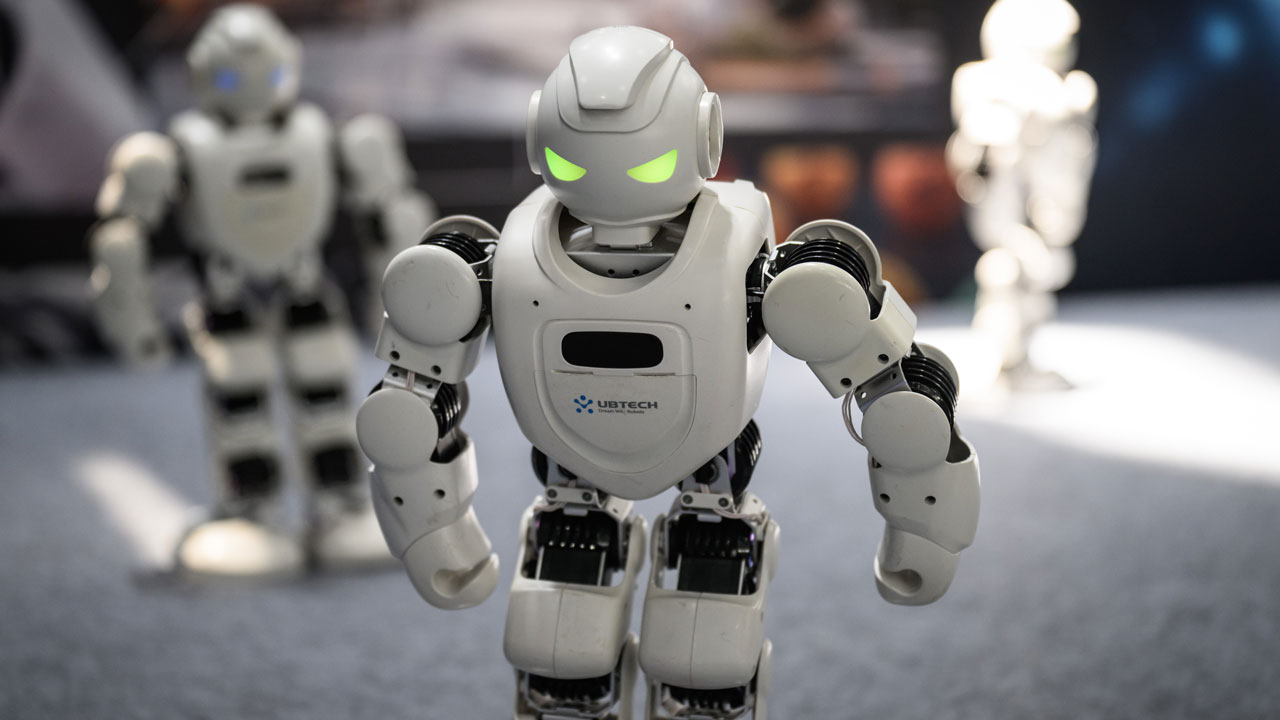
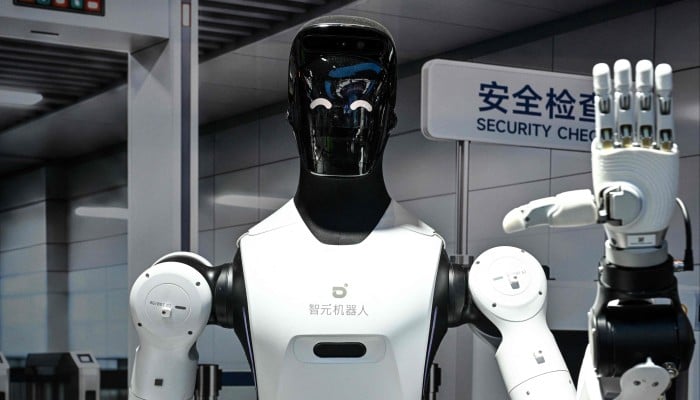
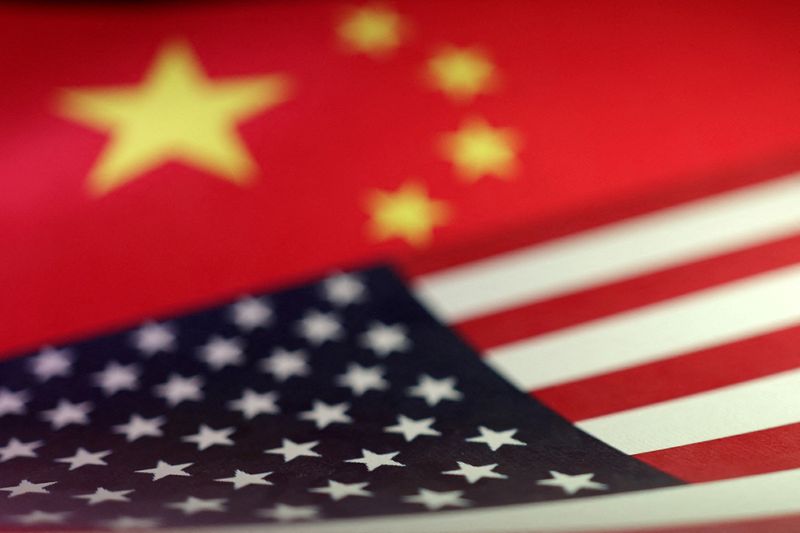
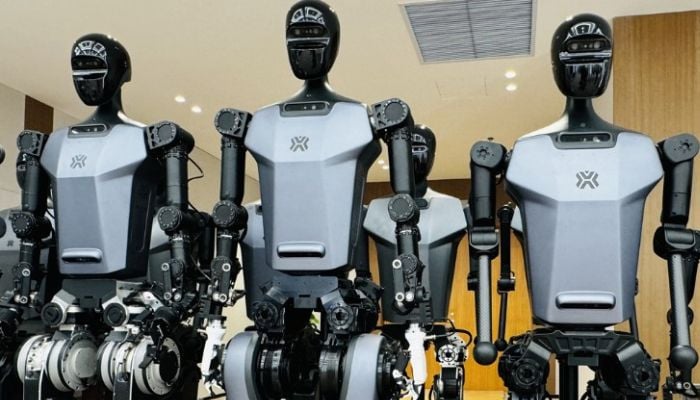
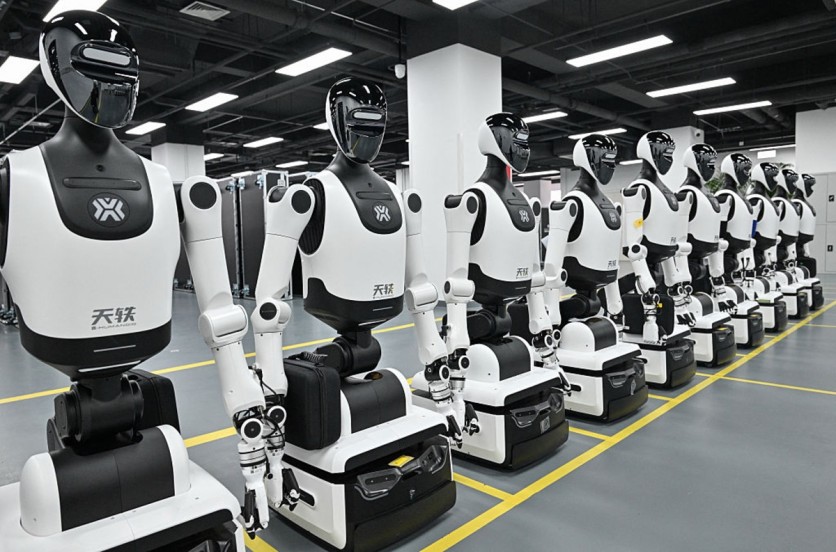
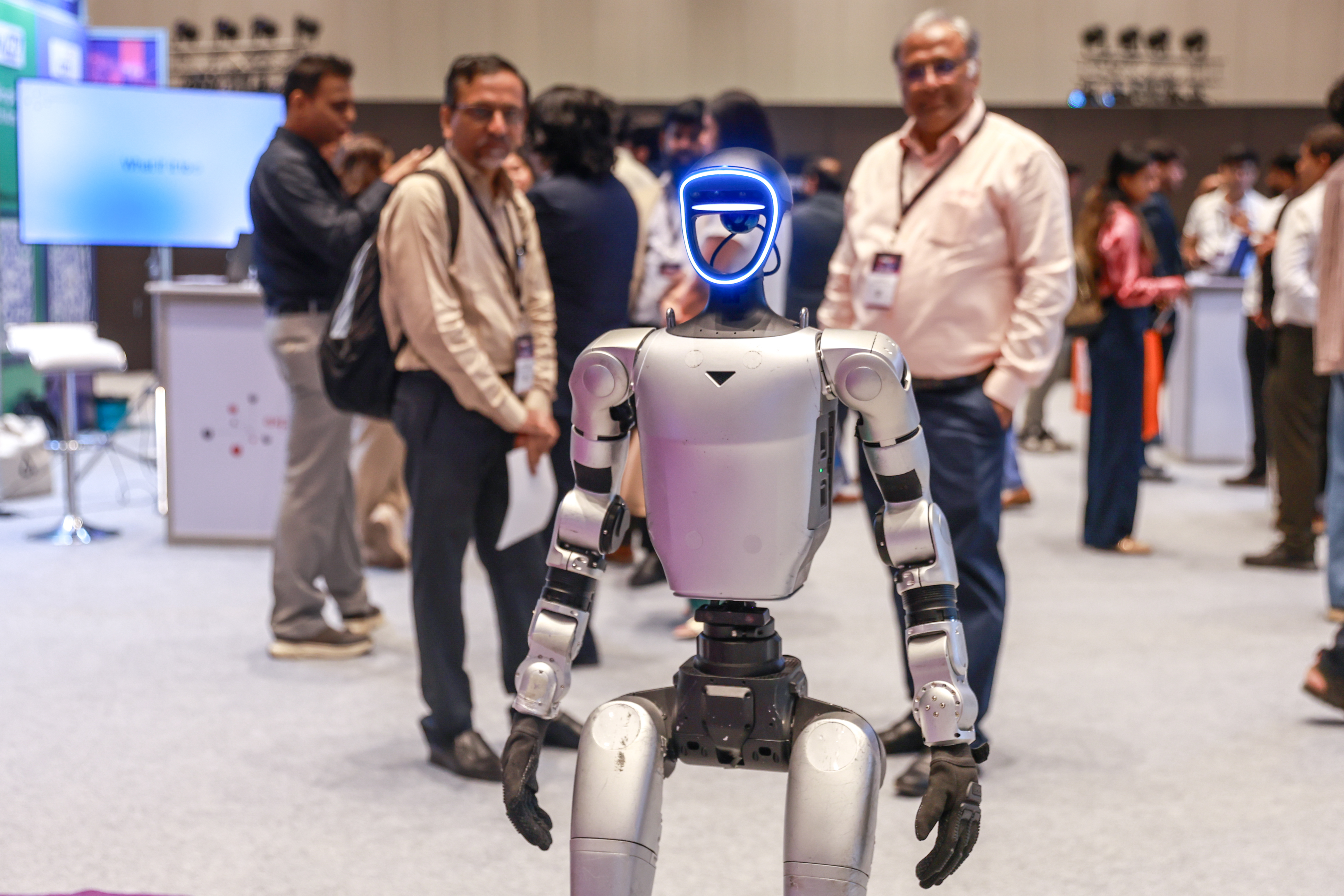
The Trump administration has announced an immediate import ban on Chinese-manufactured humanoid and quadruped robots, along with connected power inverters used in renewable energy systems, batteries, and data center infrastructure. The Federal Communications Commission (FCC) implemented this policy through national security determinations, citing threats to U.S. AI supply chains, grid security, and critical infrastructure protection. This represents a significant escalation in technology sector protectionism beyond traditional semiconductor controls, directly impacting cross-border e-commerce sellers.
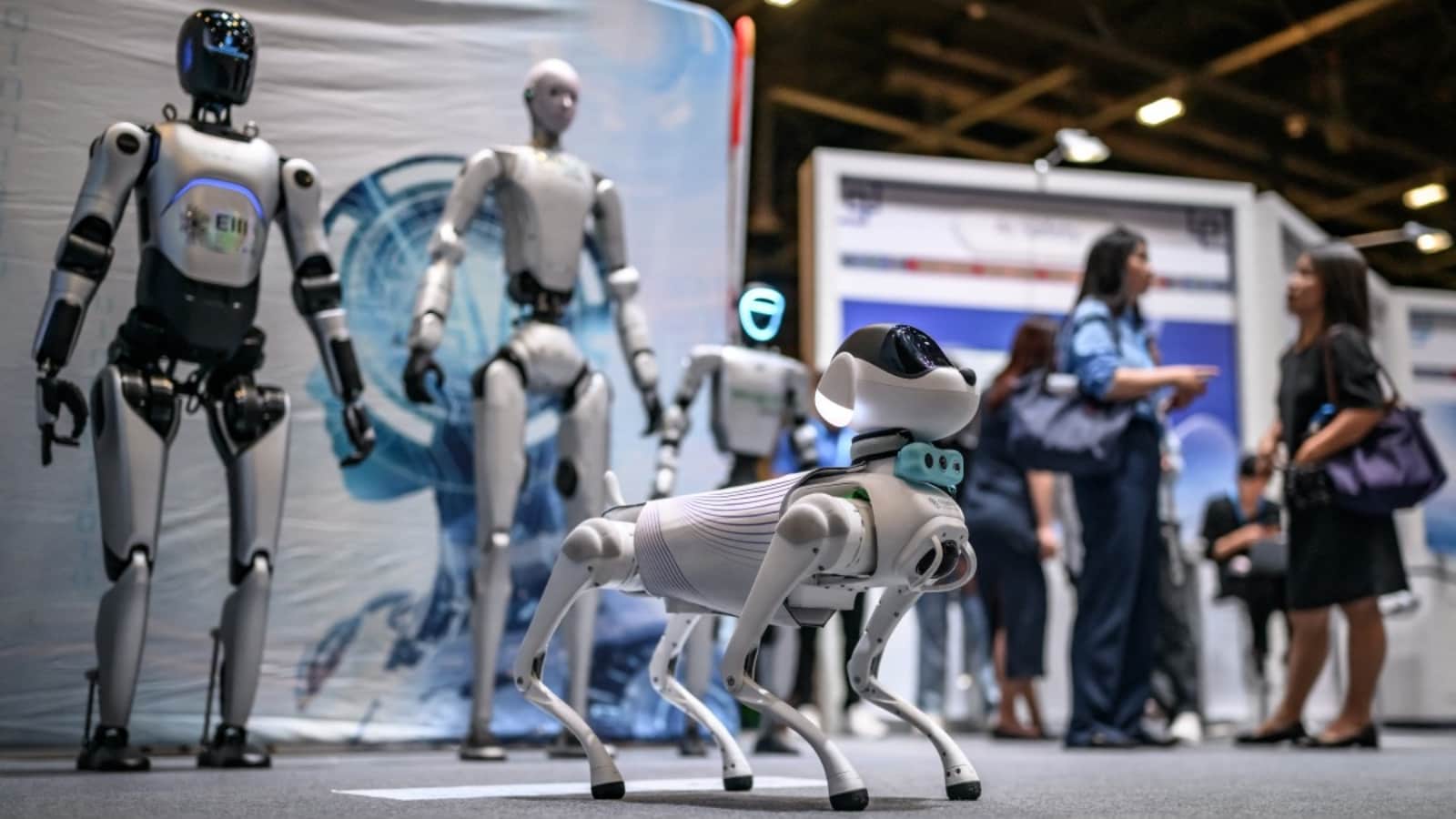
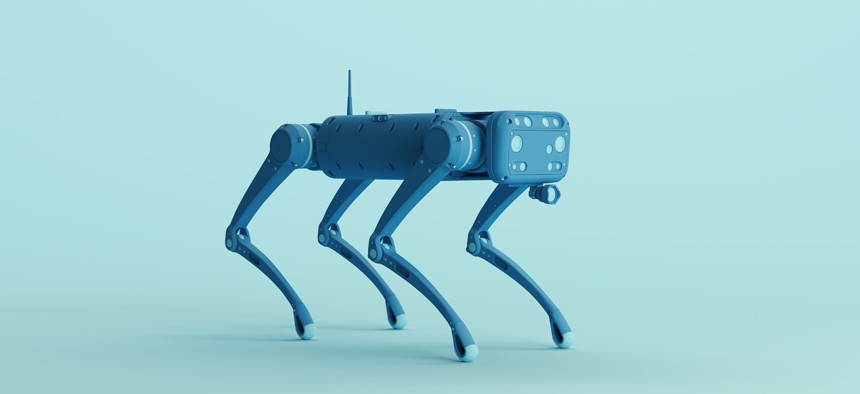
Immediate Seller Impact: Cross-border e-commerce sellers currently importing or planning to import Chinese robotics and power inverters face urgent compliance challenges. The ban applies to humanoid robots (like Unitree Robotics' Go1 models), quadruped robots, and connected inverters—product categories that have grown substantially on Amazon, eBay, and Shopify marketplaces. Sellers must immediately audit inventory, halt new procurement from Chinese manufacturers, and remove non-compliant listings. The FCC's "unacceptable risk" standard provides limited conditional approval pathways, with implementation details remaining unclear. Sellers with existing Chinese robot inventory face potential seizure at customs, inventory write-offs, and marketplace delisting if products are discovered post-purchase.
Tariff Arbitrage & Sourcing Shifts: The ban creates immediate opportunities for sellers to pivot sourcing to non-Chinese manufacturers. While technically the policy targets all foreign manufacturers meeting risk criteria, enforcement focuses on Chinese origins. Sellers can explore alternative suppliers from Japan (robotics), Germany (industrial inverters), and South Korea (power electronics). However, these alternatives typically carry 15-35% higher manufacturing costs compared to Chinese suppliers. The conditional approval pathway—though details are sparse—may allow some Chinese manufacturers to obtain waivers, creating a temporary window for sellers to negotiate exemptions before the policy fully hardens.
Market Access & Competitive Dynamics: The ban creates a protective moat for domestic U.S. robotics and power equipment manufacturers. Companies like Boston Dynamics, Tesla (Optimus), and domestic inverter manufacturers gain competitive advantages as import competition disappears. For sellers, this signals a shift toward domestic sourcing for these categories. Small and medium-sized sellers (SMBs) importing Chinese robots face the highest disruption risk, as they lack the scale to negotiate conditional approvals or pivot quickly to alternative suppliers. Large sellers with established relationships with non-Chinese manufacturers or domestic suppliers gain competitive advantages. The policy also signals potential future restrictions on related AI-adjacent categories (drones, autonomous systems, AI chips), suggesting sellers should monitor regulatory developments closely for cascading restrictions.
Questions 8
What specific products are banned under the Trump administration's import restrictions?
The ban targets humanoid robots, quadruped robots (like Unitree Robotics' Go1 models), and connected power inverters used in renewable energy systems, batteries, and data center infrastructure. The FCC's National Security Determinations classify these as posing 'unacceptable risk' due to data collection capabilities, remote connectivity vulnerabilities, and potential backdoors. Sellers must immediately verify product classifications—even accessories or components for these devices may face restrictions. The ban is effective immediately with no transition period, meaning new imports are prohibited as of announcement date.
How should cross-border sellers audit their current inventory for compliance?
Sellers must immediately review all robotics and power inverter SKUs in inventory, focusing on Chinese manufacturer origins (Unitree Robotics, DJI, and similar brands). Check product listings on Amazon Seller Central, eBay, and Shopify for origin country and manufacturer details. Flag any humanoid/quadruped robots or connected inverters for removal. Contact suppliers to verify manufacturing locations—some products may be assembled in Asia but manufactured in China. Document all findings for customs compliance. Sellers with non-compliant inventory should consult customs brokers about disposal options, as selling through U.S. marketplaces after the ban creates liability for both seller and platform.