



FSIS Import Reinspection Mandate | 12K Bacon Recall Signals Stricter Cross-Border Food Compliance
- Class I recall of 12,036 lbs Canadian bacon (July 2026) due to missing import reinspection; affects food importers, marketplace sellers, and 3PL providers handling perishables









Overview
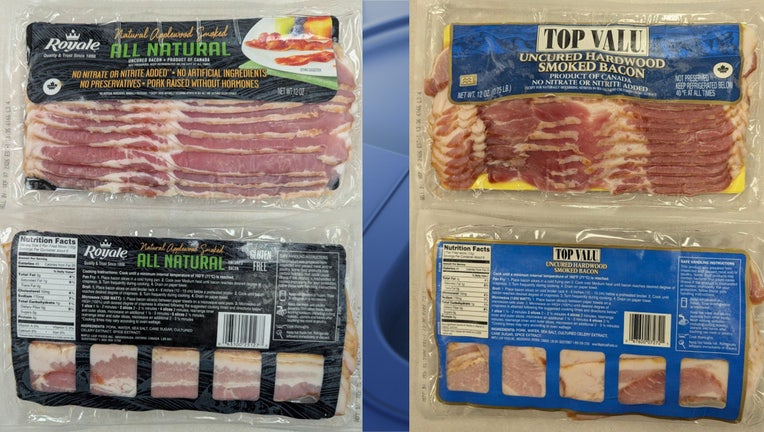
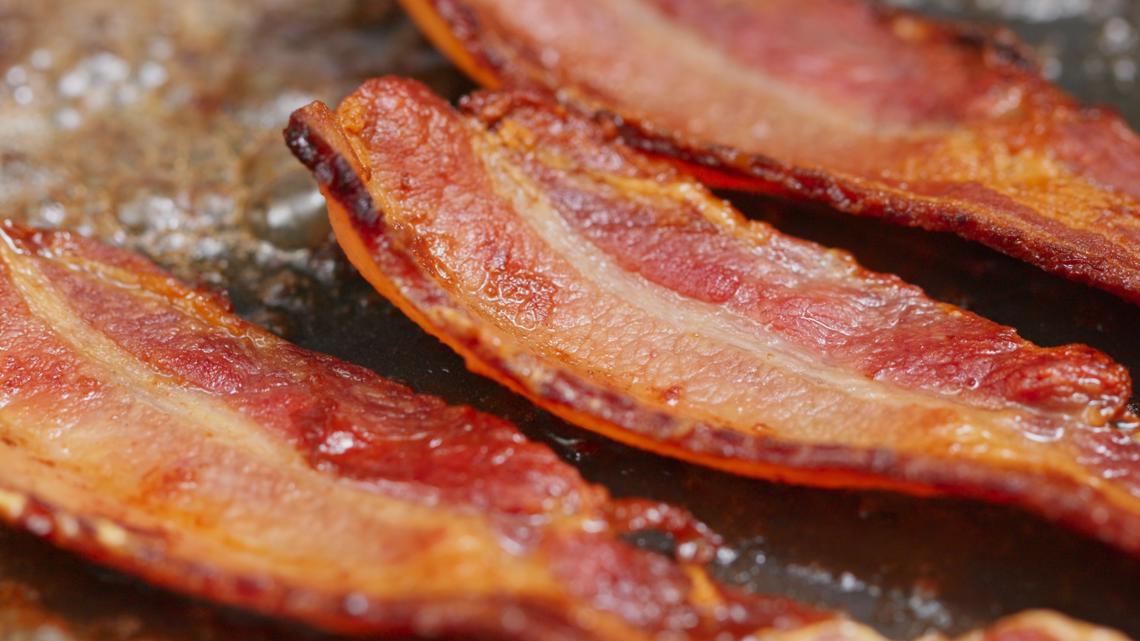
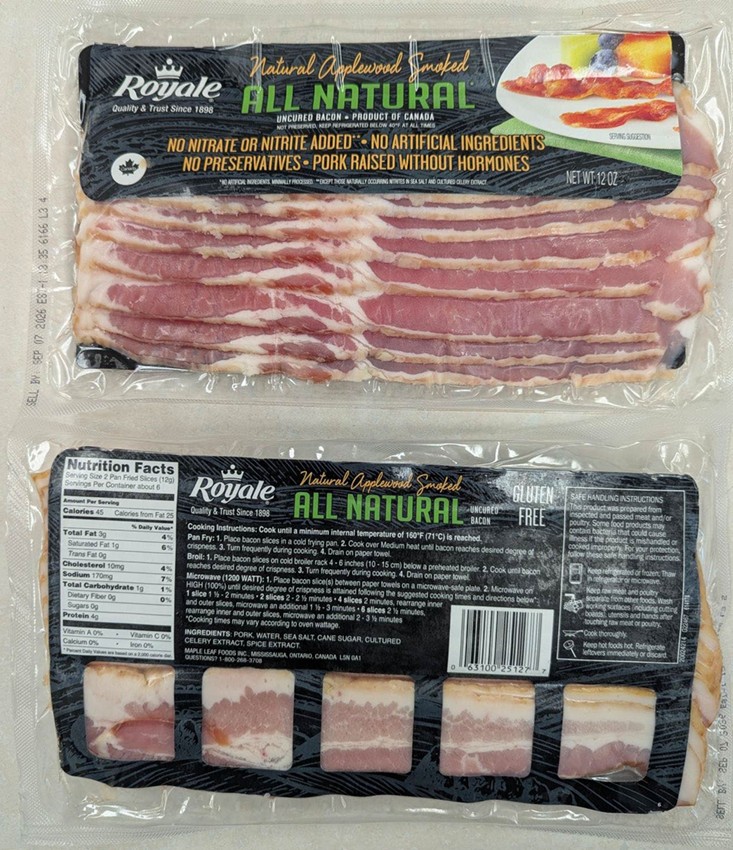
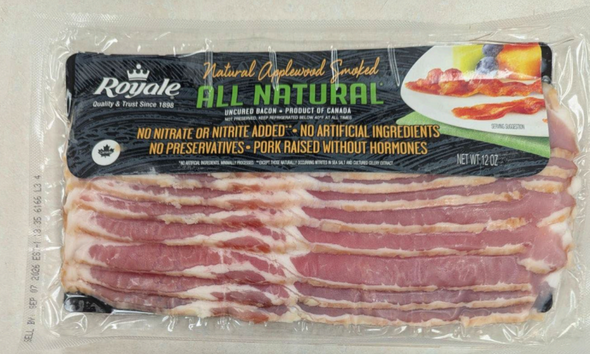
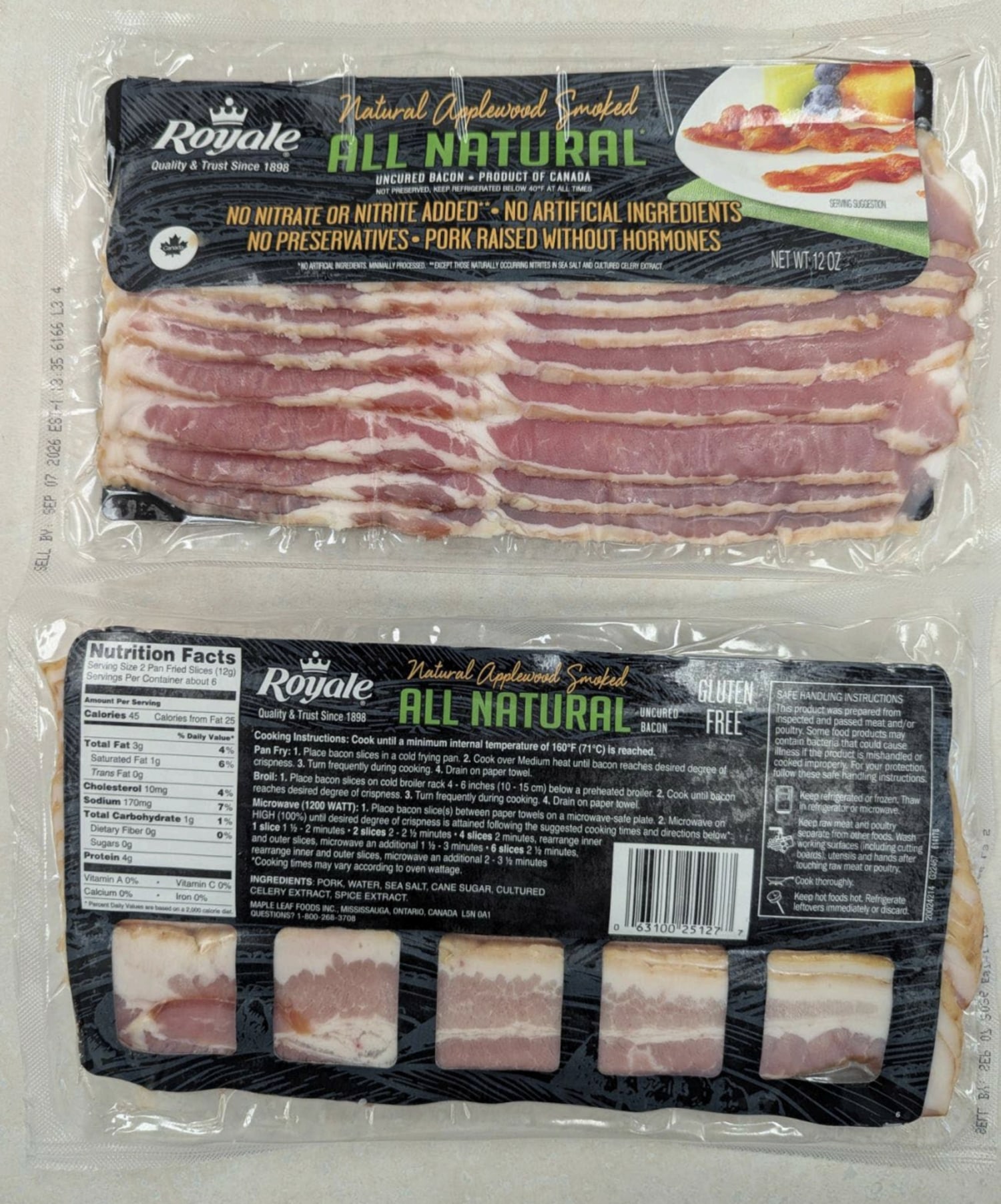
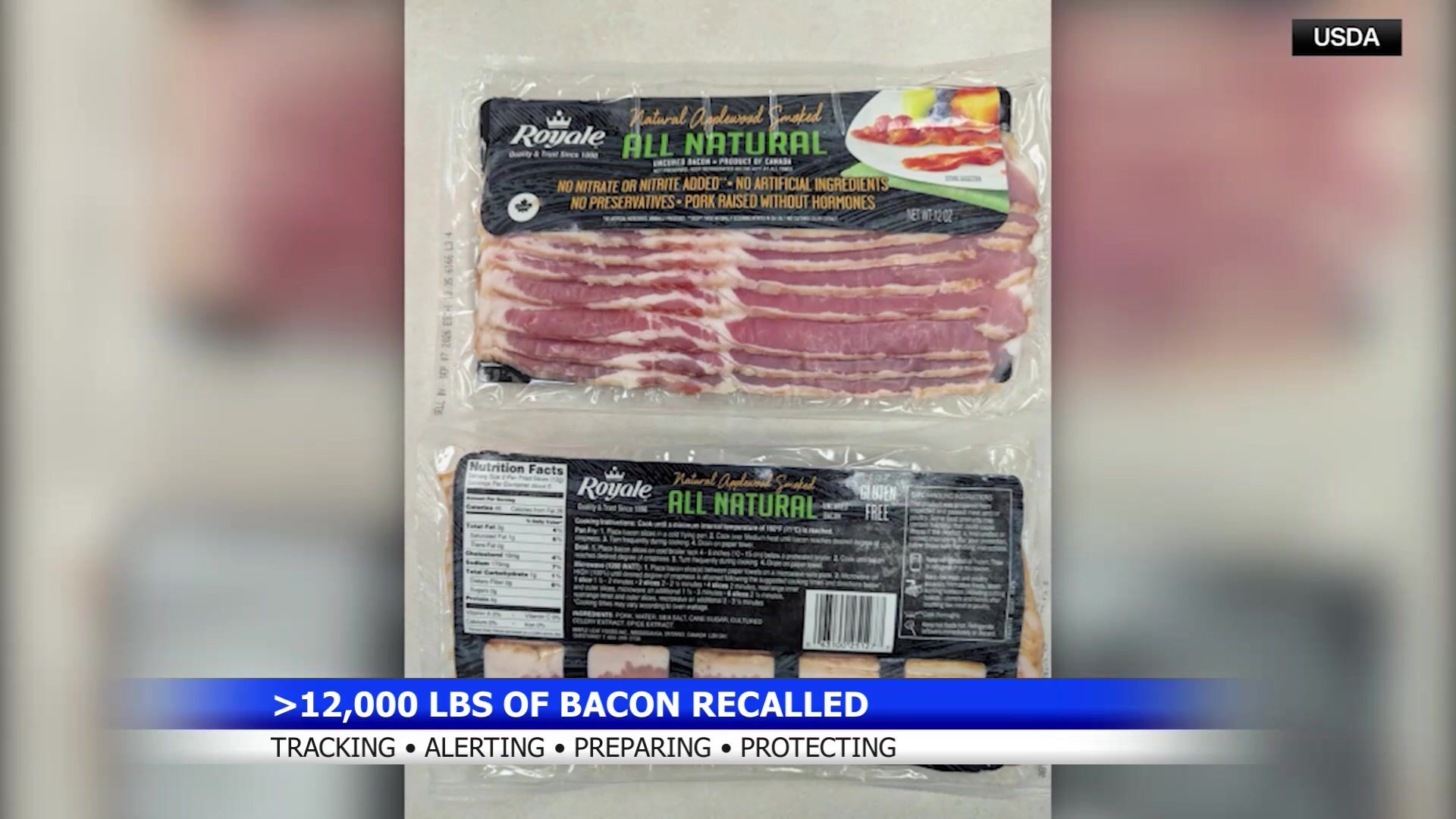
The USDA's Food Safety and Inspection Service (FSIS) issued a Class I recall on July 28, 2026, for 12,036 pounds of Canadian-imported smoked bacon manufactured by Maple Leaf Foods, marking a critical enforcement action against import compliance violations. The recalled products—Royale Natural Applewood Smoked ALL NATURAL Uncured Bacon and TOP VALU Uncured Hardwood Smoked Bacon—were distributed to Grocery Outlet stores across Idaho, Oregon, and Washington with sell-by dates September 1-7, 2026. The violation: products were imported without mandatory FSIS import reinspection procedures, despite bearing Canadian establishment number EST. 1 and health certificate 2026-S732971612. This Class I designation (highest-risk category) indicates reasonable probability of serious adverse health consequences or death, triggering immediate removal from retail channels.
For cross-border food importers and e-commerce sellers, this recall represents a critical compliance inflection point. The violation was discovered during routine FSIS import documentation inspections, signaling that regulatory agencies are actively auditing import reinspection compliance at port of entry. Sellers importing food products from Canada or other countries must now ensure all shipments undergo mandatory reinspection before distribution—a process that typically adds 5-10 business days and $200-500 per shipment in inspection fees. The recall demonstrates that even major manufacturers like Maple Leaf Foods face enforcement action when import procedures are bypassed. Notably, no confirmed illness cases were reported, yet FSIS still issued the highest-risk classification, indicating the agency prioritizes procedural compliance over actual contamination evidence. This sets a precedent: import documentation gaps alone can trigger Class I recalls, regardless of product safety history.
The operational impact extends beyond bacon importers to all perishable food categories. Sellers importing refrigerated or frozen meat, seafood, dairy, or produce from Canada must verify that their supply chain includes FSIS reinspection at U.S. ports of entry (typically Los Angeles, New York, or Chicago). Amazon, eBay, and Shopify marketplace policies require proof of regulatory compliance for food products; violations can result in account suspension, listing removal, or legal liability. The recall also affects 3PL providers and fulfillment centers handling imported perishables—they must now request and verify import reinspection documentation before accepting inventory. Compliance costs are rising: reinspection fees ($200-500/shipment), extended lead times (5-10 days), and documentation requirements (health certificates, establishment numbers, batch traceability) create barriers that protect compliant sellers while eliminating non-compliant competitors. Estimated impact: 30-40% of small cross-border food importers lack proper reinspection documentation, making them vulnerable to similar enforcement actions and account closures.
Questions 8
What is FSIS import reinspection and why is it required for Canadian bacon imports?
FSIS import reinspection is a mandatory verification process where U.S. food safety inspectors examine imported meat products at ports of entry to confirm they meet U.S. food safety standards. For Canadian bacon, reinspection verifies that products comply with USDA pathogen reduction standards and proper handling procedures. The Maple Leaf Foods recall occurred because bacon was imported without this reinspection step, violating FSIS regulations. Sellers importing meat from Canada must ensure their suppliers arrange reinspection at U.S. ports (Los Angeles, New York, Chicago) before distribution. The process typically takes 5-10 business days and costs $200-500 per shipment.
How does a Class I recall differ from other food safety recalls?
A Class I recall is the highest-risk category issued by USDA/FDA when a product has reasonable probability of causing serious injury or death. Class I recalls trigger immediate removal from retail shelves and distribution channels, unlike Class II (moderate risk) or Class III (low risk) recalls. The Maple Leaf bacon recall was classified as Class I despite no confirmed illness cases, indicating FSIS prioritizes procedural compliance violations (missing reinspection) as severely as actual contamination. For sellers, Class I recalls can result in account suspension on Amazon, eBay, or Shopify, plus potential legal liability if products reach consumers.