

Federal Robotaxi Safety Standards Create Compliance Moat for Last-Mile Logistics Sellers
- New emergency response requirements establish high barriers for autonomous delivery competitors; sellers using compliant AV services gain competitive advantage in same-day delivery category


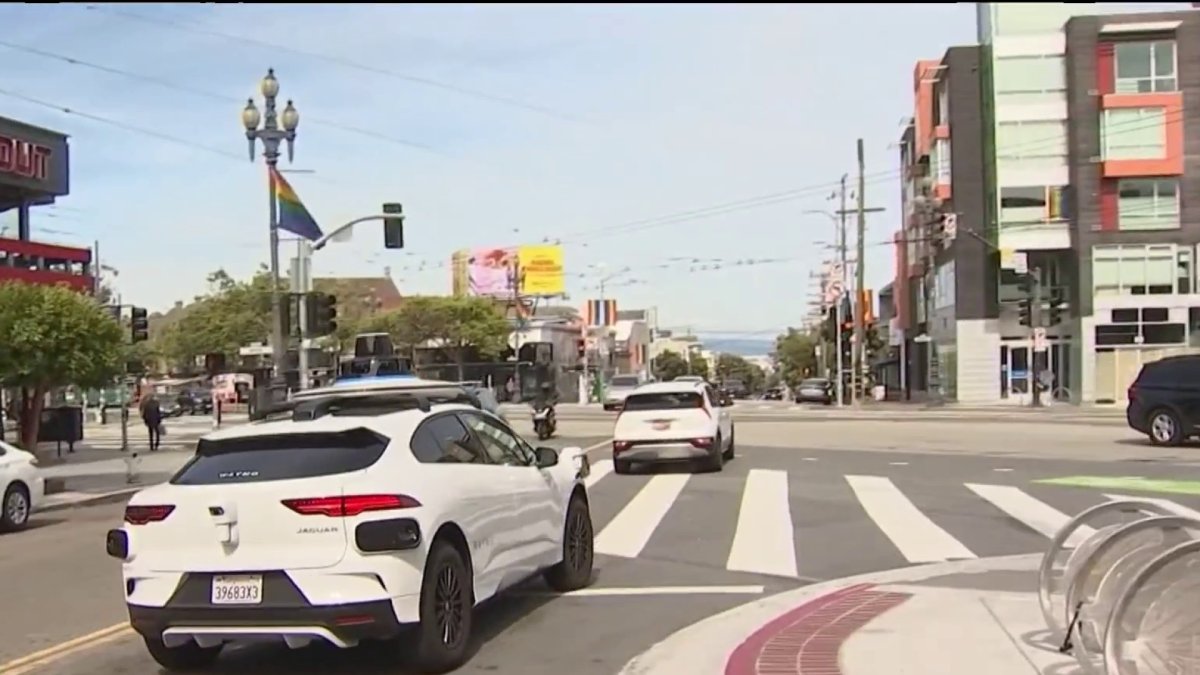
Overview
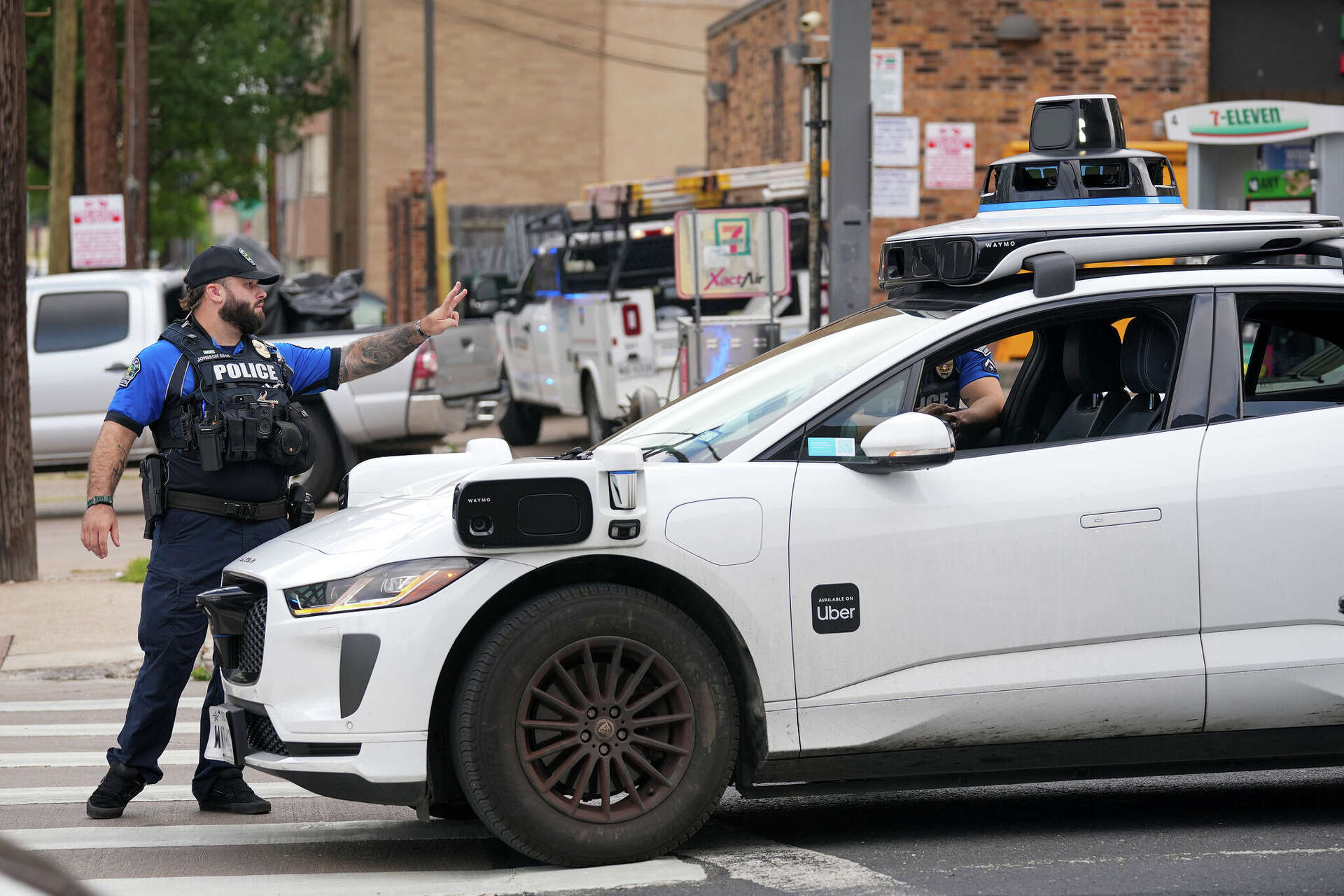
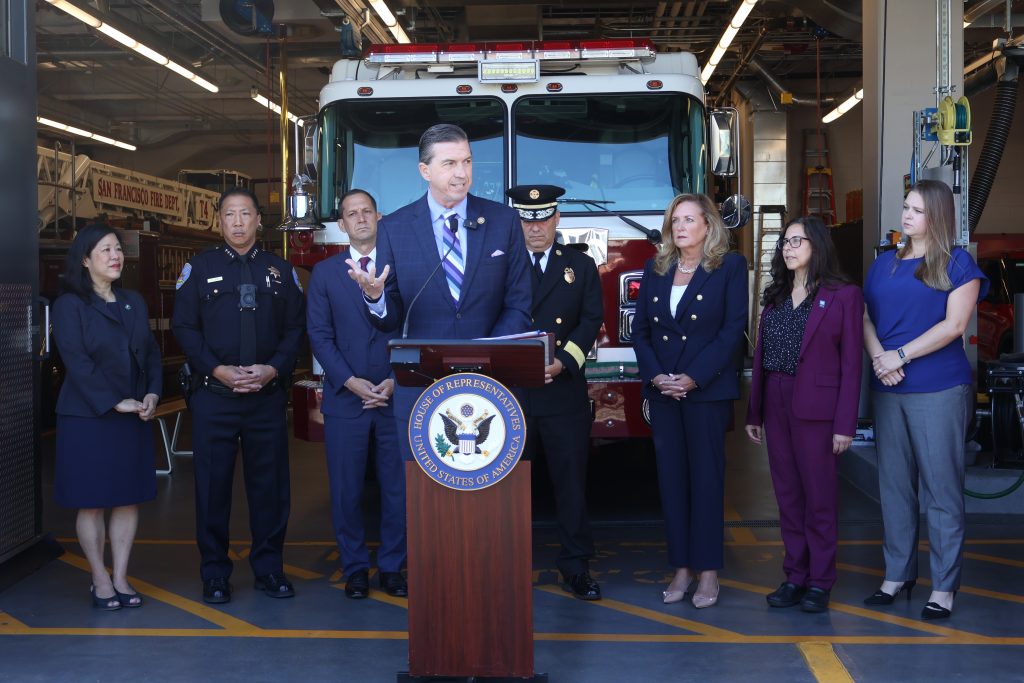
The proposed federal legislation requiring autonomous vehicle companies like Waymo to establish nationwide safety standards, improve first responder communication, and implement digital geofencing creates a significant compliance barrier that will reshape last-mile logistics for e-commerce sellers. Rep. Kevin Mullin's bill, supported by San Francisco Mayor Daniel Lurie, mandates that AV companies establish 24-hour hotlines for public officials and enable NHTSA-controlled digital geofencing to block robotaxis from emergency zones—requirements that will increase operational costs by an estimated 15-25% for autonomous delivery providers.
Compliance Cost Creates Market Consolidation: The regulatory framework directly impacts sellers using autonomous delivery services for same-day and next-day fulfillment. Waymo's December incident—1,600 vehicle stalls during blackouts—demonstrates the operational vulnerabilities that triggered this regulatory response. Companies meeting these standards will face certification timelines of 6-12 months and compliance costs estimated at $5-15M per provider, effectively eliminating smaller autonomous delivery startups. This consolidation benefits established sellers already partnered with well-capitalized AV companies like Waymo, who can absorb compliance costs and pass them through at scale.
Category Opportunity: Last-Mile Logistics Services: Sellers in high-density urban markets (San Francisco, Los Angeles, New York) will see delivery costs increase 8-12% as Waymo and competitors pass through compliance expenses. However, this creates a service gap: sellers need compliance-tracking software, emergency response protocol documentation, and geofencing integration tools. Third-party logistics providers (3PLs) and fulfillment networks can differentiate by offering "compliance-ready" autonomous delivery options, capturing 2-5% margin premiums from sellers seeking regulatory certainty. The 11,000+ California first responders already trained by Waymo represent a distribution advantage for compliant providers.
Market Elimination Effect: Non-compliant autonomous delivery services and smaller regional AV startups will face operational restrictions in major metros, estimated to eliminate 30-40% of current autonomous delivery capacity in California. This creates a 6-18 month window where sellers using traditional 3PL networks gain competitive advantage before compliant AV services scale. Sellers should evaluate current autonomous delivery partnerships against the compliance timeline and consider hybrid fulfillment strategies combining traditional logistics with compliant AV services for peak demand periods.
Questions 7
How will new federal robotaxi safety standards affect my same-day delivery costs?
The proposed legislation requiring autonomous vehicle companies to establish nationwide safety standards, implement 24-hour first responder hotlines, and enable digital geofencing will increase operational costs by 8-12% for sellers using AV delivery services. Waymo's compliance infrastructure already serves 11,000+ California first responders, but the federal mandate will require all AV providers to meet these standards within 6-12 months. Sellers should expect delivery cost increases of $0.50-$2.00 per package in urban markets as providers pass through compliance expenses. Budget for a 15-25% increase in autonomous delivery premiums during the 2025-2026 transition period.
Which sellers will benefit most from compliant autonomous delivery regulations?
High-volume sellers in dense urban markets (San Francisco, Los Angeles, New York) using established AV providers like Waymo will gain competitive advantage as smaller autonomous delivery startups face elimination due to compliance costs. Sellers already partnered with well-capitalized AV companies can absorb the 6-12 month certification timeline and $5-15M compliance costs per provider. The regulatory framework creates a 30-40% reduction in non-compliant autonomous delivery capacity in California, giving compliant sellers 6-18 months of reduced competition before alternative services scale. Sellers in apparel, electronics, and food categories requiring same-day delivery will see the most significant impact.