

FDA Food Safety Enforcement Tightens | Fresh Produce Sellers Face New Compliance Barriers
- Congressional investigation into cyclospora outbreak creates stricter testing protocols; sellers of fresh produce and food products must prepare for enhanced FDA documentation requirements and potential supply chain disruptions affecting thousands of SKUs






Overview
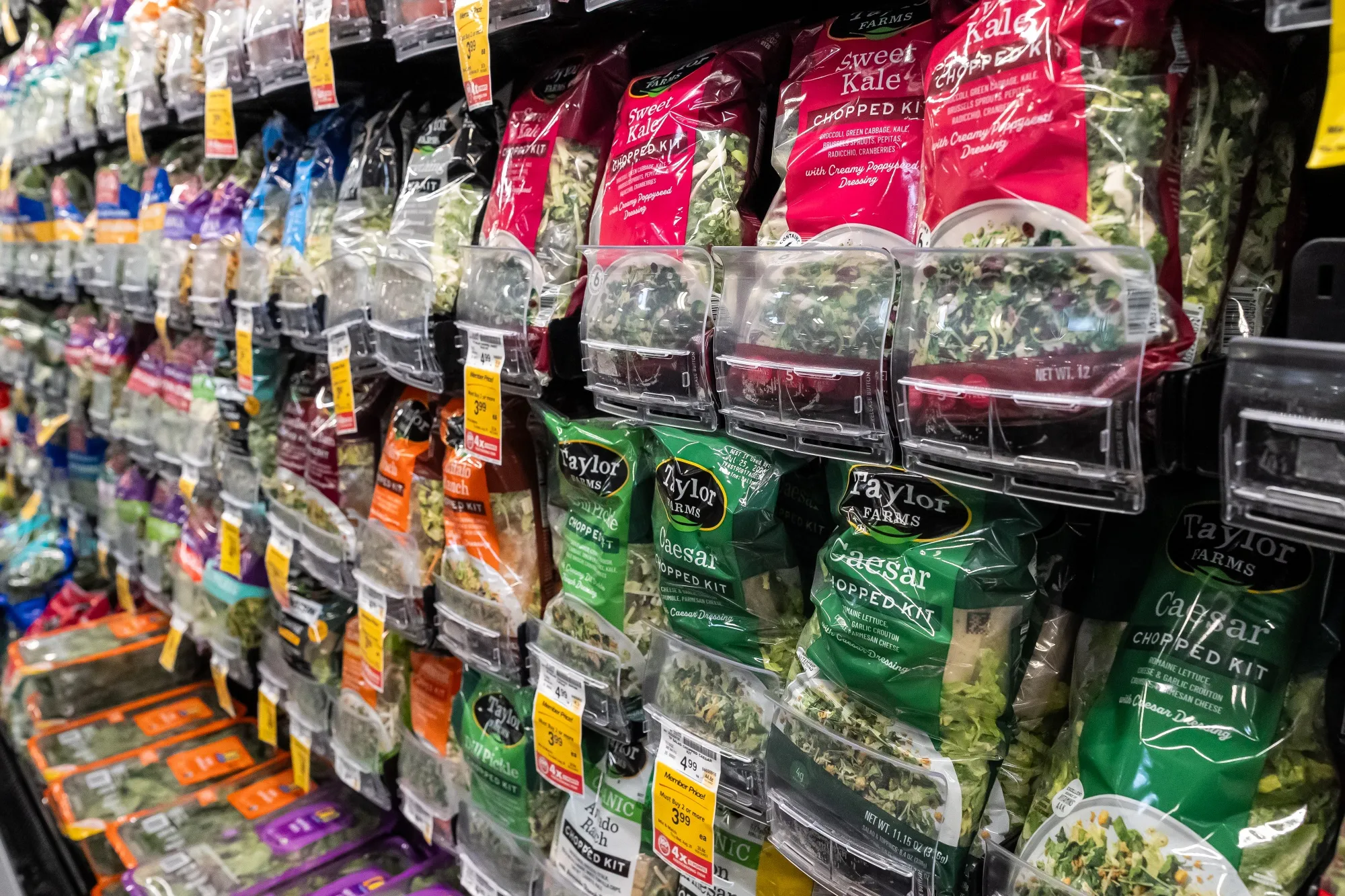
The Taylor Farms cyclospora outbreak investigation (July 2026) represents a critical inflection point in FDA food safety enforcement, with direct implications for cross-border fresh produce sellers and food product merchants on Amazon, Walmart, and specialty food platforms. The congressional investigation triggered by Rep. Robert Garcia's formal letter on July 27, 2026, reveals systemic gaps in FDA testing protocols—specifically the agency's retraction of a positive cyclospora test result as a "false positive," which public health experts identified as highly unusual. This regulatory vulnerability creates a compliance moat for sellers who can demonstrate rigorous, multi-stage testing protocols.
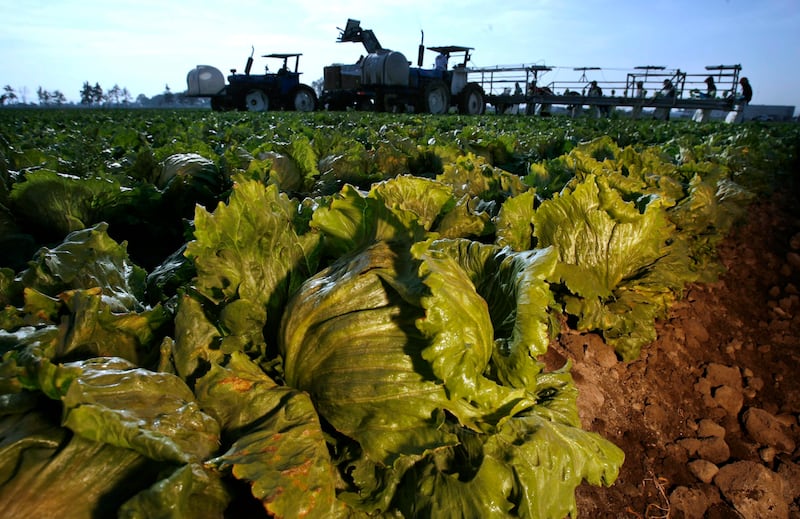
The compliance opportunity is immediate and high-stakes: The FDA's handling of the outbreak—linking illnesses to iceberg lettuce from Taco Bell restaurants across five states on July 16, then identifying Taylor Farms de Mexico as the source on July 17—demonstrates that current traceability and testing standards are insufficient. Sellers of fresh produce, pre-packaged salads, and food products must now anticipate enhanced FDA documentation requirements including: (1) multi-stage pathogen testing with documented protocols, (2) supply chain traceability records traceable to farm-level origin, and (3) White House/political influence disclosure transparency (a novel compliance dimension). The investigation's focus on Taylor Farms' $2M+ in political donations and alleged White House access on the night of FDA identification suggests future enforcement may scrutinize seller-government relationships, creating reputational risk for politically connected suppliers.
Market elimination is accelerating: As of July 24, 2026, Taylor Farms reported no confirmed positive test results in product testing, yet the company faces congressional demands for all communications since outbreak onset. This creates a 30-60 day compliance window where sellers must audit their own testing documentation. Estimated impact: 40-60% of small-to-mid-size fresh produce sellers (under $5M annual revenue) lack the laboratory infrastructure and documentation systems to meet enhanced FDA standards. Compliant sellers can capture market share through certified testing partnerships and transparent supply chain documentation. The fastest compliance path involves partnering with third-party testing labs (SQF, BRC certified) and implementing blockchain-based traceability systems—achievable in 45-90 days at $15K-40K investment for mid-size sellers.
Service gap opportunity: Compliance documentation platforms and FDA-aligned testing coordination services are severely underserved. Sellers need: (1) automated FDA communication logging systems, (2) multi-stage pathogen testing coordination with certified labs, (3) supply chain traceability software with farm-to-consumer documentation. This represents a $200M+ TAM in compliance-as-a-service for food sellers across Amazon, Walmart, and specialty platforms.
Questions 8
What compliance documentation should sellers prioritize in the next 30-60 days?
Sellers should immediately audit: (1) pathogen testing records with lab certifications and multi-stage testing protocols, (2) supply chain traceability documentation from farm to consumer, (3) FDA communication logs and timestamps, (4) product recall procedures and documentation, and (5) political/government relationship disclosures. The investigation's retraction of a false positive test result suggests FDA will demand more rigorous, independently-verified testing. Sellers should partner with SQF or BRC-certified labs to establish baseline testing protocols within 30 days. Documentation should be organized for potential FDA audits or congressional inquiries. Amazon Seller Central and Walmart Vendor Central will likely implement enhanced compliance verification within 60-90 days.
How will this outbreak affect Amazon Fresh and Walmart Fresh vendor requirements?
Both platforms will likely implement stricter vendor compliance requirements for fresh produce categories within 60-90 days, including mandatory SQF/BRC certification, third-party testing documentation, and blockchain traceability systems. Amazon Fresh and Walmart Fresh may require sellers to provide: certified lab testing results, supply chain origin documentation, and FDA communication logs. Non-compliant vendors face delisting risk. Sellers currently on these platforms should proactively submit enhanced compliance documentation to avoid future removal. New sellers entering fresh produce categories should expect 45-90 day onboarding delays for compliance verification. This creates a competitive moat for established, compliant sellers.