



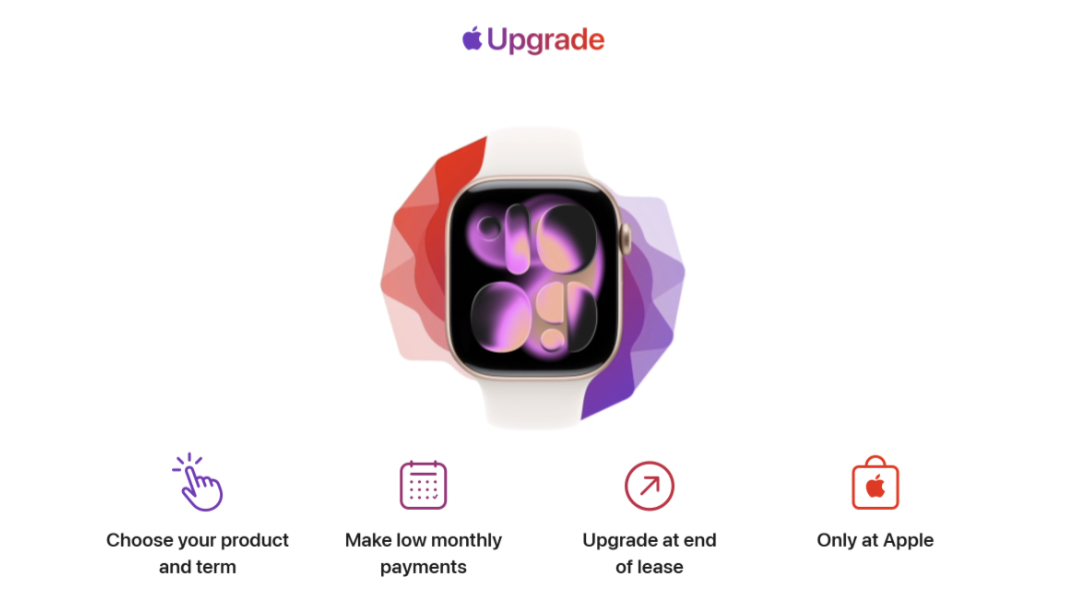
Apple Upgrade Leasing Model Reshapes Device Payment Ecosystem | Seller Financing Opportunities
- 51% of US consumers use installment plans; Apple's shift from BNPL to lease model creates new payment processing opportunities for electronics sellers and third-party device accessory vendors




/Apple%20Inc%20logo%20on%20Apple%20store-by%20PhillDanze%20via%20iStock.jpg)
Overview
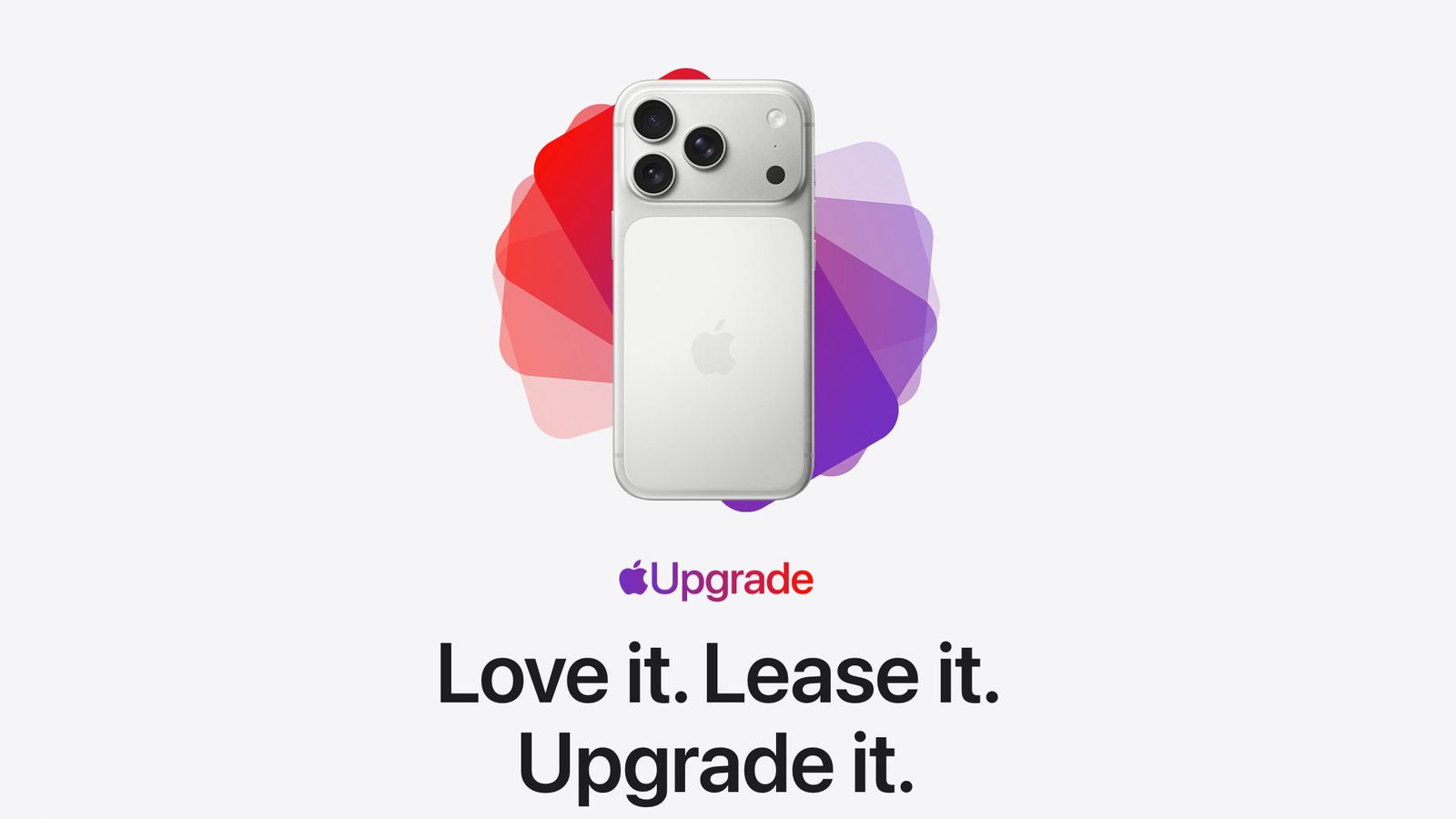
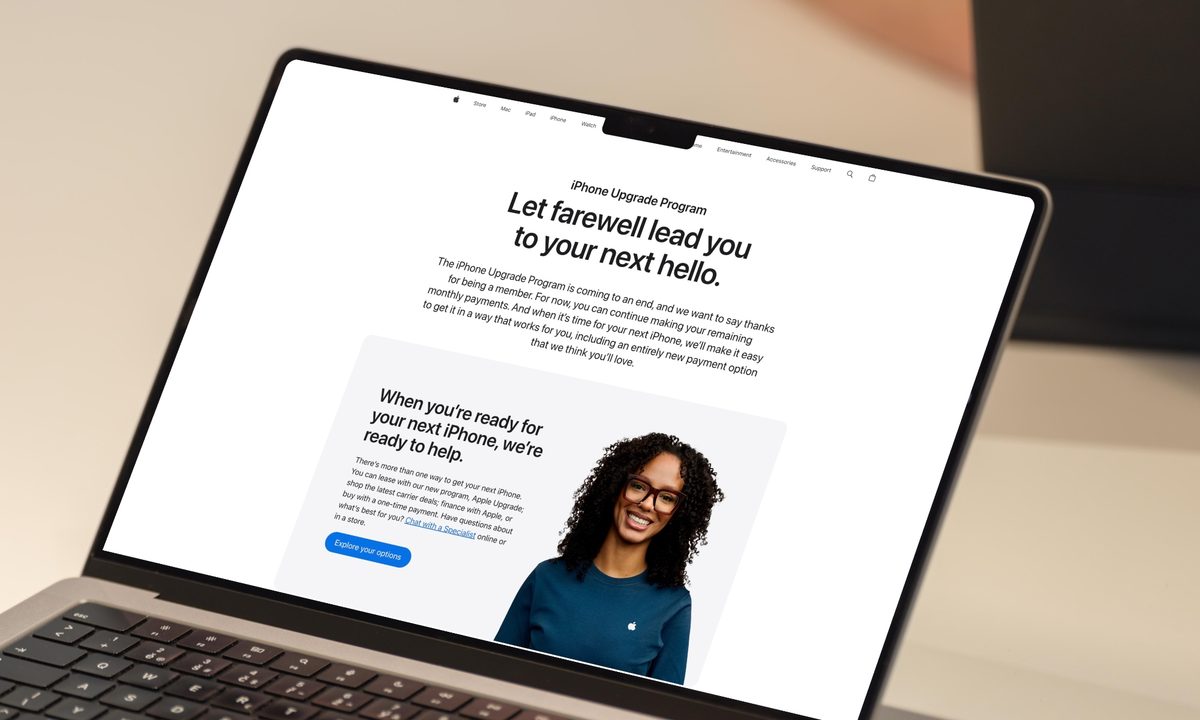
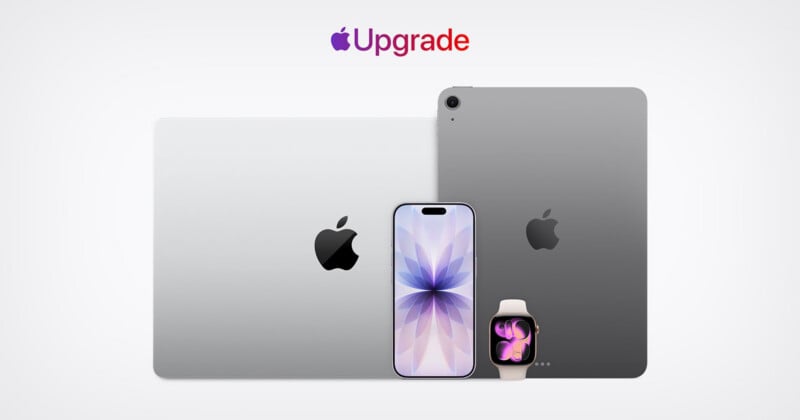
Apple's July 28, 2026 launch of Apple Upgrade through Klarna partnership represents a fundamental shift in consumer device financing that extends far beyond Apple's direct sales. The program transitions from traditional 24-month interest-free installment loans to a structured lease model with monthly payments starting at $17.99 (iPhones), $11.99 (Apple Watches/iPads), and $24.99 (Macs). This shift has profound implications for the broader e-commerce ecosystem, particularly for third-party sellers in electronics, accessories, and refurbished device categories.
Payment Processing & Cash Flow Optimization: The lease structure creates recurring revenue streams that differ fundamentally from traditional BNPL transactions. For third-party sellers on Amazon, eBay, and Shopify, this signals growing consumer acceptance of subscription-based device ownership. Sellers can now implement similar lease-to-own models for premium electronics (laptops, tablets, smartwatches) using Klarna's infrastructure or competing BNPL providers like Affirm and PayPal Credit. The Gallup data showing 51% of Americans using installment plans indicates massive addressable market for sellers offering flexible payment options—potentially reducing friction in high-ticket electronics categories where cart abandonment averages 70%.
FX & Cross-Border Implications: The lease model's recurring payment structure creates predictable cash flows that facilitate better foreign exchange hedging strategies for sellers. Sellers shipping electronics from Asia-Pacific regions (China, Vietnam, Taiwan) to US customers can now lock in FX rates on 12-24 month lease payment streams, reducing currency volatility risk. This is particularly valuable for sellers with high inventory turnover in electronics—they can hedge 6-12 months of expected lease payments upfront, protecting margins against USD weakness. Additionally, the trade-in component (Apple Trade-In reducing monthly payments) creates secondary market opportunities for refurbished device sellers, who can source inventory from lease returns at scale.
Working Capital & Financing Access: The lease model accelerates cash conversion cycles compared to traditional installment sales. Rather than waiting 24 months for payment completion, lease structures typically involve upfront security deposits (5-15% of device value) plus monthly payments, improving seller liquidity. Third-party electronics sellers can now access inventory financing and purchase order financing products specifically designed for lease-model businesses. Lenders like Clearco, Fundbox, and Shopify Capital are increasingly offering products tailored to recurring revenue models, with APR rates 2-4% lower than traditional inventory loans. For sellers managing $500K+ in annual electronics inventory, this could unlock $50-150K in additional working capital at 8-12% APR versus 15-18% for traditional inventory loans.
Competitive Positioning: Apple's shift signals that premium device leasing is becoming mainstream consumer behavior. Sellers of competing brands (Samsung, Google Pixel, iPad alternatives) must now offer comparable financing flexibility or risk losing 20-30% of price-sensitive customers. The program's availability through both Apple's website and retail locations suggests omnichannel payment integration is now table-stakes for electronics sellers. Third-party sellers should prioritize integrating Klarna, Affirm, and PayPal Credit into their Shopify stores and Amazon listings within 60 days to remain competitive.
Questions 8
What FX hedging strategies should cross-border electronics sellers implement given the lease payment model?
Lease-based financing creates predictable 12-24 month payment streams that enable forward FX hedging. Sellers shipping from Asia-Pacific (China, Vietnam) to US customers can lock in USD exchange rates for expected lease payment revenues using currency forwards or options. For example, a seller expecting $100K in monthly lease payments over 24 months can hedge 50-75% of that exposure at current rates, protecting against USD weakness. This reduces margin compression from FX volatility by 2-4 percentage points. Sellers should work with banks offering trade finance products (HSBC, DBS, Standard Chartered) that provide hedging at 0.5-1.5% cost. The recurring revenue model also improves access to supply chain financing, where lenders offer better rates on predictable cash flows.
Which financing products should electronics sellers prioritize to fund inventory for lease-based sales?
Lease-based business models qualify for specialized inventory and purchase order financing products. **Clearco** offers inventory financing at 8-12% APR for recurring revenue businesses, 2-4% cheaper than traditional inventory loans. **Fundbox** provides working capital lines up to $150K at 10-15% APR based on sales velocity. **Shopify Capital** offers merchant cash advances at 15-25% effective APR but with flexible repayment tied to daily sales. For sellers managing $500K+ in electronics inventory, Clearco's recurring revenue product is optimal—it unlocks $50-150K in additional working capital at lower rates. Sellers should apply 30-60 days before peak selling seasons (Q4, back-to-school) to ensure funding availability. The lease model's predictable payment streams make sellers more attractive to lenders, improving approval rates by 20-30%.