


US Bans Chinese Humanoid Robots & Power Inverters | Critical Supply Chain Shift for Tech Sellers
- FCC immediately restricts new Chinese robot imports; existing inventory permitted; power inverter ban impacts renewable energy and data center sectors; creates $2B+ domestic manufacturing opportunity window
)


)





Overview
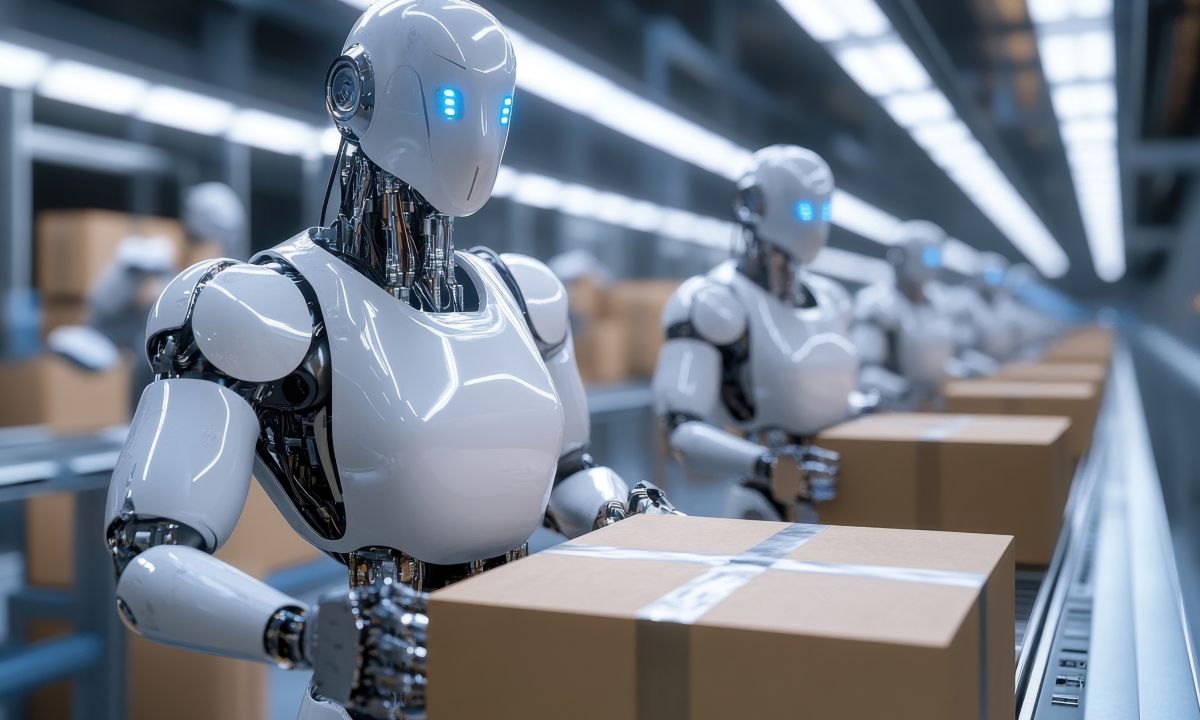
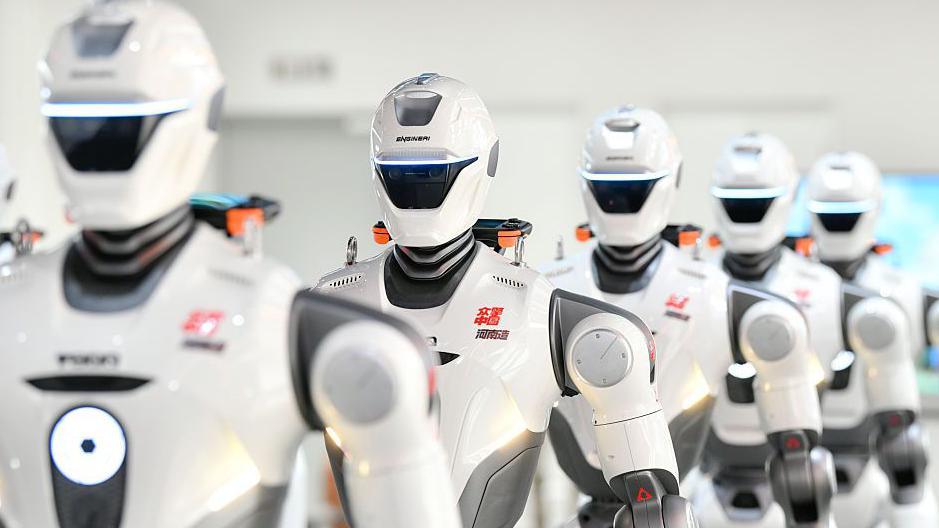
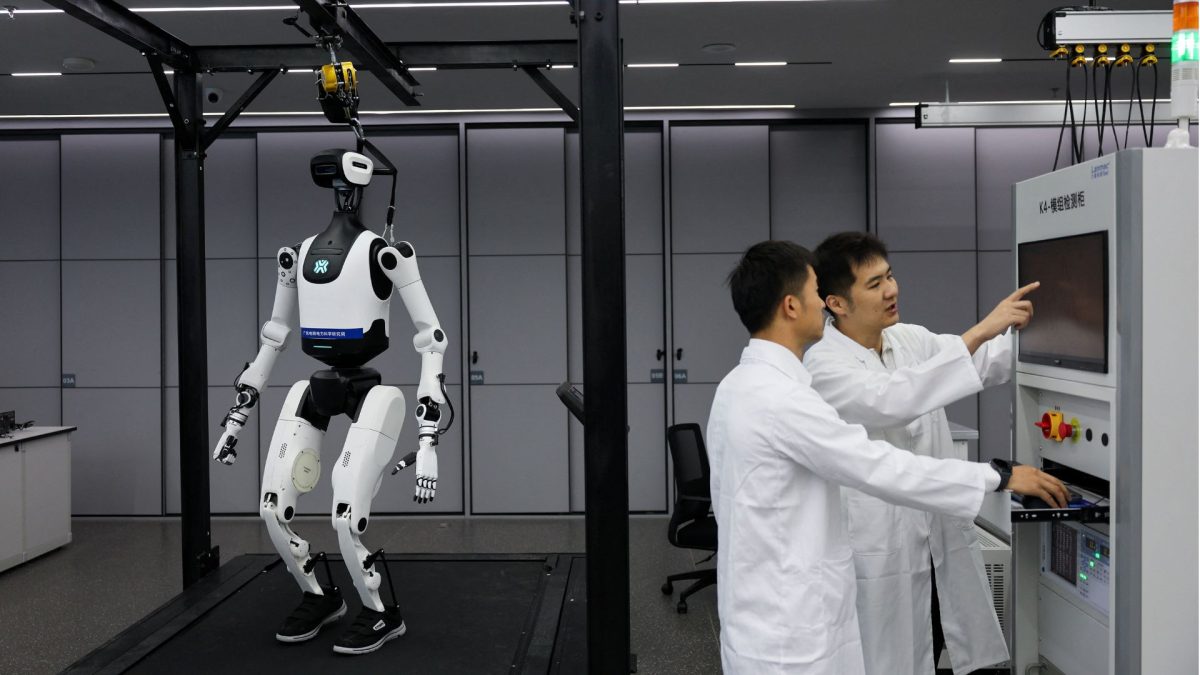
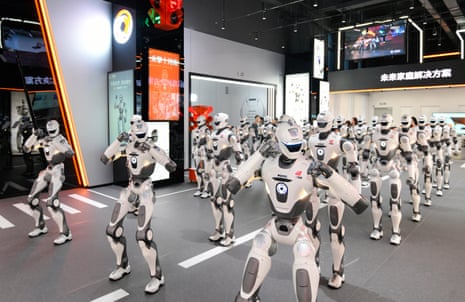
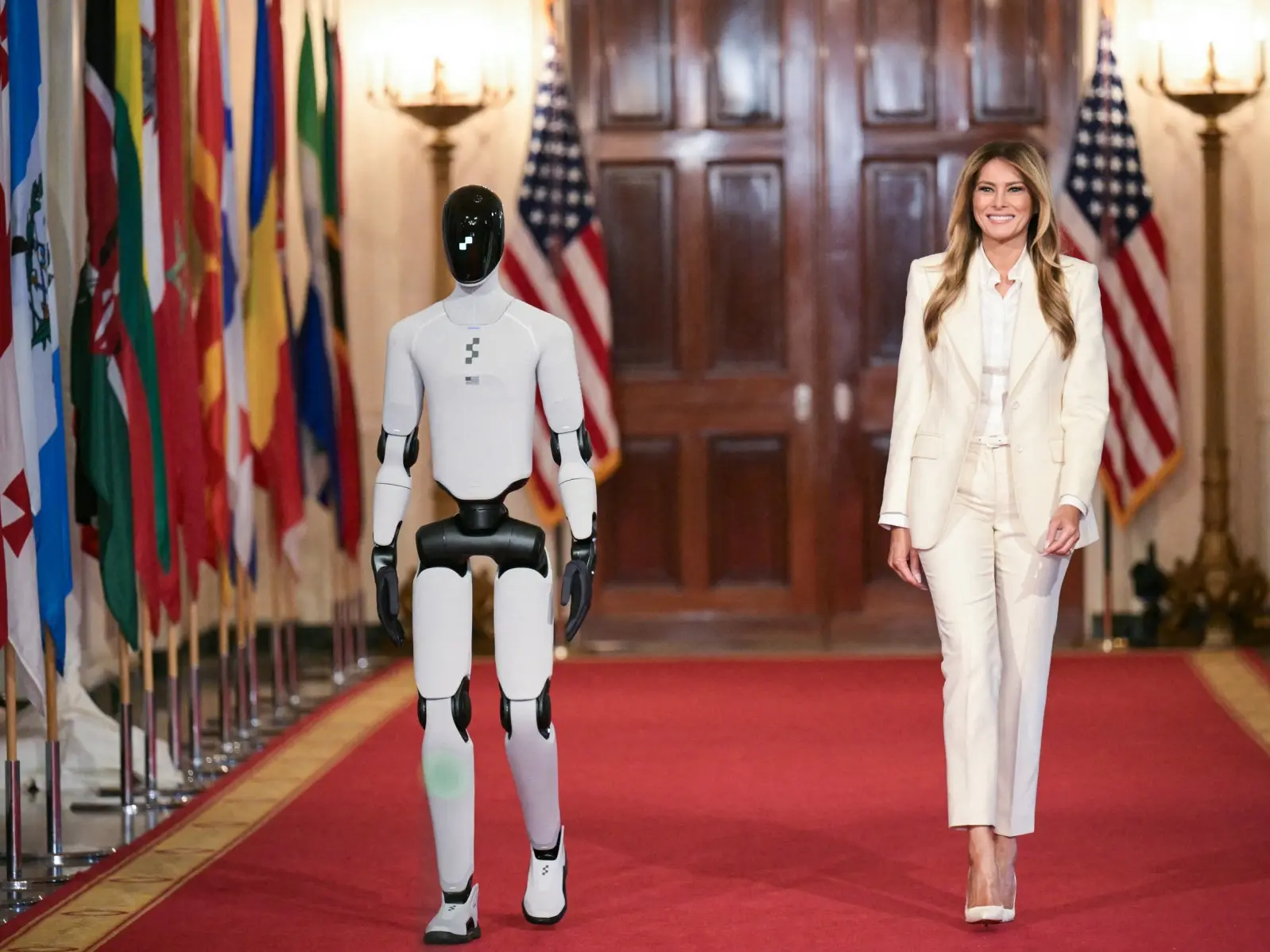
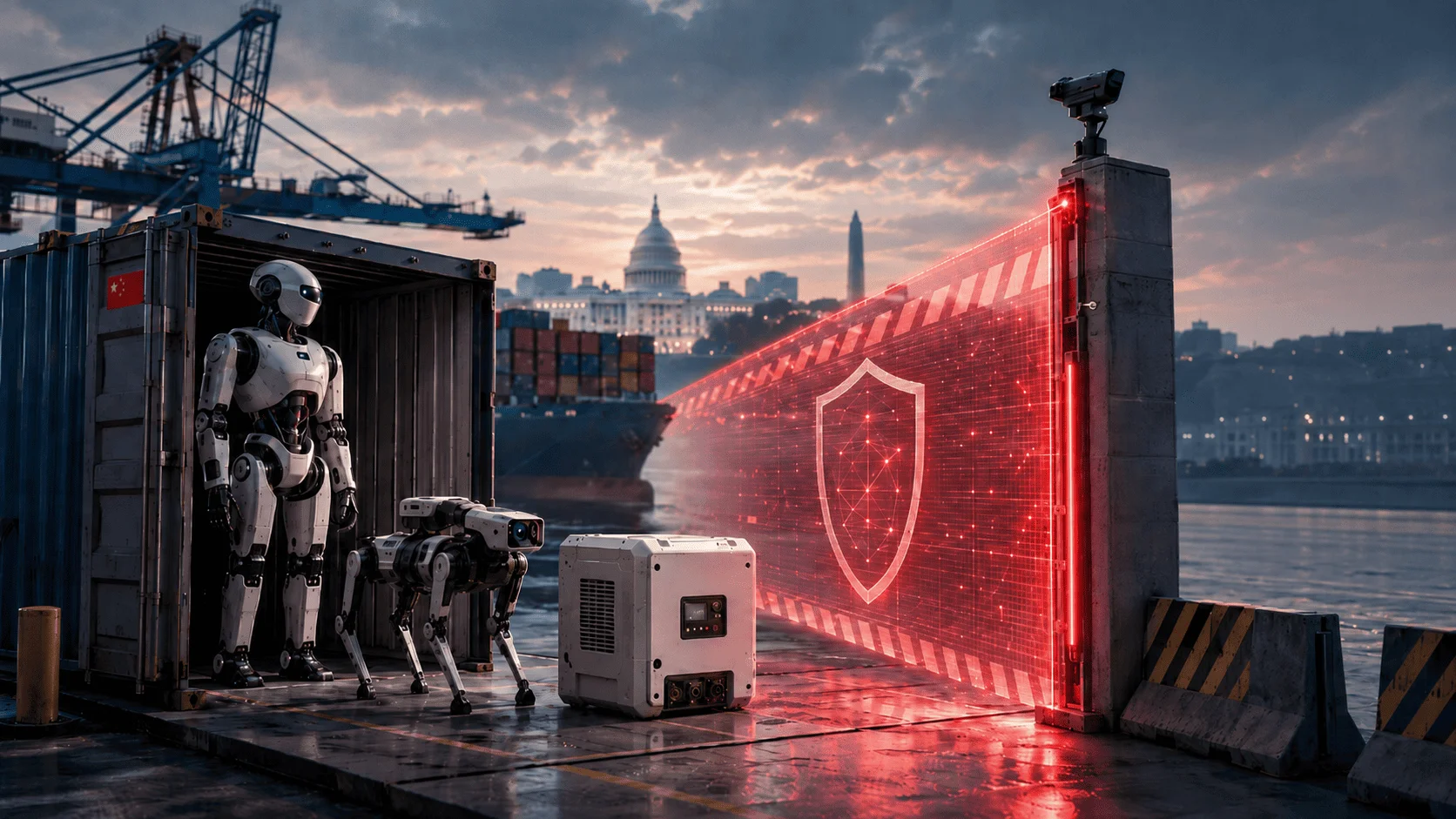
The Federal Communications Commission announced an immediate ban on new foreign-manufactured humanoid robots and advanced robotic devices (including quadrupeds) effective upon announcement, citing unacceptable national security risks. The ban specifically targets new models not yet released in the US market while permitting existing previously-authorized imports to continue sales—a critical distinction for sellers holding current inventory. Simultaneously, the FCC banned connected power inverters used in data centers and solar panels, citing remote disable and surveillance risks. This represents a fundamental shift in US-China technology decoupling with direct implications for cross-border e-commerce sellers.
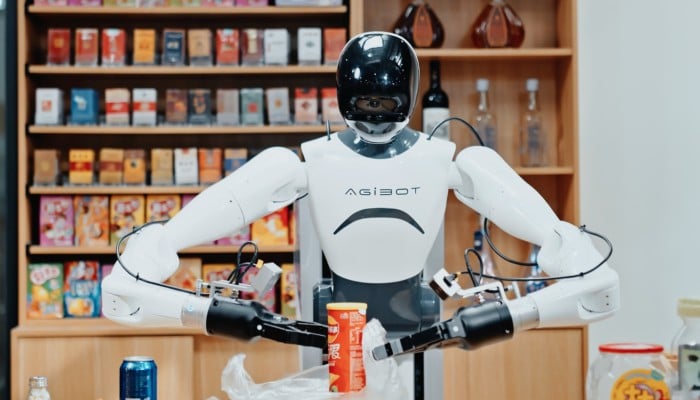
The tariff arbitrage opportunity is substantial: Chinese companies Unitree, UBTech, and AgiBot have rapidly commercialized humanoid robots for factory and home applications, outpacing US competitors in market deployment. The ban creates an immediate competitive advantage for US-based robotics manufacturers and sellers of domestically-produced alternatives. For e-commerce sellers, this translates to three distinct opportunities: (1) existing inventory of previously-authorized Chinese robots can be liquidated at premium prices before potential revocation authority is exercised; (2) sellers can pivot to sourcing US-manufactured robotics alternatives from companies like Boston Dynamics and Tesla; (3) complementary product categories—robot accessories, maintenance parts, software integrations—face reduced competition from Chinese imports.
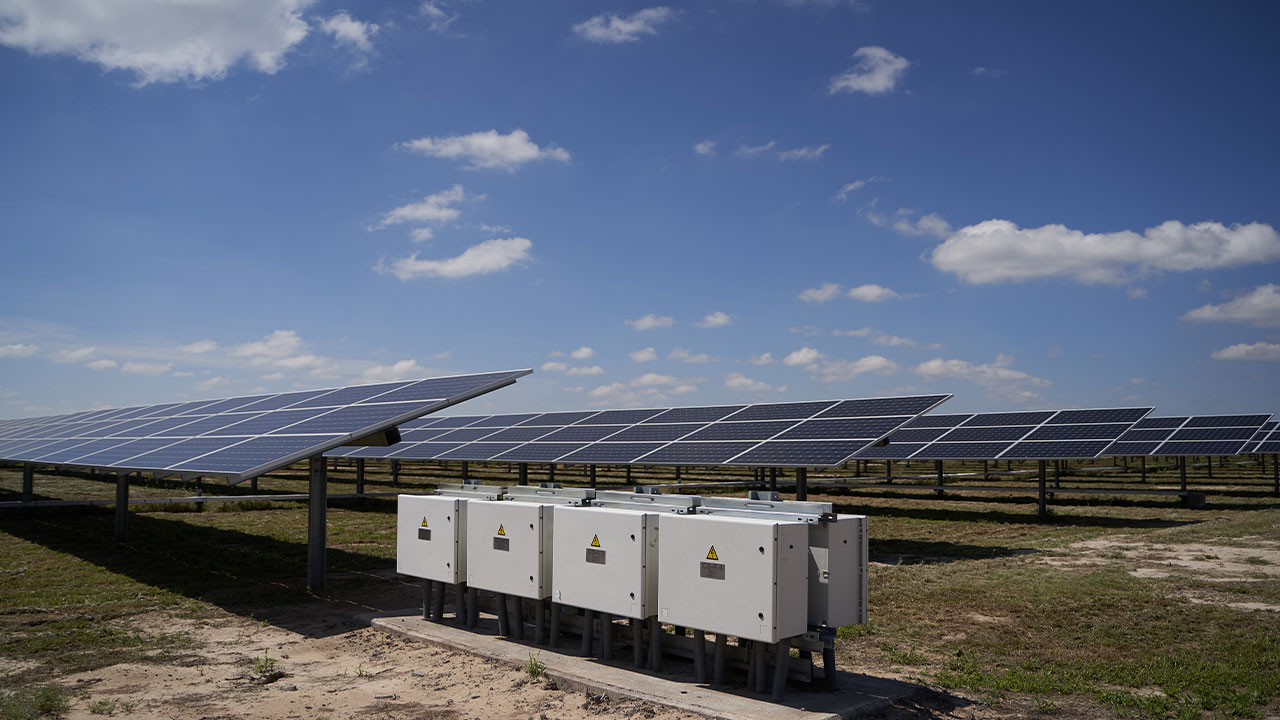
The power inverter component carries immediate economic implications: China dominates this sector through manufacturers like Sungrow Power Supply and Huawei (both already under US sanctions). The ban creates a supply shortage for renewable energy and data center infrastructure projects, driving up component costs 15-25% and creating demand for alternative suppliers from Vietnam, India, and South Korea. Sellers specializing in renewable energy equipment, solar panel accessories, and data center components should expect margin compression on Chinese-sourced products and increased demand for alternative-sourced inventory. The FCC retains authority to revoke existing authorizations for previously approved models already in circulation, creating uncertainty that could trigger rapid inventory liquidation if enforcement escalates.
Timing is critical: The ban is effective immediately for new models, but the revocation authority creates a 30-90 day window before existing inventory faces potential restrictions. Sellers holding Chinese robot or inverter inventory should prioritize liquidation through Amazon, eBay, and Shopify during this window. The broader policy context—previous semiconductor sales blocks to China, steep EV tariffs, and threatened AI firm sanctions—indicates sustained escalation, suggesting this ban will likely expand to additional product categories within 6-12 months.
Questions 8
What exactly is banned under the FCC's new humanoid robot restrictions?
The FCC banned new foreign-manufactured humanoid robots, four-legged robotic devices, and connected power inverters effective immediately. Critically, the ban targets only new models not yet released in the US market—existing previously-authorized imports can continue sales. However, the FCC retains authority to revoke existing authorizations for models already in circulation. Chinese companies Unitree, UBTech, and AgiBot are directly affected. Sellers holding current inventory of these brands have a limited window (30-90 days estimated) to liquidate before potential revocation enforcement.
Which product categories beyond robots are affected by this policy?
The power inverter ban directly impacts renewable energy and data center sectors. Sellers of solar panel accessories, battery storage systems, grid-tie inverters, and data center cooling equipment face supply constraints and 15-25% cost increases for Chinese-sourced components. Alternative suppliers from Vietnam, India, and South Korea are experiencing increased demand. Complementary categories—robot maintenance parts, software integrations, automation accessories—face reduced Chinese competition, creating margin expansion opportunities for sellers offering US or alternative-sourced alternatives.