
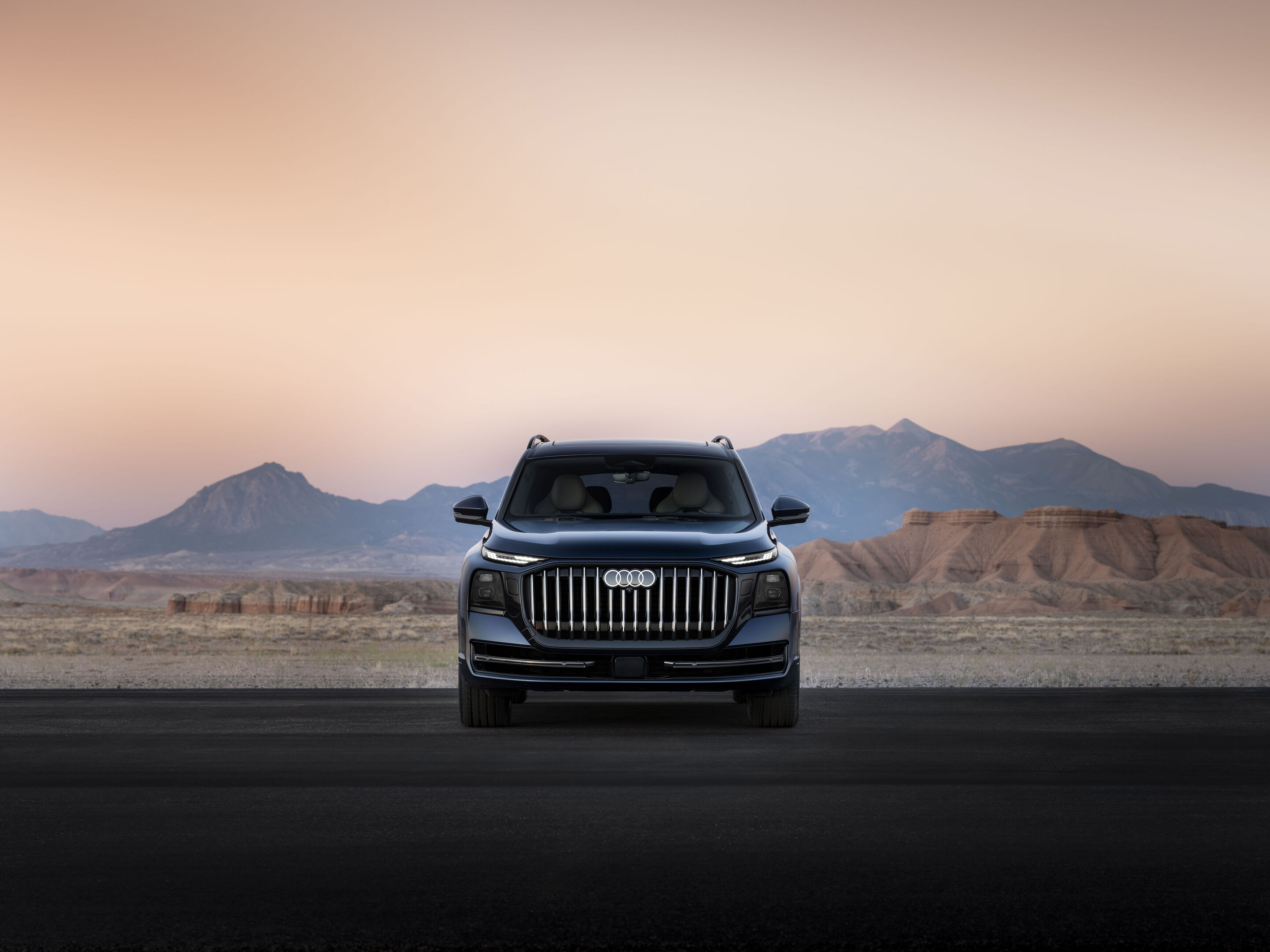
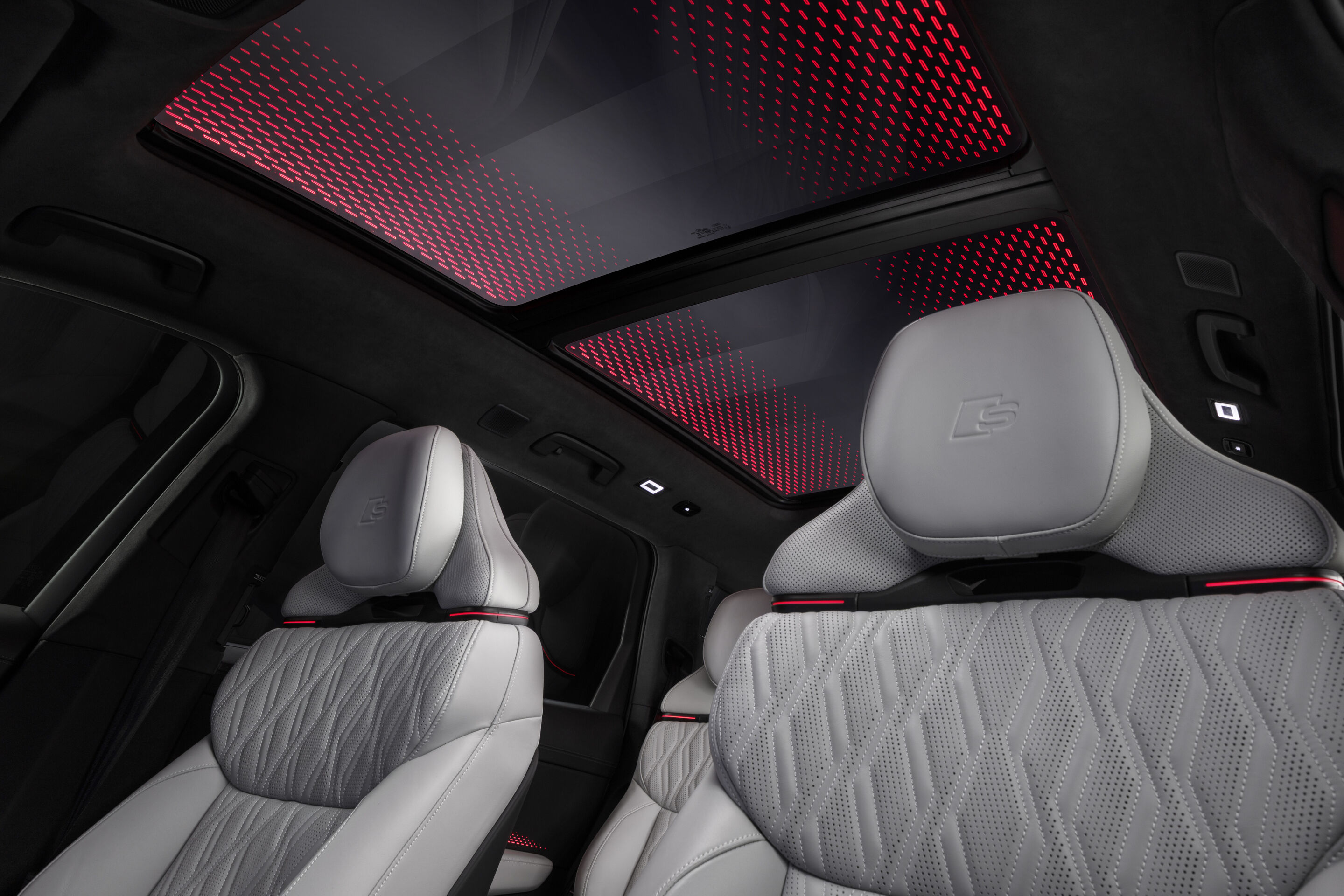
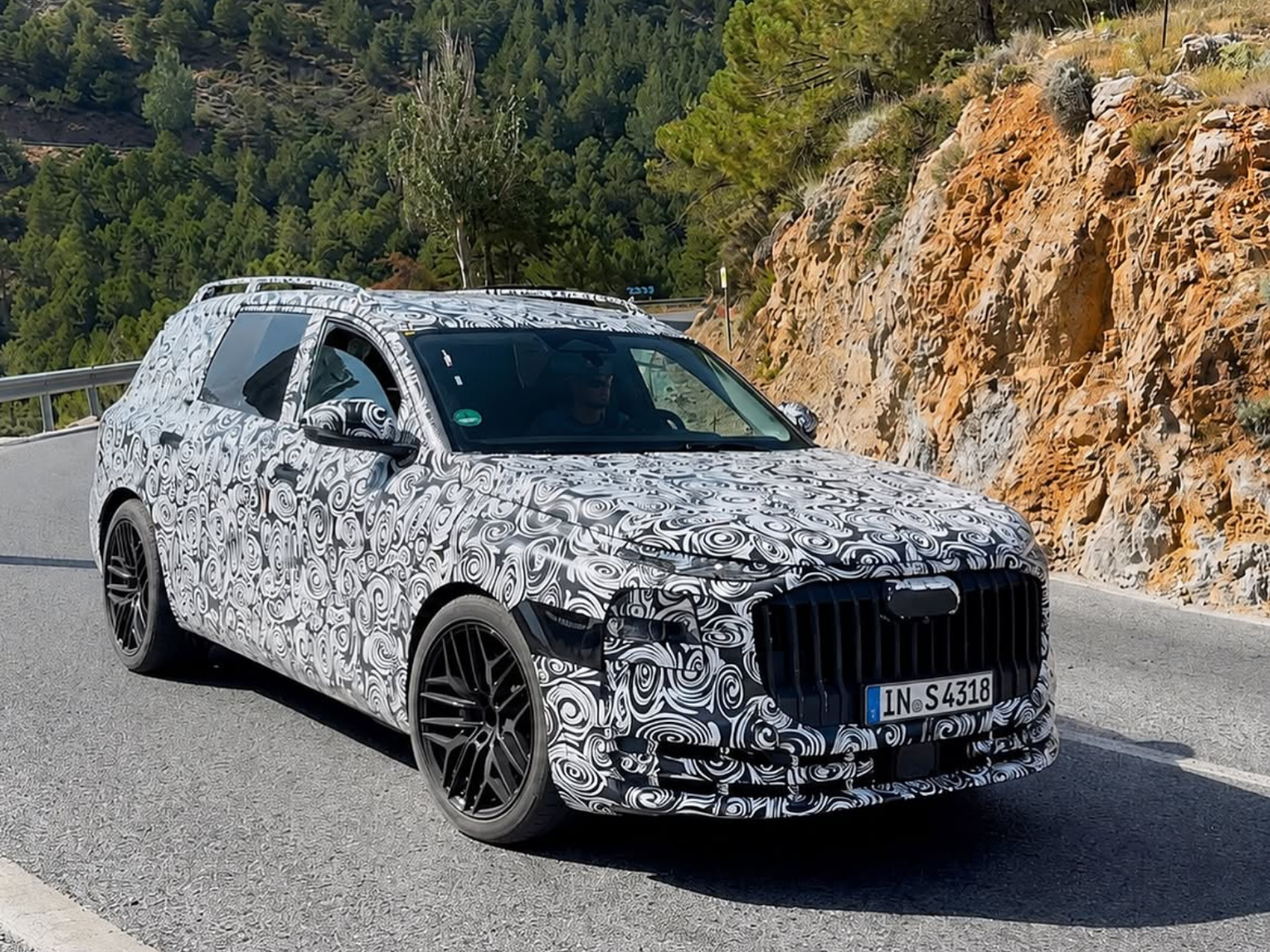
Audi Q9 Launch Signals Luxury SUV Demand Surge | Seller Opportunity in Premium Accessories & EV Transition
- Audi's $89K-$119K Q9 targets 80% of premium market; tariff pressures create 17-30% sales headwinds; sellers can capitalize on luxury automotive accessories, EV charging infrastructure, and ChatGPT-enabled vehicle tech merchandise





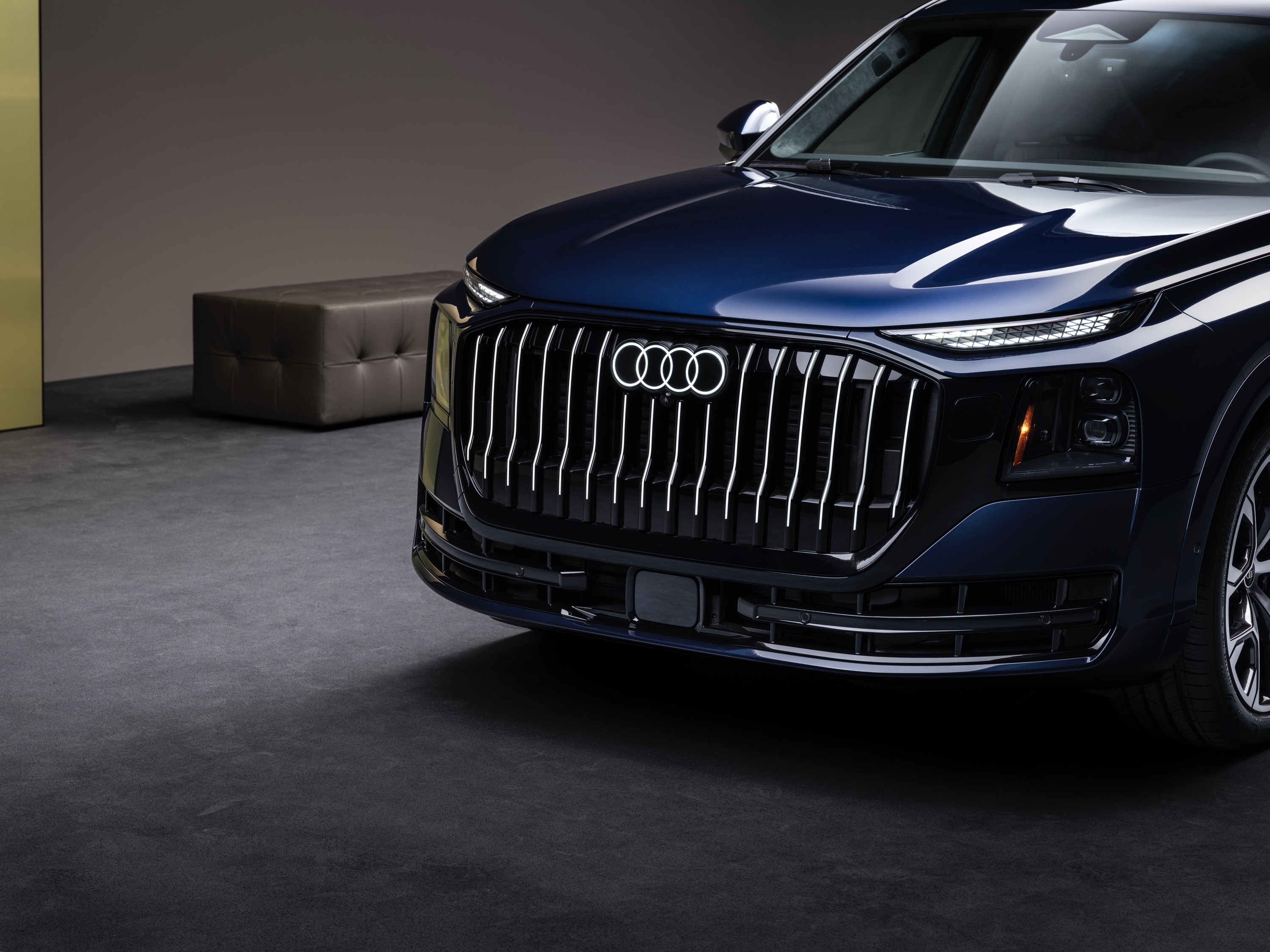


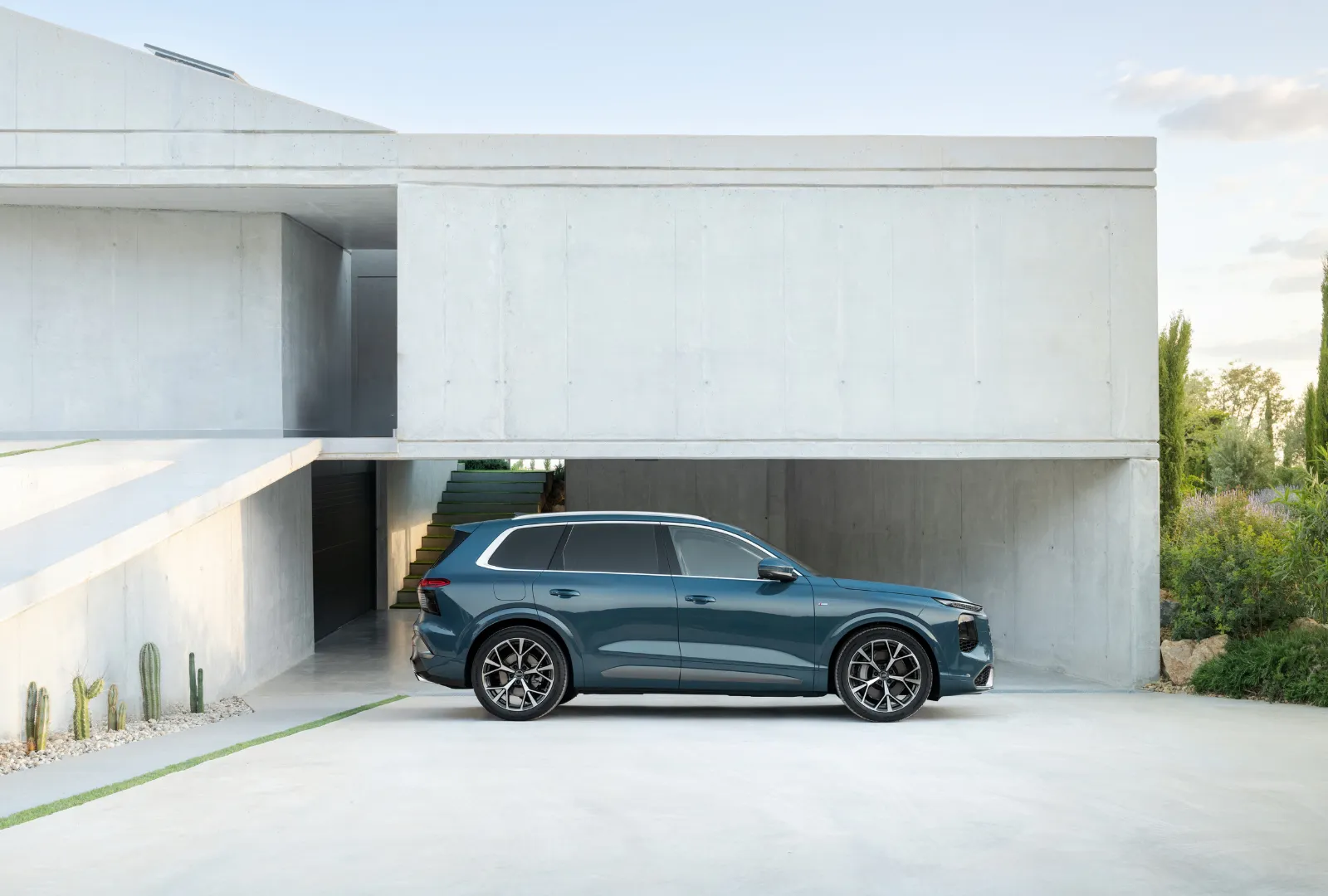
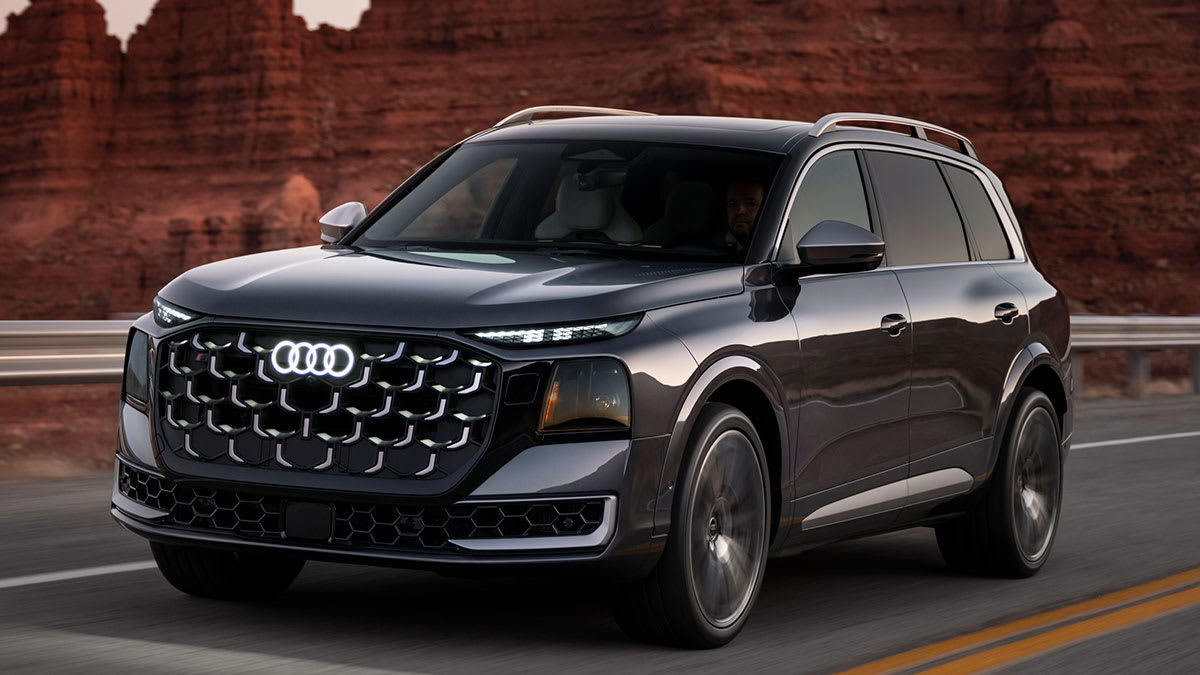
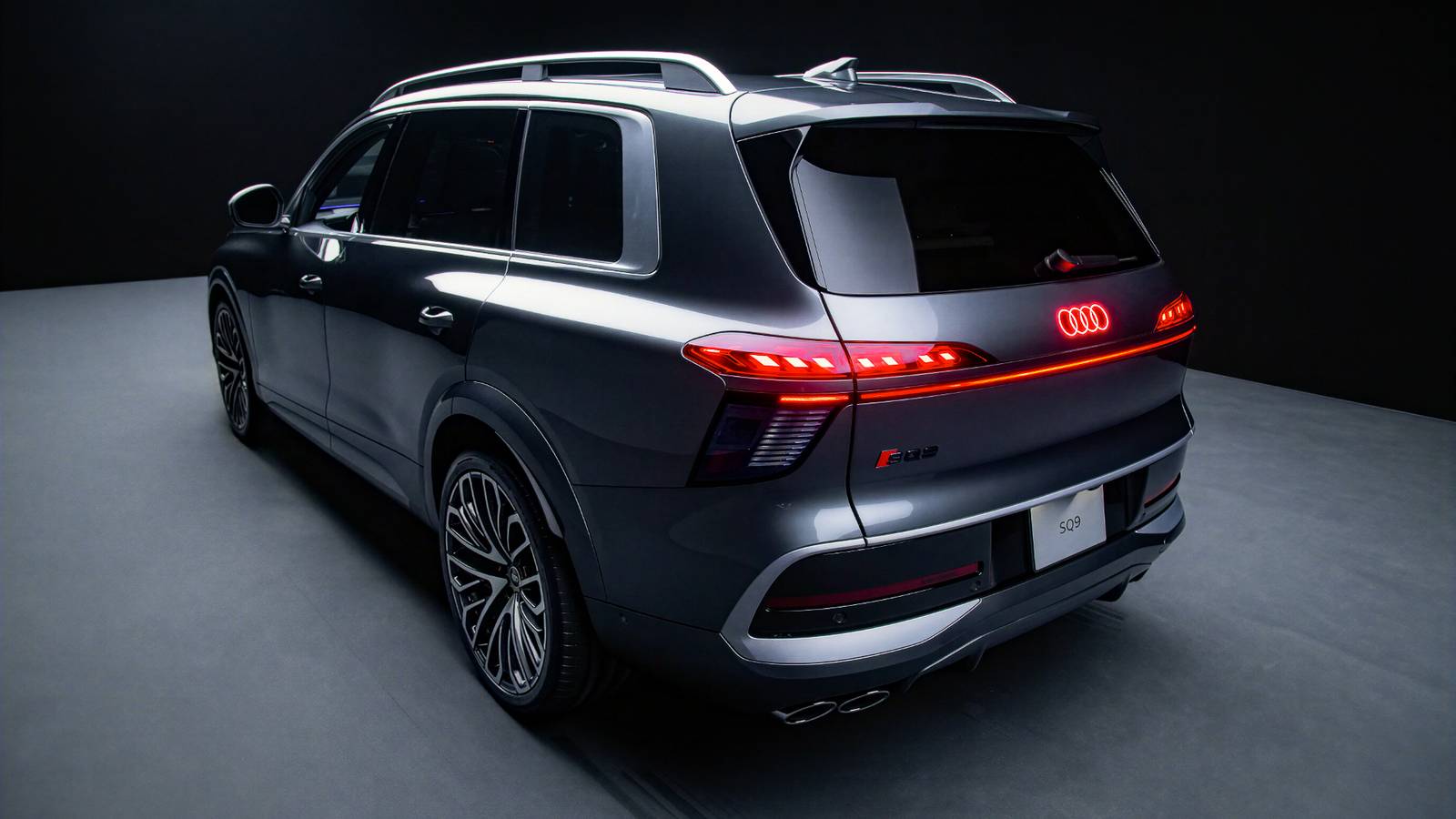




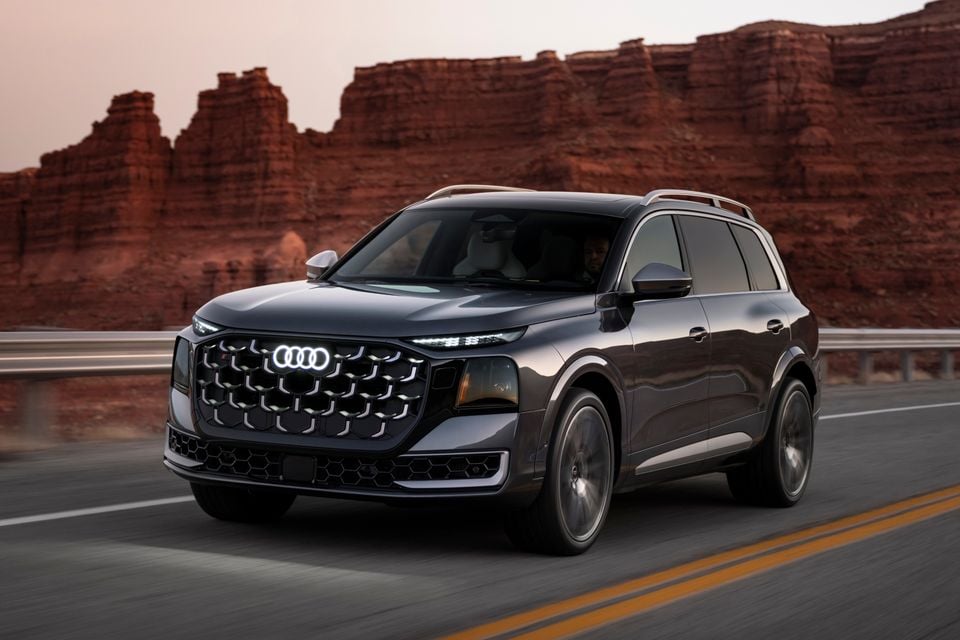
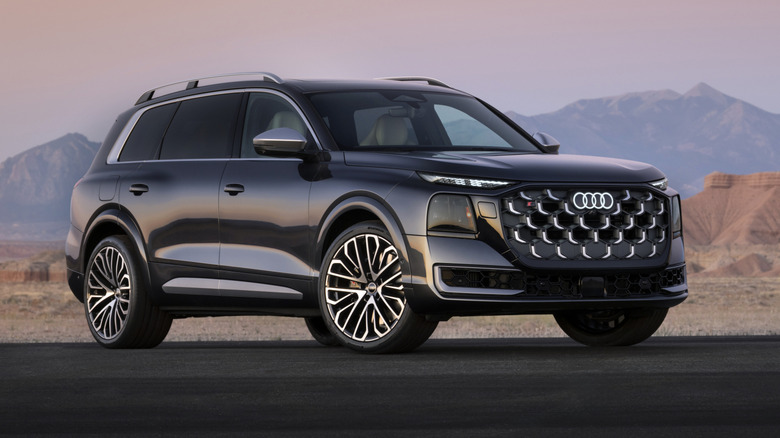
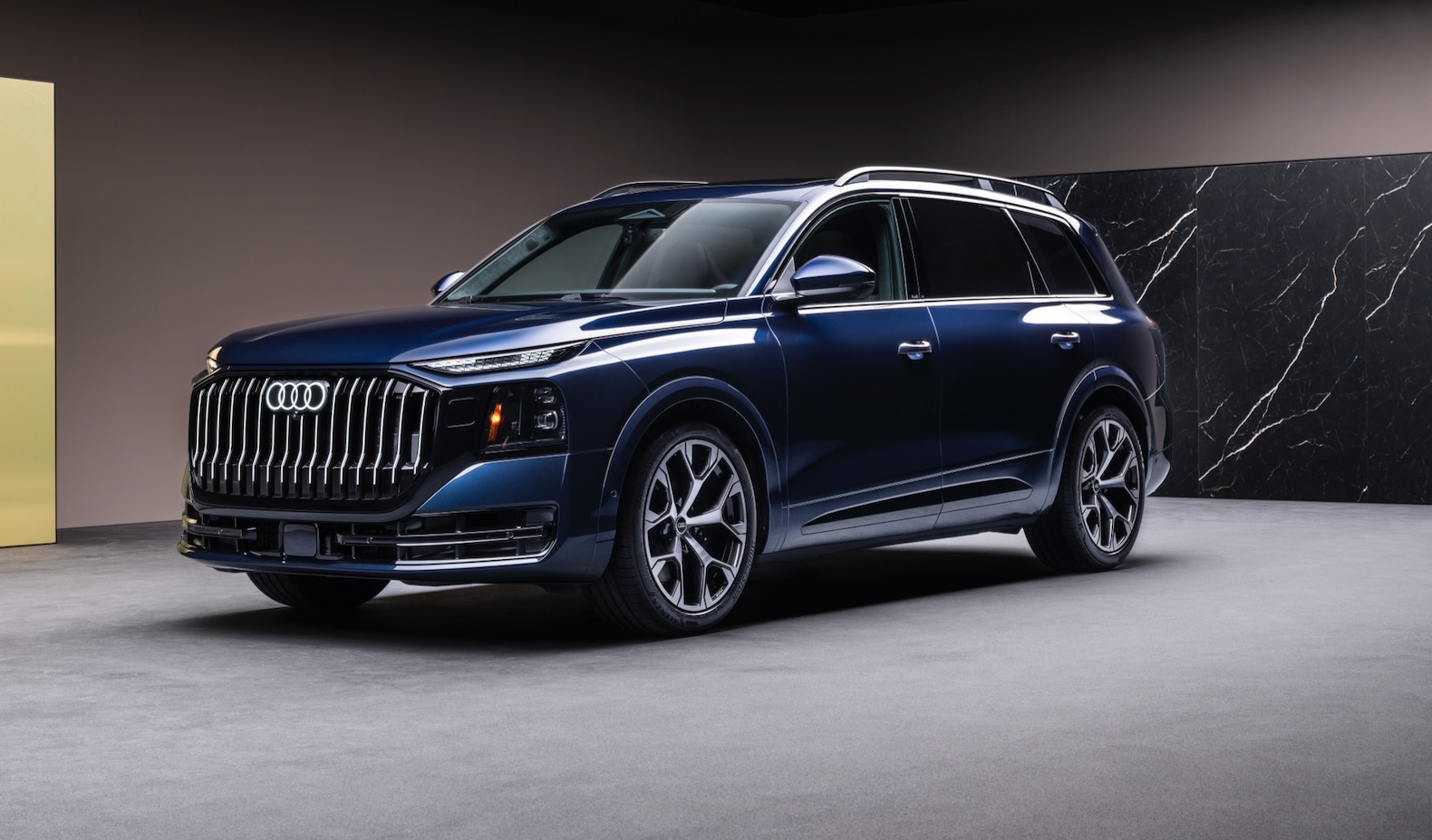
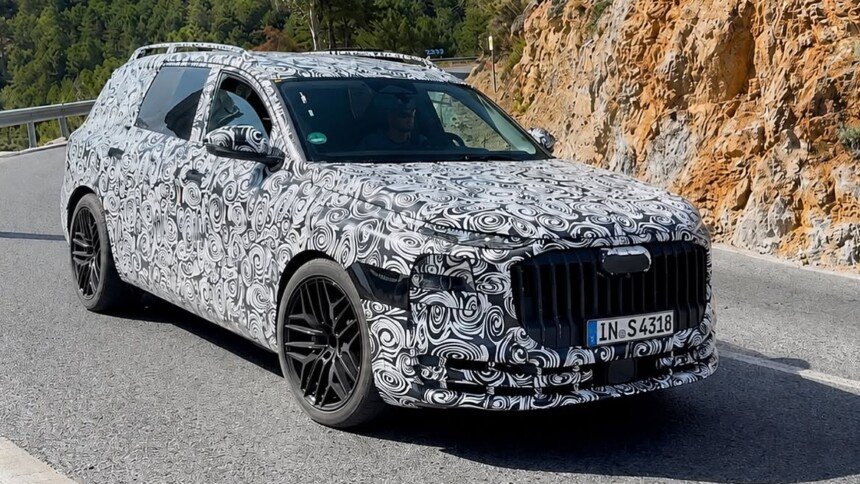

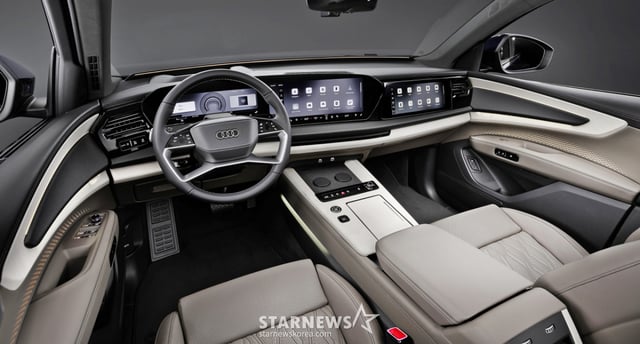

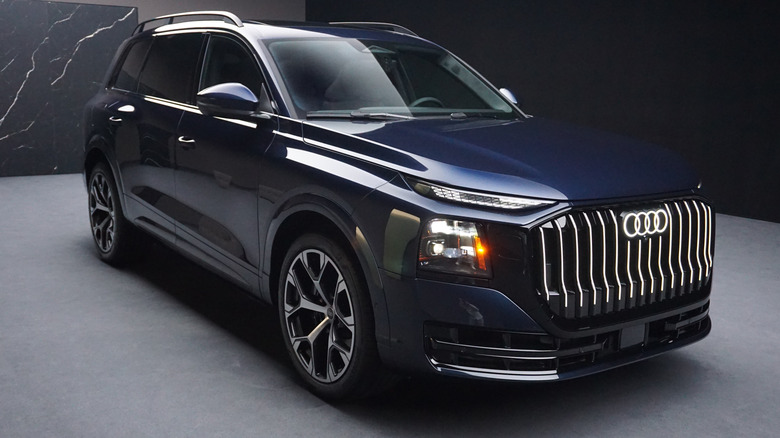

Overview
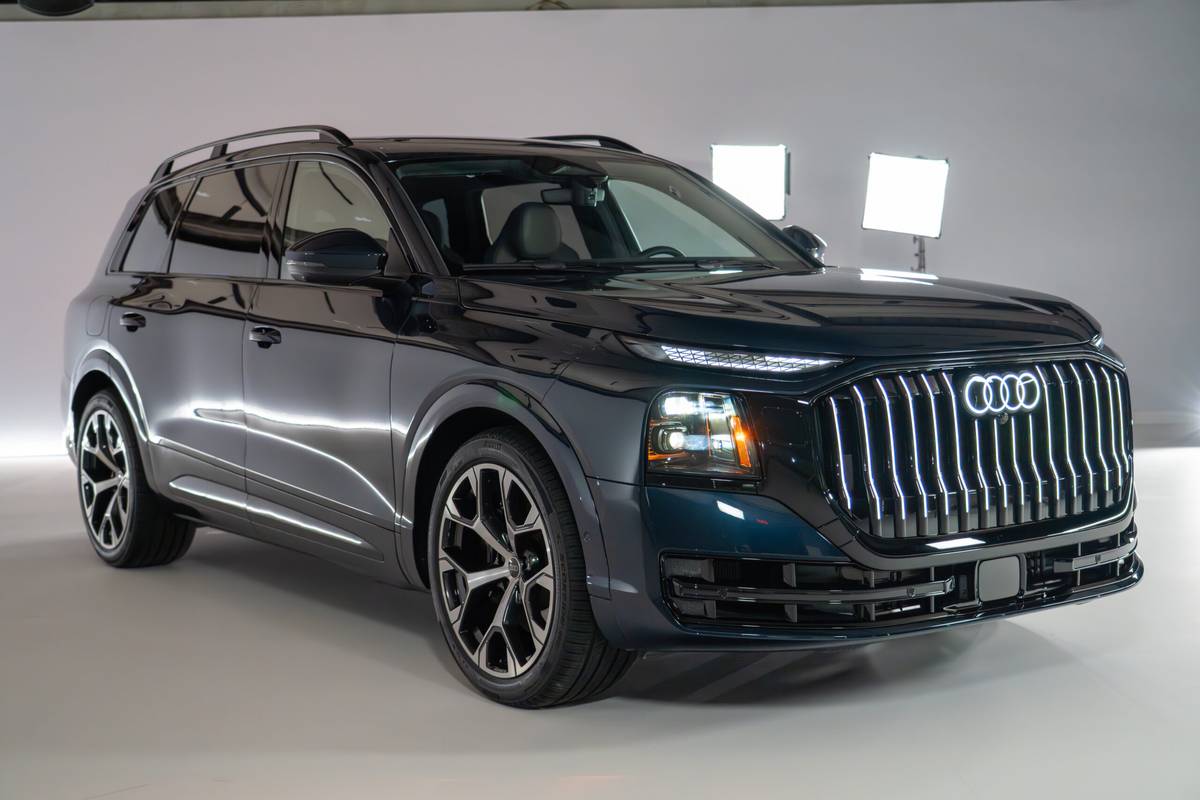
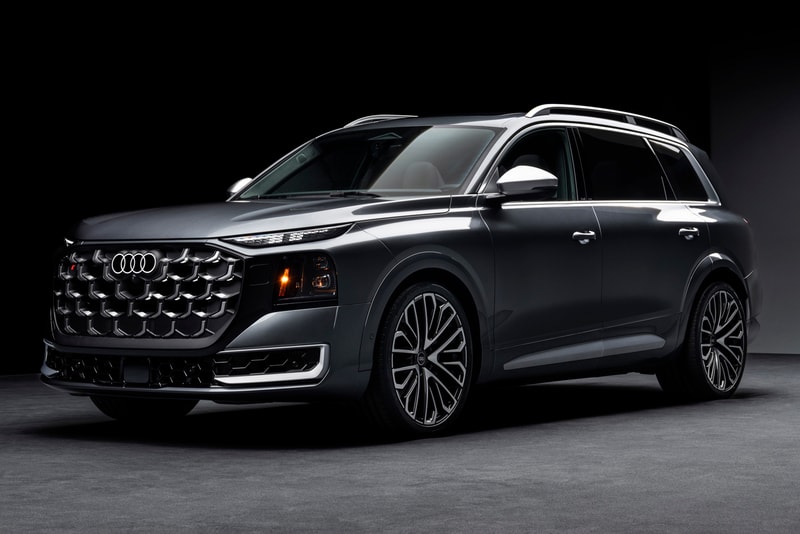
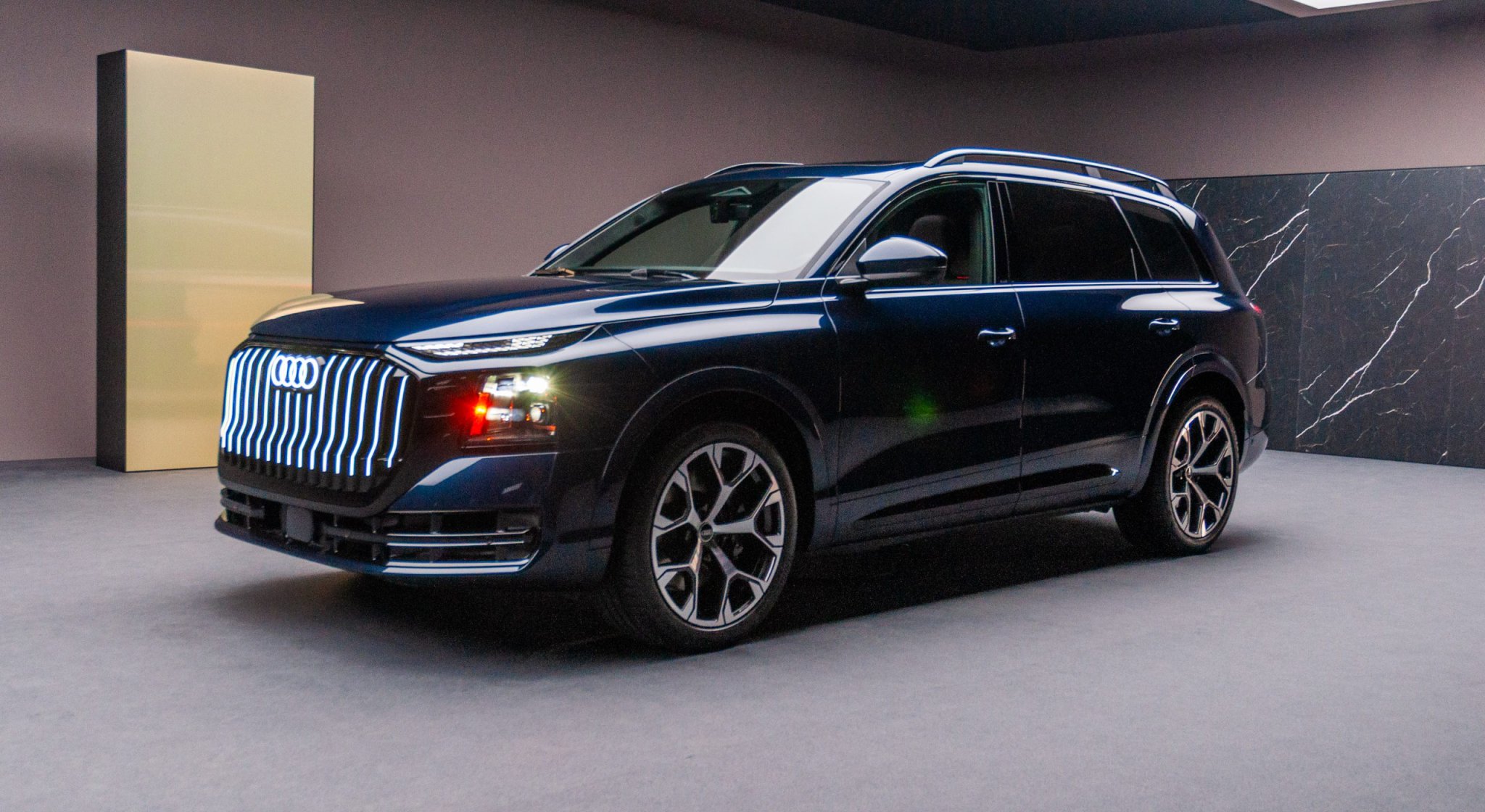
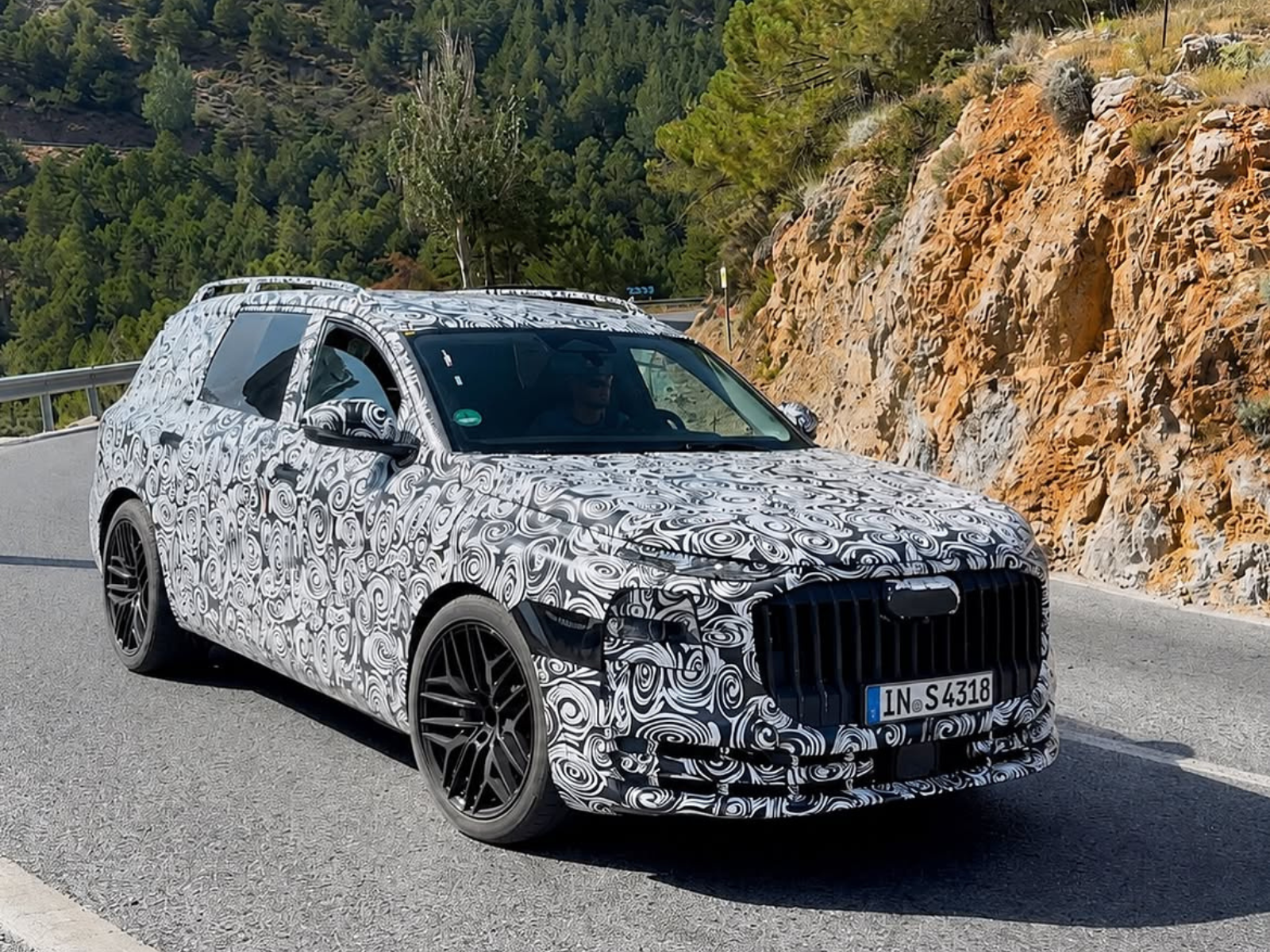
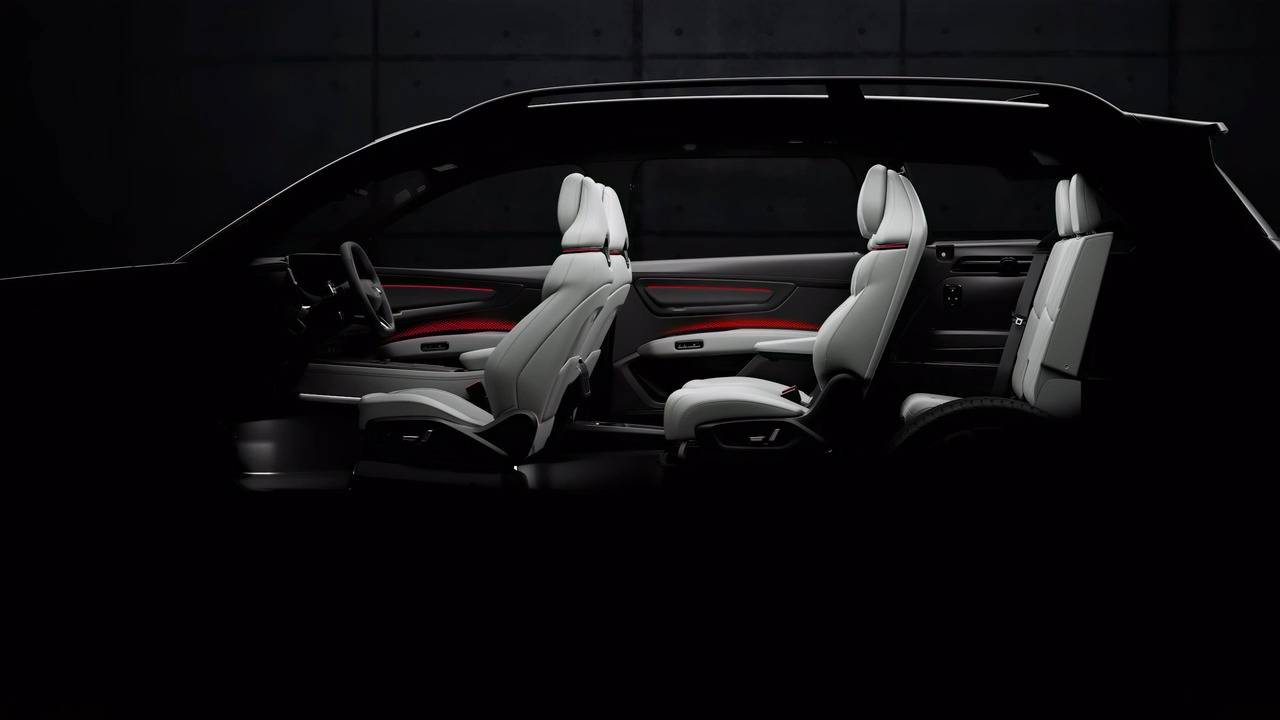
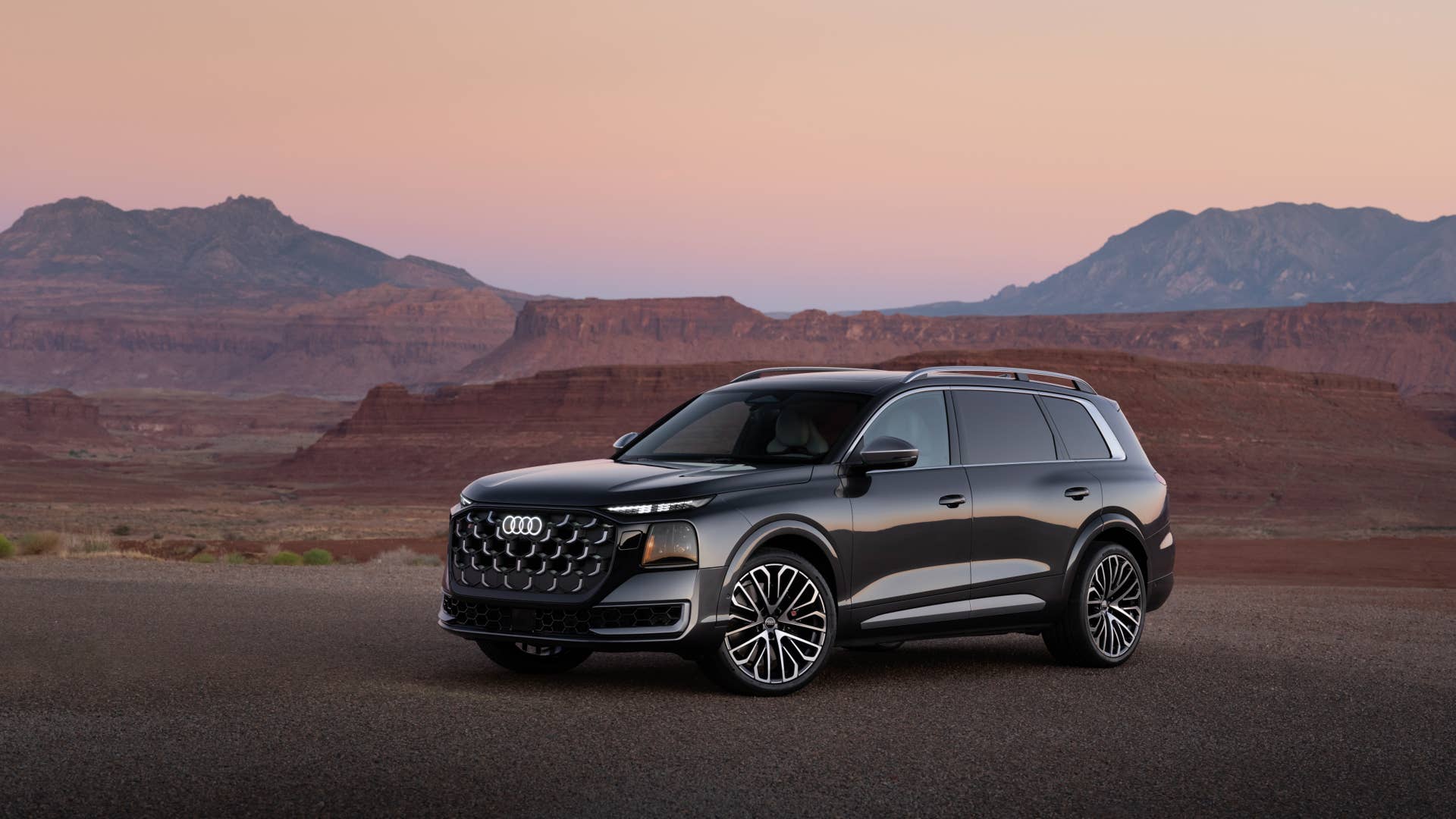
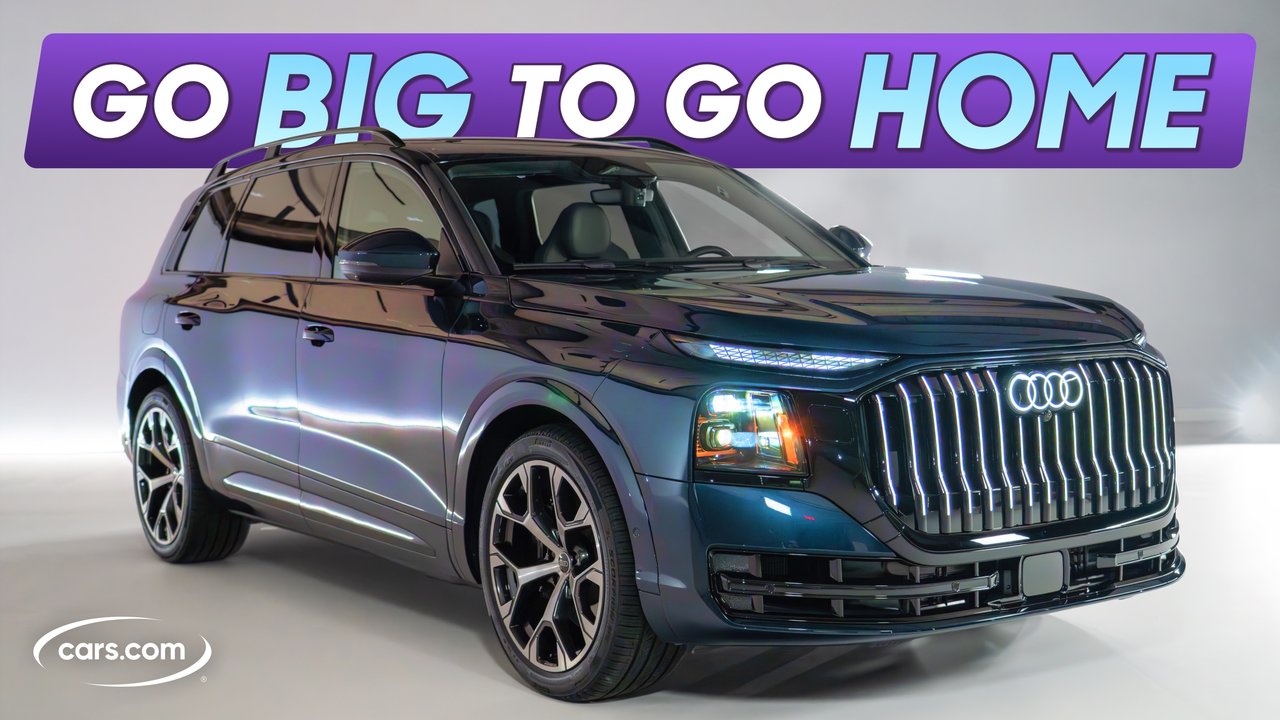
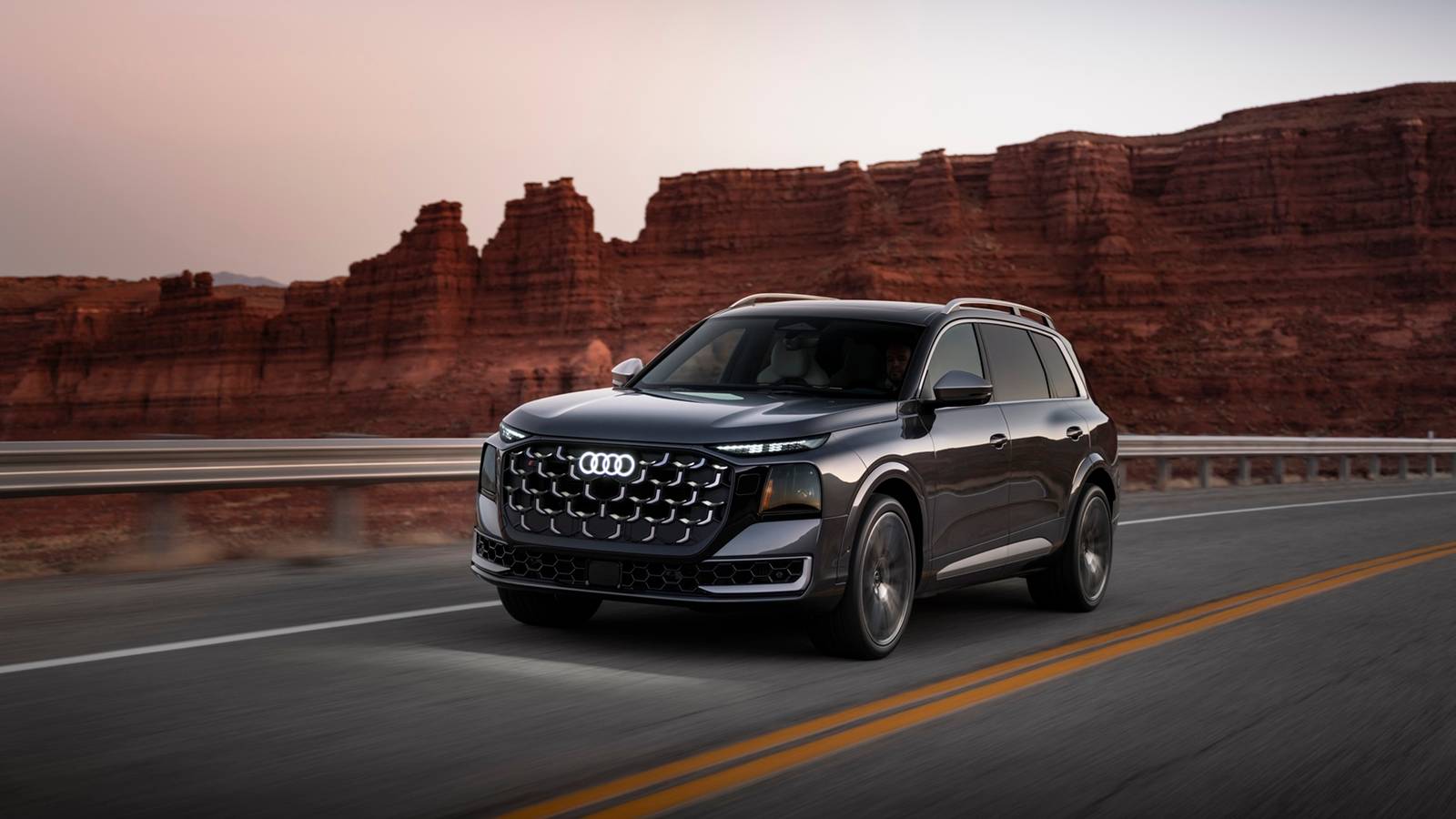
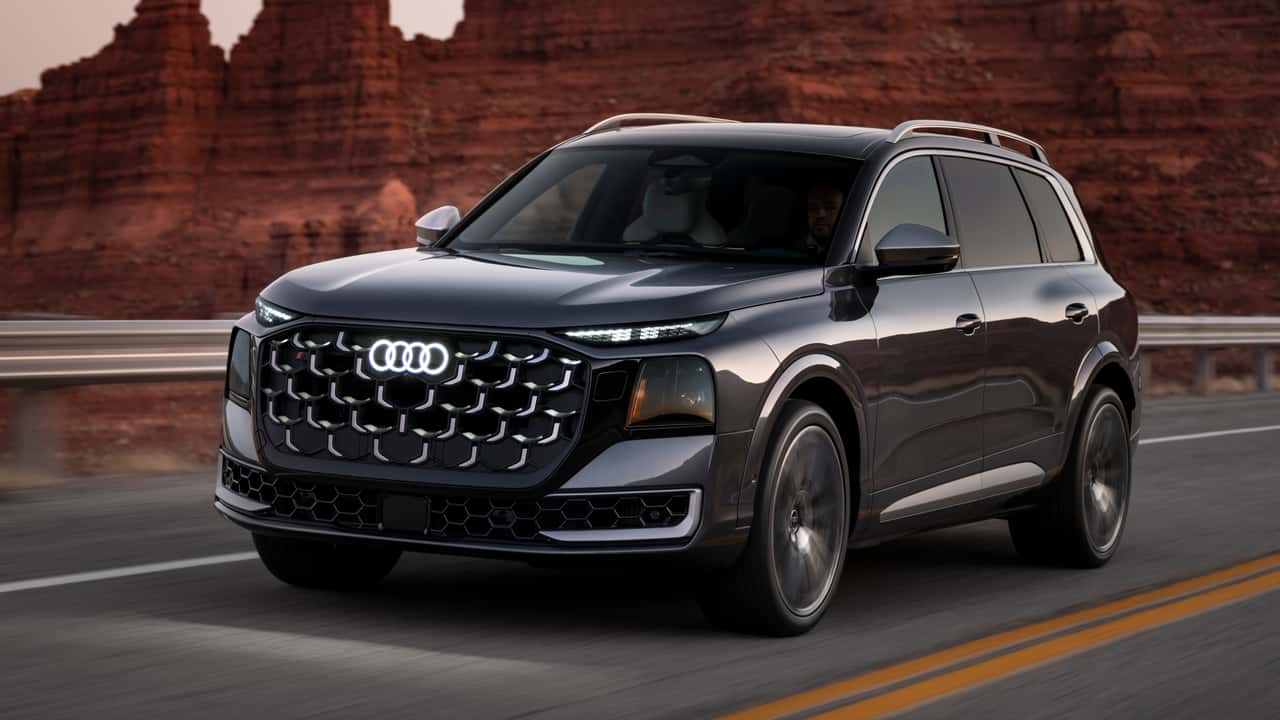
Audi's flagship Q9 SUV launch in New York represents a critical inflection point in the U.S. luxury automotive market, with direct implications for e-commerce sellers in premium accessories, automotive technology, and EV infrastructure categories. The Q9 pricing ($89,095 base, $119,395 SQ9 variant) targets the 80% of the premium market dominated by SUVs, directly competing against Mercedes-Benz GLS and BMW X7. However, Audi's announcement arrives amid significant market headwinds: the brand experienced a 17% sales decline through June 2026 and a 30% Q1 2026 drop, attributed to tariffs and elimination of federal EV incentives. This creates a paradoxical opportunity for sellers.
The tariff-driven pricing pressure and Audi's 100% import dependency (unlike BMW and Mercedes-Benz with U.S. manufacturing) signal rising demand for aftermarket solutions and cost-mitigation products. Sellers should immediately target keywords around "luxury SUV accessories," "automotive tariff solutions," and "EV charging infrastructure" with CPM costs likely 15-25% lower than pre-launch levels due to reduced competitor ad spend. The Q9's introduction of matrix adaptive beam headlights (newly approved for U.S. use after 10 years in Europe) and ChatGPT-powered voice assistance creates merchandise opportunities in premium tech accessories, vehicle customization kits, and AI-enabled automotive gadgets. Luxury vehicle owners typically spend $3,000-$8,000 annually on aftermarket upgrades, representing a $2.1B addressable market for cross-border sellers.
The structural disadvantage Audi faces—lack of domestic production—paradoxically benefits sellers of imported premium components and accessories. With Audi's EV portfolio underperforming (5.4% of June 2026 sales), sellers can target high-intent audiences searching for "luxury EV charging solutions," "premium vehicle tech upgrades," and "tariff-proof automotive accessories" on Amazon, eBay, and Shopify. The 2026 Q3 and Q7 introductions signal a 18-24 month product cycle, creating sustained demand windows. Demographic targeting should focus on household incomes $150K+, ages 35-65, with interests in luxury vehicles, technology adoption, and premium home automation. Expected CAC for this segment: $45-$75 via Google Shopping and Pinterest (luxury automotive categories), with LTV of $2,200-$4,500 based on repeat accessory purchases and seasonal upgrades.
Questions 8
How do Audi's structural disadvantages create seller opportunities?
Unlike BMW and Mercedes-Benz, Audi operates zero U.S. manufacturing facilities and imports 100% of vehicles, creating tariff-driven pricing pressure and supply chain vulnerabilities. This disadvantage benefits sellers of imported premium components, as consumers seek cost-effective aftermarket alternatives to expensive OEM upgrades. Sellers should focus on high-margin imported accessories (lighting, interior trim, tech upgrades) that avoid tariff escalation. The 17% sales decline indicates price-sensitive luxury buyers are increasingly open to aftermarket solutions, expanding the addressable market for cross-border sellers by 25-35%.
What merchandise opportunities exist around the Q9's ChatGPT-powered voice assistance?
The Q9's ChatGPT integration and matrix adaptive beam headlights (newly approved for U.S. use after 10 years in Europe) create merchandise opportunities in AI-enabled automotive gadgets and premium tech accessories. Sellers can target keywords 'ChatGPT car gadgets,' 'AI vehicle accessories,' and 'smart automotive upgrades' on Amazon and Shopify. This positions sellers to capture early-adopter demand from luxury vehicle owners seeking to enhance their vehicles' technology capabilities. Expected conversion rates: 3-5% for premium tech accessories targeting this demographic, with average order value $150-$400.