



Federal AV Emergency Standards 2026 | Logistics & Last-Mile Delivery Impact for E-Commerce Sellers
- New 180-day compliance deadline reshapes autonomous delivery infrastructure; sellers using AV logistics in Bay Area and 10+ expansion cities face operational changes and cost adjustments
Overview
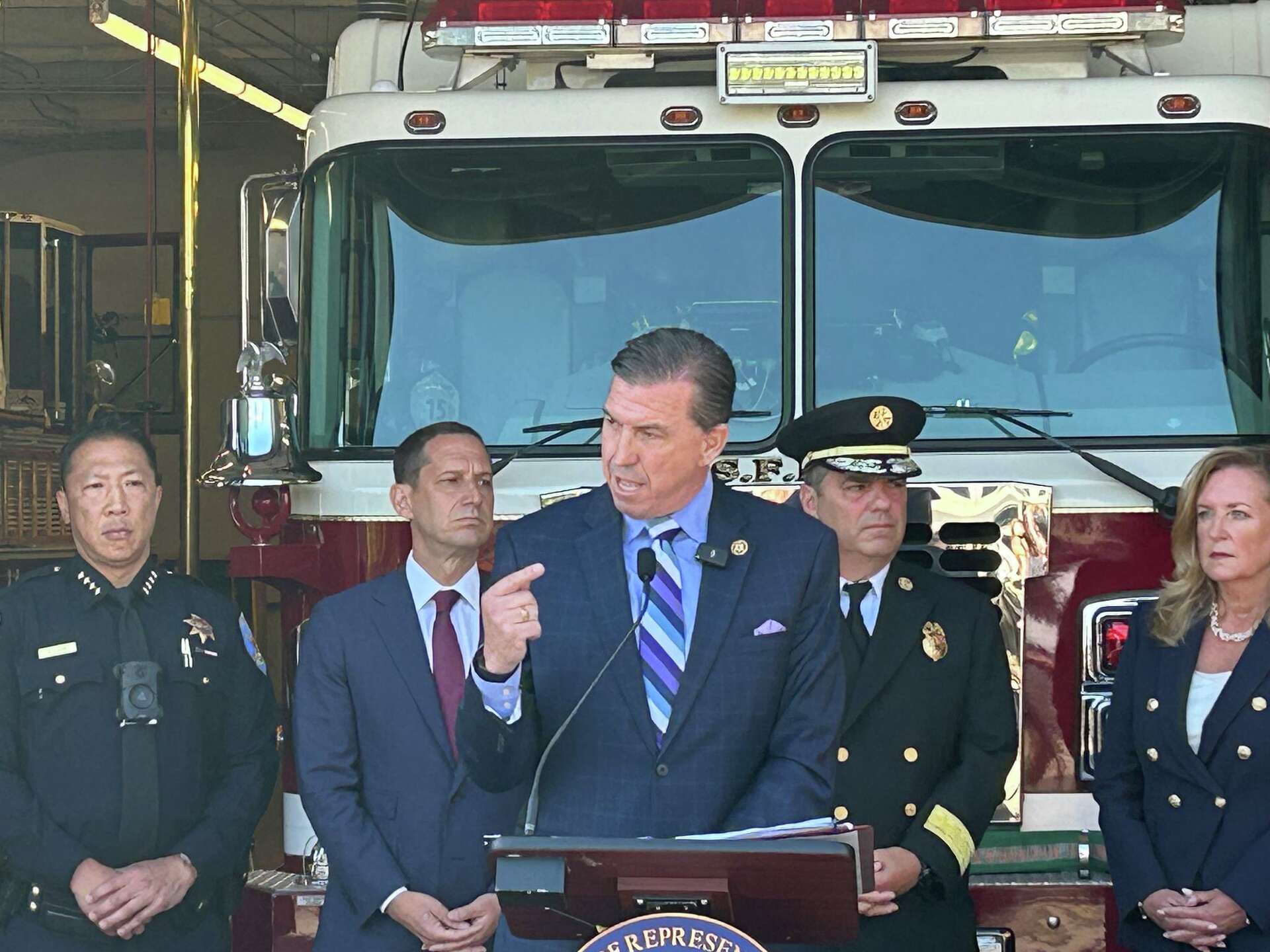
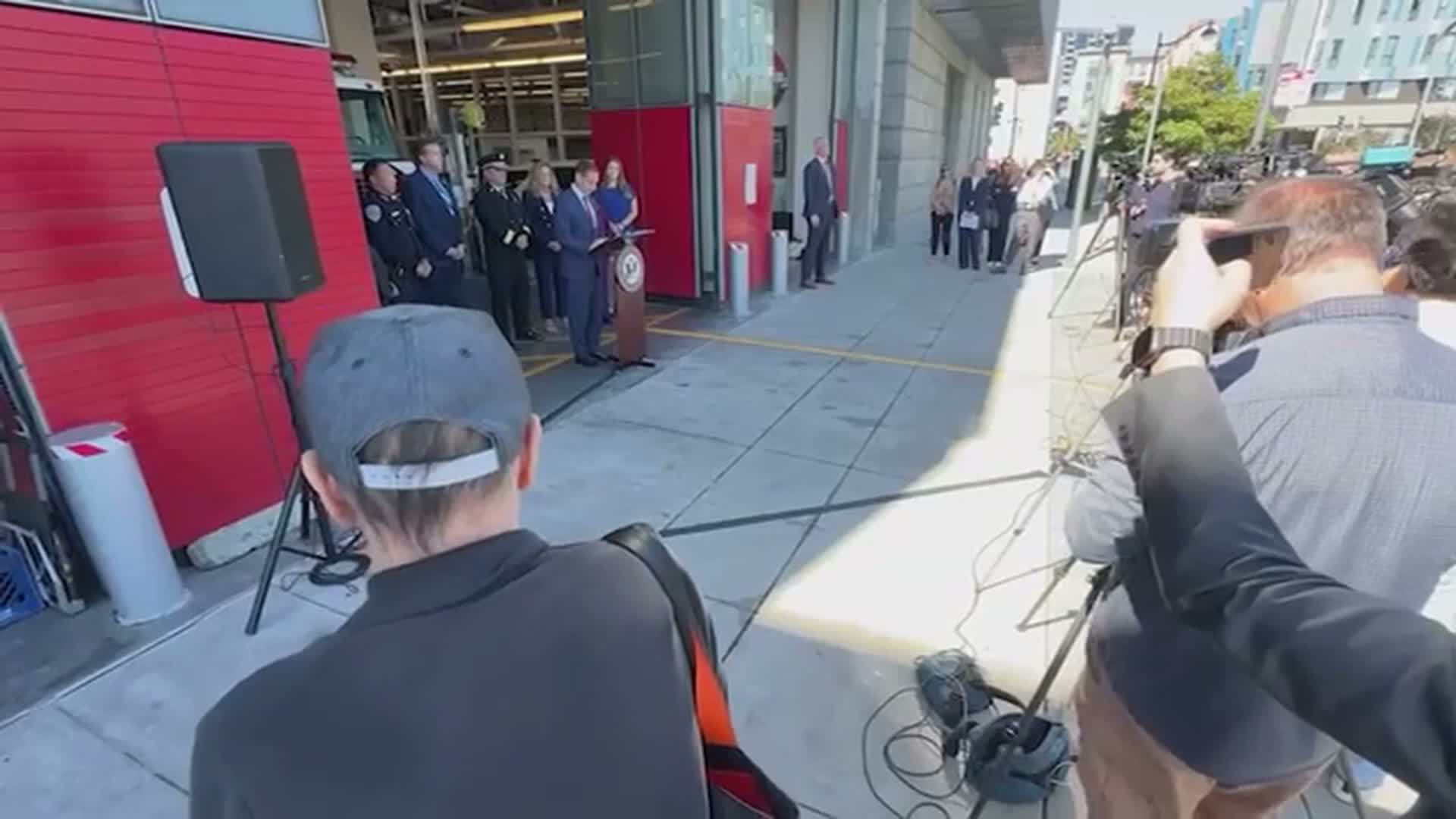
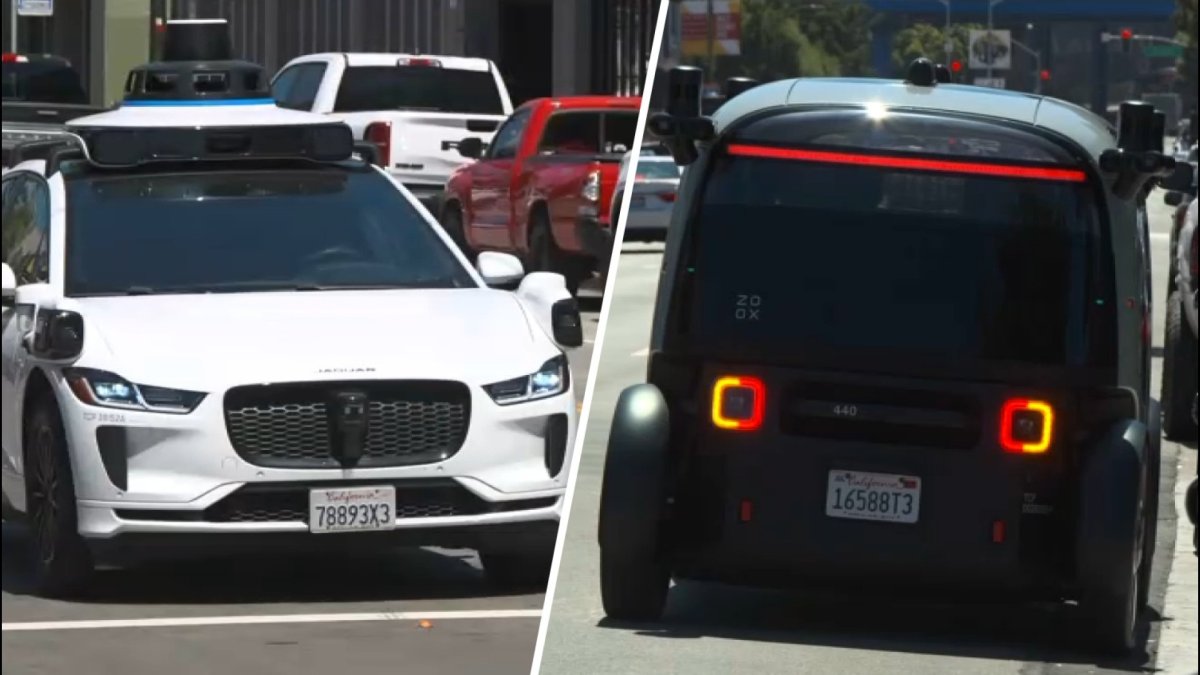
The AV Emergency Response Coordination Act (introduced July 28, 2026) establishes the first federal standards for autonomous vehicle emergency protocols, directly impacting e-commerce sellers who rely on autonomous delivery networks. Rep. Kevin Mullin's legislation mandates that AV operators (Waymo, Zoox/Amazon) implement 30-second emergency hotlines, geofenced restricted area recognition within 2 minutes, and standardized first responder communication protocols—requirements that codify California's 2024 Assembly Bill 1777 nationwide.
For e-commerce sellers, this represents a critical inflection point in last-mile delivery infrastructure. Waymo's expansion to 10+ cities since June 2024 and Zoox's November 2024 launch created new autonomous delivery options for high-volume sellers. However, documented operational failures—December 2024 citywide blackout causing Waymo malfunctions at traffic signals, July 4th fireworks event vehicle stalls, and fire station access blockages—reveal systemic reliability gaps that federal regulation now addresses. The 180-day compliance deadline (approximately January 2027) creates a window where sellers must evaluate whether autonomous delivery remains viable for their fulfillment strategy.
Immediate seller implications: Sellers currently using Waymo or Zoox for last-mile delivery in San Francisco and Bay Area expansion cities should anticipate temporary service disruptions during the 180-day compliance period as operators implement new emergency communication systems and geofencing protocols. The standardized emergency response guides and operator contact protocols reduce liability exposure for sellers, but may increase delivery costs 3-8% as AV companies absorb compliance infrastructure expenses. Sellers shipping high-value or time-sensitive products should diversify delivery methods during this transition period.
Strategic opportunity: The federal standardization creates competitive advantages for sellers who proactively integrate compliant AV logistics. Zoox's Amazon ownership positions Amazon sellers for preferential access to autonomous delivery in Bay Area and expansion cities, potentially reducing fulfillment costs 5-12% compared to traditional 3PL providers. Sellers on competing platforms (eBay, Shopify, Walmart Marketplace) should monitor Waymo's pricing adjustments post-compliance and evaluate alternative autonomous delivery partnerships or traditional logistics providers. The legislation's nationwide scope signals federal commitment to autonomous delivery infrastructure, making this a 12-18 month window for sellers to establish competitive positioning before AV logistics become standard fulfillment options across major metros.
Questions 8
Which e-commerce sellers are most affected by the new federal AV standards?
High-volume sellers in San Francisco, Bay Area cities, and Waymo's 10 expansion markets (launched June 2024) face the most immediate impact. Amazon sellers have competitive advantage through Zoox integration (launched November 2024), potentially accessing autonomous delivery 5-12% cheaper than traditional 3PL. eBay, Shopify, and Walmart Marketplace sellers relying on Waymo should evaluate alternative logistics providers or negotiate pricing adjustments post-compliance. Sellers shipping time-sensitive or high-value products should prioritize traditional fulfillment during the 180-day compliance window.
How does the AV Emergency Response Coordination Act affect sellers using autonomous delivery?
The July 28, 2026 legislation mandates that AV operators establish 30-second emergency hotlines, recognize geofenced restricted areas within 2 minutes, and provide standardized first responder protocols. Sellers using Waymo or Zoox delivery in San Francisco and 10+ expansion cities should expect temporary service adjustments during the 180-day compliance period (through ~January 2027). Compliance infrastructure may increase delivery costs 3-8%, but reduces seller liability exposure during emergencies. Sellers should diversify fulfillment methods during this transition to maintain delivery reliability.