


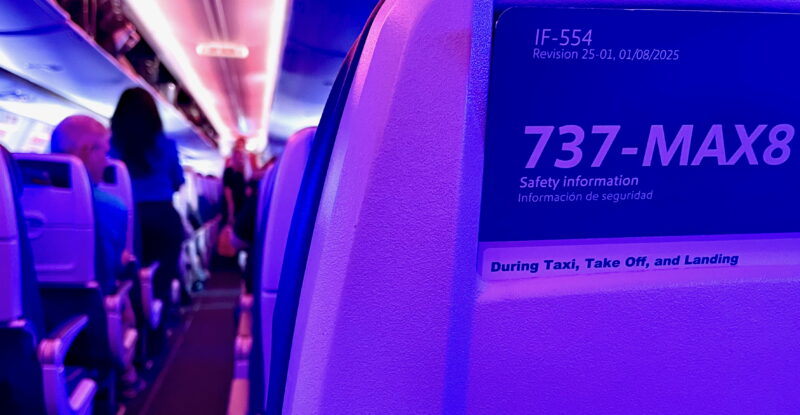

FAA Seat Inspection Mandate Signals Supply Chain Compliance Tightening | Seller Opportunity in Aviation Safety Products
- FAA issues airworthiness directive for 453 US-registered 737 MAX aircraft; compliance-driven product opportunities emerge in aviation safety, inspection tools, and quality assurance services for manufacturers and suppliers














Overview
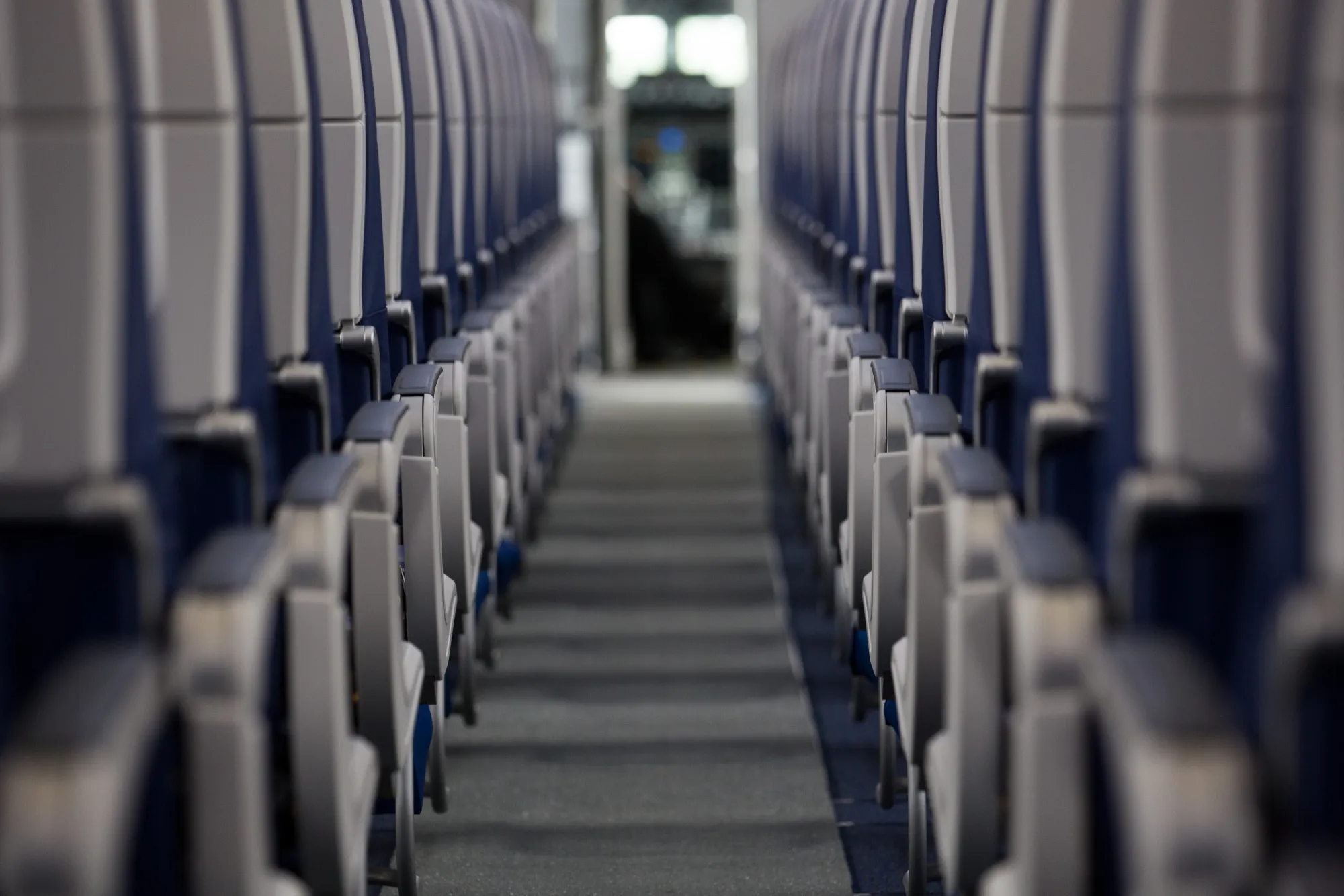
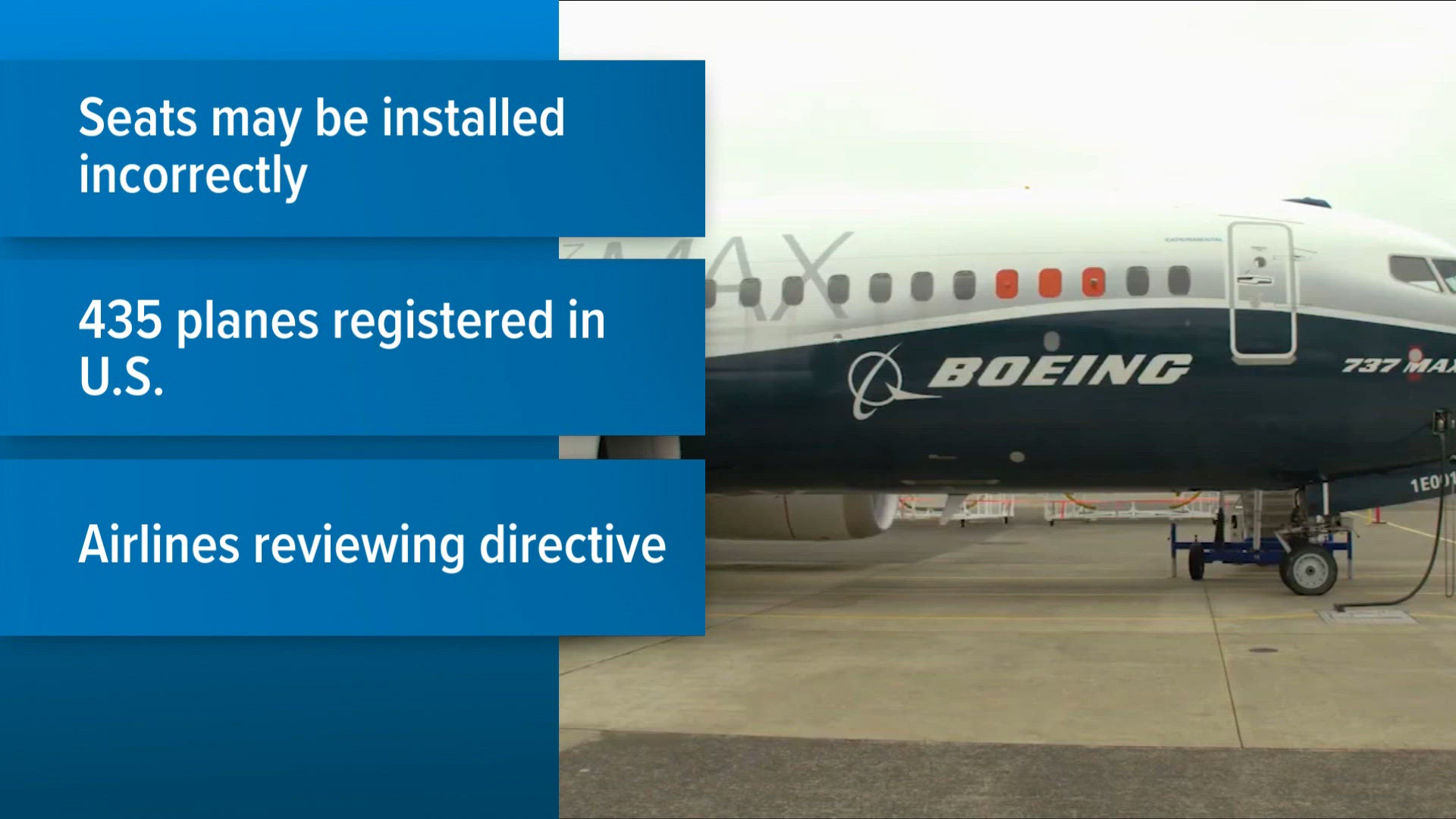
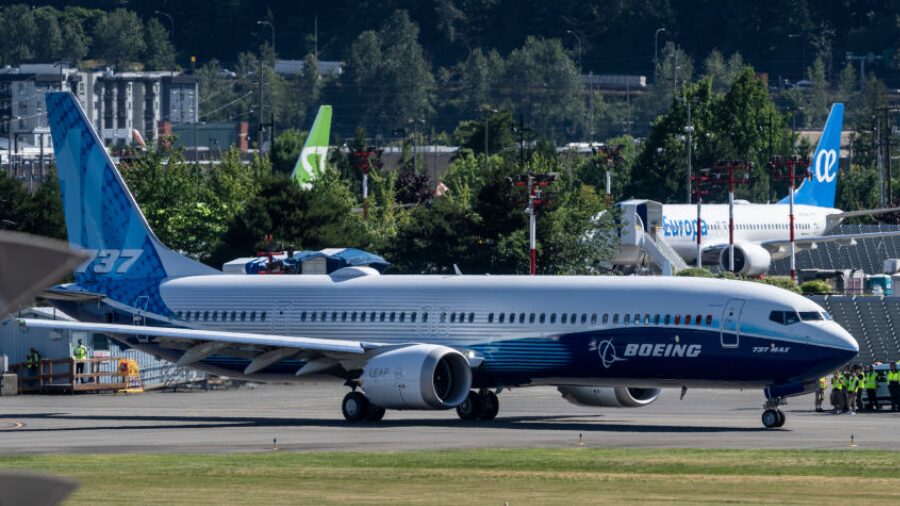
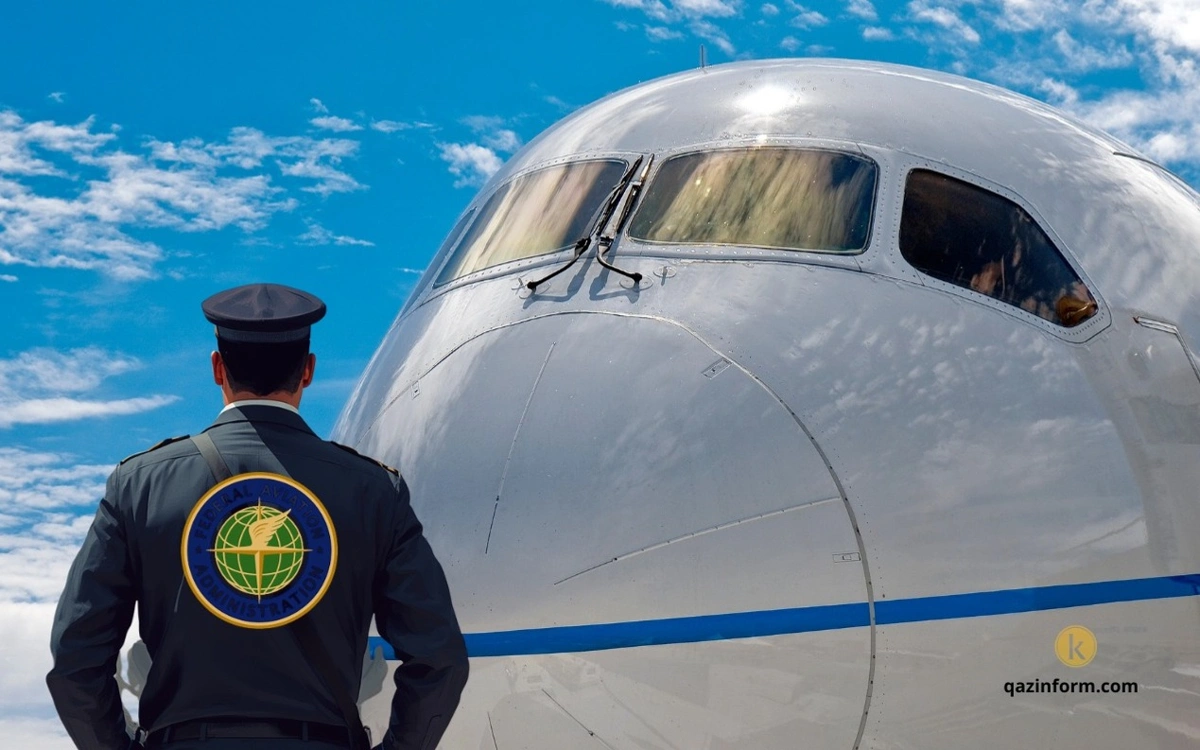
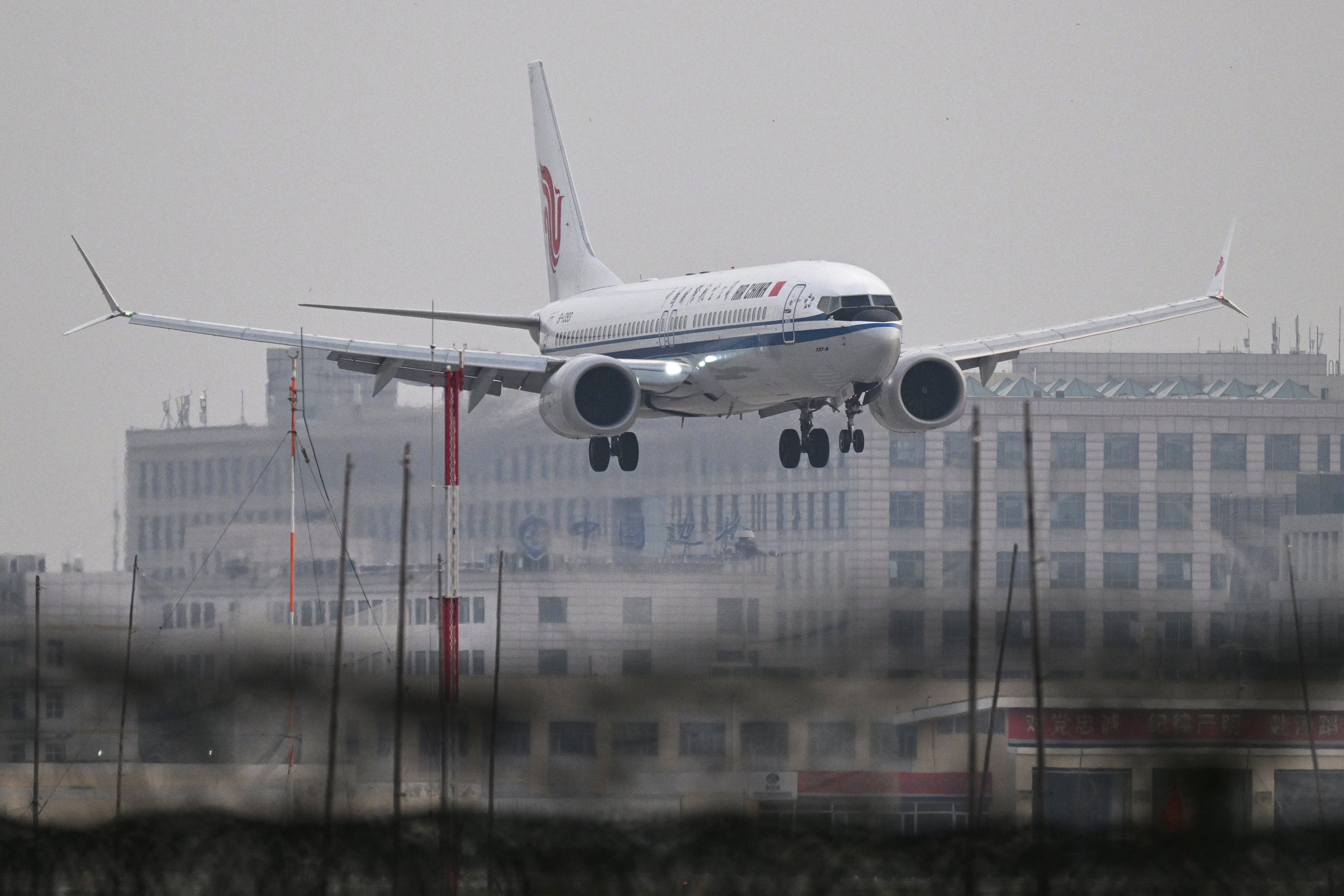
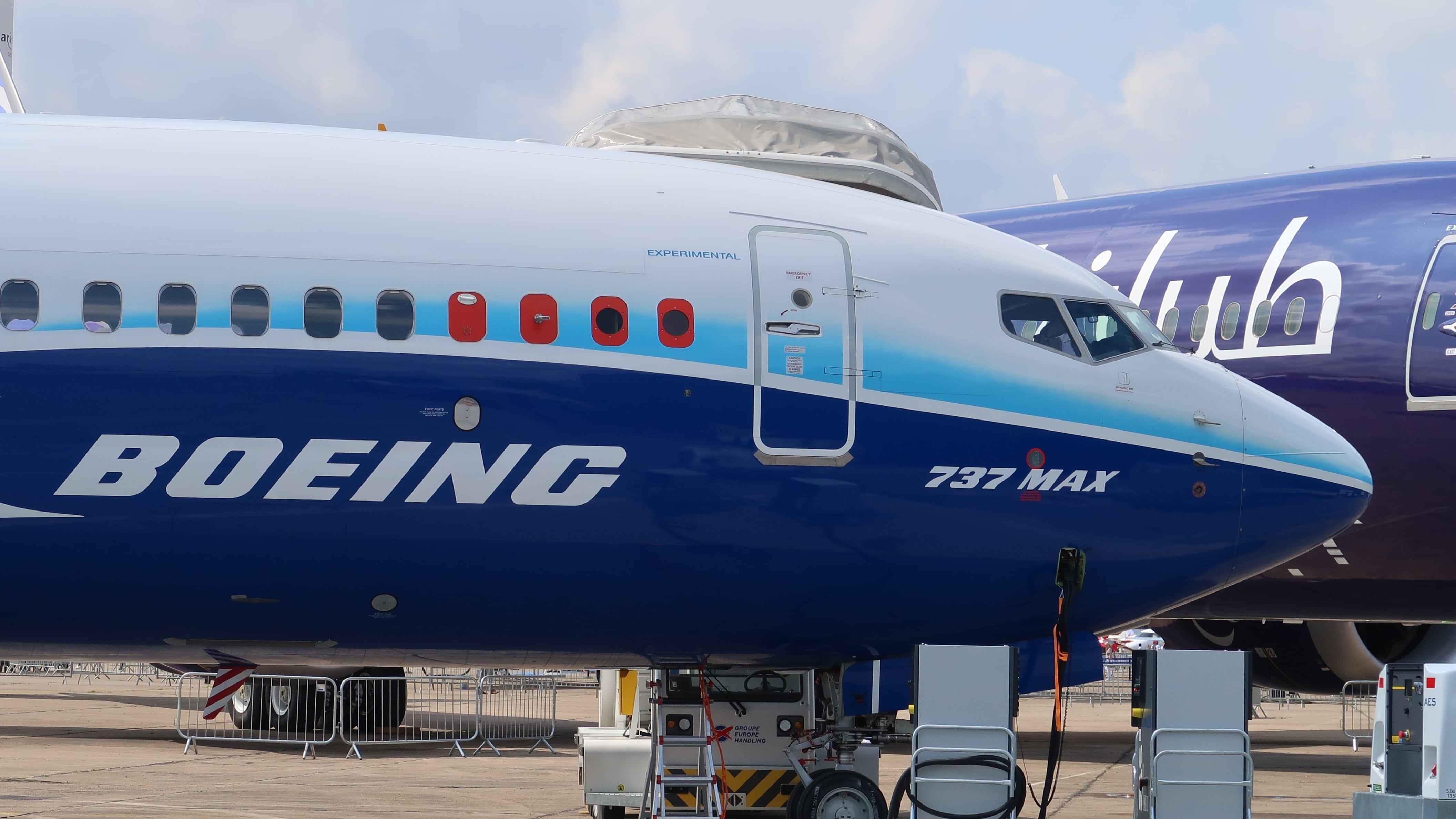
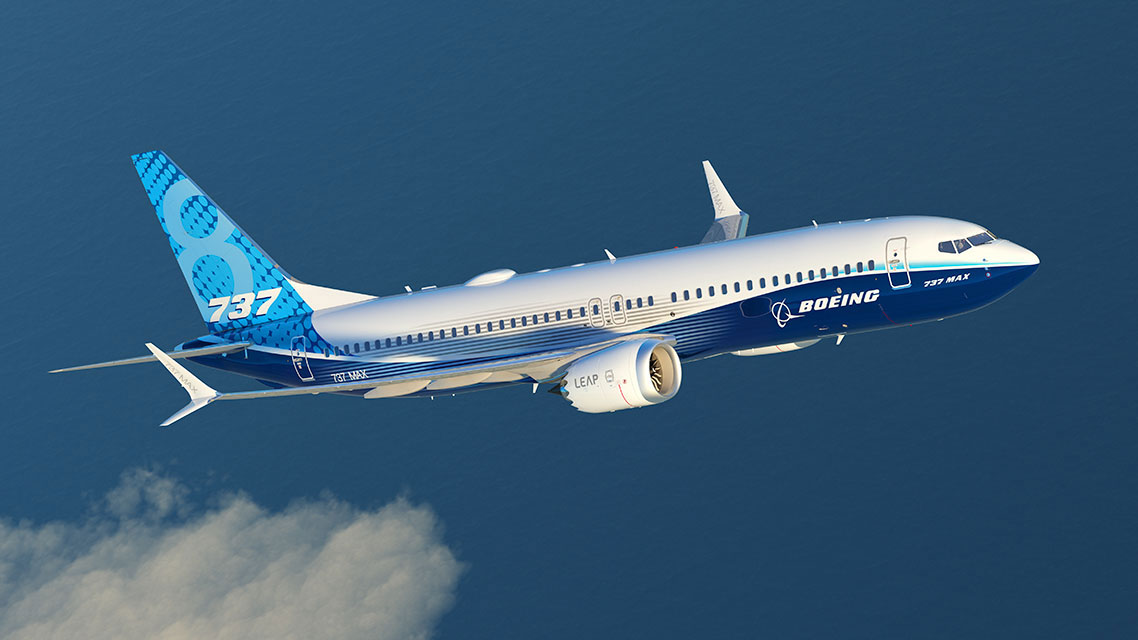
The FAA's proposed airworthiness directive requiring inspections of passenger seats on approximately 453 Boeing 737 MAX aircraft represents a critical regulatory compliance event with cascading implications for supply chain vendors, inspection service providers, and aviation safety product sellers. The directive mandates inspection of up to 69 track-mounted seat assemblies per aircraft due to potential incorrect installation in seat tracks—a systemic manufacturing quality issue that could cause seat disengagement during turbulence or emergency situations. Each inspection requires approximately one work hour per assembly with no additional parts needed, creating immediate demand for inspection scheduling services, documentation tools, and compliance verification platforms.
Compliance-Driven Market Opportunity: This directive exemplifies how regulatory enforcement creates high-barrier market segments that eliminate non-compliant competitors. Airlines must now complete mandatory inspections across their 737 MAX fleets, generating demand for specialized inspection services, digital compliance tracking systems, and quality assurance software. Third-party logistics providers (3PLs) and maintenance service vendors can capitalize on this by offering FAA-compliant inspection scheduling and documentation platforms. The lack of a specified completion timeline creates urgency—airlines will prioritize vendors offering fastest turnaround and most reliable compliance documentation.
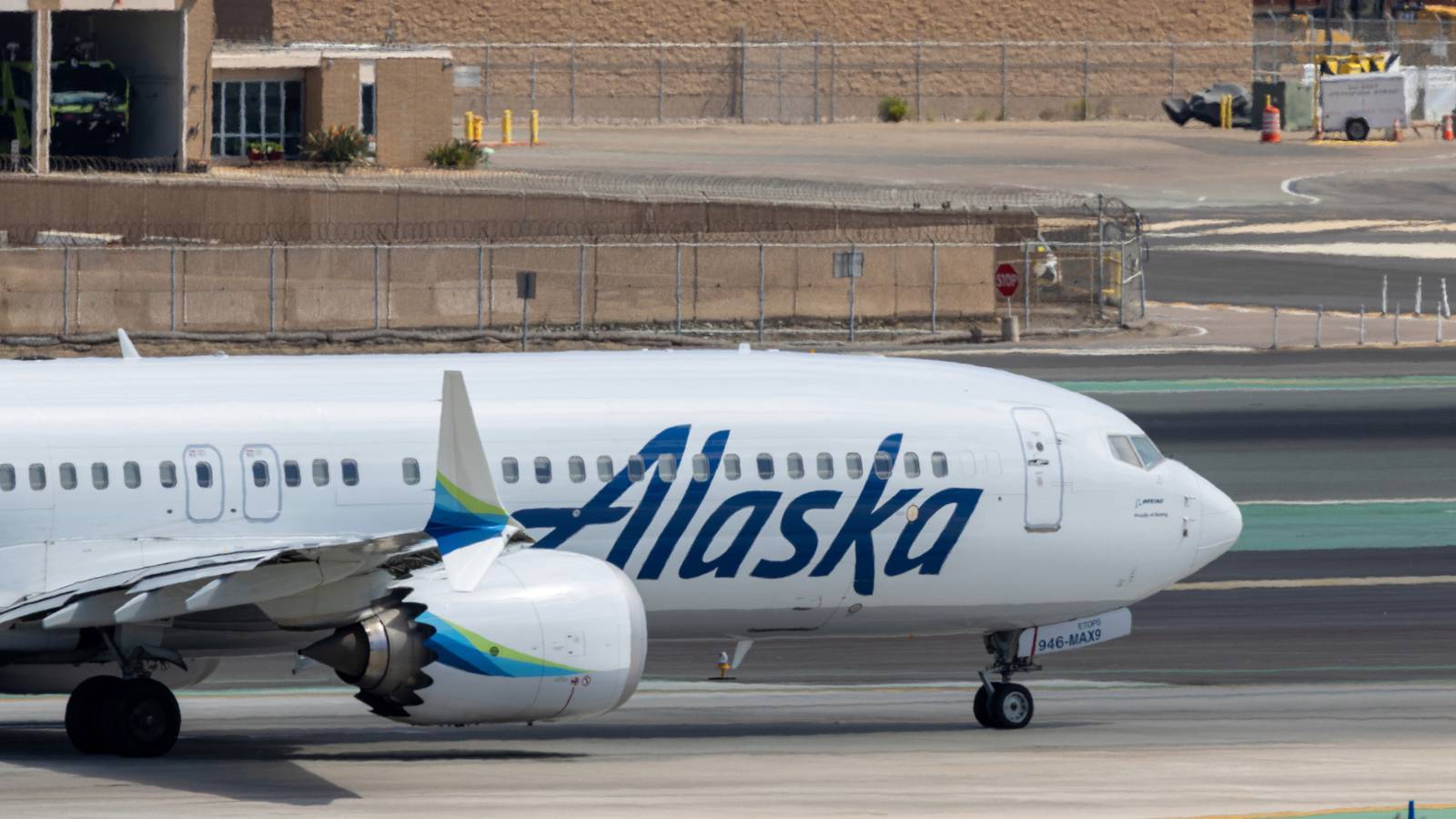
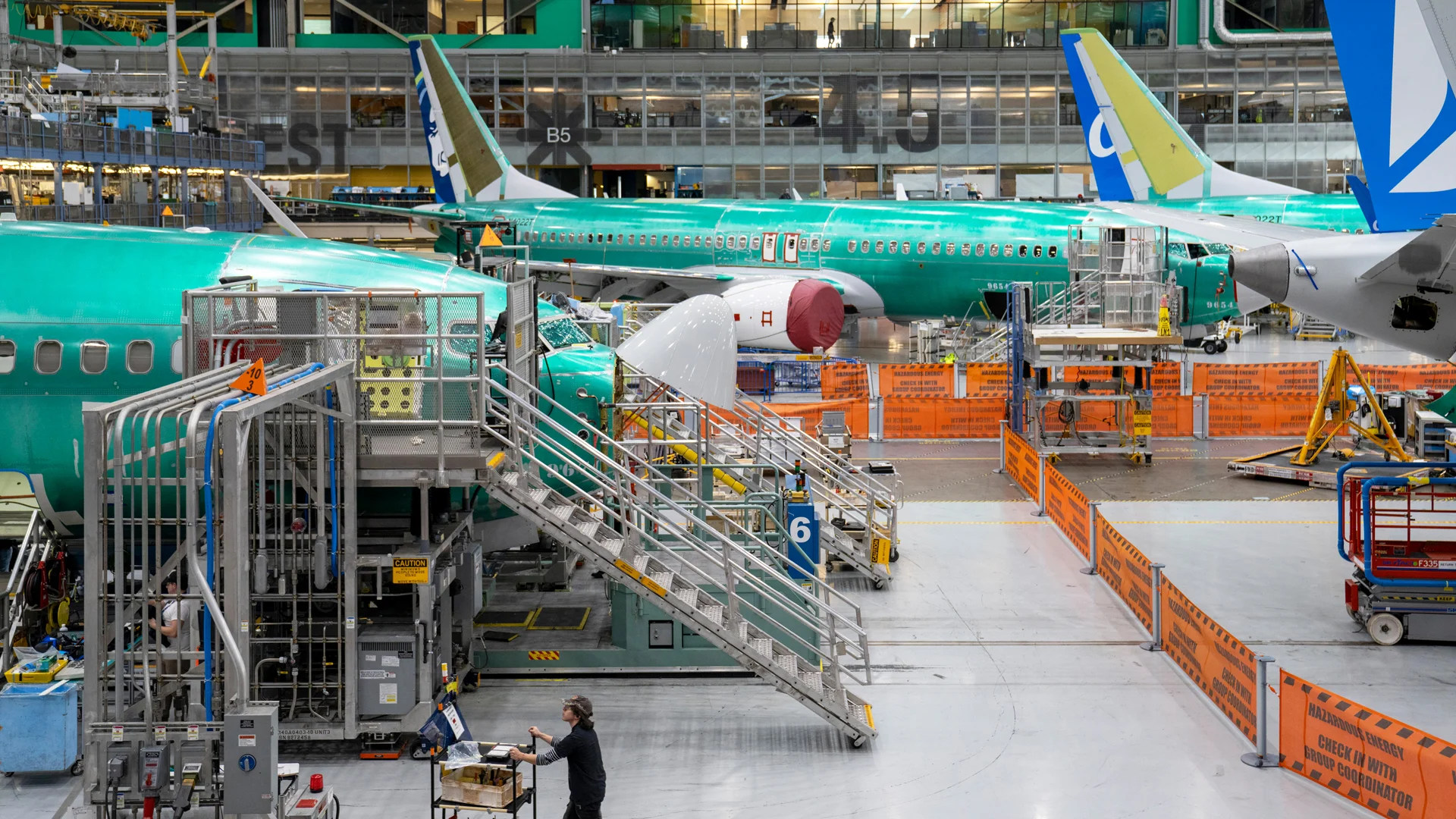
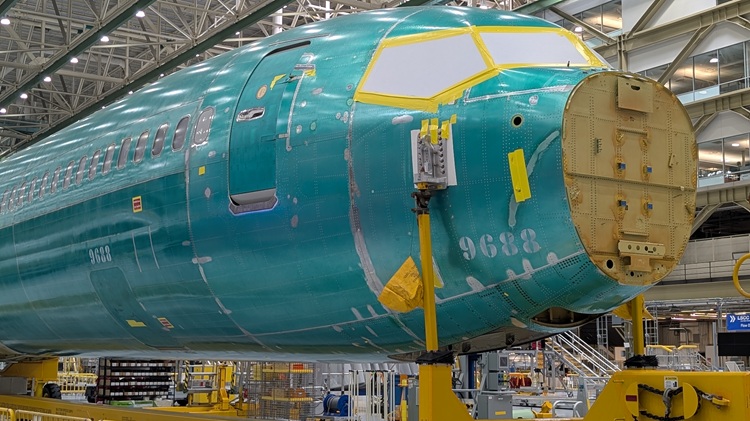
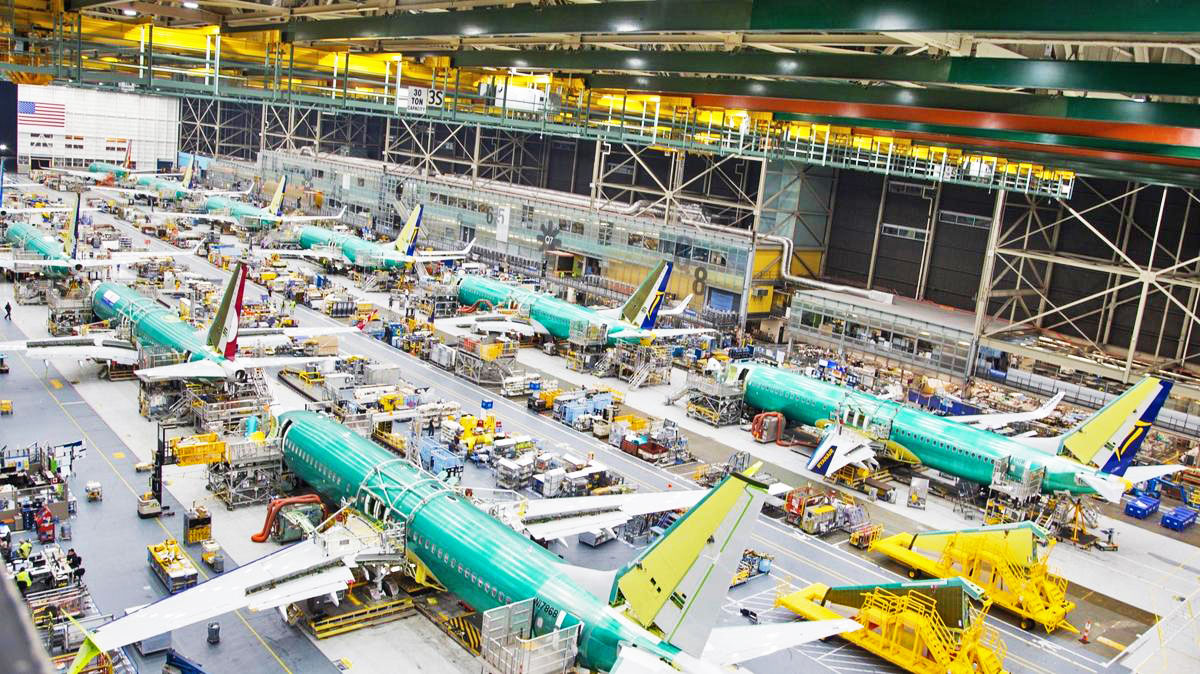
Manufacturing Quality as Competitive Moat: Boeing's December 2025 guidance followed by mandatory FAA directive reflects the company's ongoing struggle with production quality (stemming from the January 2024 Alaska Airlines door plug incident). This creates a compliance barrier that protects vendors offering quality assurance solutions, inspection automation tools, and manufacturing defect detection systems. Sellers of industrial inspection equipment, digital compliance platforms, and aviation safety products can target airlines and maintenance providers seeking to avoid future regulatory scrutiny. The estimated 31,000+ seat assemblies requiring inspection (453 aircraft × 69 assemblies) across US-registered 737 MAX fleet represents a $2-5M service market opportunity for inspection and documentation vendors.
Cross-Border Supply Chain Implications: While the directive applies only to US-registered aircraft, foreign aviation regulators typically adopt FAA directives, suggesting international expansion of compliance requirements. This creates opportunities for sellers of compliance documentation templates, inspection scheduling software, and quality verification services to expand into EU, APAC, and other markets where similar directives will likely follow. Sellers of aviation safety products, inspection tools, and compliance management systems should prepare for 3-6 month international adoption cycle as foreign regulators align with FAA standards.
Questions 7
How many aircraft and seat assemblies are affected by this FAA inspection directive?
Approximately 453 Boeing 737 MAX aircraft registered in the United States are subject to the FAA inspection directive. Each aircraft can have up to 69 track-mounted passenger seat assemblies, meaning the total scope includes approximately 31,257 seat assemblies requiring inspection across the US fleet. This represents a substantial service market opportunity estimated at $2-5M for inspection and documentation vendors. The FAA did not specify a completion timeline, which means airlines will likely prioritize vendors offering expedited inspection scheduling and compliance verification. Foreign aviation regulators typically adopt FAA directives when applicable, suggesting the inspection requirement will expand internationally within 3-6 months.
What is the FAA airworthiness directive and how does it affect aviation service providers?
The FAA airworthiness directive is a mandatory regulatory requirement issued by the Federal Aviation Administration requiring airlines to inspect passenger seat assemblies on 453 US-registered Boeing 737 MAX aircraft. The directive mandates inspection of up to 69 track-mounted seat assemblies per aircraft due to potential incorrect installation that could cause seat disengagement during turbulence or emergency situations. Each inspection requires approximately one work hour per assembly with no additional parts needed. Service providers offering inspection scheduling, compliance documentation, and quality verification platforms can capture significant market share by helping airlines meet this requirement efficiently. The lack of a specified completion timeline creates urgency and premium pricing opportunities for vendors offering fastest turnaround and most reliable compliance tracking.