


Northeast Airport Disruptions Impact Air Cargo | Sellers Face 120-230 Min Delays
- July 28, 2026 ground stops at NYC/Boston hubs affect perishables, electronics, time-critical shipments; staffing shortages compound weather disruptions across EWR, JFK, LGA, BOS














Overview
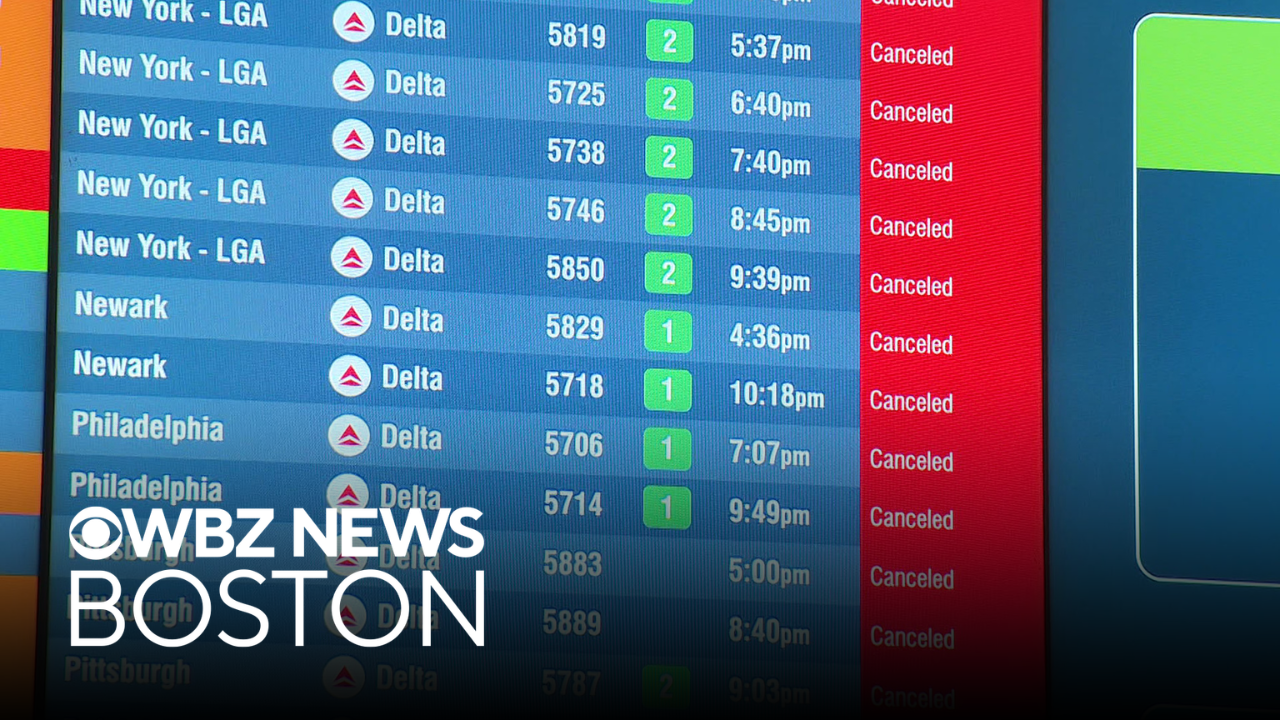
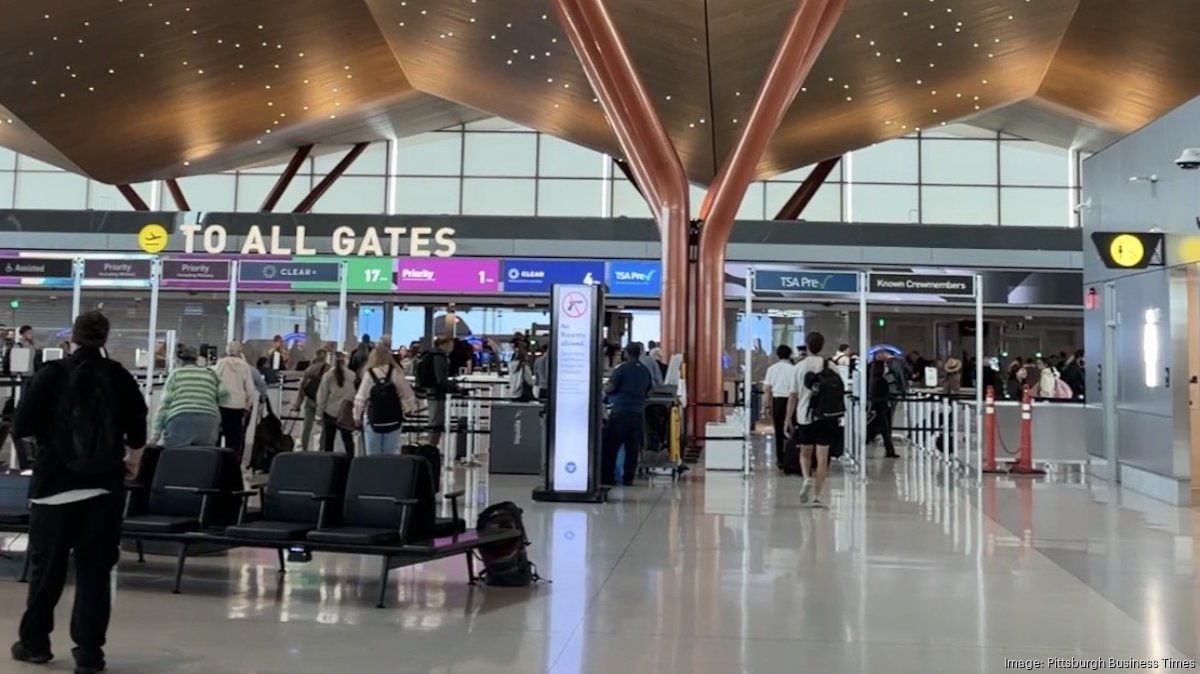
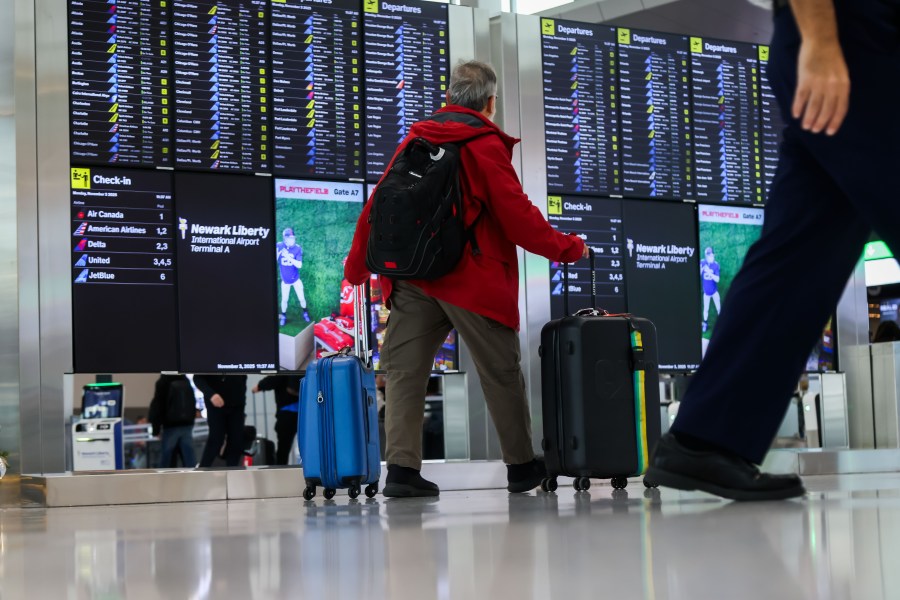
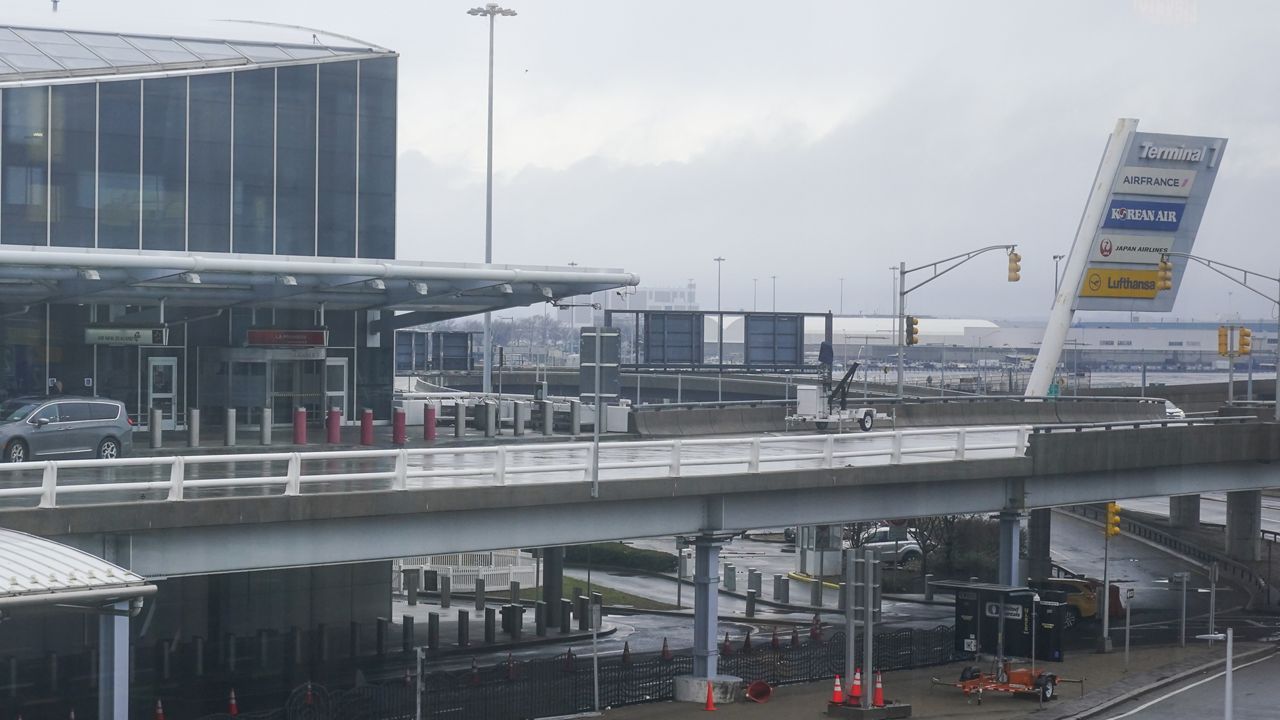
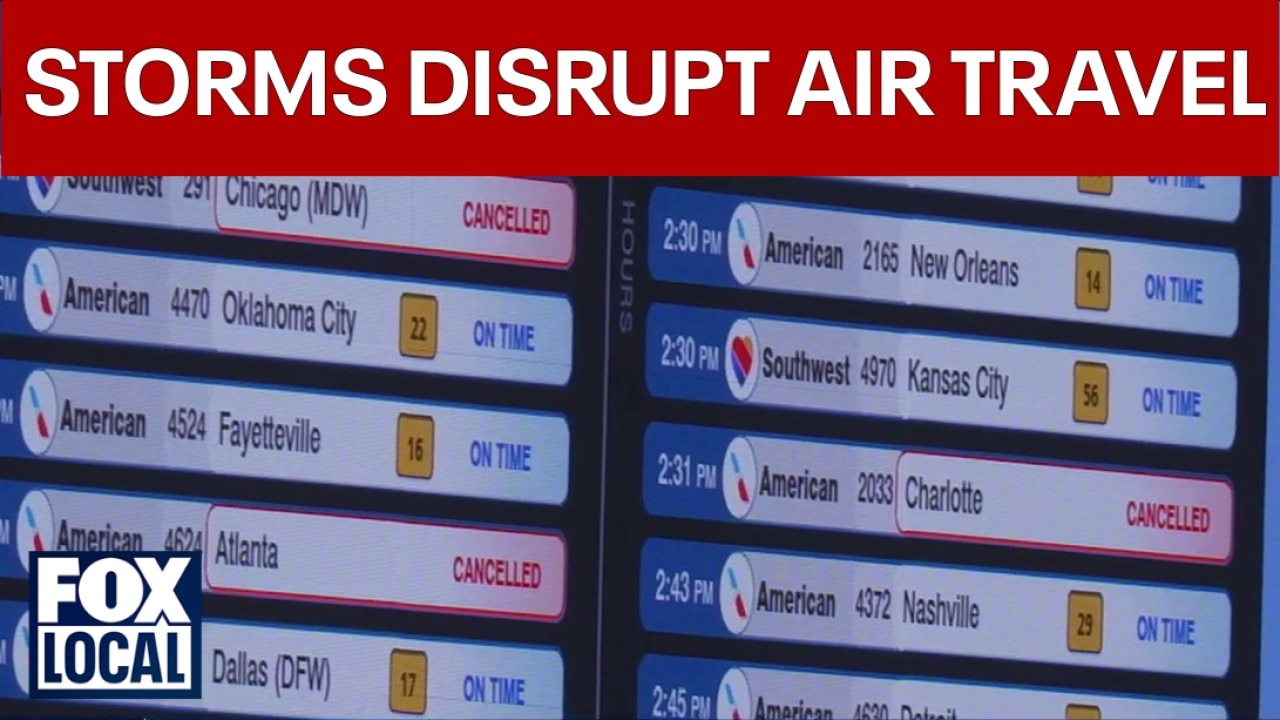
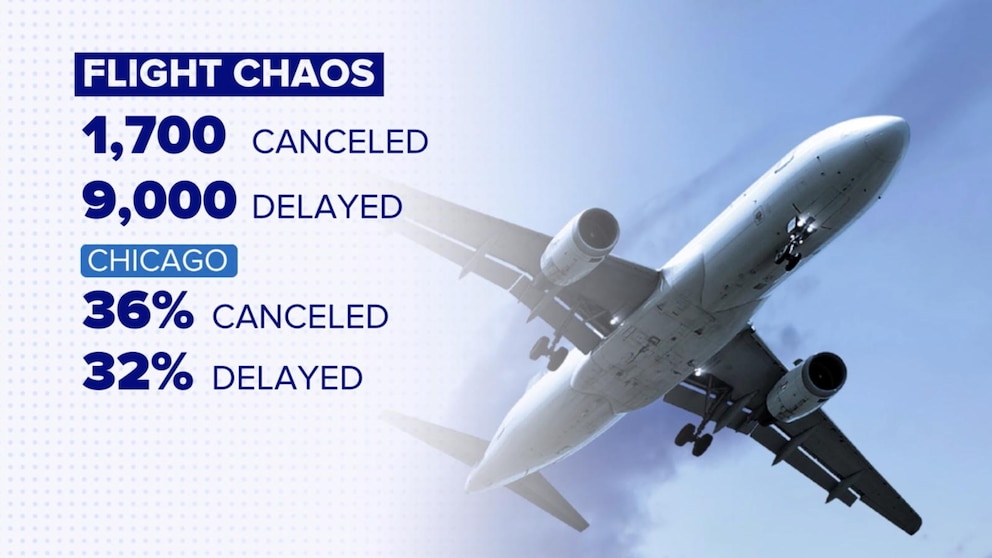
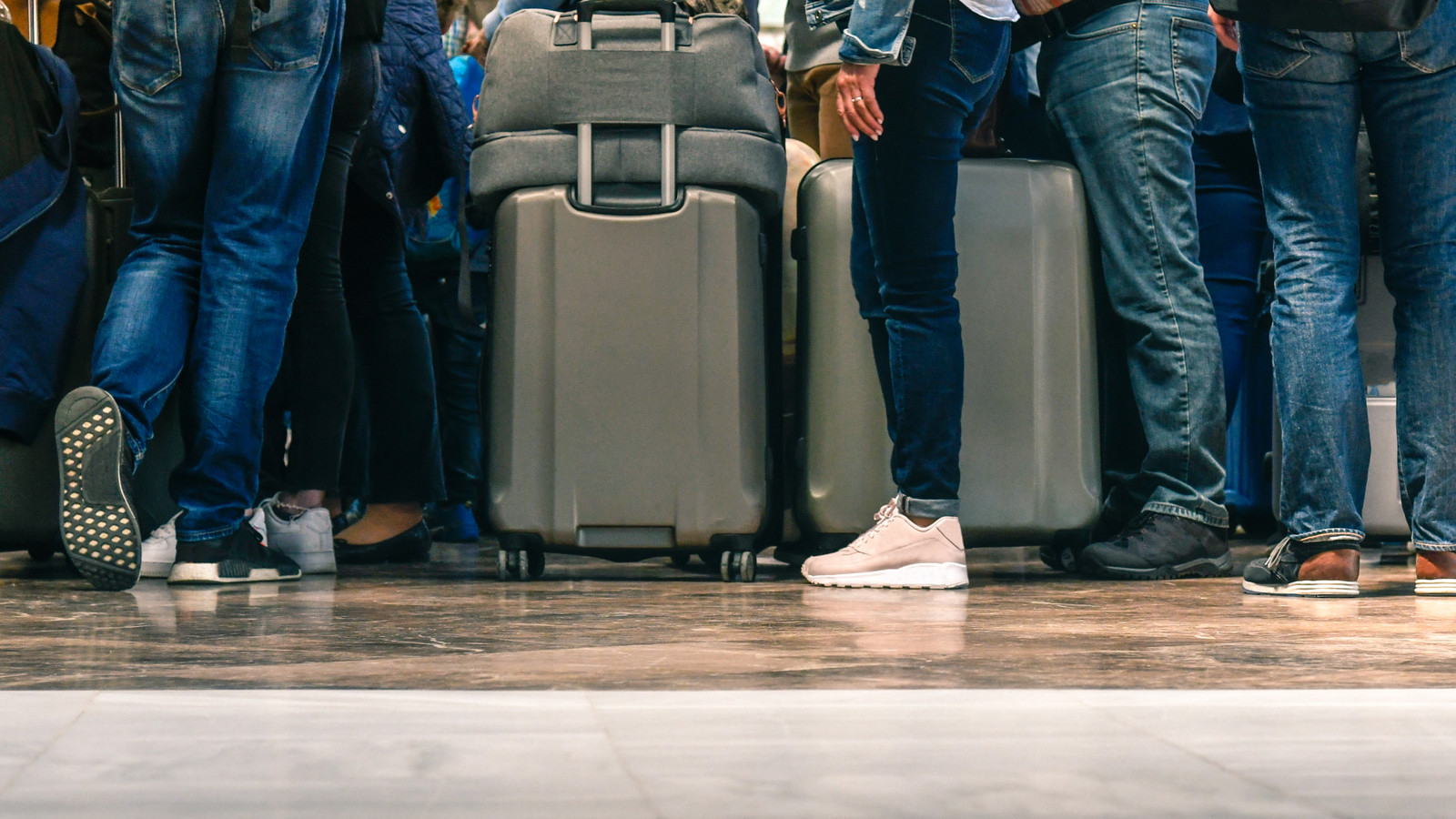
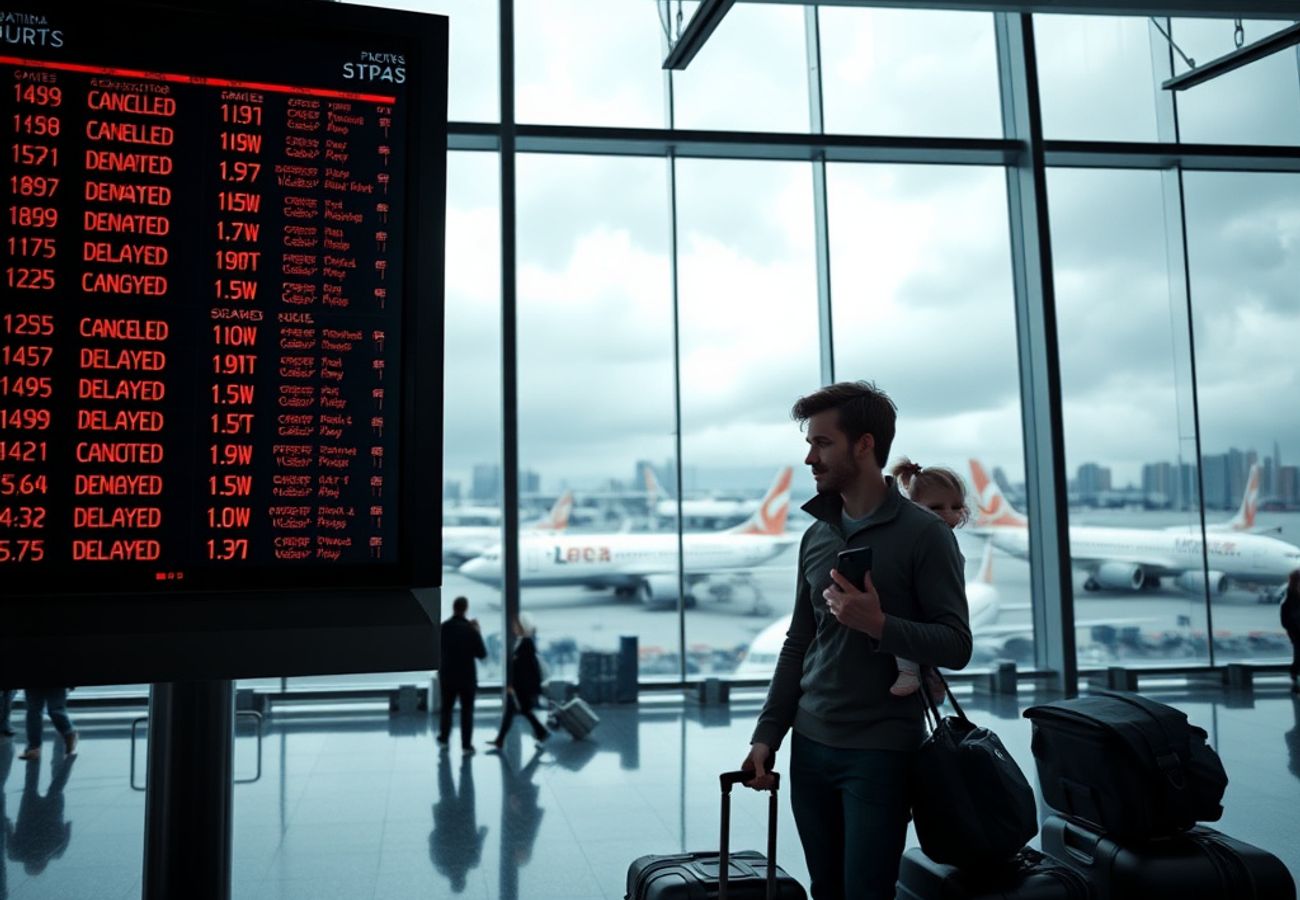
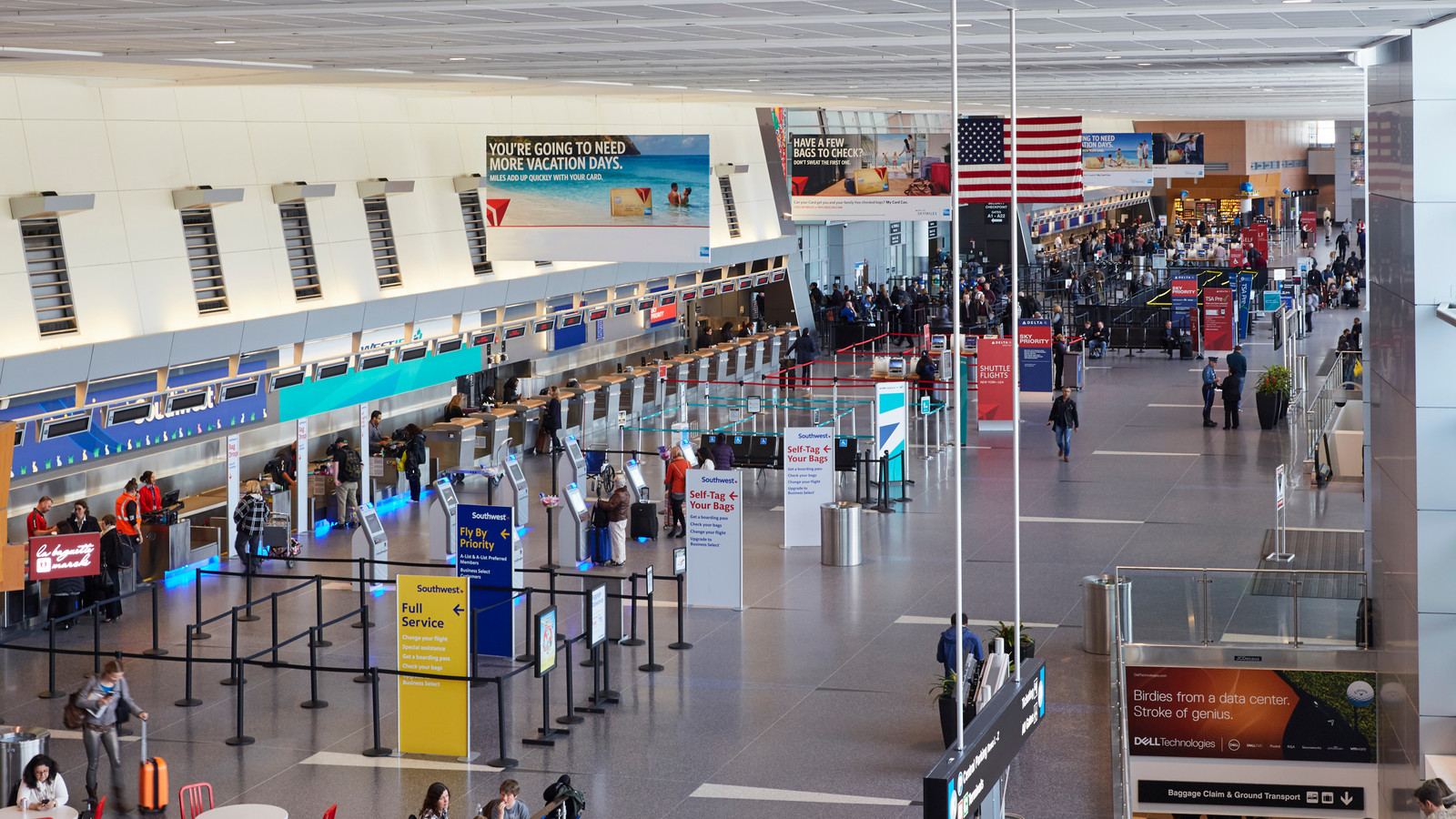
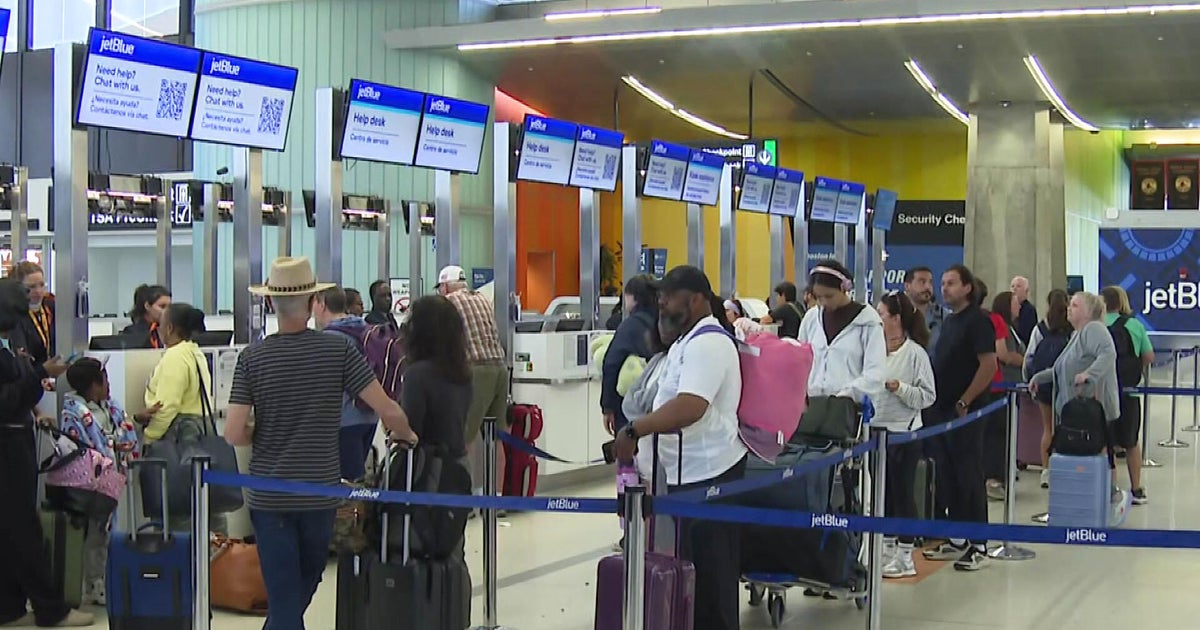
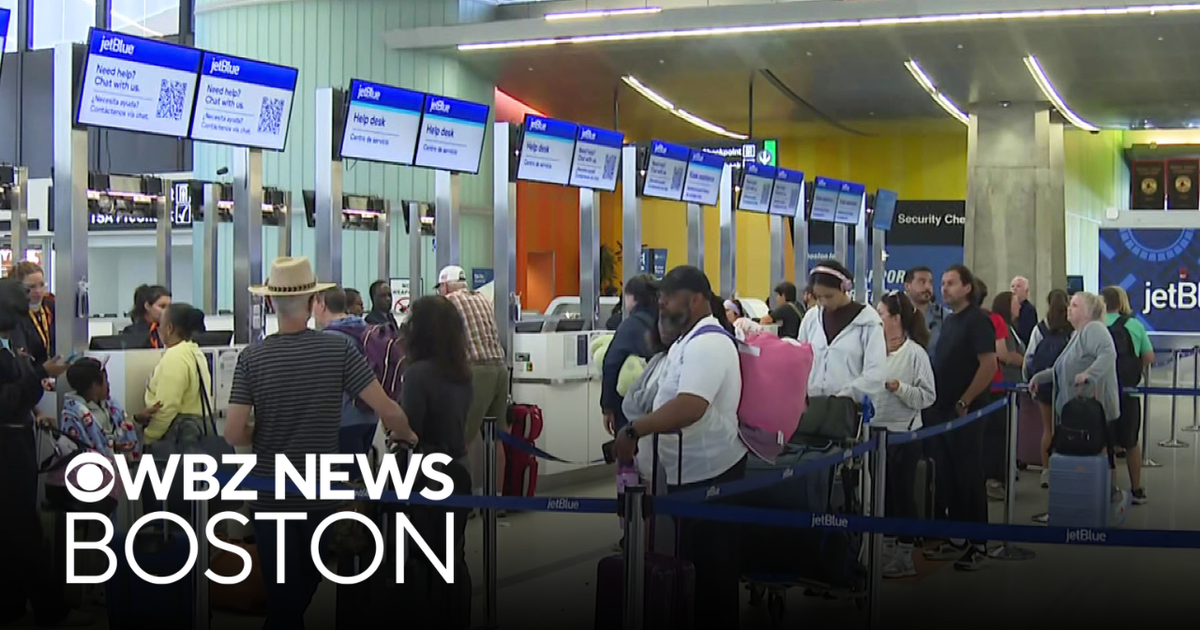
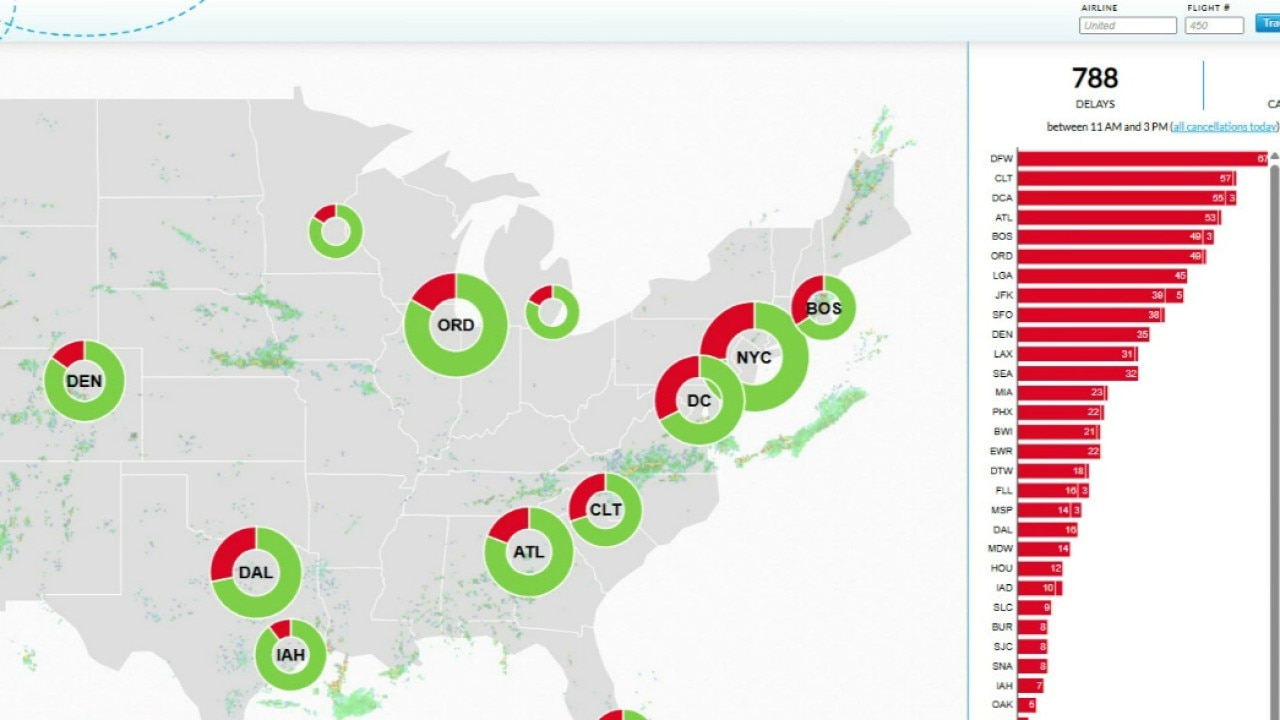
Critical infrastructure failures at Northeast US airports on July 28, 2026 created cascading logistics disruptions affecting cross-border e-commerce sellers relying on air freight. The Federal Aviation Administration (FAA) implemented ground stops at three major New York area airports—Newark Liberty International (EWR), LaGuardia (LGA), and John F. Kennedy International (JFK)—due to dual crises: initial staffing shortages at the air traffic control center, followed by severe weather including heavy rain and thunderstorms. The weather event triggered over 900 flight cancellations during morning rush hours, with Newark experiencing 371 delays and 255 cancellations, JFK recording 233 delays and 338 cancellations, and LaGuardia reporting 201 delays and 456 cancellations. Ground delay averages reached 230 minutes at Newark (90-minute arrival delays, 195-minute departure delays) and 120-minute departure delays at JFK/LaGuardia. Boston's Logan Airport simultaneously experienced hundreds of flight delays and cancellations, with JetBlue passengers forced to sleep on cots. Flood watches remained in effect across all five NYC boroughs and surrounding counties (Bronx, Eastern Bergen, Eastern Essex, Eastern Monmouth, Eastern Passaic, Eastern Union) through Wednesday evening.
For cross-border e-commerce sellers, these disruptions directly impact air cargo operations and time-sensitive shipments through major US hubs serving international logistics networks. Sellers shipping perishables, electronics, and time-critical goods experienced immediate supply chain disruptions affecting inventory replenishment schedules and customer delivery commitments. The incident revealed systemic vulnerabilities: staffing pressures within air traffic control facilities nationwide create recurring operational risks, while weather events expose infrastructure gaps in Northeast logistics corridors. Sellers relying on expedited air freight to/from the Northeast region faced extended transit times and potential cost increases due to capacity constraints. The disruptions cascaded beyond airports to ground transportation infrastructure, affecting truck routes and warehouse accessibility in affected regions. This represents a broader trend throughout 2025-2026 where infrastructure vulnerabilities compound logistics costs for sellers dependent on Northeast distribution hubs.
Immediate logistics implications demand strategic action. Sellers must diversify shipping methods and maintain buffer stock for critical inventory categories. Alternative routing through secondary hubs (Philadelphia International, Boston Logan alternatives, or Southern gateways) becomes essential. The incident underscores the importance of contingency planning for weather-related disruptions and proactive communication with 3PL providers regarding shipment status. Sellers should evaluate warehouse positioning outside flood-risk zones and consider rerouting shipments through alternative airports or transportation modes. For sellers with Northeast-dependent fulfillment networks, this event signals the need for geographic diversification of inventory and logistics infrastructure to mitigate recurring disruption risks.
Questions 8
How should sellers adjust inventory positioning after Northeast airport disruptions?
The July 28 disruptions reveal systemic Northeast infrastructure vulnerabilities. Sellers should immediately: (1) Audit current inventory distribution - if >40% of stock is in Northeast warehouses, reduce to 25-30%; (2) Establish secondary fulfillment hubs in Mid-Atlantic (Philadelphia, Baltimore) and Southeast (Atlanta, Charlotte) regions; (3) Increase safety stock for perishables/electronics by 15-20% to buffer against recurring disruptions; (4) Shift 20-30% of air freight shipments to ground transportation where 24-48 hour delays are acceptable. The news indicates staffing shortages are a recurring trend throughout 2025, suggesting this is not a one-time event. Sellers should budget $50,000-150,000 for warehouse network rebalancing depending on current inventory volume.
Which alternative airports should sellers use when Northeast hubs are disrupted?
When EWR, JFK, LGA experience ground stops, sellers should immediately reroute to: (1) Philadelphia International (PHL) - 90 miles south, typically 2-4 hour ground transit from NYC metro; (2) Boston Logan alternatives or Manchester Airport (MHT) - 3.5 hours north; (3) Hartford-Brainard (HFD) - 100 miles northeast; (4) Baltimore/Washington (BWI) - 200 miles south. The news reports Logan also experienced disruptions on July 28, so Boston alternatives may be necessary. For international shipments, consider routing through Southern gateways (Atlanta ATL, Miami MIA) with ground transportation to Northeast distribution centers. Establish pre-negotiated rates with carriers for alternative routing to avoid 15-25% emergency surcharges.