

Texas Delta-8 Ban Creates Compliance Moat | Sellers Face July 31 Deadline
- Effective July 31, 2026: Texas reclassifies Delta-8, Delta-10, THCP as Schedule I controlled substances; affects thousands of retailers; felony possession charges; immediate inventory liquidation required






Overview
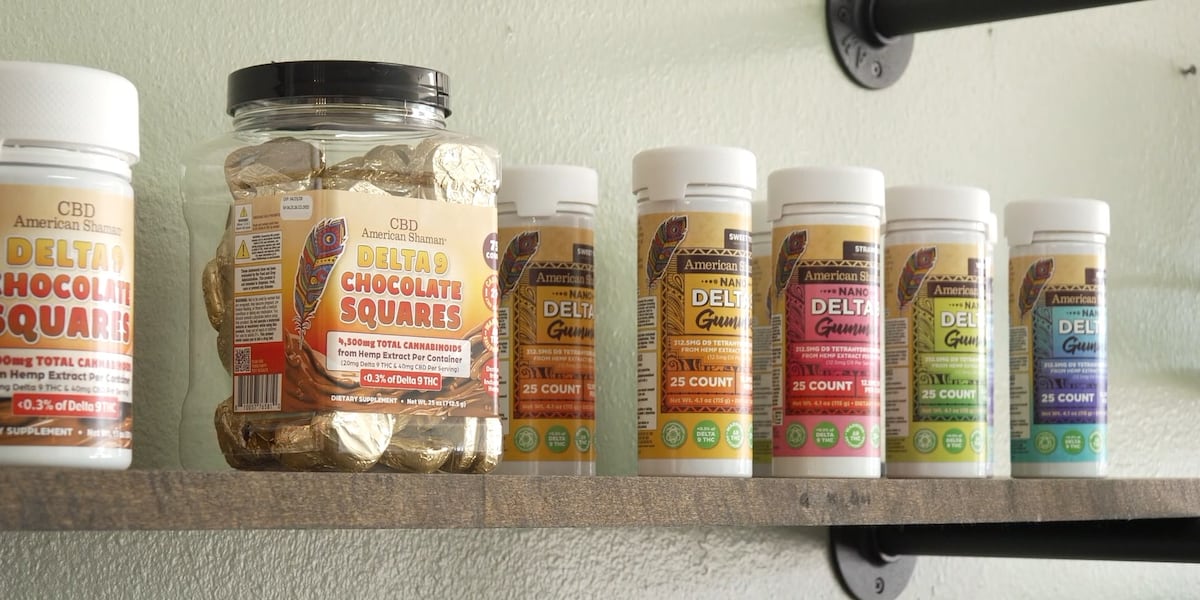
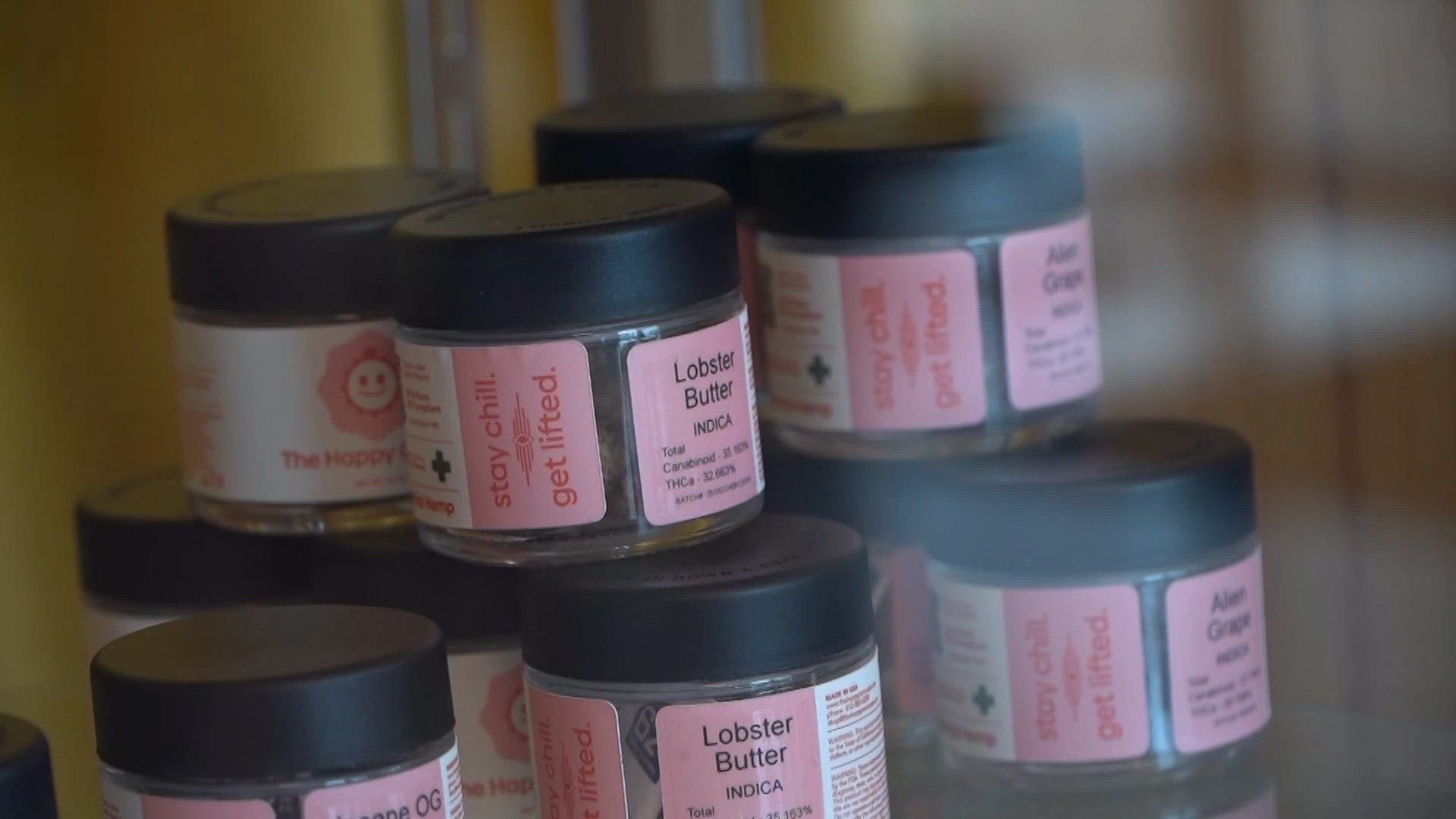
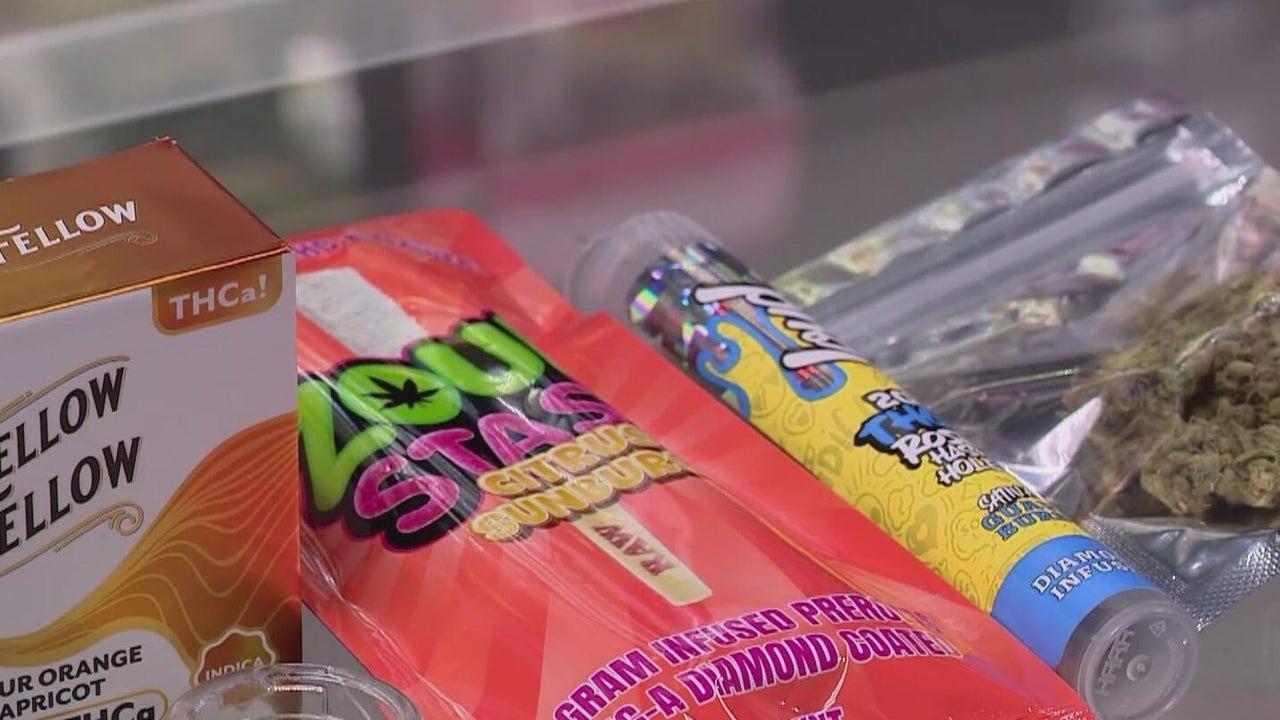
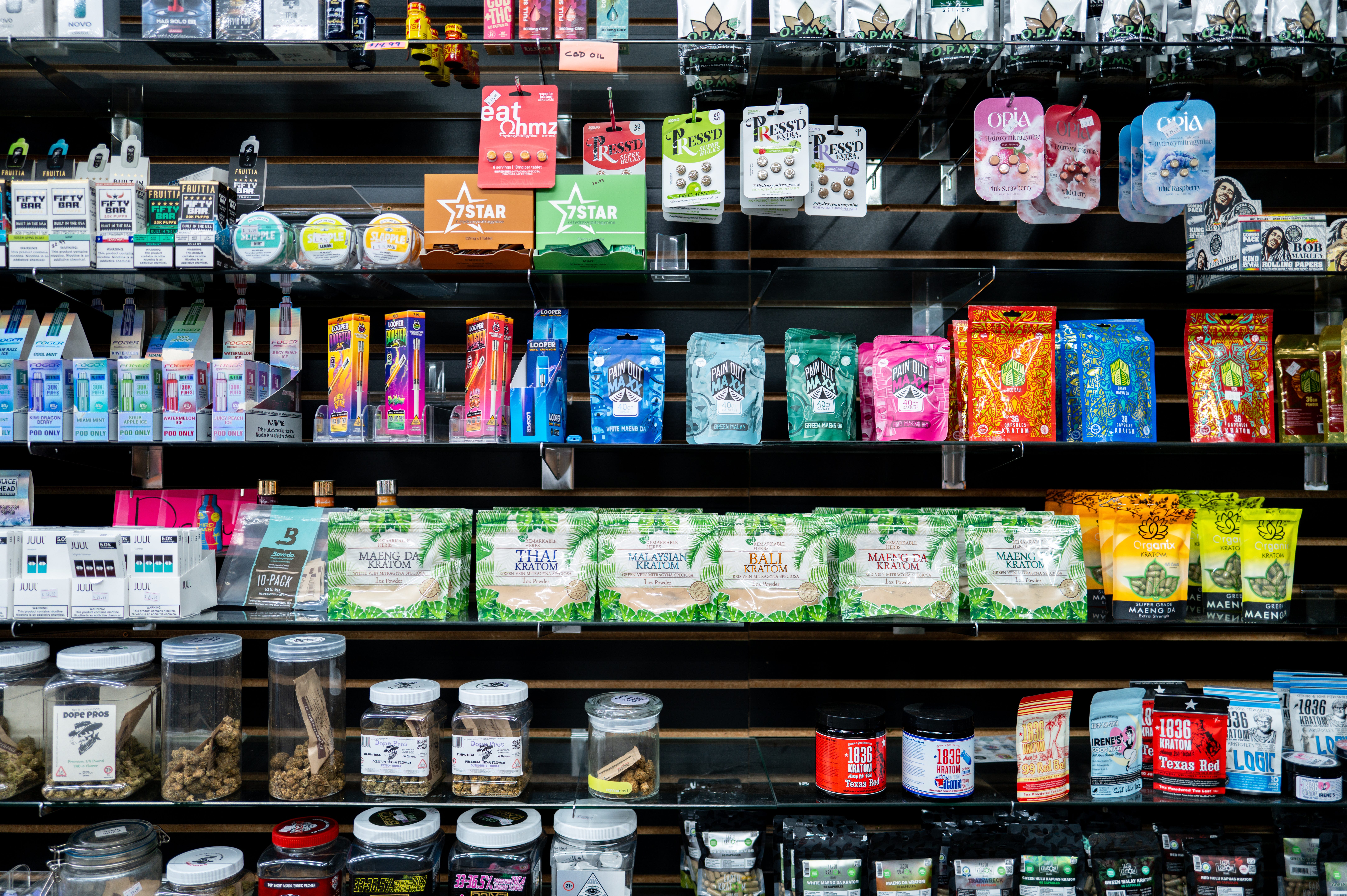
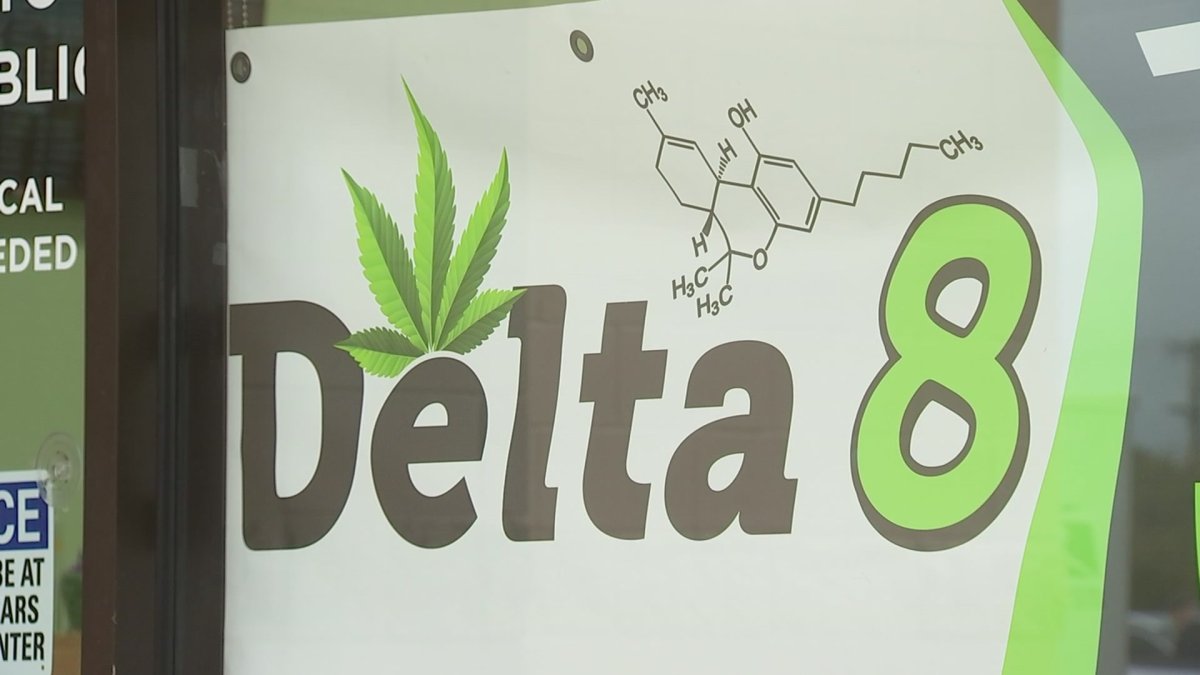
Texas is implementing a comprehensive regulatory crackdown on hemp-derived THC products effective July 31, 2026, creating a critical compliance barrier that will eliminate non-compliant sellers while rewarding those who pivot quickly. The Texas Department of State Health Services (DSHS) has reclassified Delta-8 THC, Delta-10, Delta-6, and THCP as Schedule I controlled substances following a May 2026 Texas Supreme Court ruling that reversed a temporary injunction. This regulatory action closes a legal gray area that retailers exploited for years under House Bill 1325, which legalized industrial hemp products containing ≤0.3% Delta-9 THC by dry weight.
The compliance barrier is severe and creates immediate market elimination. Unlike previous smokable cannabis restrictions that only controlled retail sales, this ban criminalizes personal possession as a felony offense—Austin police have explicitly confirmed felony prosecution for possession violations. The Texas Register published the reclassification on July 10, 2026, giving retailers only 21 days to remove all affected products from shelves. This zero-grace-period enforcement creates operational chaos: sellers must liquidate inventory, update listings across Amazon, eBay, Shopify, and direct-to-consumer channels, and implement new compliance systems. The ban affects "thousands of retail locations" including smoke shops, gas stations, and online retailers statewide. Estimated market size: Delta-8 products generated $4.7B in US sales in 2024, with Texas representing 8-12% of that market ($376M-$564M annually). Non-compliant sellers face felony charges, inventory seizure, and permanent marketplace removal.
Compliant sellers gain significant competitive advantages through new regulatory barriers. DSHS implemented additional compliance requirements including child-resistant packaging, increased licensing fees, enhanced labeling, and bookkeeping obligations—these create high entry barriers that protect compliant operators. Sellers who maintain 0.3% Delta-9 THC compliance or pivot to legal alternatives (CBD isolates, CBN products, non-intoxicating hemp flower) can capture market share from eliminated competitors. The fastest compliance path: reformulate to sub-0.3% Delta-9 THC products (14-21 days), obtain third-party lab testing ($200-400 per batch), implement child-resistant packaging ($0.50-1.50 per unit), and update all marketplace listings. Texas lawmakers are pursuing additional restrictions—Senator Charles Perry plans legislation prohibiting all consumable hemp products containing THC during the next legislative session, signaling further market consolidation ahead.
Market elimination rate is estimated at 60-75% of current Delta-8 sellers. Retailers without compliance infrastructure, capital for reformulation, or legal expertise will exit the market. This creates a "compliance moat" protecting sellers who invest in testing, packaging, and regulatory expertise now. Online sellers on Amazon, eBay, and Shopify face additional pressure: these platforms are likely to delist all Delta-8 products proactively to avoid liability, accelerating the market exit. Sellers with existing compliance certifications (ISO 17025 lab partnerships, child-resistant packaging suppliers, regulatory counsel) can scale quickly into the vacuum left by non-compliant competitors.
Questions 8
What compliance services and tools will be in high demand?
The ban creates urgent demand for compliance services: (1) Third-party lab testing (ISO 17025 certified) for Delta-9 THC quantification—expect 3-5x price increases and 2-4 week backlogs through August 2026; (2) Child-resistant packaging suppliers—demand will surge 200-300% as retailers scramble for compliant packaging; (3) Regulatory counsel specializing in Texas cannabis law—hourly rates $300-500, with 4-6 week consultation backlogs; (4) Compliance software for bookkeeping and inventory tracking per DSHS requirements; (5) Product reformulation consultants for cannabinoid chemistry. Sellers should secure lab partnerships and packaging suppliers immediately—delays will prevent compliance by July 31. Estimated service costs: $5,000-15,000 per seller for full compliance setup. This creates a service gap opportunity: compliance consultants and lab networks can charge premium rates through August 2026 due to supply constraints. Sellers offering turnkey compliance solutions (testing + packaging + regulatory guidance) can capture 15-25% margins on service fees.
What inventory management strategy should sellers use before July 31?
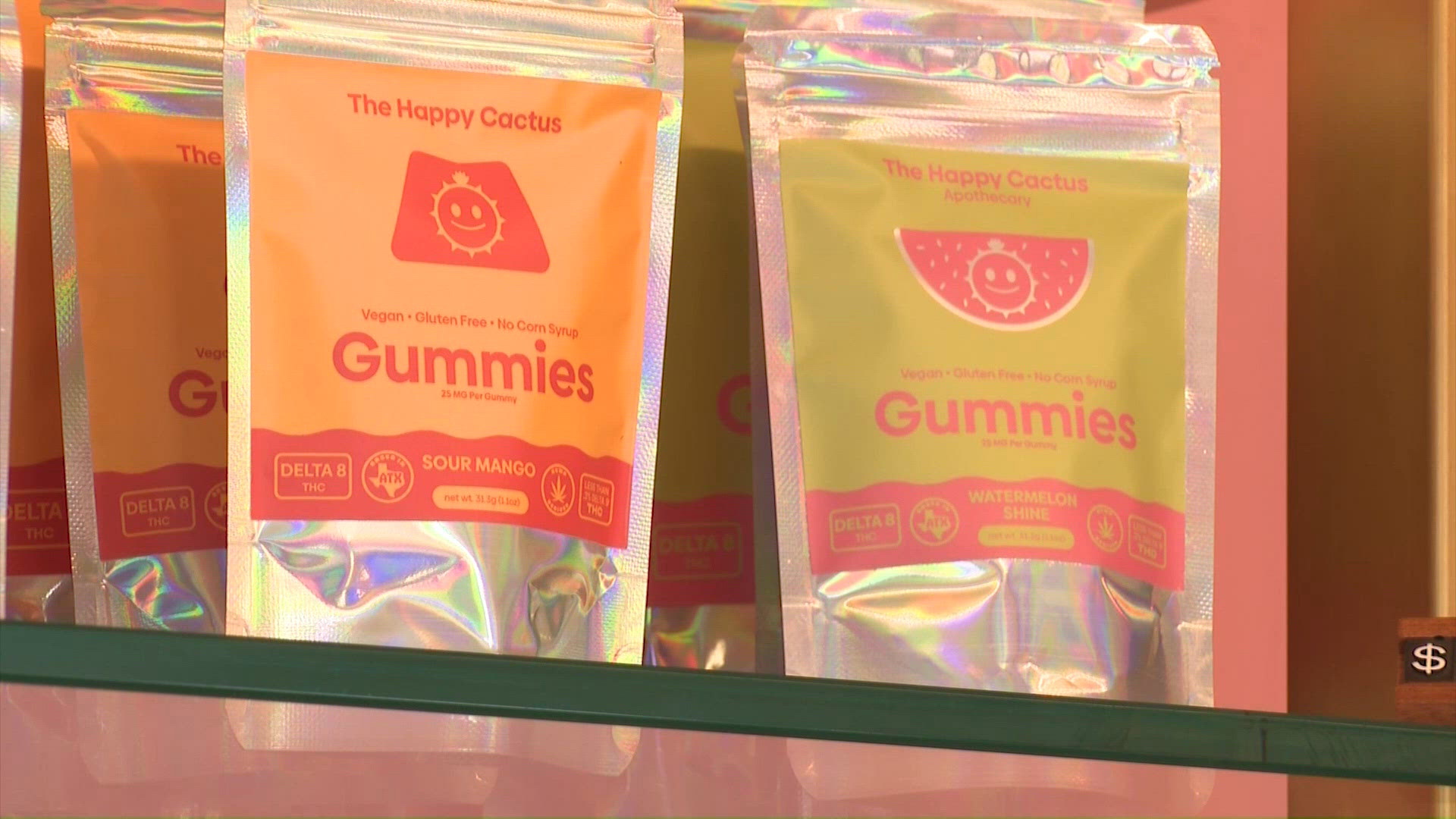
Sellers have 21 days (July 10-31, 2026) to liquidate or reformulate inventory. The news states the Texas Hemp Business Council 'advised businesses to evaluate inventory and prepare for removal or sell-through of affected products.' Recommended strategy: (1) Liquidate non-reformulatable inventory through clearance sales (20-40% discounts) to recover capital; (2) Prioritize reformulation for high-margin products (gummies, edibles) with established customer bases; (3) Halt new inventory purchases immediately; (4) Redirect supplier relationships to compliant product lines. Cost-benefit analysis: reformulation costs $2,000-5,000 for small retailers but preserves customer relationships and brand equity. Liquidation recovers 40-60% of inventory value but eliminates future revenue. Sellers should calculate break-even point: if reformulation cost < (liquidation loss + future margin), reformulate; otherwise, liquidate. Marketplace delisting will occur automatically, so sellers must prepare for sudden traffic loss and pivot to direct-to-consumer channels or alternative marketplaces.