




US AI Export Controls & Semiconductor Policy Reshape Cross-Border Tech Supply Chains
- Trump administration finalizing AI framework by August 1, 2025 affecting semiconductor exports to China and open-source AI access; $500B domestic chip investment signals reshoring opportunities for US-based sellers



Overview
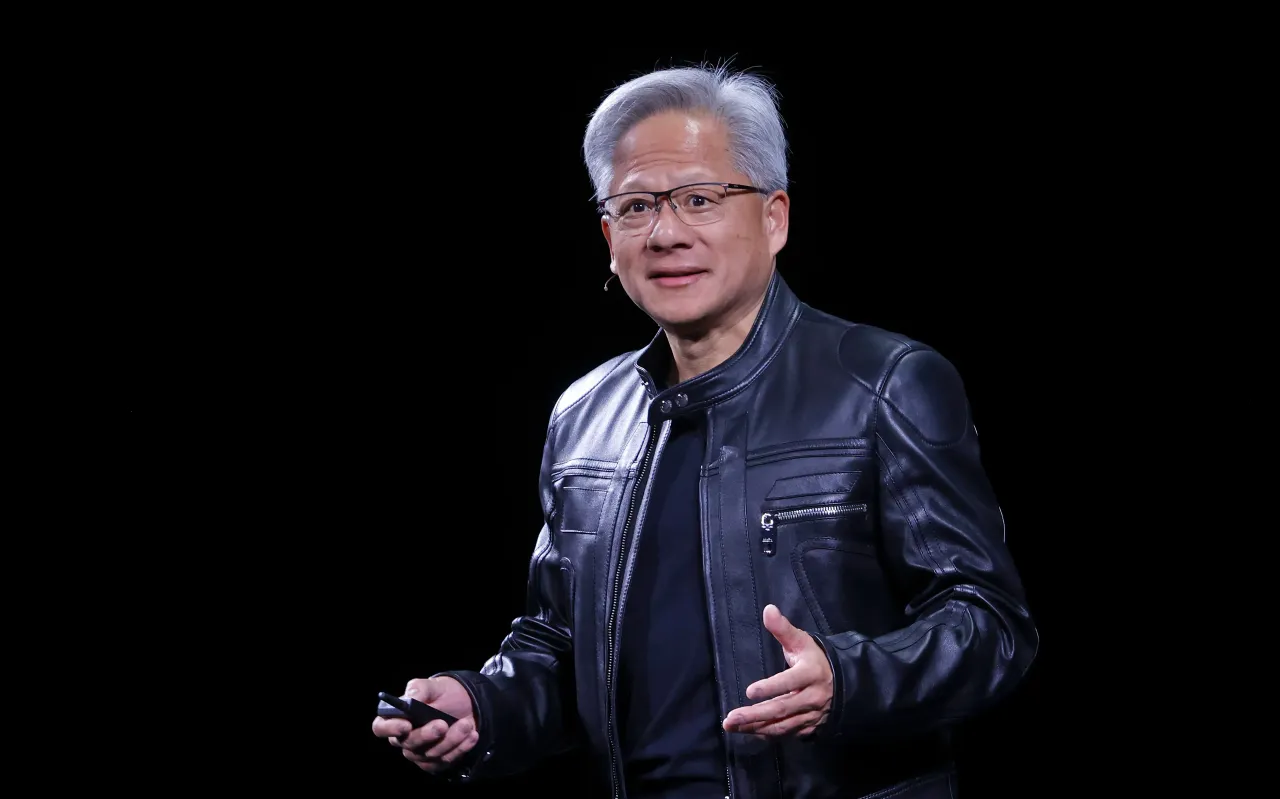
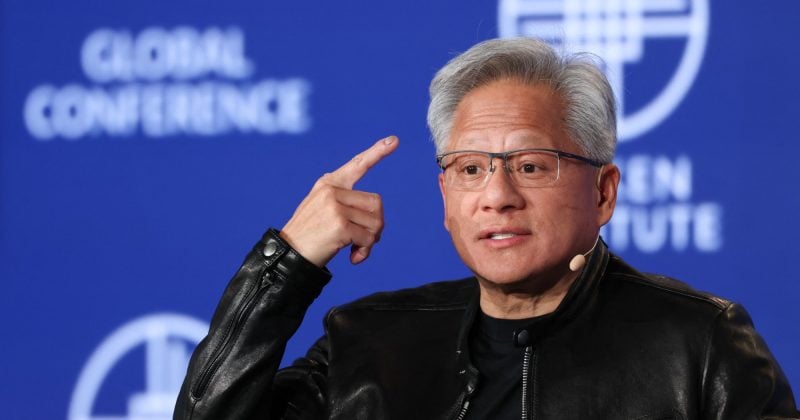
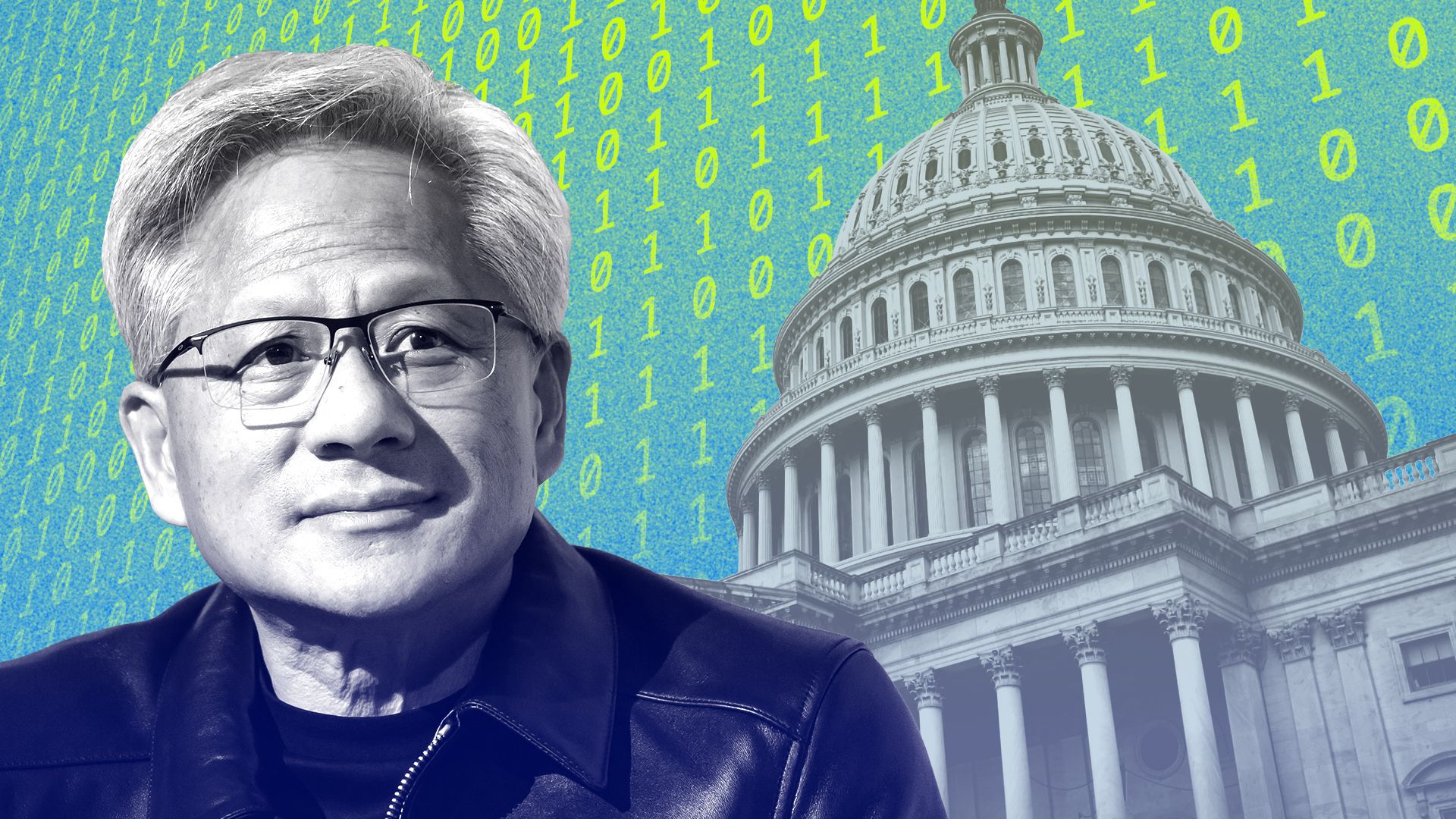
The Trump administration's emerging AI governance framework, unveiled through NVIDIA CEO Jensen Huang's high-level meetings with Commerce Secretary Howard Lutnick and Senator Ted Cruz, signals a fundamental restructuring of semiconductor export controls and AI policy that will reshape cross-border e-commerce supply chains. The Commerce Department's Bureau of Industry and Security is actively investigating NVIDIA's Blackwell chip exports to China, while Treasury Secretary Scott Bessent has signaled aggressive enforcement against Chinese AI labs, with Entity List designations and sanctions as available tools. The administration plans to finalize its comprehensive AI framework by August 1, 2025, addressing export controls, government early access to advanced AI models, and China-related restrictions.
For cross-border sellers, this policy shift creates three distinct market opportunities and risks. First, the $500 billion domestic chip investment commitment signals accelerated reshoring of semiconductor manufacturing and AI infrastructure to the United States, creating demand for industrial equipment, specialized components, and logistics services supporting US-based production facilities. Sellers specializing in manufacturing equipment, industrial automation, and supply chain software should position themselves to capture this domestic infrastructure buildout. Second, the light-touch regulatory approach championed by Senator Cruz's SANDBOX Act (introduced September 2025) suggests potential opportunities for open-source AI tool sellers and cybersecurity product vendors, particularly those supporting the 30+ company security alliance NVIDIA launched. Third, the aggressive enforcement posture toward Chinese AI labs and potential Entity List designations will restrict market access for sellers sourcing from or selling to sanctioned Chinese entities, while simultaneously creating competitive advantages for US-based and allied-nation suppliers.
The timing is critical: the August 1, 2025 framework deadline creates a 6-month window for sellers to reposition supply chains away from China-dependent semiconductor sourcing and toward US/allied suppliers. Sellers currently relying on Chinese chip suppliers for consumer electronics, IoT devices, or AI-enabled products face potential supply disruptions and tariff escalations. The investigation into NVIDIA's export practices suggests the administration will enforce existing regulations more aggressively, meaning sellers must conduct immediate compliance audits of their semiconductor supply chains. Additionally, the emphasis on open-source AI development and cybersecurity creates emerging product categories—AI safety tools, open-source model hosting platforms, and cybersecurity software—where early-mover sellers can capture market share before the regulatory framework solidifies.
Questions 8
What are the geopolitical implications for sellers in US, EU, and Asia Pacific markets?
The Trump administration's AI framework signals a strategic shift toward US-allied semiconductor sourcing and away from China dependency. This creates distinct opportunities by region: (1) US sellers gain competitive advantages through domestic sourcing preferences and government procurement opportunities; (2) EU sellers benefit from allied-nation status, with potential preferential treatment in semiconductor supply chains; (3) Taiwan, South Korea, and Japan sellers gain market share as alternative suppliers to China; (4) Asia Pacific sellers outside allied nations face potential market access restrictions. Sellers should evaluate their geographic positioning: US-based sellers should emphasize domestic sourcing in marketing, EU sellers should highlight allied-nation compliance, and Asia Pacific sellers should diversify away from China-dependent supply chains. The policy shift creates 18-24 month windows for repositioning before competitive dynamics fully stabilize.
How does NVIDIA's domestic investment commitment affect sellers in manufacturing and logistics?
NVIDIA's $500 billion domestic chip investment over four years signals sustained demand for manufacturing infrastructure, logistics services, and supply chain solutions. Sellers in industrial equipment, manufacturing automation, logistics software, and warehousing services should expect 15-25% annual growth in demand from semiconductor manufacturers expanding US capacity. The investment will concentrate in regions with existing semiconductor clusters (Arizona, Texas, California), creating regional logistics opportunities. Sellers should position for: increased demand for specialized manufacturing equipment (2025-2027 peak), logistics and warehousing services supporting new facilities (2026-2028 peak), and supply chain software (2025-2029 sustained demand). This represents a multi-year opportunity cycle with highest margins for early-mover suppliers establishing relationships with major semiconductor manufacturers.