


Amazon's #1 Global Ranking Signals AI-Driven E-Commerce Shift | Seller Opportunities in Tech Supply Chain
- Amazon's dominance in advertising and cloud services reshapes platform competition; Asian semiconductor suppliers surge 35-115% YoY, creating sourcing opportunities for sellers in electronics, smart home, and AI-adjacent categories



Overview
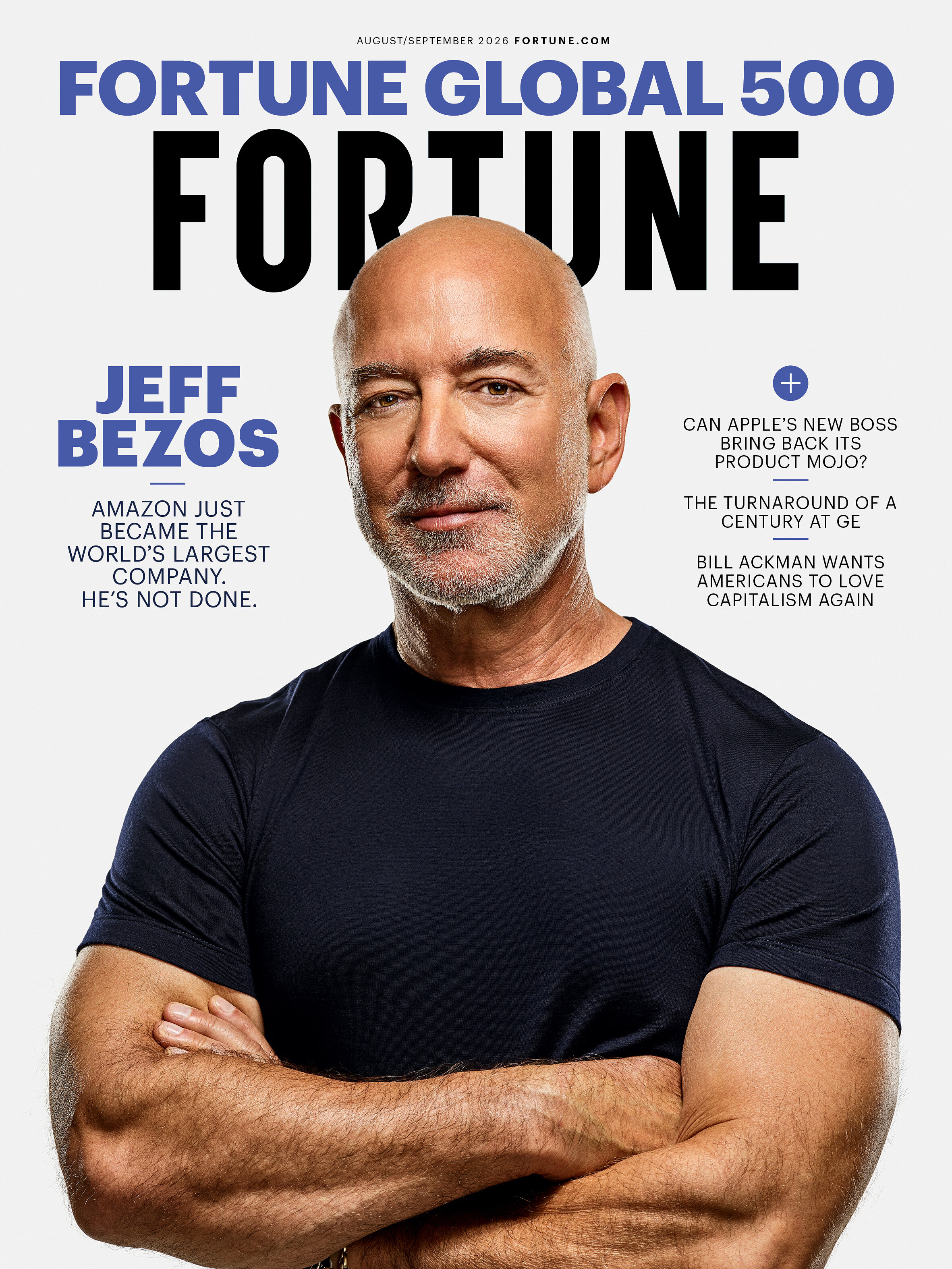
Amazon's ascent to the #1 position on Fortune's Global 500 list for 2025—ending Walmart's 12-year reign—represents a fundamental shift in how corporate value is created in the digital economy, with direct implications for cross-border e-commerce sellers. The news reflects Amazon's diversified revenue model: retail operations, advertising platform (Amazon Ads), and AWS cloud infrastructure. Critically, Amazon founder Jeff Bezos identified semiconductor chips as the company's next major growth pillar, signaling aggressive expansion into AI infrastructure. This strategic pivot directly impacts sellers because Amazon's advertising business is accelerating (AWS enterprise AI demand is driving higher ad spending), while the company's semiconductor ambitions suggest future vertical integration into hardware categories.
Simultaneously, Asian manufacturers are capturing disproportionate value from the AI boom. TSMC surged 44 positions to #82 with $122.3B revenue (+35.6% YoY), while Tencent jumped to #97 with $104.6B revenue (+14% YoY). More significantly, secondary Asian players experienced extraordinary growth: Wistron (+298 positions, +115% revenue), SK Hynix (+101 positions), and Coupang (South Korea's e-commerce leader) debuted at #479 with $34.5B revenue. This reshuffling reveals three concrete seller opportunities: (1) Electronics & Smart Home Categories: Demand for AI-adjacent products (smart speakers, thermal management devices, server components) is accelerating. Daikin Industries' entry at #498 (+33.3B revenue) was driven by "record European heatwave-driven cooling demand"—signaling seasonal spikes in climate control products. (2) Supply Chain Arbitrage: Asian manufacturers' 35-115% growth rates indicate supply constraints and pricing power. Sellers sourcing from Taiwan/South Korea can expect 8-15% cost increases in 2025, but also higher margins if they source early and lock in 2024 pricing. (3) Amazon Advertising Expansion: AWS's dominance means Amazon is investing heavily in ad tech. Sellers using Amazon Ads will see increased competition but also better targeting tools powered by AI. Budget allocation should shift 15-20% toward sponsored products in Q1 2025.
Platform-specific implications: Amazon's #1 ranking validates its three-pillar strategy (retail + ads + cloud), making it the most attractive platform for sellers targeting enterprise buyers and AI-adjacent categories. Walmart's displacement suggests its traditional retail model is less defensible—relevant for sellers deciding between Amazon FBA vs. Walmart Marketplace. Coupang's debut at #479 (90% domestic revenue) indicates South Korea's e-commerce market is maturing rapidly; sellers should consider Coupang as a secondary platform for Asia-Pacific expansion. Regional demand signals: European cooling demand (Daikin's surge), Chinese automotive exports (Chery at #383), and gaming/AI advertising (Tencent's growth) point to category-specific opportunities in climate control, automotive accessories, and gaming peripherals across EU and Asia-Pacific markets.
Questions 8
How does Bezos's focus on semiconductor chips affect long-term seller strategy on Amazon?
Bezos explicitly stated that semiconductor chips represent Amazon's 'next major pillar for future growth,' signaling vertical integration into hardware manufacturing and AI infrastructure. For sellers, this means: (1) Amazon may launch proprietary AI chips for smart home devices, competing with sellers' existing product lines; (2) Amazon will likely bundle AI capabilities into FBA logistics and advertising, creating advantages for sellers using Amazon's full ecosystem; (3) Sellers should prepare for Amazon to enter categories like smart speakers, security cameras, and IoT devices more aggressively. Long-term strategy should focus on differentiation (unique features, niche markets) rather than competing on price with Amazon's hardware. Sellers should monitor Amazon's hardware announcements quarterly and adjust product strategy accordingly. Consider pivoting to complementary products (accessories, software, services) that enhance Amazon's hardware ecosystem.
What compliance or operational changes should sellers implement in response to this news?
Amazon's semiconductor ambitions and Asian manufacturer growth create three operational priorities: (1) **Inventory Management**: Increase safety stock by 20-30% for high-margin electronics and smart home products before Q2 2025 price increases; implement demand forecasting tools to avoid stockouts. (2) **Supplier Diversification**: Audit supplier concentration—if >40% of inventory comes from single TSMC-dependent manufacturer, diversify to Vietnam or South Korea suppliers. (3) **Advertising Compliance**: As Amazon's AI advertising becomes more sophisticated, ensure product listings comply with enhanced targeting requirements (detailed category tags, enhanced content, A+ pages). (4) **Regional Expansion**: If currently US-only, add EU and Asia-Pacific listings for thermal management and smart home categories by Q2 2025. Sellers should complete these changes by March 31, 2025 to capitalize on Q2-Q3 demand spikes.