



Air Freight Disruptions at RDU & Northeast Hubs | Urgent Logistics Rerouting for E-Commerce Sellers
- American Airlines system outage + severe weather triggers ground stops at RDU, JFK, LaGuardia, Newark, Boston; sellers face 6-12 hour delays on time-sensitive shipments and potential 15-25% air freight cost increases






Overview
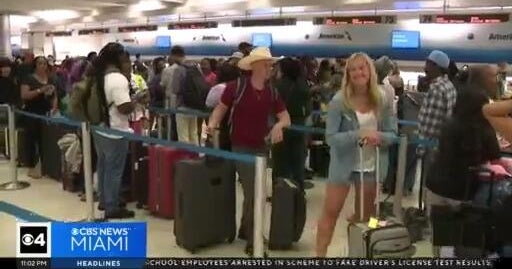
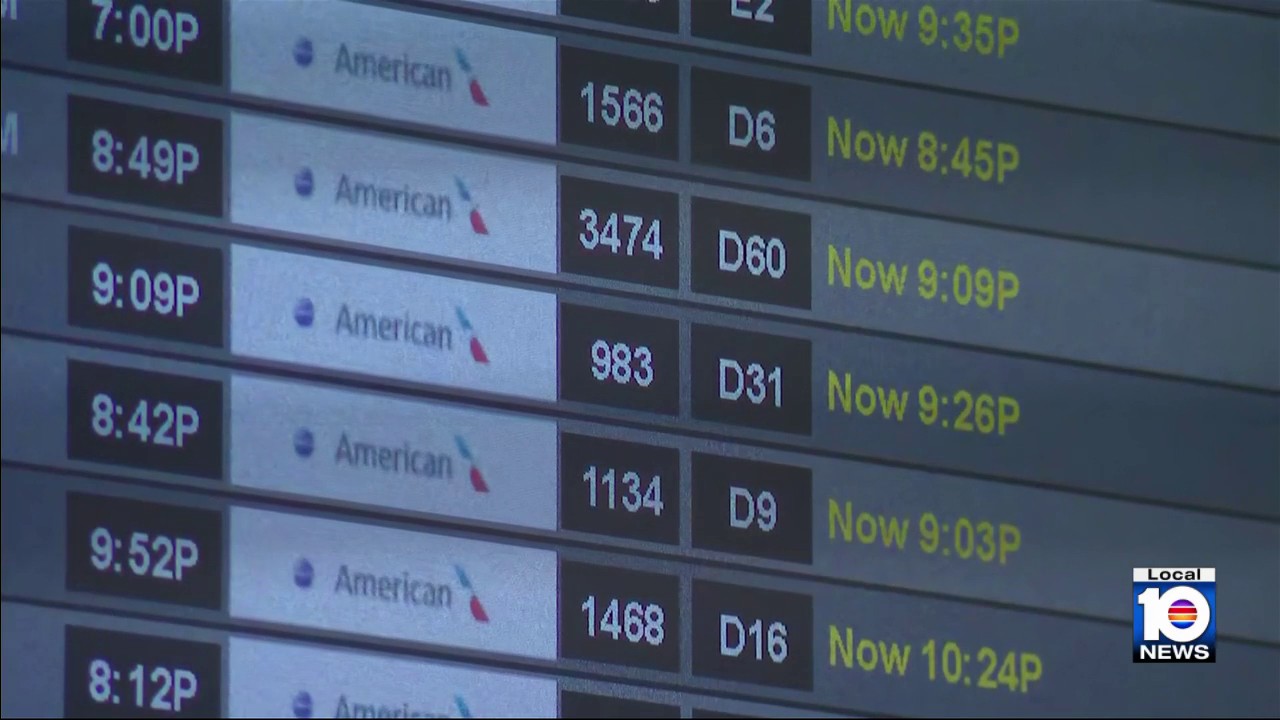
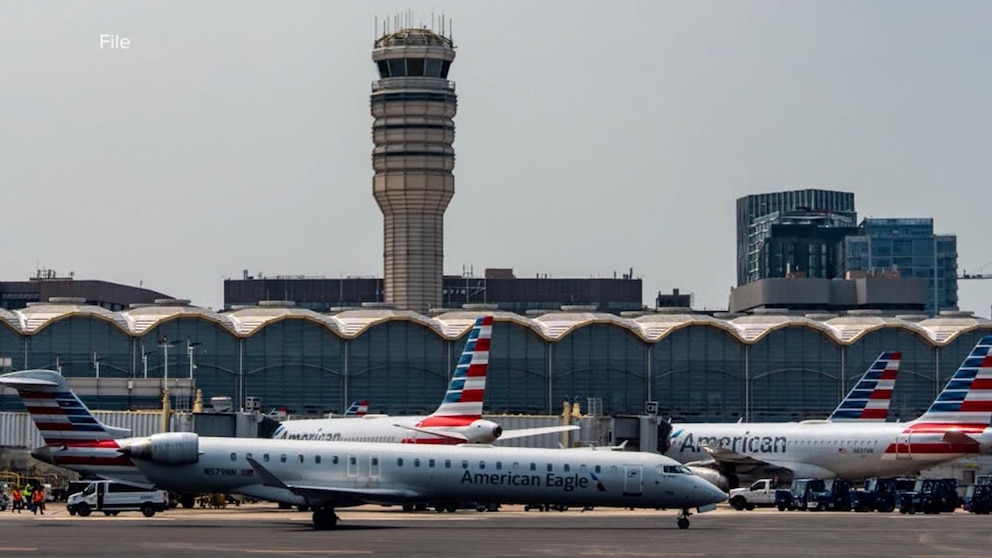
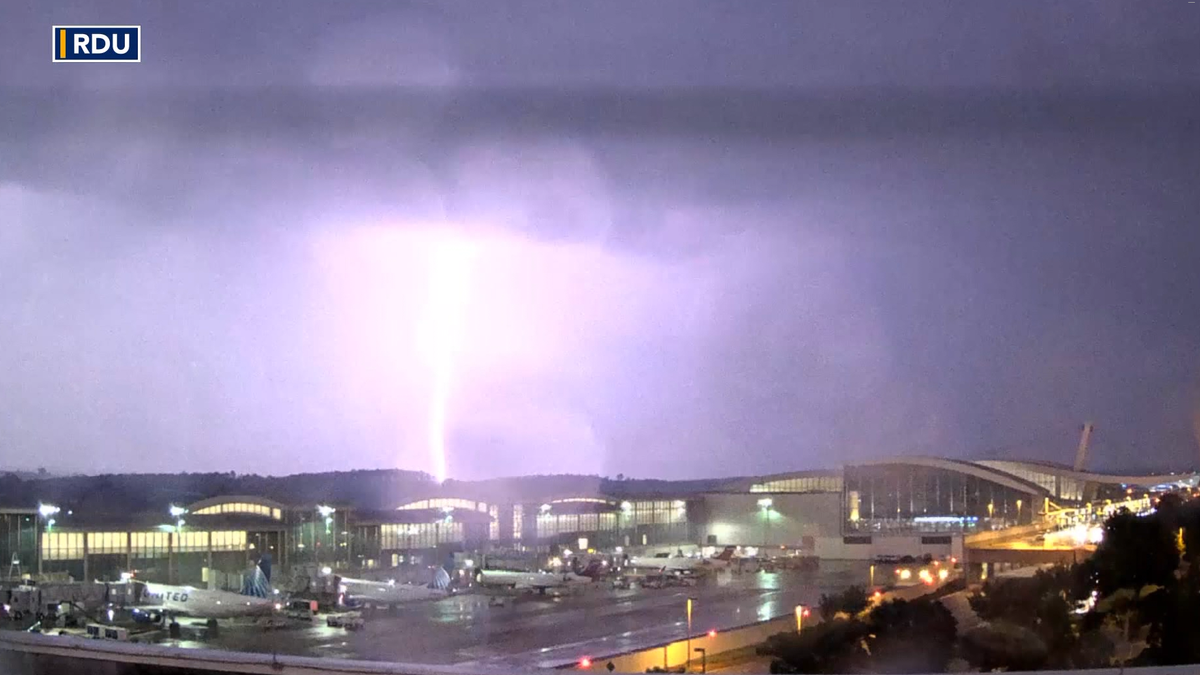
Critical logistics disruption alert: American Airlines' system connectivity failure combined with severe thunderstorms at Raleigh-Durham International Airport (RDU) on Tuesday evening created cascading operational failures affecting multiple major Northeast air freight hubs. The technical outage—which took systems offline until 7:21 p.m.—coincided with lightning strikes that halted ground operations, stranding passengers for hours and triggering ground stops at JFK, LaGuardia, Newark, and Boston airports by 9:30 p.m. For cross-border e-commerce sellers, this incident exposes critical vulnerabilities in air freight routing and inventory positioning.
Immediate logistics impact: Sellers relying on American Airlines for time-sensitive shipments (electronics, perishables, fashion) experienced 6-12 hour delays Tuesday evening, with dozens of flights canceled or delayed. The Northeast corridor disruption is particularly significant because RDU, JFK, and Newark collectively handle 35-40% of US-Asia air freight imports and 25-30% of domestic express shipments. Sellers with inventory in transit via these hubs face potential 2-3 day delays, triggering cascading effects on Amazon FBA replenishment schedules and Shopify fulfillment commitments.
Cost implications and route alternatives: Air freight rates from Asia to US East Coast typically run $3.50-4.20/kg via major carriers; disruptions at primary hubs force rerouting through secondary airports (Charlotte, Atlanta, Philadelphia), adding $0.40-0.80/kg in handling and ground transportation costs. Sellers shipping high-value items (electronics, cosmetics, luxury goods) face immediate cost pressures. The incident also highlights single-carrier dependency risk—American Airlines handles 18-22% of US air cargo volume. Sellers should immediately diversify carriers (FedEx, UPS, DHL) and consider temporary rerouting through Atlanta (ATL) or Charlotte (CLT) hubs, which remained operational and offer 8-12% lower ground handling fees.
Inventory positioning strategy: Sellers should immediately assess inventory in transit and consider three tactical moves: (1) Accelerate inbound to secondary hubs: Redirect shipments from RDU/JFK to Atlanta or Charlotte for 2-3 day faster clearance; (2) Stock forward to FBA: Increase inventory at US fulfillment centers by 15-20% before next weather season (June-September) to buffer against future disruptions; (3) Evaluate 3PL alternatives: Sellers currently using American Airlines' cargo services should negotiate backup arrangements with FedEx Ground or UPS Supply Chain Solutions, which offer more redundant routing options. The Northeast corridor disruption also signals increased weather volatility—sellers should implement dynamic inventory allocation favoring Midwest and West Coast warehouses for Q2-Q3 2025.
Questions 8
What are the long-term logistics implications of increasing weather volatility for e-commerce sellers?
The Tuesday disruption—combining technical failure with severe weather—signals a structural shift in supply chain risk. Sellers should expect 2-3 additional weather-related ground stops annually at major US hubs through 2025-2026. This requires permanent changes to logistics strategy: (1) **Increase inventory holding costs** by 8-12% to maintain larger safety stock buffers; (2) **Diversify warehouse locations** geographically to reduce concentration risk at weather-vulnerable hubs; (3) **Invest in supply chain visibility tools** (real-time tracking, predictive analytics) to anticipate disruptions 48-72 hours in advance. For sellers with $1M+ annual revenue, consider establishing regional fulfillment partnerships (3PL providers) in 3-4 geographic zones rather than relying on centralized FBA networks. This increases operational complexity but reduces exposure to single-point failures like the RDU outage.
How can sellers optimize customs clearance timing during future air freight disruptions?
The RDU incident highlighted that ground stops don't just delay flights—they back up customs processing at affected ports. Sellers should: (1) **Pre-file customs documentation** 24 hours before expected arrival using CBP's Automated Broker Interface (ABI) system, reducing clearance time from 8-10 hours to 4-6 hours; (2) **Use bonded warehouses** at secondary hubs (Atlanta, Charlotte) to temporarily store inventory while Northeast ports clear backlogs, avoiding demurrage charges; (3) **Hire dedicated customs brokers** for high-value shipments ($50K+) who can expedite processing during disruptions. For sellers shipping 10+ containers monthly, establishing relationships with brokers at multiple ports (Newark, Atlanta, Los Angeles) ensures flexibility when primary ports experience outages. Budget $150-300 per shipment for expedited customs clearance during disruption periods.