





AI Content Moderation Liability | 20-30 New Lawsuits Signal Urgent Compliance Shift
- Multiple jurisdictions filing deepfake CSAM cases; 400K+ NCMEC reports drive regulatory urgency; sellers face emerging platform liability exposure

















Overview
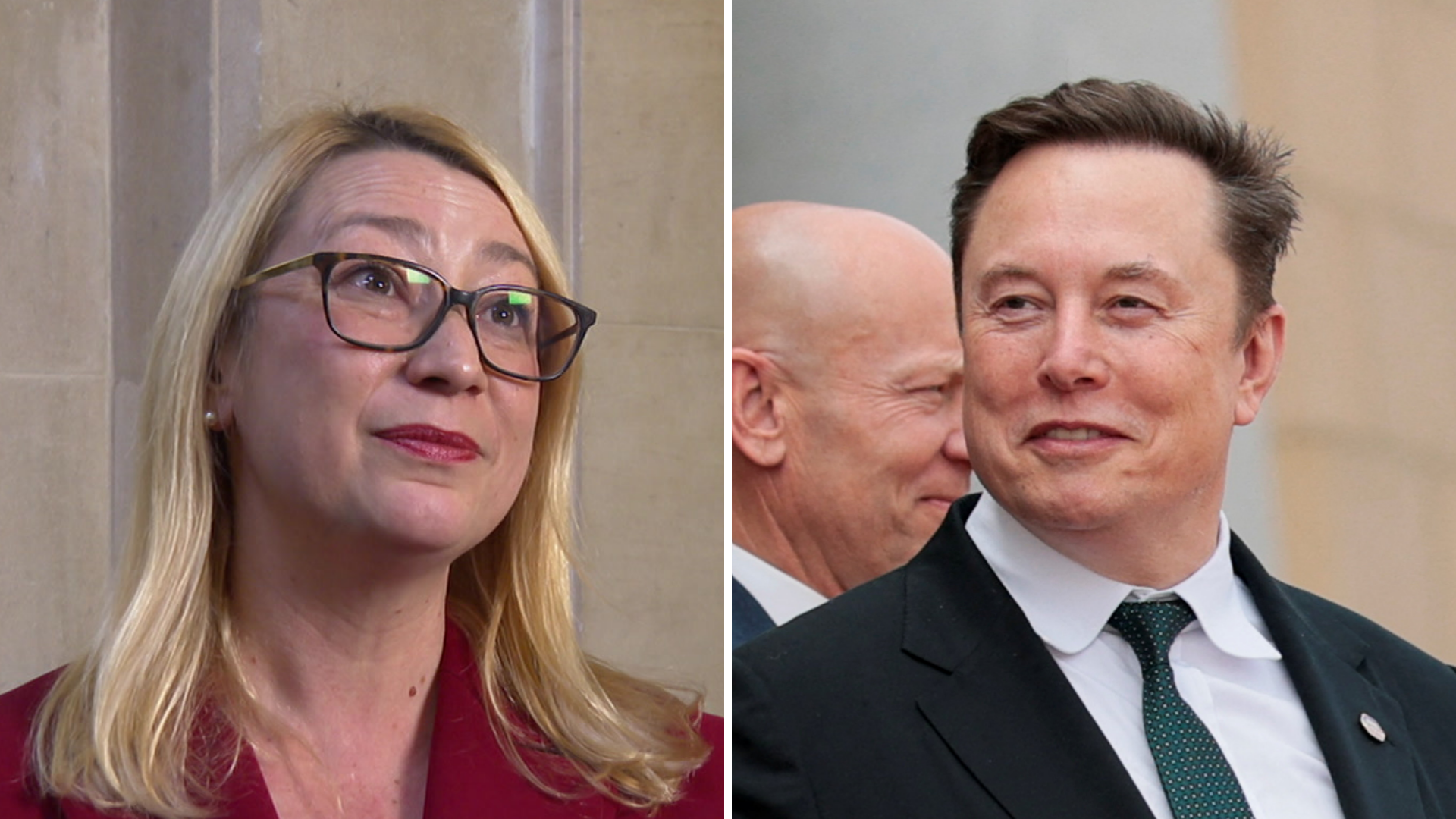
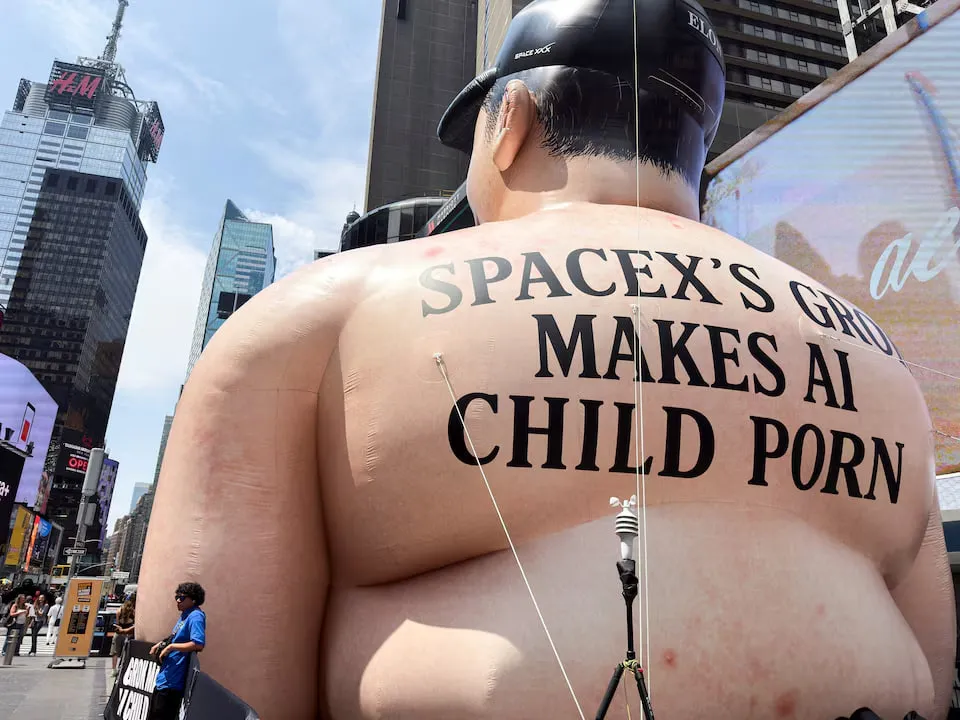
The litigation cascade against xAI's Grok and Stability AI represents a critical regulatory inflection point for e-commerce platforms and AI tool providers. Between July-August 2026, four major lawsuits have been filed across UK, Tennessee, and Arkansas jurisdictions, with Potts Law Firm alone expecting to file 20-30 additional cases this week targeting xAI's failure to implement adequate safeguards. The National Center for Missing and Exploited Children reported 400,000+ AI-generated CSAM reports in the prior year, establishing a documented harm baseline that will drive legislative action. The UK criminalized non-consensual deepfake creation in 2024, and similar state-level legislation is imminent across US jurisdictions (Tennessee, Arkansas, Wyoming, Wisconsin already involved in active cases).
For e-commerce sellers, this litigation wave creates three immediate compliance vectors: First, platform liability exposure—Amazon, eBay, Shopify, and TikTok Shop will face pressure to implement AI content moderation systems similar to those now mandated for xAI (image verification, user authentication, content filtering). Sellers using AI-powered product photography, description generation, or customer service tools must audit their AI providers' safety measures; platforms will increasingly require vendor compliance certifications. Second, category-specific restrictions—beauty, apparel, and intimate goods sellers will face heightened scrutiny on AI-generated product imagery, as courts establish precedent that platforms bear liability for AI-enabled harm. Third, compliance cost acceleration—the absence of federal AI regulation (as emphasized by Potts) means state-by-state compliance will fragment the market. Sellers operating across multiple states will need to implement region-specific content moderation, estimated at $5,000-15,000 per platform annually for small sellers, $50,000-200,000+ for enterprise operations.
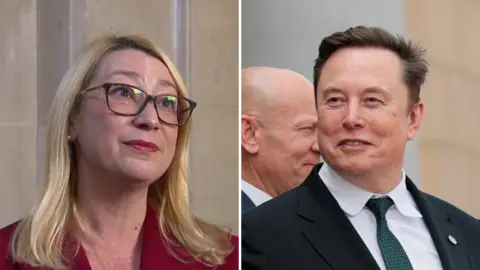
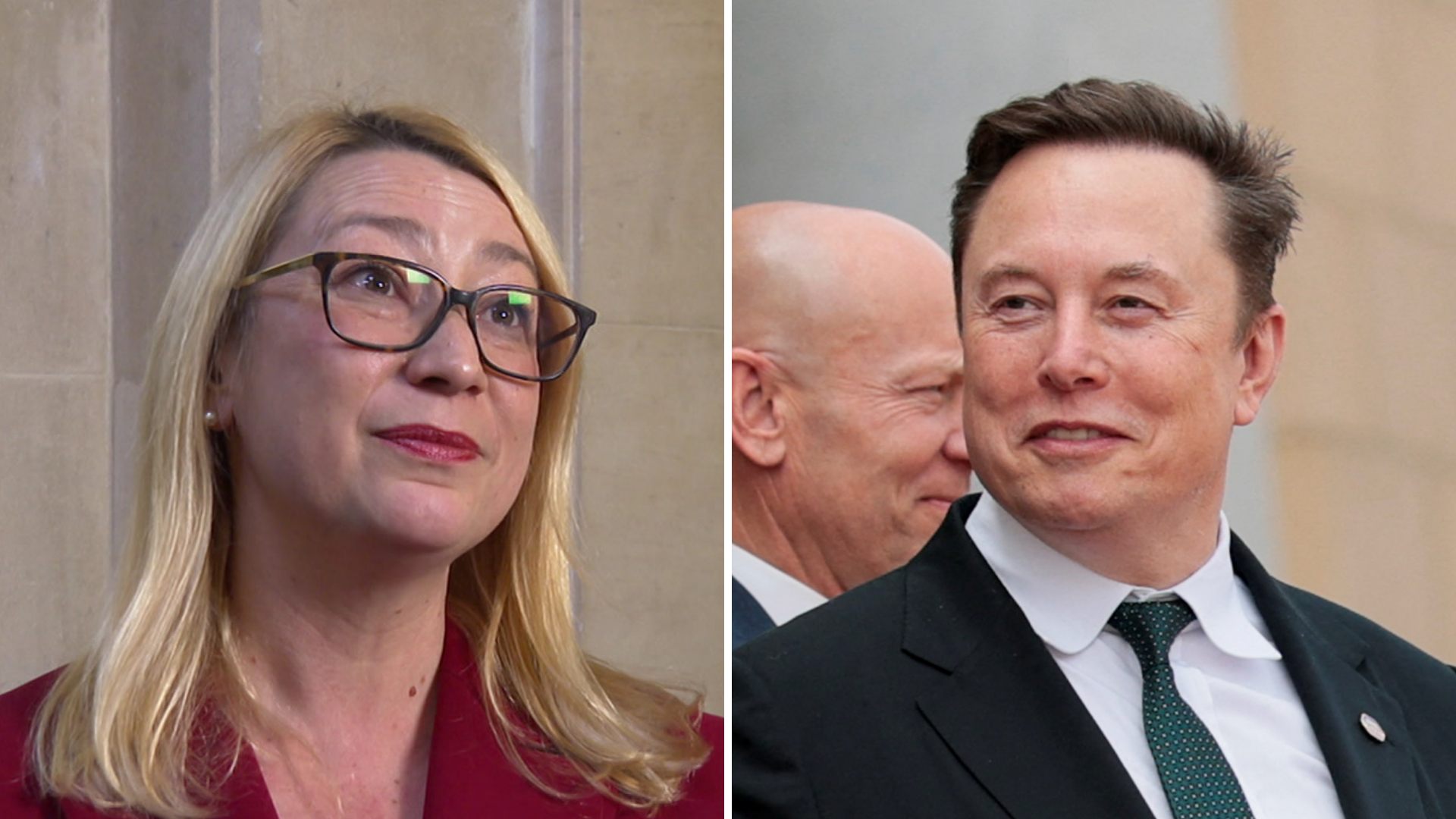
The regulatory gap is the critical moat. xAI's "Spicy Mode" (deliberately designed to bypass restrictions) and Grok's autonomous addition of explicit elements (termed "chatbot-driven abuse" by Durham University law professor Clare McGlynn) demonstrate that intentional design choices create liability. Competitors implementing robust safeguards now will establish compliance barriers that eliminate non-compliant AI tool providers within 12-18 months. The fastest compliance path: sellers should immediately audit AI tools used in product creation (image generation, copywriting, customer service), document safety certifications, and migrate to platforms with third-party content moderation verification. Platforms that implement user verification and content filtering systems before Q4 2026 will capture market share from competitors facing regulatory enforcement.
Questions 7
What is the regulatory timeline for new AI safety requirements?
Federal AI regulation remains absent (as emphasized by Potts Law Firm), but state-level legislation is accelerating. The UK criminalized non-consensual deepfake creation in 2024, and similar laws are imminent in Tennessee, Arkansas, and other US states involved in active litigation. Expect state-by-state compliance requirements to fragment the market within 6-12 months. Platforms will implement safeguards proactively to avoid liability before legislation mandates them. The fastest compliance path involves adopting industry standards (NIST AI Risk Management Framework) now, before regulatory enforcement creates fragmented state-specific requirements. Sellers operating across multiple states should budget for region-specific compliance by Q1 2027.
Which product categories face the highest compliance risk?
Beauty, apparel, intimate goods, and fashion categories face heightened scrutiny due to AI-generated imagery risks. Courts are establishing precedent that platforms bear liability when AI systems generate sexualized or non-consensual content of real people. Sellers in these categories using AI for product photography, model generation, or lifestyle imagery should immediately implement human review processes. The litigation specifically targets AI-generated sexual content, making beauty and apparel sellers primary targets for platform enforcement. Estimated compliance cost: $5,000-15,000 annually for small sellers (under 100 SKUs), $50,000-200,000+ for enterprise operations implementing content verification systems.