
/Seagate%20sign%20on%20the%20building%20atits%20operational%20headquarters%20By%20JHVEPhoto.jpeg)

AI Infrastructure Costs Rising | Seagate Earnings Signal 6-12 Month Cloud Price Surge for E-Commerce Sellers
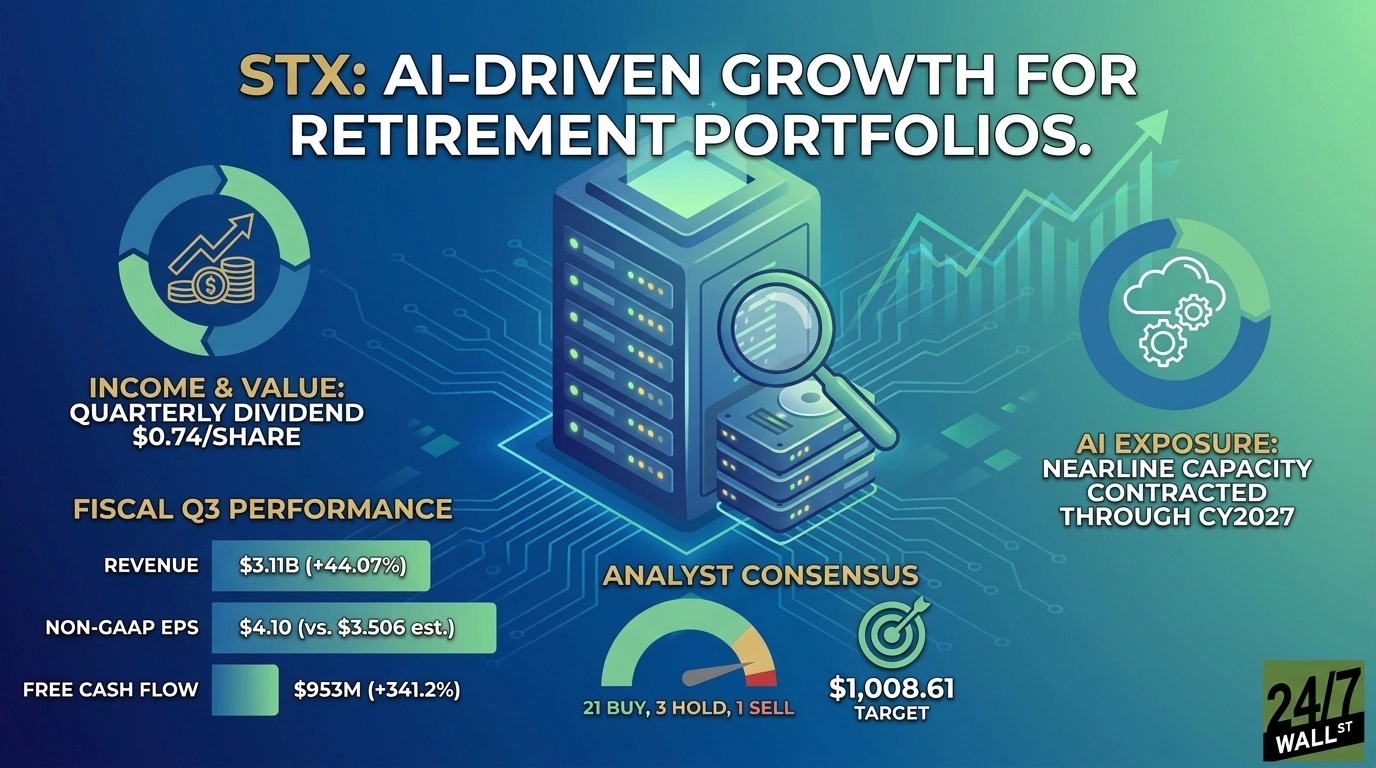
- Seagate blowout earnings (July 28, 2026) indicate storage cost inflation ahead; AWS, Azure, Google Cloud pricing increases expected within 6-12 months affecting inventory management, analytics, and fulfillment operations for 50K+ cross-border sellers























Overview
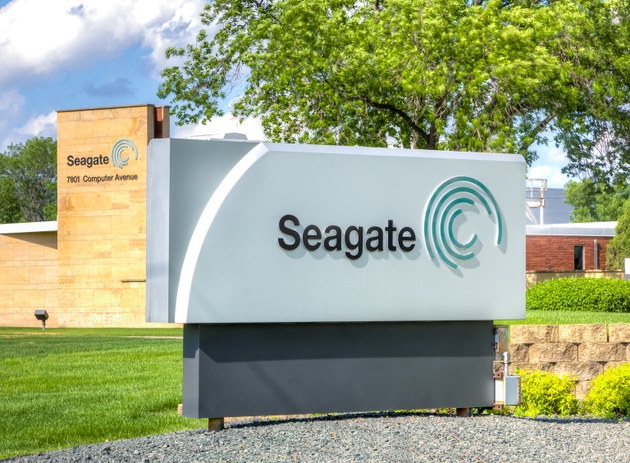
Seagate Technology's blowout earnings report on July 28, 2026, driven by surging AI-related data storage demand, signals an imminent cost inflation cycle for e-commerce sellers relying on cloud infrastructure. The storage hardware manufacturer exceeded Wall Street guidance on unprecedented demand from Microsoft, Google, and Amazon Web Services expanding AI capabilities, with data centers requiring exponentially more storage capacity for large language models and machine learning operations. This earnings beat reflects structural shifts in computing infrastructure where AI workloads generate unprecedented data volumes, creating sustained pricing power in the storage sector throughout 2025 and beyond.
For cross-border e-commerce sellers, this development carries critical operational implications within a 6-12 month timeframe. Historically, storage technology cycles precede broader technology cost inflation. Seagate's strong performance indicates robust demand for enterprise-grade storage solutions, which typically precedes cloud service pricing adjustments. Sellers utilizing cloud-based inventory management systems, analytics platforms, and fulfillment services should expect cost increases as AWS, Microsoft Azure, and Google Cloud pass through higher infrastructure expenses. The company's ability to exceed guidance suggests sustained pricing power in the storage sector, directly affecting operational expenses for technology-dependent businesses.
AI-powered automation and data analytics represent the critical competitive advantage for sellers navigating rising infrastructure costs. Rather than absorbing cost increases passively, sellers should immediately deploy AI tools for demand forecasting (reducing inventory holding costs by 15-25%), dynamic pricing optimization (capturing 8-12% margin improvement), and automated customer service (reducing support costs by 30-40%). Sellers can use AI-powered inventory analytics to identify slow-moving SKUs and optimize storage allocation across fulfillment networks, directly offsetting cloud cost increases. Additionally, implementing predictive analytics for demand forecasting reduces reliance on expensive cloud storage for historical data analysis, while automated pricing engines adjust margins in real-time to compensate for rising operational costs.
Immediate action is required to lock in current cloud service rates and implement cost-mitigation strategies. Sellers should audit current AWS, Azure, and Google Cloud spending (typically $500-2,000/month for mid-sized sellers), negotiate multi-year contracts before Q1 2025 pricing announcements, and evaluate alternative 3PL providers with fixed-cost models. The timing of Seagate's earnings report positions it as an early indicator of potential cost pressures in the e-commerce technology stack, with 6-12 months before widespread cloud pricing increases materialize. Sellers who implement AI-driven cost optimization now will maintain competitive margins while those delaying face 8-15% operational cost increases by mid-2026.
Questions 8
Can I reduce cloud costs by switching to alternative fulfillment providers?
Yes, but evaluate carefully. Fixed-cost 3PL providers (Flexport, Shipbob, Fulfillment.com) eliminate cloud storage costs but typically charge 15-25% higher fulfillment fees than Amazon FBA. For sellers with 100-500 SKUs and predictable demand, 3PL providers can reduce total costs by 5-10% compared to cloud-based inventory management plus FBA fees. However, sellers with highly seasonal products or rapid SKU turnover benefit more from cloud flexibility. Calculate your break-even point: if cloud costs exceed $300/month, evaluate 3PL alternatives. Most sellers benefit from hybrid approaches: high-velocity SKUs on FBA, slow-movers on 3PL.
Are there AI-powered tools that can help sellers predict and prepare for cloud cost increases?
Yes, several AI tools can help sellers anticipate and prepare for cost increases: (1) Cloud cost intelligence platforms (CloudZero, Kubecost) use AI to predict future costs based on usage trends and market signals, (2) Infrastructure optimization tools (Densify, Turbonomic) recommend cost-saving configurations using machine learning, (3) Market intelligence platforms track hardware component prices and cloud provider announcements to forecast pricing changes, (4) AI-powered financial modeling tools help sellers model margin impact under different cost scenarios. Sellers should implement these tools by Q1 2025 to build predictive models and stress-test their business under 10-15% cost increase scenarios. This preparation enables rapid response when cloud providers announce pricing changes, minimizing margin compression and maintaining competitive positioning.