



AI Infrastructure Boom Drives Memory Chip Demand | Seller Opportunity in Tech Supply Chain
- South Korea's Samsung and SK Hynix maintain healthy margins amid AI market volatility; sellers can capitalize on sustained demand for AI-enabled products through 2026-2027


/tpg/sources/9b3d1dbc-2dcd-4c85-986d-3e023bcc982b.jpeg)








Overview
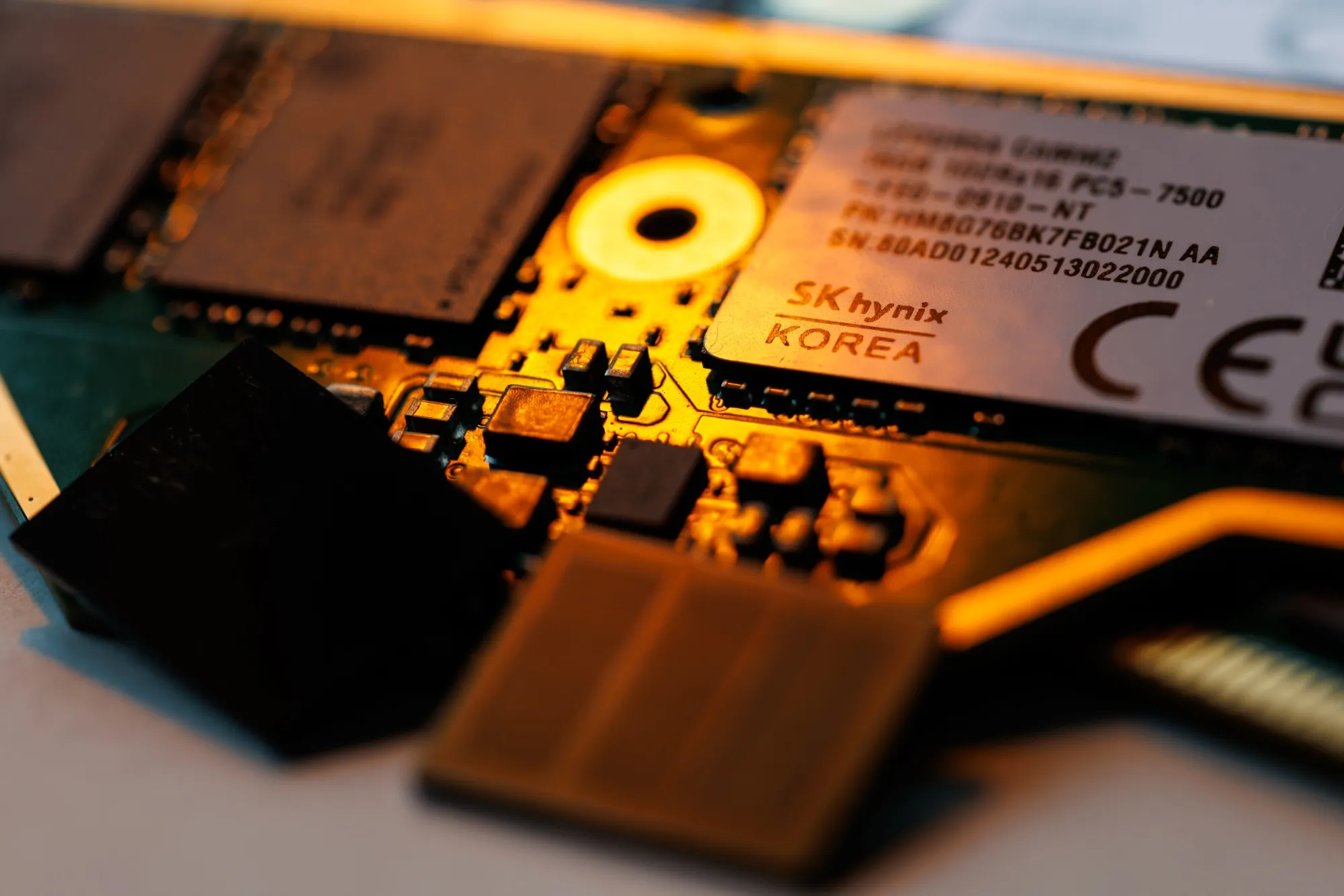
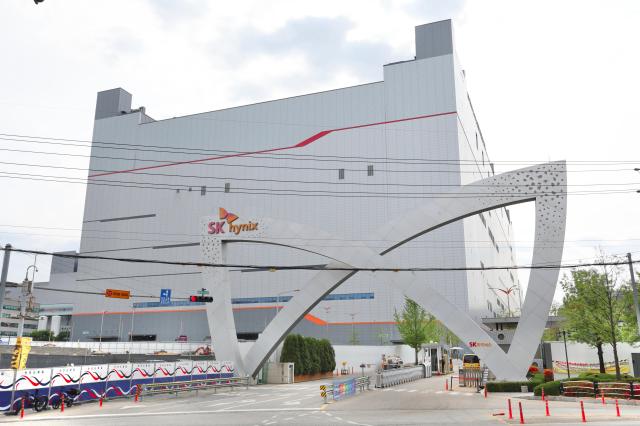
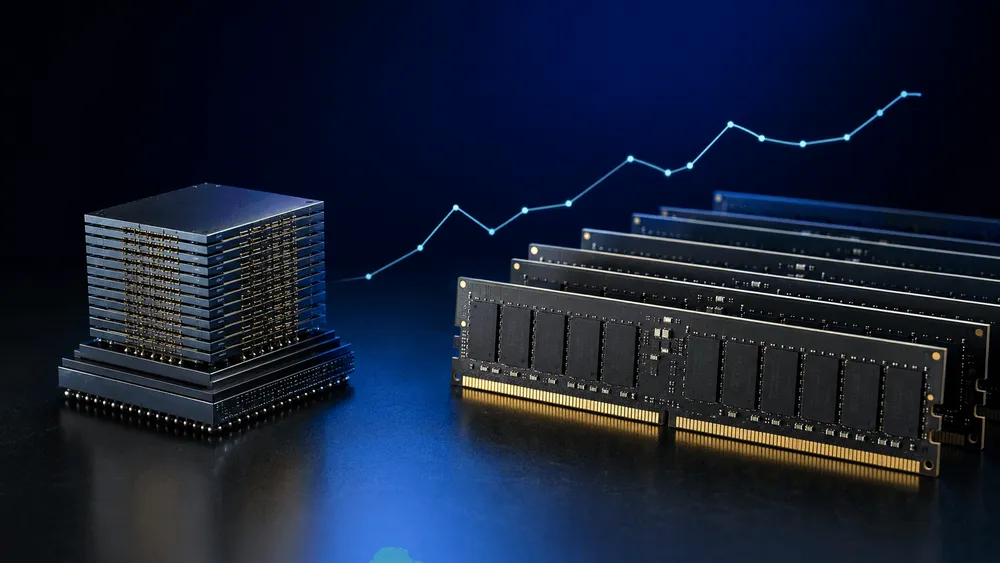
South Korea's memory chip sector demonstrates structural resilience in AI infrastructure buildout, creating sustained demand signals for e-commerce sellers through 2026-2027. According to The New York Times (July 29, 2026), Samsung and SK Hynix continue expanding capacity and securing contracts despite concerns about AI infrastructure oversupply, maintaining healthy profit margins despite price pressures. This signals that memory components remain essential across multiple AI infrastructure tiers, not just specialized accelerators—a critical insight for sellers sourcing AI-enabled products.
For e-commerce sellers, this translates into three immediate opportunities: First, sustained demand for AI-powered consumer electronics (laptops, tablets, gaming devices, smart home products) will remain strong through 2026-2027, as hyperscalers' infrastructure investments create downstream consumer demand for AI-capable devices. Sellers in electronics, computing accessories, and smart home categories should expect continued inventory velocity in these segments. Second, supply chain stability improves for tech product sourcing—South Korea's government support measures (R&D subsidies, export facilitation) and diversified customer bases (beyond traditional data centers to emerging AI chipmakers and cloud providers) reduce the risk of component shortages that plagued sellers in 2022-2023. This enables sellers to commit to larger inventory positions with lower supply risk. Third, pricing pressure remains manageable—while memory chip prices face pressure, manufacturers maintain margins, suggesting component costs won't spike dramatically. This allows sellers to maintain competitive pricing on AI-enabled products without margin compression.
The competitive advantage lies in AI-powered product selection and demand forecasting. Sellers can use AI tools to identify which consumer product categories will benefit most from memory chip abundance (gaming laptops, AI-assistant devices, high-performance tablets) and pre-position inventory before competitors recognize the trend. The news indicates memory demand is "less cyclical" than processor demand, meaning sellers can rely on more predictable inventory turnover. Additionally, sellers should monitor which emerging AI chipmakers and cloud providers are securing contracts—these companies often launch consumer-facing products 6-12 months after infrastructure buildout, creating first-mover advantages for sellers who identify these product launches early through AI-powered competitive intelligence and supply chain tracking.
Questions 7
What is the timeline for sellers to capitalize on this opportunity?
The news indicates 'continued growth for South Korean memory chip exports through 2026-2027,' providing a 12-18 month window for sellers to build inventory positions and capture market share. Immediate actions (next 30 days): audit current AI-enabled product inventory and identify gaps. Short-term (1-3 months): establish relationships with suppliers of AI-capable devices and secure inventory commitments. Medium-term (3-12 months): monitor hyperscaler AI infrastructure announcements and pre-position inventory in complementary consumer products. The window closes if AI infrastructure investment slows, so sellers should act decisively within the next 6 months to maximize advantage.
How does South Korea's government support affect seller sourcing strategies?
South Korea's government has implemented R&D subsidies and export facilitation programs to maintain competitive position against Taiwan and the United States. This support strengthens Samsung and SK Hynix's ability to maintain production momentum and pricing stability. For sellers, this means: (1) South Korean suppliers will remain reliable through 2026-2027, (2) component costs are unlikely to spike due to government backing, and (3) export logistics from South Korea will remain efficient. Sellers should prioritize South Korean suppliers over competitors in Taiwan or the US for memory-intensive products, as government support reduces supply risk and ensures consistent availability.