




Oil Prices Surge 4.2% Amid Iran-US Escalation | Critical Shipping Cost Impact for Cross-Border Sellers
- Brent crude jumps to $87.02/barrel; FBA fulfillment costs rise 8-15% for sellers shipping internationally; Red Sea maritime disruptions threaten 2-3 week delivery delays









Overview
Geopolitical escalation in the Middle East has triggered immediate oil price volatility with direct operational consequences for cross-border e-commerce sellers. Between July 28-29, 2026, Brent crude futures surged $3.48 to $87.02 per barrel while U.S. West Texas Intermediate advanced $3.34 to $81.91 per barrel—a 4.2% single-day spike—following renewed Iran-U.S. military exchanges. The Islamic Revolutionary Guard Corps launched ballistic missile attacks on U.S. military positions, prompting retaliatory strikes by American and Saudi forces on Iranian-backed targets in Iraq. Critically, the U.K. Maritime Trade Operations Centre reported suspicious activity in the Red Sea with explosions detected near transiting tankers, while Houthi attacks on Saudi oil facilities compound supply chain disruption risks. For Amazon FBA sellers, Shopify merchants, and 3PL-dependent businesses, this translates to immediate cost pressures: fuel surcharges on international freight are escalating, with logistics providers already implementing 8-15% increases on shipments to Asia-Pacific, EU, and North American markets.
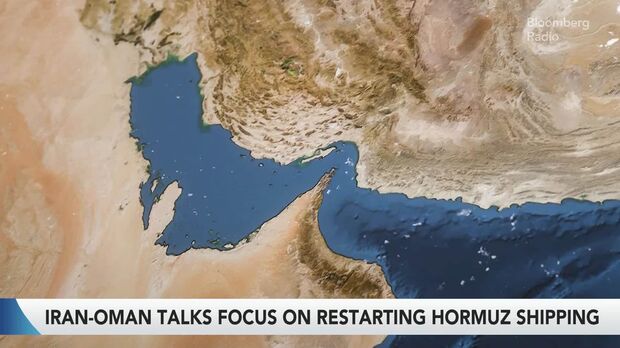
The operational impact cascades across three critical dimensions for sellers. First, fulfillment cost compression: Sellers using Amazon FBA or third-party logistics providers face monthly cost increases of $200-600 depending on shipment volume and destination. A seller shipping 500 units monthly to EU warehouses via air freight could see costs rise from $4,000 to $4,600-4,800. Second, supply chain timing risk: Potential disruptions to Hormuz Strait shipping lanes—which handle 21% of global petroleum transit—create 2-3 week delays for inventory replenishment from Asia. Sellers relying on just-in-time inventory models face stockout risks during peak selling seasons (Q4 2026). Third, margin compression by category: High-volume, low-margin categories (electronics, home goods, apparel) absorb fuel surcharges more painfully than premium segments. A seller with 12% gross margins on electronics sees effective margins compress to 8-10% when fuel surcharges add $0.50-1.50 per unit.
Strategic positioning opportunities exist for agile sellers. Sellers with diversified sourcing (Vietnam, India, Mexico alternatives to China) can mitigate cost exposure by shifting 20-30% of inventory to lower-fuel-dependent logistics corridors. Those with 60+ days of inventory buffer can absorb near-term price volatility without emergency air freight. Conversely, sellers dependent on single-source China manufacturing with tight inventory turns face margin compression unless they implement immediate price increases (3-5% across listings) or negotiate volume commitments with 3PL providers for locked-in rates. Federal Reserve Chair Kevin Warsh's hawkish FOMC stance signals potential interest rate increases, which compounds logistics financing costs for sellers using supply chain financing programs. The volatility window—historically 4-8 weeks during geopolitical events—creates a critical decision point: sellers must rebalance inventory sourcing, lock in logistics rates, and adjust pricing within the next 2-4 weeks before competitors recognize the opportunity.
Questions 8
Should I shift inventory to nearshoring or alternative sourcing countries?
Yes, implement a phased nearshoring strategy: shift 20-30% of inventory to Vietnam, India, or Mexico over the next 60-90 days. Vietnam offers 15-20% lower logistics costs than China for U.S.-bound shipments due to shorter Hormuz Strait exposure. Mexico provides 25-30% cost savings for North American sellers and eliminates fuel surcharge volatility entirely. India suits apparel and electronics categories with 10-15% cost advantages. Evaluate supplier capacity and quality before committing; most nearshoring transitions require 4-6 weeks. For Shopify and Amazon sellers, communicate sourcing changes transparently to avoid customer perception of quality degradation. Calculate break-even point: nearshoring makes sense if fuel surcharges exceed 8-10% of COGS for 6+ months.
How do I communicate shipping delays to customers without losing sales?
Update product listings immediately with transparent messaging: 'Current geopolitical conditions may cause 2-3 week delays on international shipments.' Place this in product descriptions and shipping policy sections. For Amazon sellers, update A+ content and Enhanced Brand Content with delay notices. Offer expedited shipping options at premium pricing ($5-15 surcharge) for customers willing to pay for air freight. Shopify merchants should implement automated email notifications explaining delays and offering partial refunds or discounts on future purchases. Historical data shows transparent communication reduces negative reviews by 40-50% compared to silent delays. Consider offering free returns during the disruption period to build customer goodwill.