




AI Infrastructure Correction Signals Supply Chain Repricing | Sellers Face Component Cost Volatility
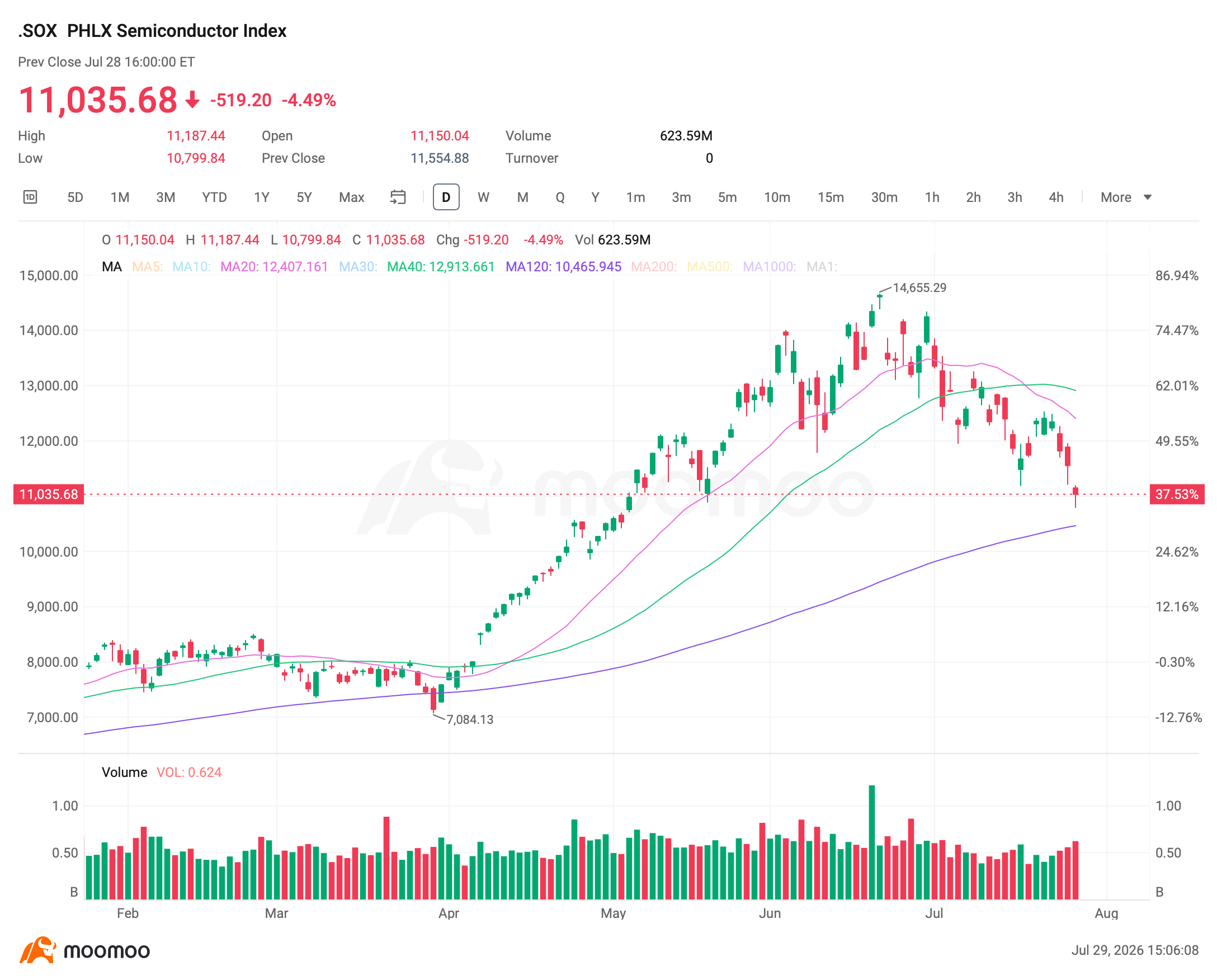
- Semiconductor sector down 4.5% as AI capex sustainability questioned; memory chip supply surge threatens component pricing for electronics sellers









Overview
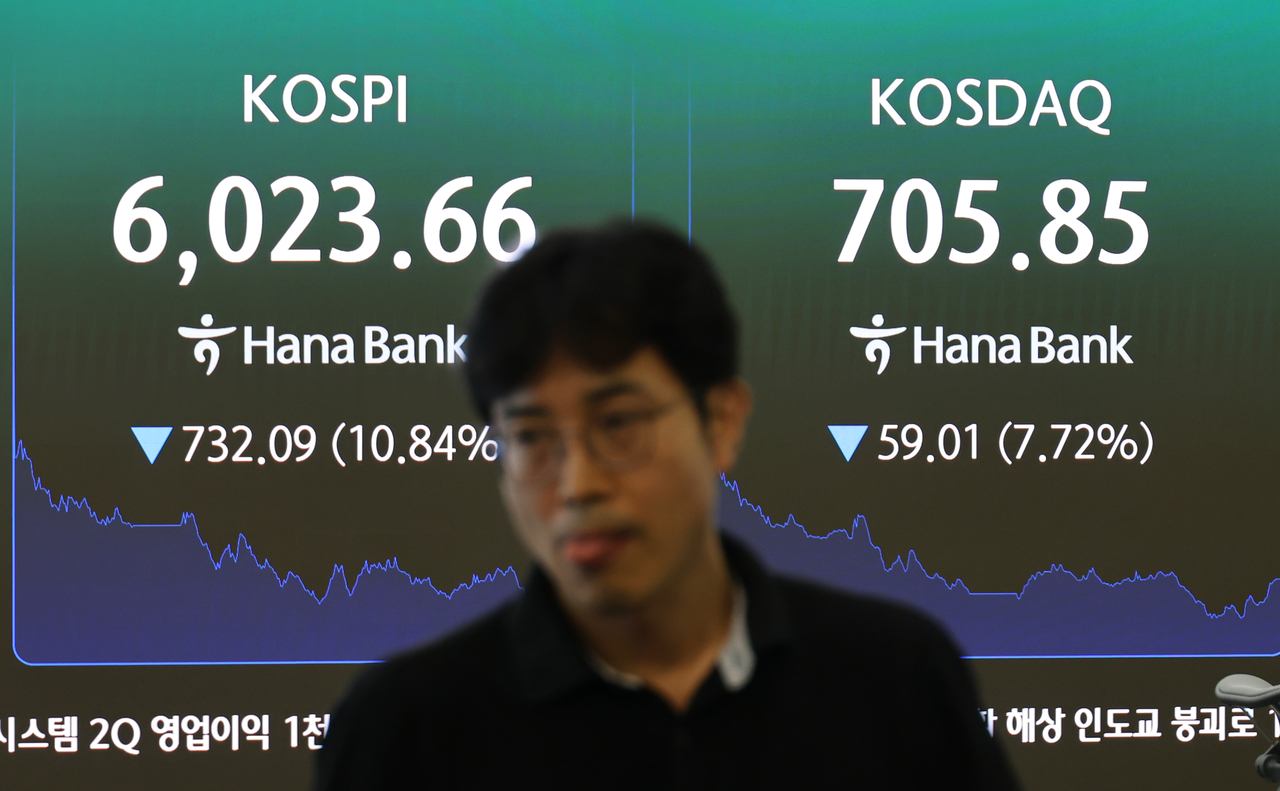
The semiconductor sector is experiencing a sharp correction that directly impacts cross-border e-commerce sellers sourcing electronics components. SK Hynix reported 557% profit surge in Q2 2024, yet the Philadelphia Semiconductor Index fell 4.5% from June peaks, with South Korea's KOSPI dropping 3.4% over 25 trading days. This paradox reveals a fundamental market repricing: investors are shifting from viewing all AI-related news positively to scrutinizing underlying capital expenditure sustainability. Alphabet's negative free cash flow of $5.8 billion in Q2—despite $44.9 billion in AI infrastructure spending—triggered broader concerns about whether tech giants can sustain massive capex while maintaining profitability.
For electronics sellers, this correction creates dual pressures. First, component suppliers like SK Hynix and SanDisk (down 36% from recent highs) face valuation compression, which may eventually reduce their pricing power and benefit sellers sourcing memory chips, SSDs, and semiconductor-dependent products. However, the timing remains uncertain—current inventory costs reflect pre-correction pricing. Second, Chinese competition is intensifying with ChangXin Memory Technologies' blockbuster IPO signaling greater memory chip supply than previously anticipated, potentially flooding markets with lower-cost alternatives. This threatens margins for sellers who locked in higher component costs during the 2024 AI boom.
Geopolitical factors compound supply chain risks. U.S. Central Command's interception of Iranian ballistic missiles triggered oil price spikes, raising logistics costs for sellers shipping electronics globally. The Federal Reserve's policy stance—currently holding rates steady with one-in-three probability of a hike—will determine whether financing costs for inventory remain stable or increase. Sellers in electronics, smart home devices, and computing peripherals categories face immediate repricing pressure as component suppliers adjust valuations downward. The critical catalyst arrives with Meta and Microsoft earnings announcements, which will signal whether tech giants continue aggressive AI capex or moderate spending—directly influencing component demand and pricing trajectories.
Immediate seller actions: Monitor component supplier stock performance (SK Hynix, SanDisk, Qualcomm) as leading indicators of pricing changes; review current inventory costs against forward pricing; consider hedging strategies if sourcing from suppliers facing valuation pressure. Strategic adjustment: Diversify component sourcing to include Chinese suppliers benefiting from ChangXin's IPO-driven supply expansion; evaluate whether to accelerate purchases before potential price increases or delay pending further correction clarity. Risk mitigation: Track Meta/Microsoft earnings for capex guidance; monitor oil prices for logistics cost implications; prepare for potential 5-8% component cost volatility over next 3-6 months.
Questions 7
How does the semiconductor sector correction affect electronics sellers' component costs?
The Philadelphia Semiconductor Index declined 4.5% from June peaks while SK Hynix fell 19% despite reporting six-fold profit growth, signaling investor repricing rather than fundamental weakness. For sellers sourcing memory chips, SSDs, and semiconductor components, this creates a timing dilemma: current inventory reflects pre-correction pricing, but component suppliers may reduce prices 5-8% over the next 2-3 months as valuations stabilize. Sellers should monitor supplier stock performance weekly and consider staggered purchasing strategies rather than bulk orders until the correction stabilizes post-Meta/Microsoft earnings.
Should electronics sellers accelerate inventory purchases or wait for further price declines?
Current market conditions suggest a staggered purchasing approach rather than bulk orders. The semiconductor correction is ongoing but not yet stabilized—the Philadelphia Index is down 4.5% but most semiconductor stocks remain substantially up for the year. Sellers should purchase 30-40% of quarterly component needs immediately (locking in current prices), hold 30-40% for post-earnings clarity (1-2 weeks), and reserve 20-30% for potential further declines. This hedging strategy balances inventory carrying costs against downside pricing risk. Avoid all-in purchases until Meta/Microsoft earnings provide capex guidance and oil prices stabilize.