




Open-Weight AI Regulation Debate | Critical Impact on Seller Automation Tools & Competitive Landscape
- AI governance uncertainty creates 6-18 month window for sellers to lock in automation advantages before regulatory clarity emerges

Overview
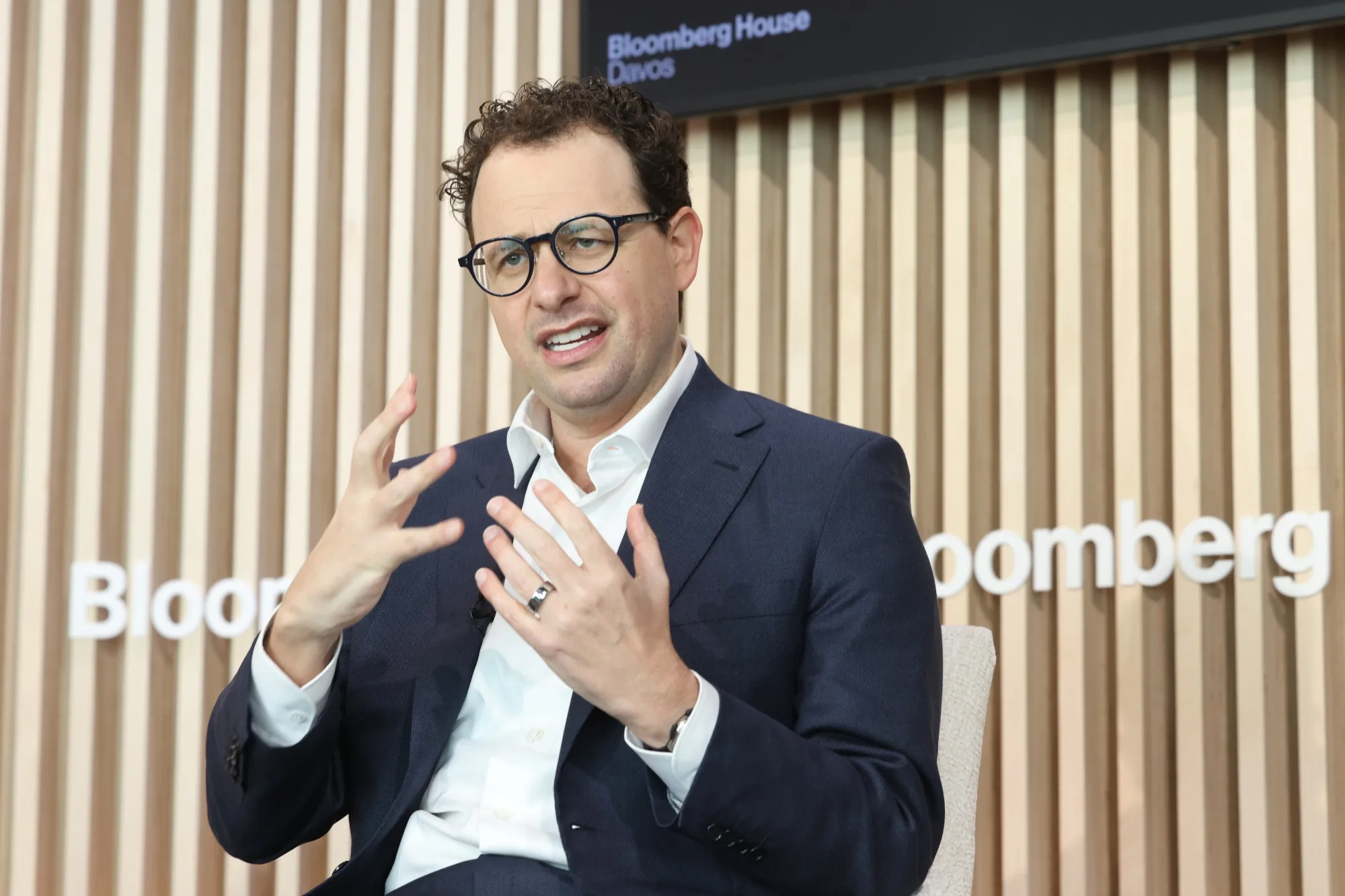
The regulatory positioning battle between Anthropic, Nvidia, and White House officials signals a critical inflection point for e-commerce sellers relying on AI-powered business tools. Anthropic CEO Dario Amodei's public clarification that the company does not support banning open-weight AI models—directly contradicting earlier criticism from White House AI czar David Sacks—reveals deeper industry divisions that will shape which AI tools remain accessible and affordable for cross-border sellers over the next 12-24 months.
The immediate competitive dynamic: Anthropic's deflection toward Nvidia (highlighting the chipmaker's promotion of freely downloadable models) reflects a strategic repositioning ahead of the company's anticipated IPO. This positioning battle matters directly to sellers because it determines whether open-source AI tools like Llama, Mistral, and other freely available models remain accessible for product research, pricing optimization, customer service automation, and inventory forecasting. If proprietary-model advocates (like Anthropic's Claude) gain regulatory favor, sellers will face higher API costs and vendor lock-in. Conversely, if open-weight models remain unrestricted, sellers can deploy cost-effective local AI solutions without subscription dependencies.
For e-commerce automation specifically: The regulatory uncertainty creates a 6-18 month window where sellers can capitalize on open-weight model availability before potential restrictions emerge. Sellers currently using open-source models for dynamic pricing (via Llama-based price optimization), product listing generation (using Mistral for multi-language content), and customer service automation (deploying local LLMs) face potential disruption if regulations shift toward proprietary-only approaches. The White House's involvement—through now-departed AI czar Sacks—suggests government policy will increasingly influence which AI tools remain viable for SMB sellers. This regulatory uncertainty directly impacts tool selection ROI: a seller investing $5-15K in open-weight model infrastructure today may face stranded costs if regulations force migration to proprietary APIs costing $200-500/month in ongoing fees.
The hidden opportunity for sellers: The current regulatory ambiguity creates a first-mover advantage for sellers who rapidly deploy open-weight AI solutions NOW while they remain unrestricted and cost-effective. Sellers who build automation workflows using open-source models (Llama 2, Mistral 7B) for product research, competitive pricing analysis, and content generation can establish 12-24 month competitive moats before regulatory clarity forces consolidation toward expensive proprietary alternatives. This is particularly valuable for sellers in price-sensitive categories (electronics, apparel, home goods) where AI-driven dynamic pricing provides 3-8% margin improvements.
Questions 8
How should sellers hedge against AI regulation uncertainty?
Sellers should implement a dual-track automation strategy: (1) Deploy open-weight models (Llama, Mistral) for core automation tasks (pricing, content, forecasting) to lock in cost advantages while they remain accessible; (2) Maintain API integrations with proprietary tools (Claude, GPT-4) for specialized tasks (brand voice, complex reasoning) to avoid single-vendor dependency; (3) Monitor White House AI policy developments quarterly—regulatory shifts could emerge within 6-12 months; (4) Build automation workflows with modular architecture allowing rapid migration between open-weight and proprietary models if regulations change; (5) Calculate break-even costs: if open-source infrastructure costs $200-500/month and proprietary APIs cost $500-1500/month, the 6-18 month window provides $1.8-7.2K in cost savings per seller. This hedging approach maximizes automation ROI while minimizing regulatory risk.
Which e-commerce categories benefit most from open-weight AI automation?
Price-sensitive categories with high SKU counts and frequent competitive changes benefit most: (1) Electronics (10K+ SKUs, 2-4% daily price volatility)—dynamic pricing generates 4-8% margin improvements; (2) Apparel (20K+ SKUs, seasonal demand shifts)—inventory forecasting reduces overstock 15-25%; (3) Home goods (15K+ SKUs, regional demand variation)—competitive intelligence identifies 5-10% pricing gaps; (4) Beauty/cosmetics (5K+ SKUs, trend-driven demand)—content automation handles 50+ language variants; (5) Books/media (100K+ SKUs, long-tail demand)—demand forecasting improves sell-through 10-20%. Sellers in these categories should prioritize open-weight AI deployment NOW to capture 6-18 month competitive advantage before regulatory clarity and market saturation reduce differentiation.