


.jpeg)

)
Qantas A350-1000ULR Ultra-Long-Range Routes | Air Freight Cost Surge & Premium Pricing Impact 2027
- Rising jet fuel costs ($100B industry expense 2026) force premium air freight pricing; Sydney-London/New York nonstop routes launch 2027 with 21-hour flight times, reshaping Asia-Pacific to Europe/North America logistics corridors





















Overview
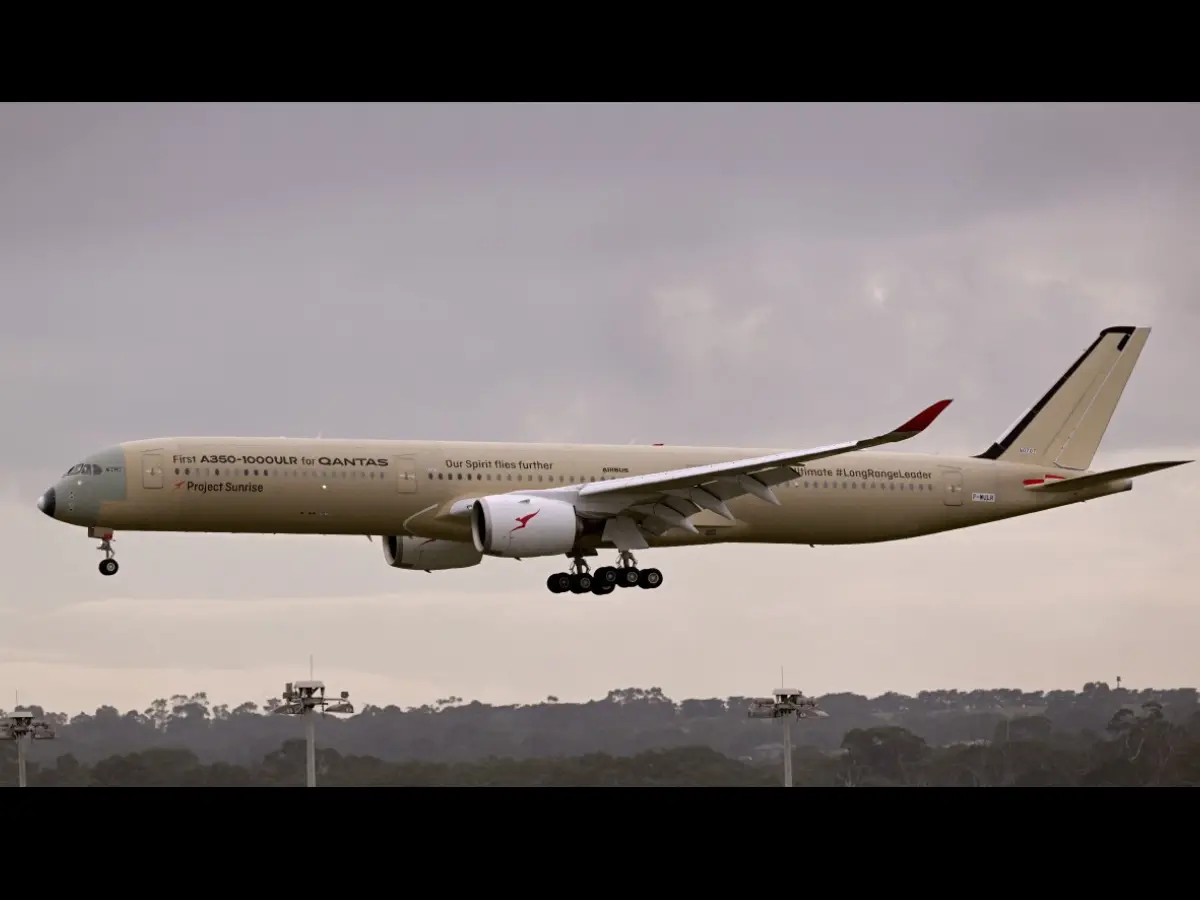
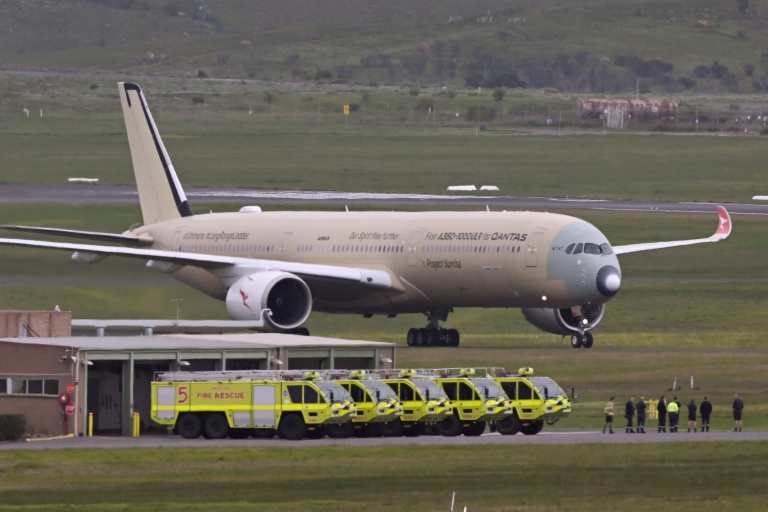
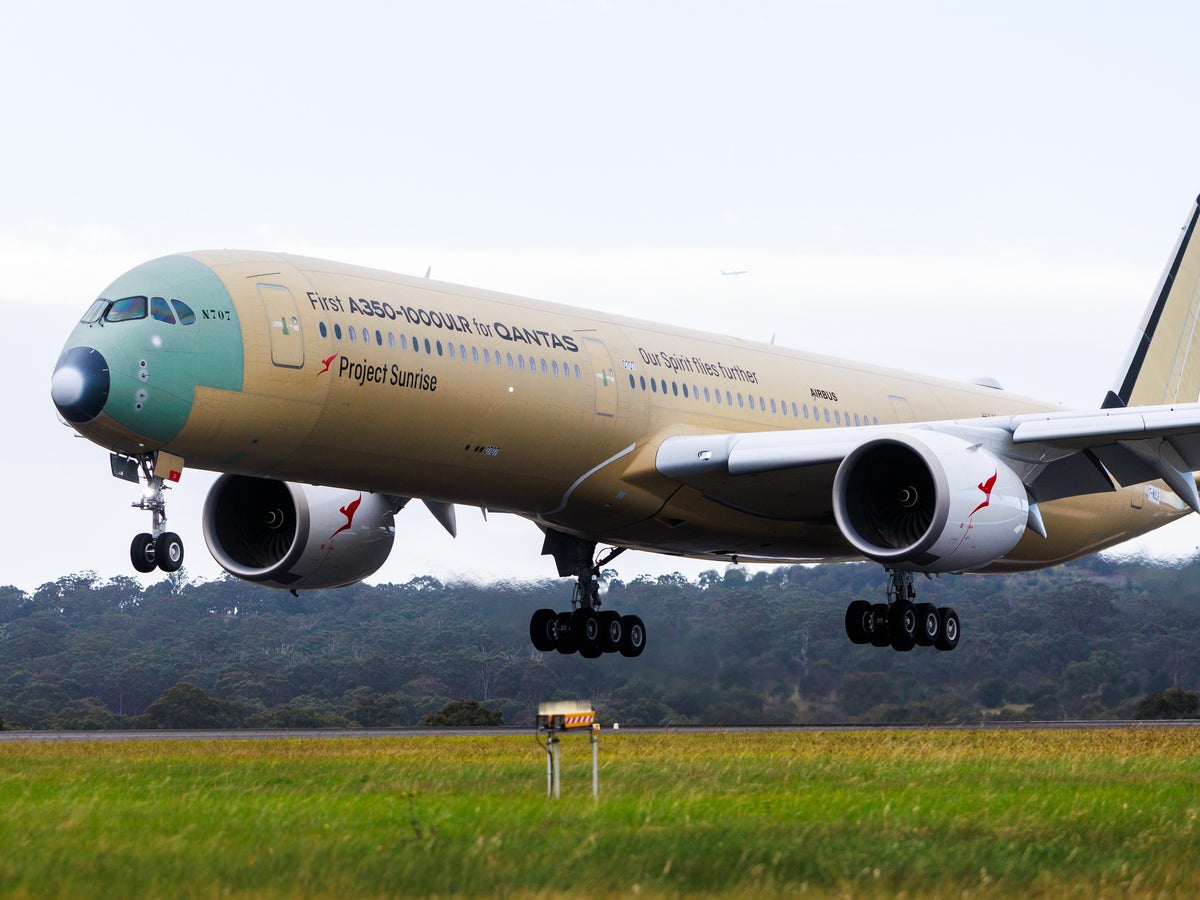
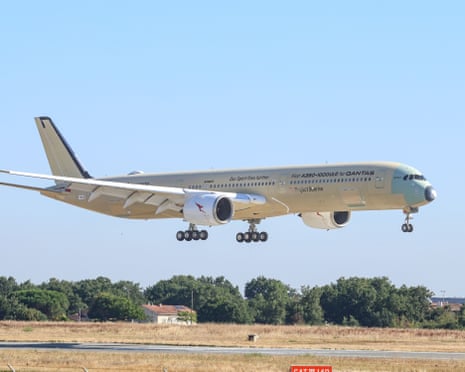
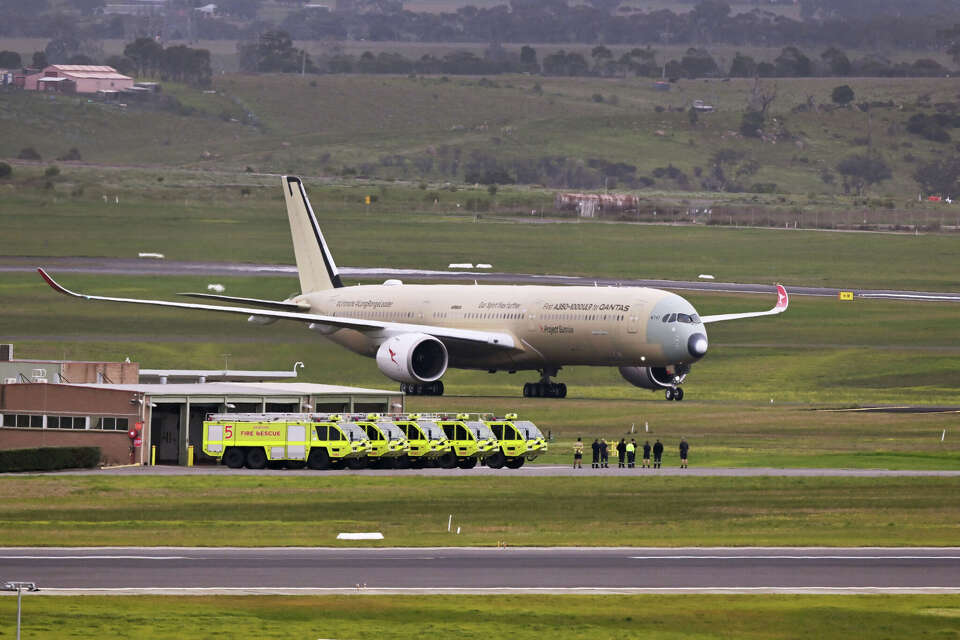
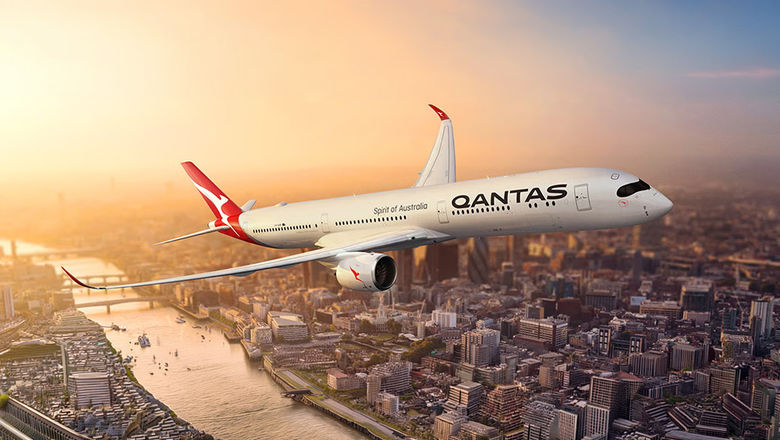
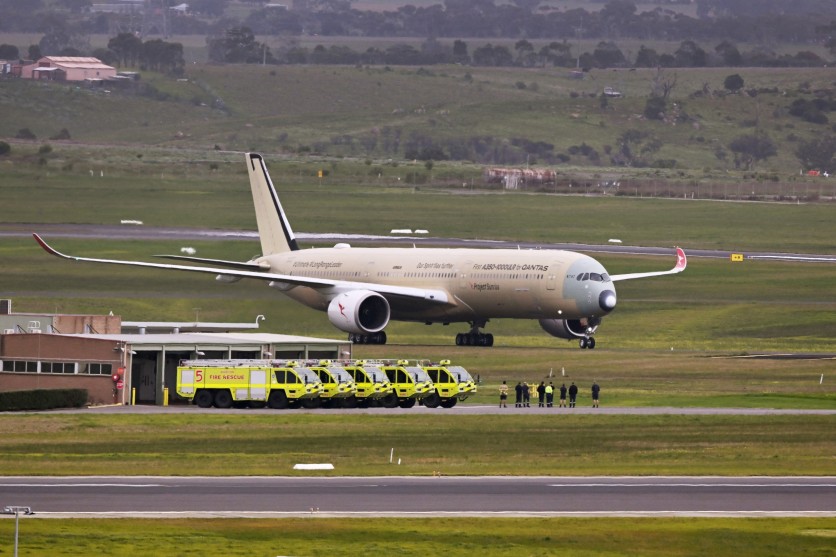
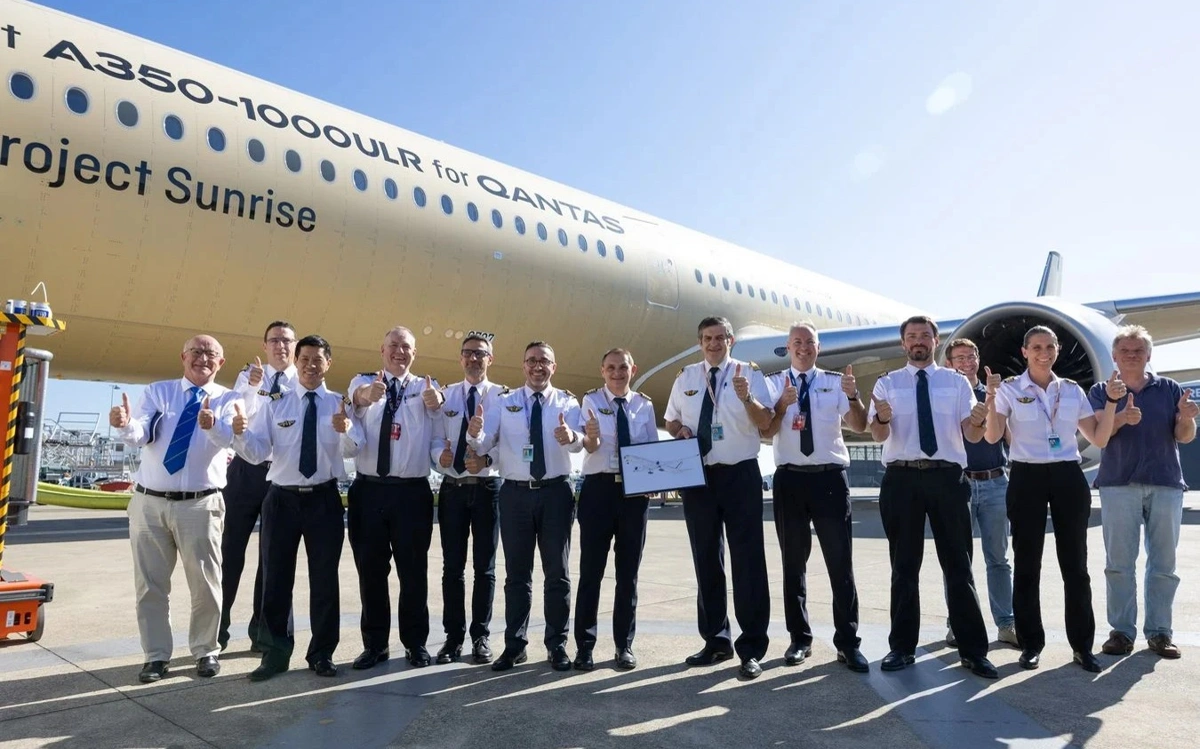
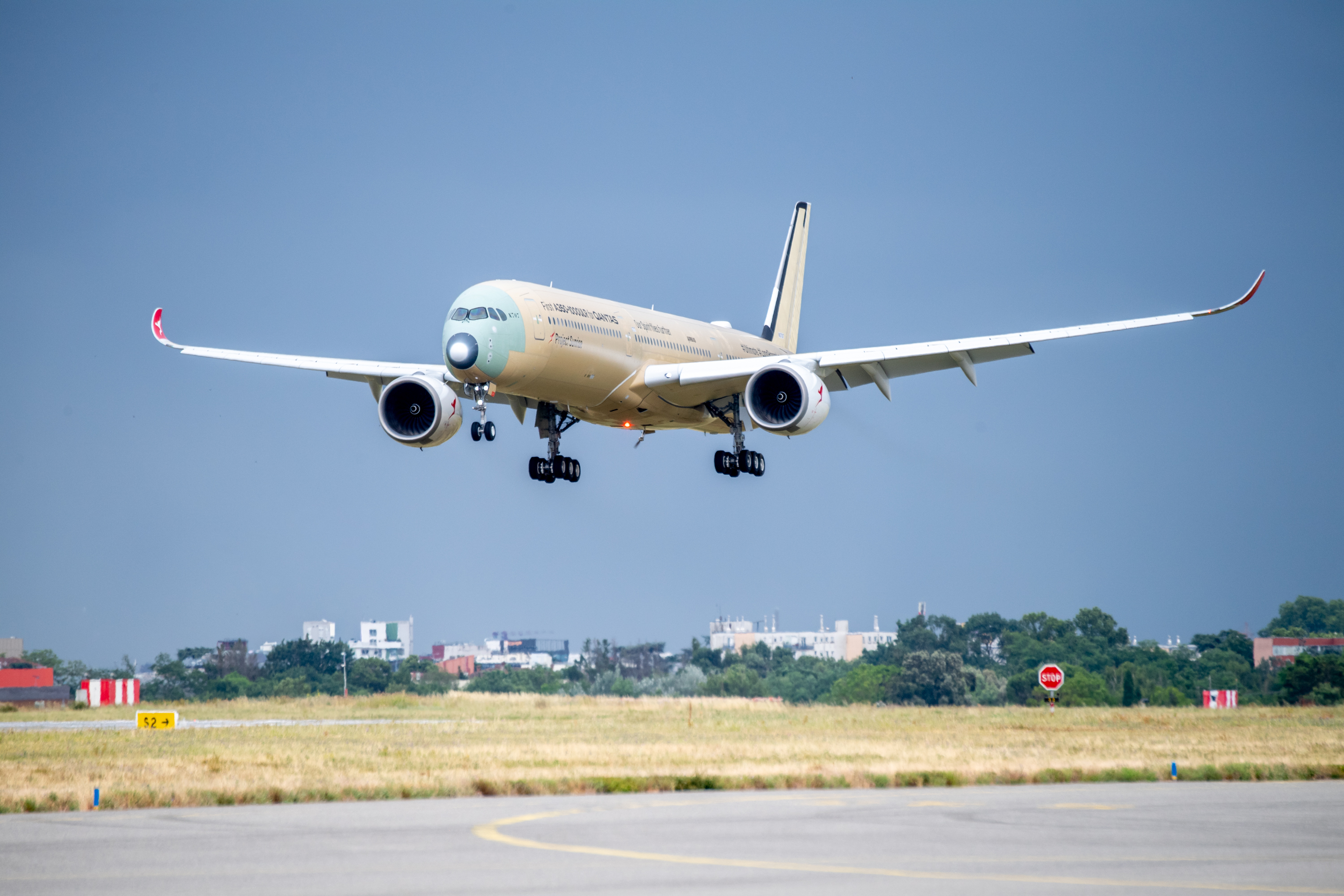
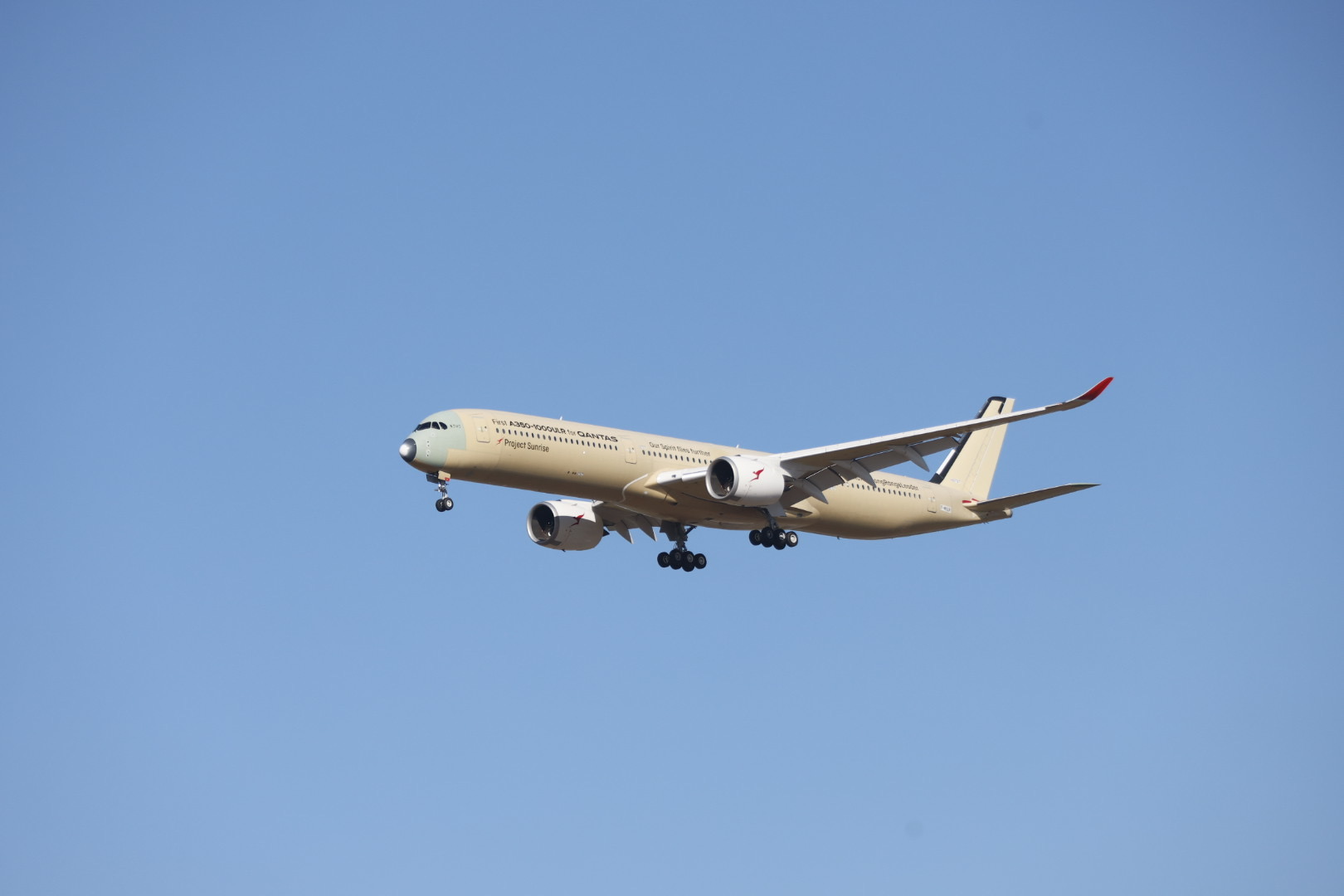
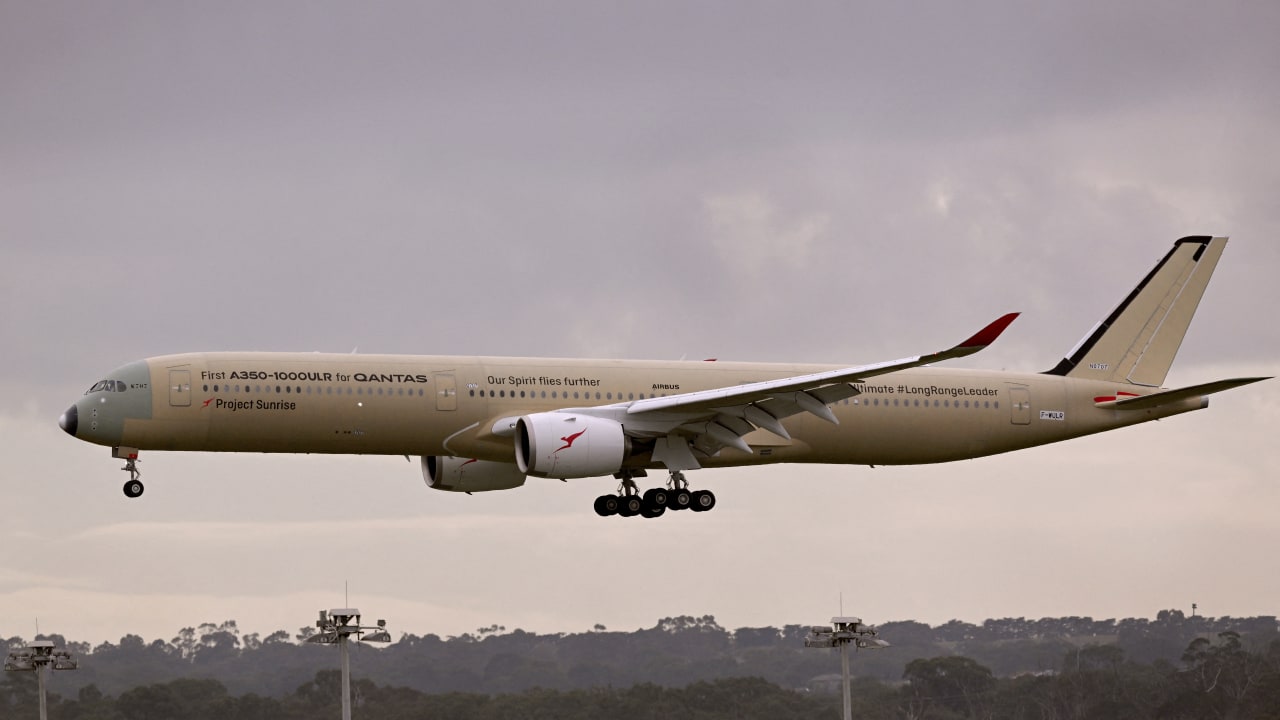
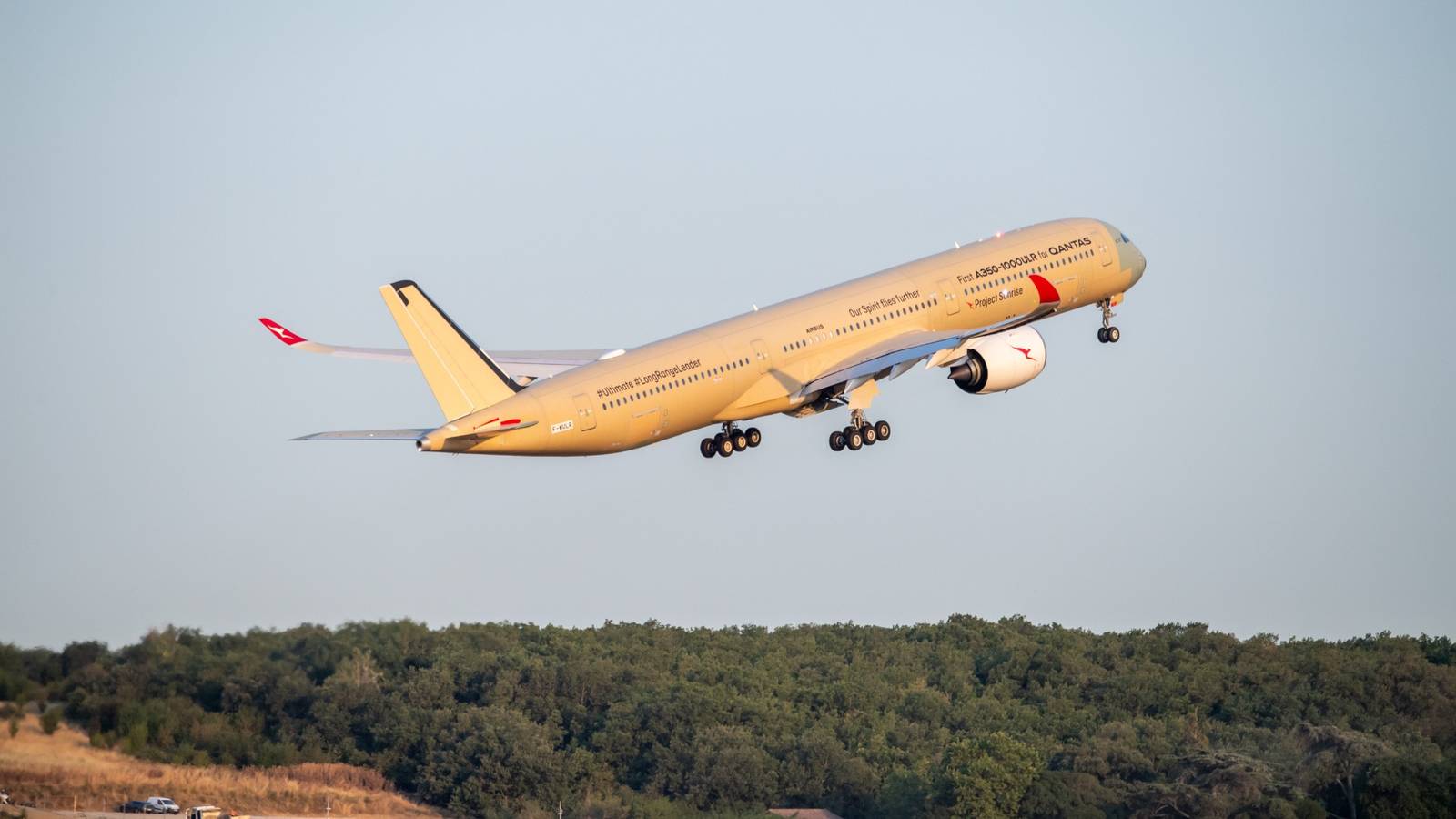
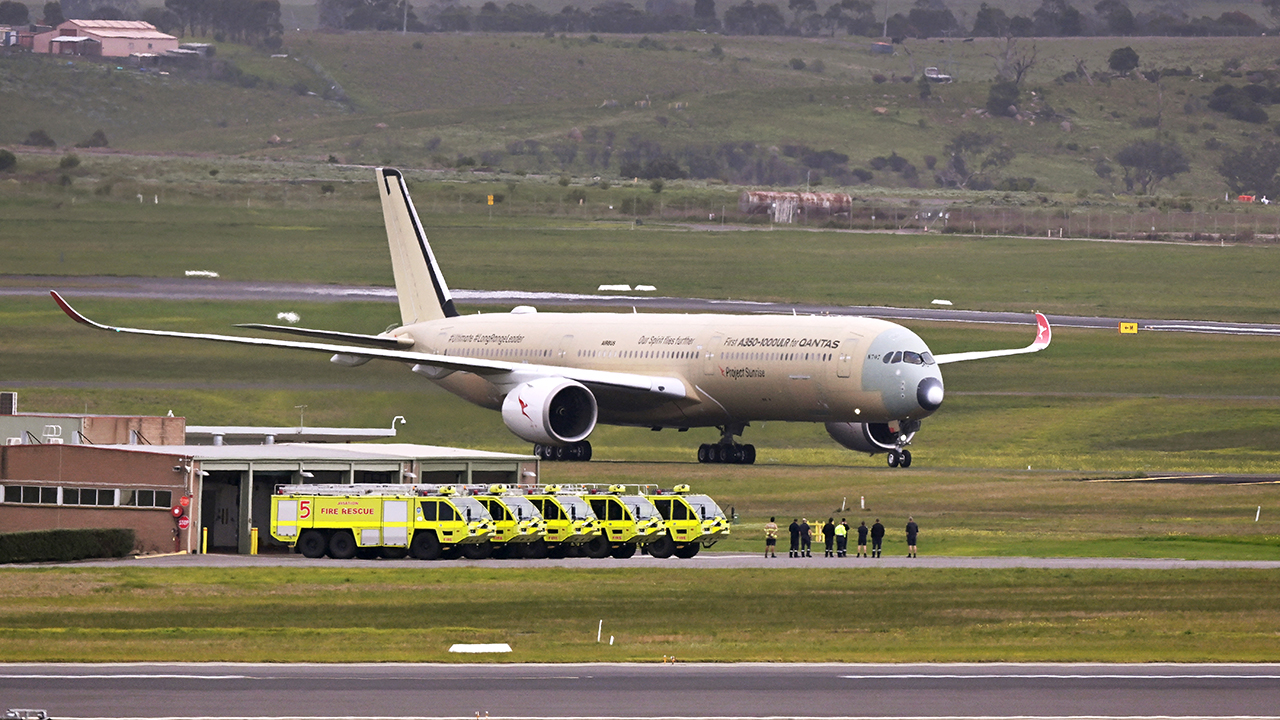
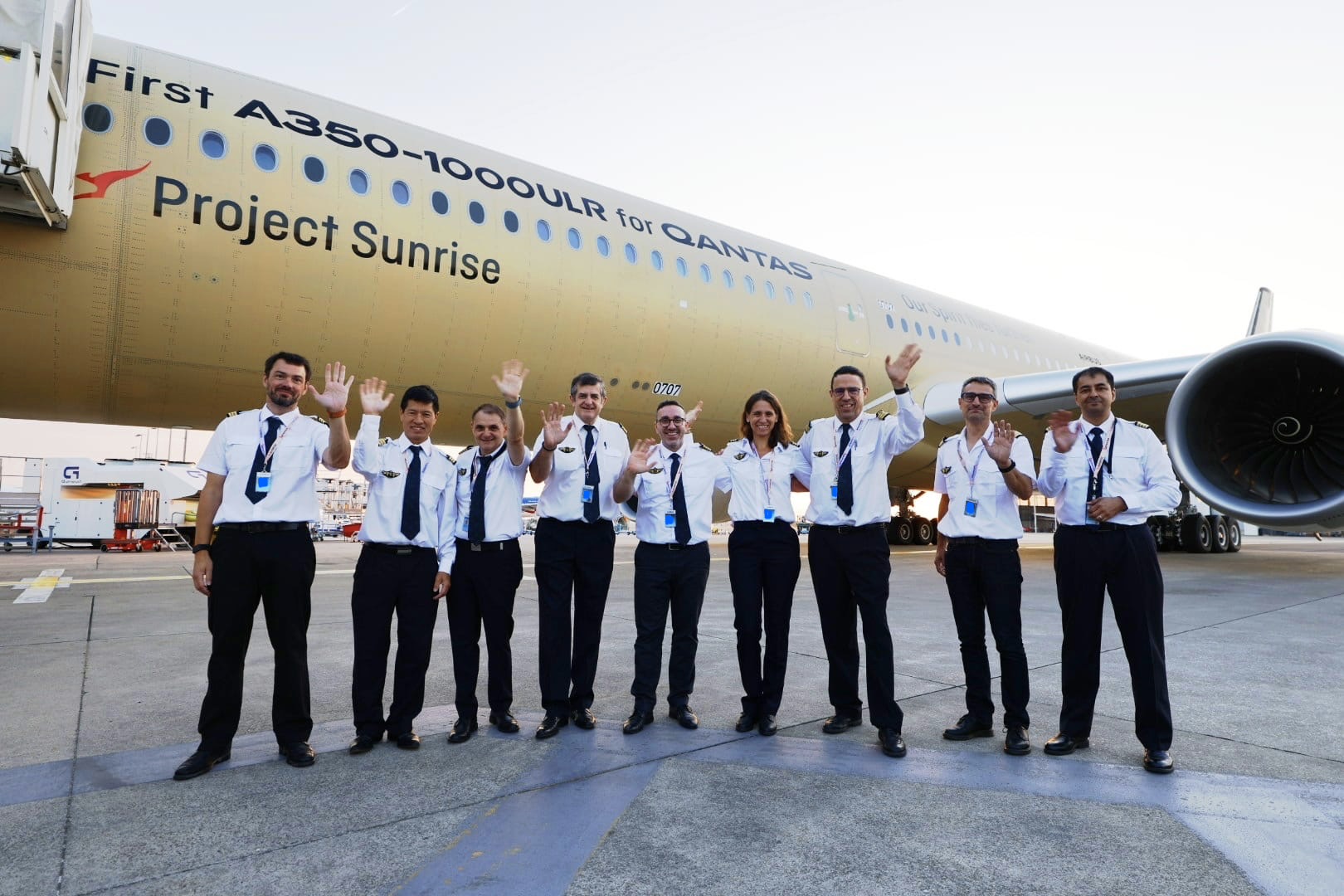
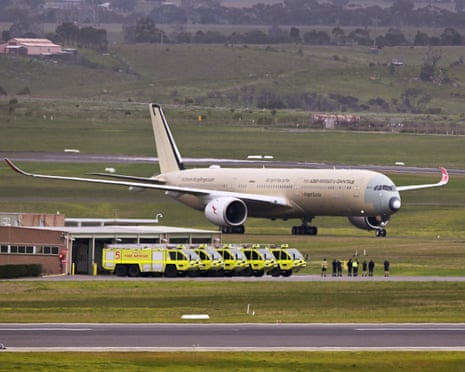
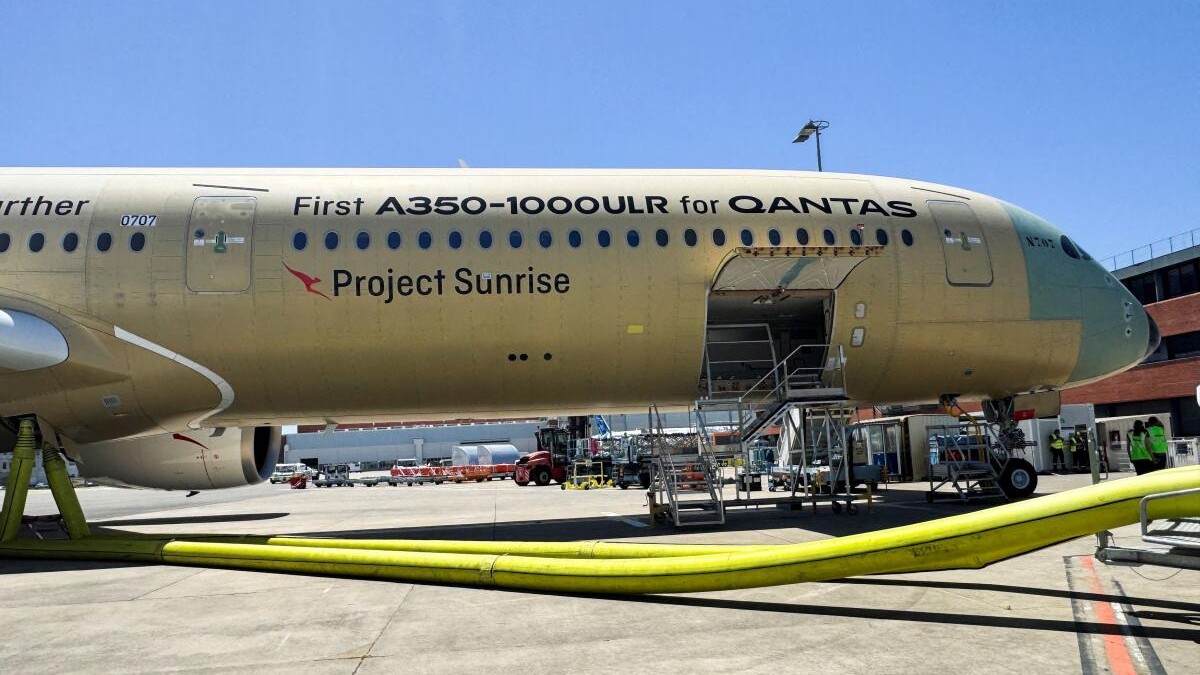
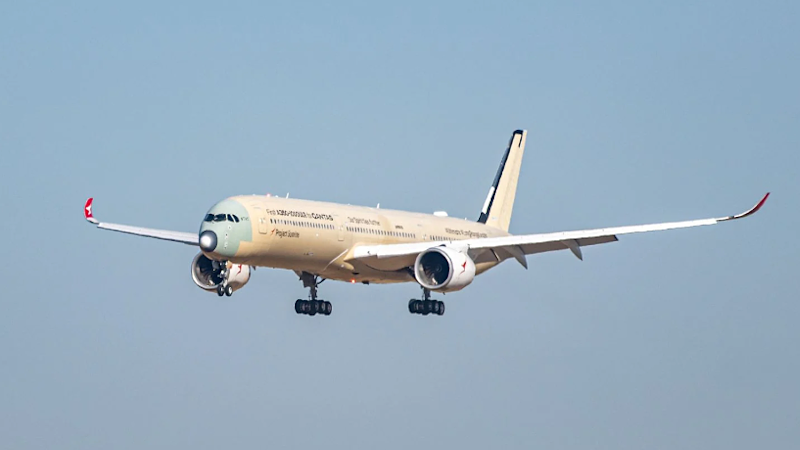
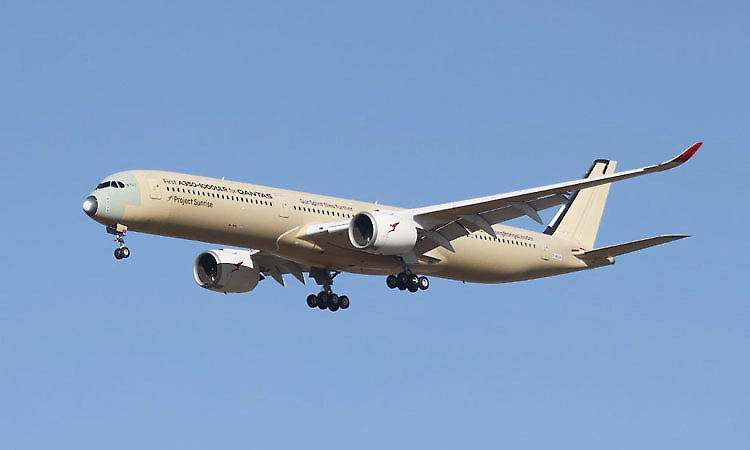
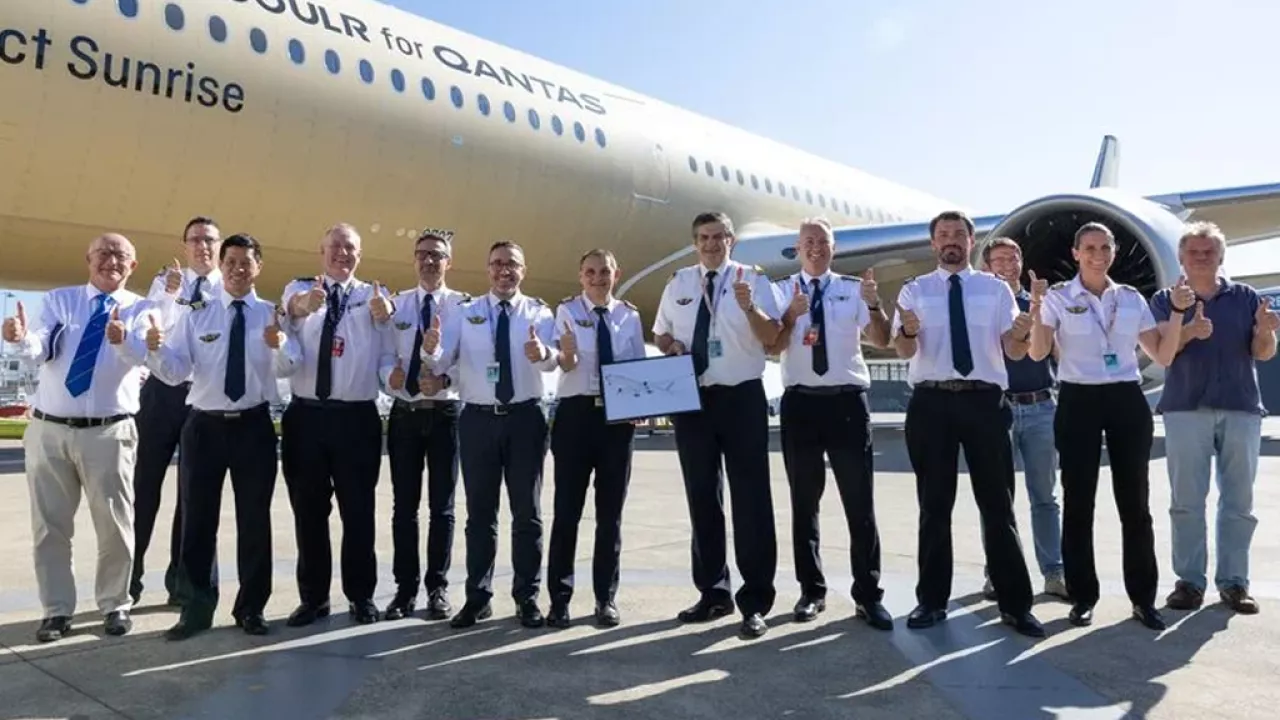
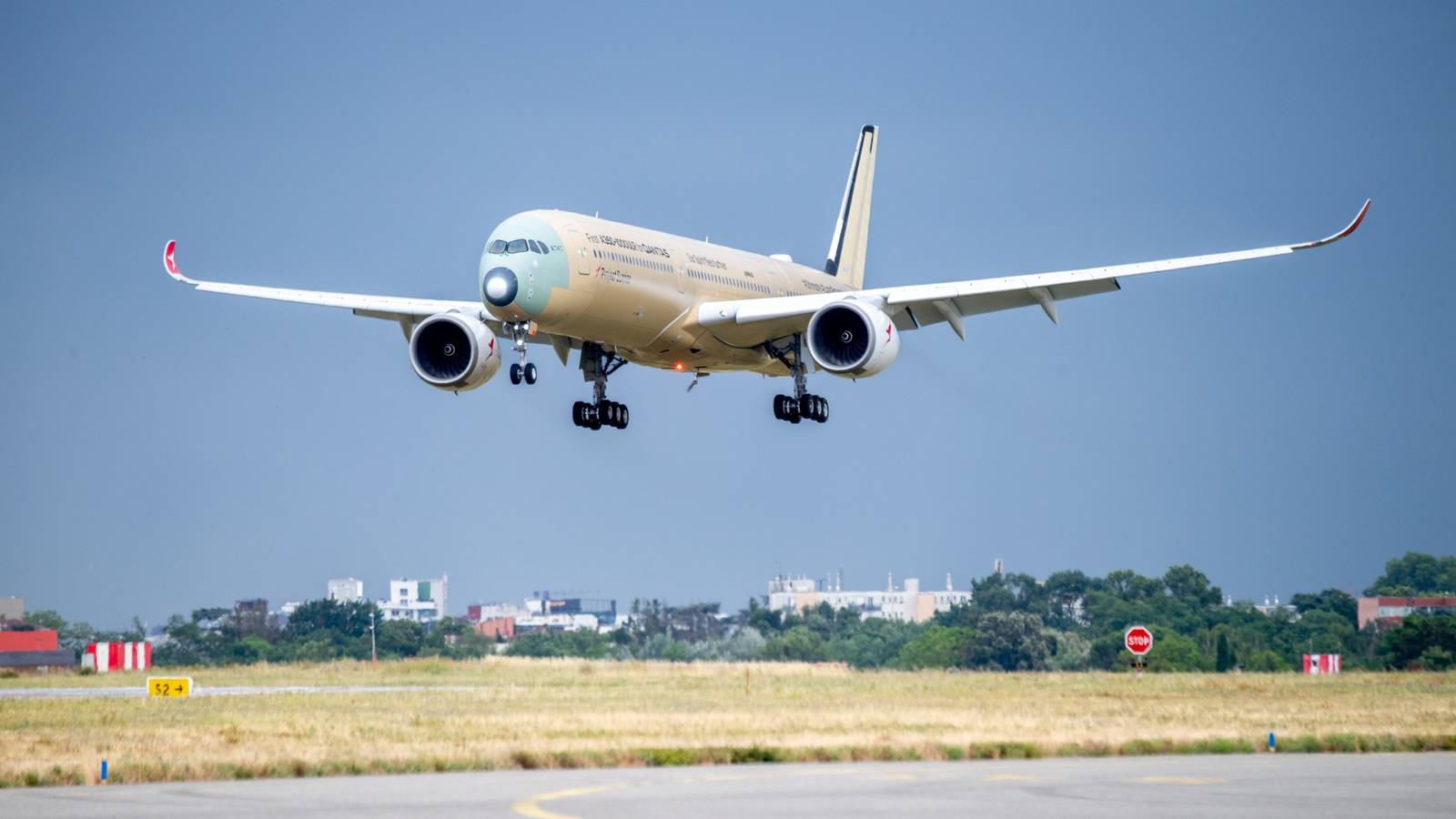
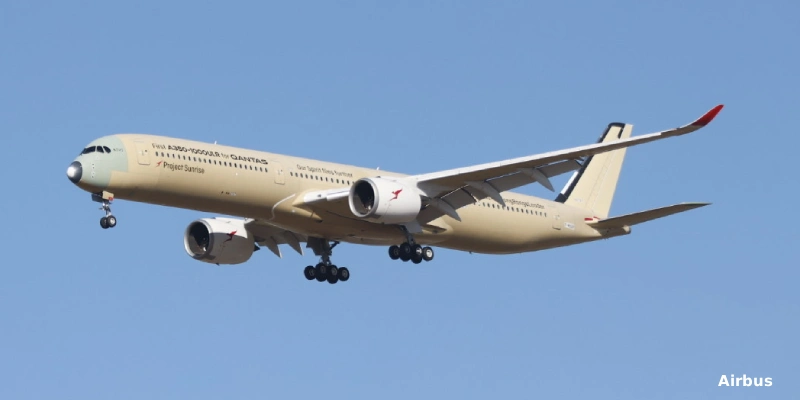
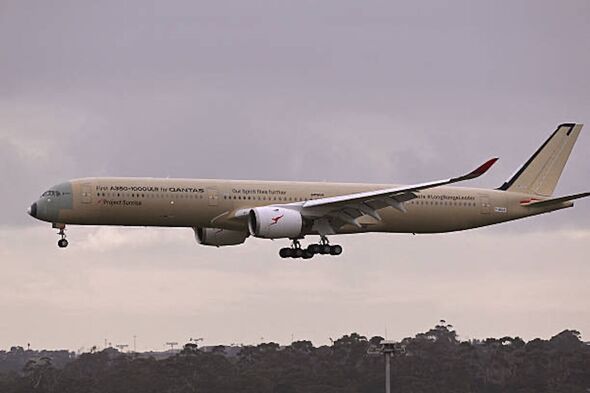
Qantas' successful A350-1000ULR test flight (July 27-28, 2026) between Melbourne and Toulouse validates ultra-long-range commercial operations, enabling nonstop Sydney-London and Sydney-New York routes beginning 2027. This represents a critical logistics inflection point for cross-border sellers: while new direct routes promise 21-hour flight times (vs. current 18-19 hour Singapore Airlines records), the industry faces a $100 billion fuel cost surge in 2026 alone due to Middle East tensions and Strait of Hormuz disruptions. This creates a paradoxical opportunity—faster routes offset by higher air freight premiums.
For sellers shipping time-sensitive products (electronics, fashion, perishables) from Asia-Pacific to UK/US markets, the logistics calculus shifts dramatically. Current air freight from Sydney to London costs approximately $4.50-6.50/kg via traditional routing (Sydney→Singapore→Middle East→Europe). The new Qantas A350-1000ULR routes will compress transit time from 28-32 hours to 21 hours 40 minutes, but fuel surcharges will likely increase 12-18% through 2027 as airlines implement premium pricing strategies. Sellers must evaluate: does 7-10 hour time savings justify 15-20% higher air freight costs? For perishables (fresh produce, specialty foods), temperature-controlled express routes become viable. For electronics and fashion, the speed advantage enables just-in-time inventory models that reduce warehouse holding costs by 8-12%.
Warehouse positioning strategy shifts toward Sydney/Melbourne hubs for Asia-Pacific sellers targeting UK/US markets. Currently, most sellers consolidate cargo through Singapore (lower costs, $2.80-3.50/kg) or Hong Kong. The new direct routes incentivize establishing micro-fulfillment centers in Sydney/Melbourne for premium product categories—estimated 15-20% of total SKUs. Sellers should calculate: Sydney air freight premium ($5.50-7.00/kg) + reduced warehouse holding costs + faster inventory turnover = net margin improvement for high-velocity, high-margin items (electronics accessories, beauty, luxury goods). For bulk/low-margin categories (home goods, apparel basics), traditional Singapore consolidation remains optimal.
Jet fuel cost inflation ($100B industry impact) will compress air freight margins across all carriers through 2027. Airlines will implement fuel surcharges (currently 8-12% of base rates) rising to 15-20%. This creates a 6-month window (Q4 2026-Q1 2027) for sellers to lock in air freight contracts before Qantas and competitors raise rates. Sellers shipping 50+ kg weekly should negotiate fixed-rate agreements immediately; those shipping <20 kg weekly should shift to consolidated LCL (less-than-container-load) services or evaluate sea freight alternatives with 35-40 day transit times.
Questions 8
What product categories benefit most from faster Sydney-London/New York air routes?
Time-sensitive, high-margin categories benefit most: (1) Electronics & accessories—shorter lead times reduce inventory risk for fast-moving SKUs; (2) Fashion & apparel—seasonal items require rapid replenishment; (3) Beauty & cosmetics—perishable items benefit from 7-10 hour time savings; (4) Luxury goods—premium pricing justifies higher air freight costs. Low-margin categories (home goods, bulk apparel, commodity items) remain better served by sea freight (35-40 days, $800-1,200/CBM) or Singapore consolidation. Sellers should calculate category-specific ROI: time savings value (inventory holding cost reduction) vs. air freight premium (15-20% increase). Electronics typically see 12-18% margin improvement; apparel 8-12%; home goods remain negative ROI for air freight.
When should sellers lock in air freight contracts to avoid fuel surcharge increases?
Immediately through Q4 2026. Airlines are implementing fuel surcharges rising from current 8-12% to projected 15-20% by mid-2027 as Qantas and competitors launch premium routes and absorb $100B in industry fuel costs. Sellers shipping 50+ kg weekly should negotiate 6-12 month fixed-rate agreements before October 2026. Those shipping 20-50 kg weekly should consolidate through LCL providers offering rate locks. Sellers shipping <20 kg should evaluate DHL/FedEx express contracts with fuel surcharge caps. Post-Q1 2027, expect air freight rates to stabilize at 15-20% premium levels as new routes launch and fuel costs plateau. Locking rates now provides 3-6 month cost certainty before market repricing.