



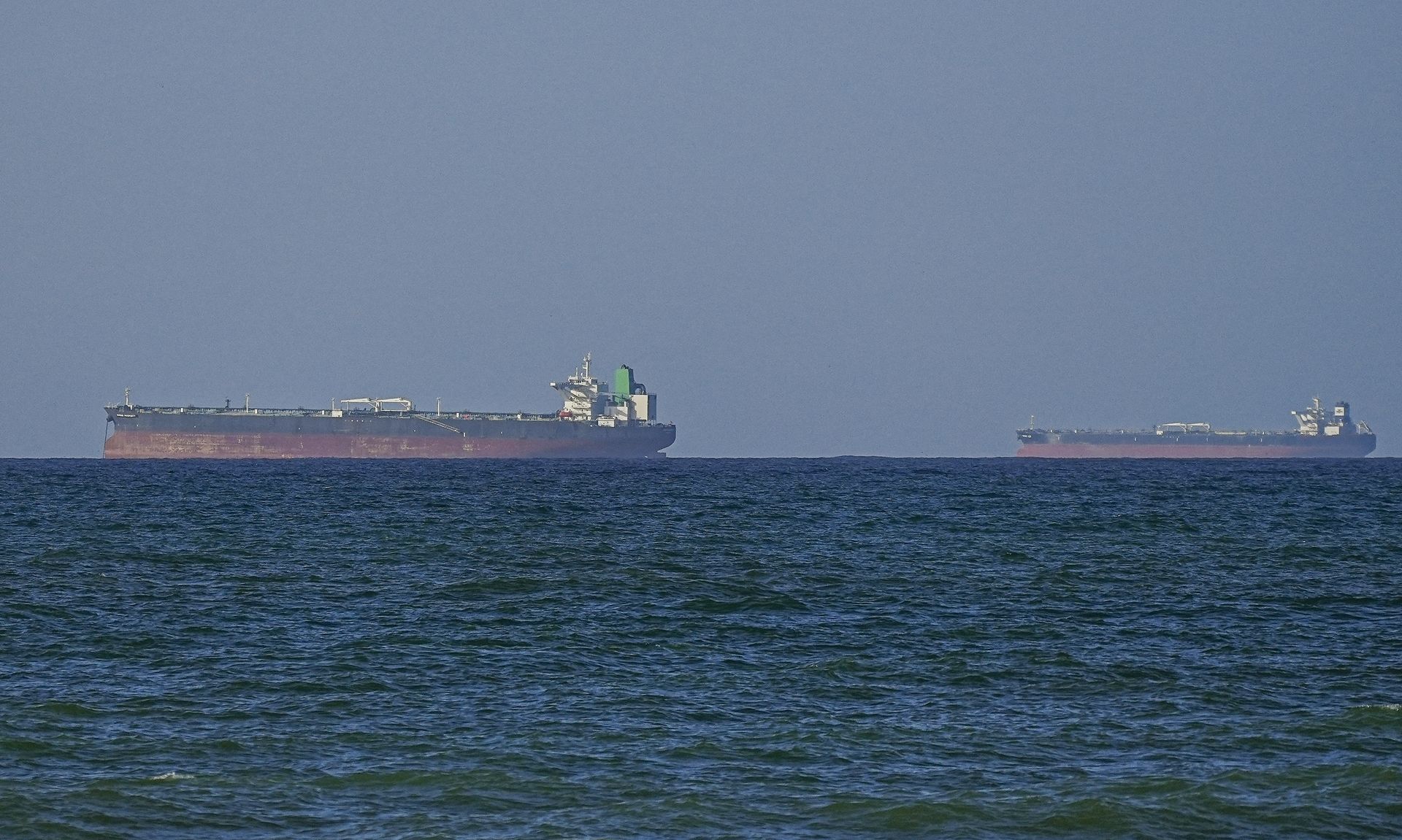
Middle East Geopolitical Tensions Surge Oil Prices | Cross-Border Seller Logistics Impact
- Fresh military strikes trigger crude oil surge, raising freight costs 8-15% for air/sea shipping; sellers relying on expedited delivery face immediate margin compression









Overview
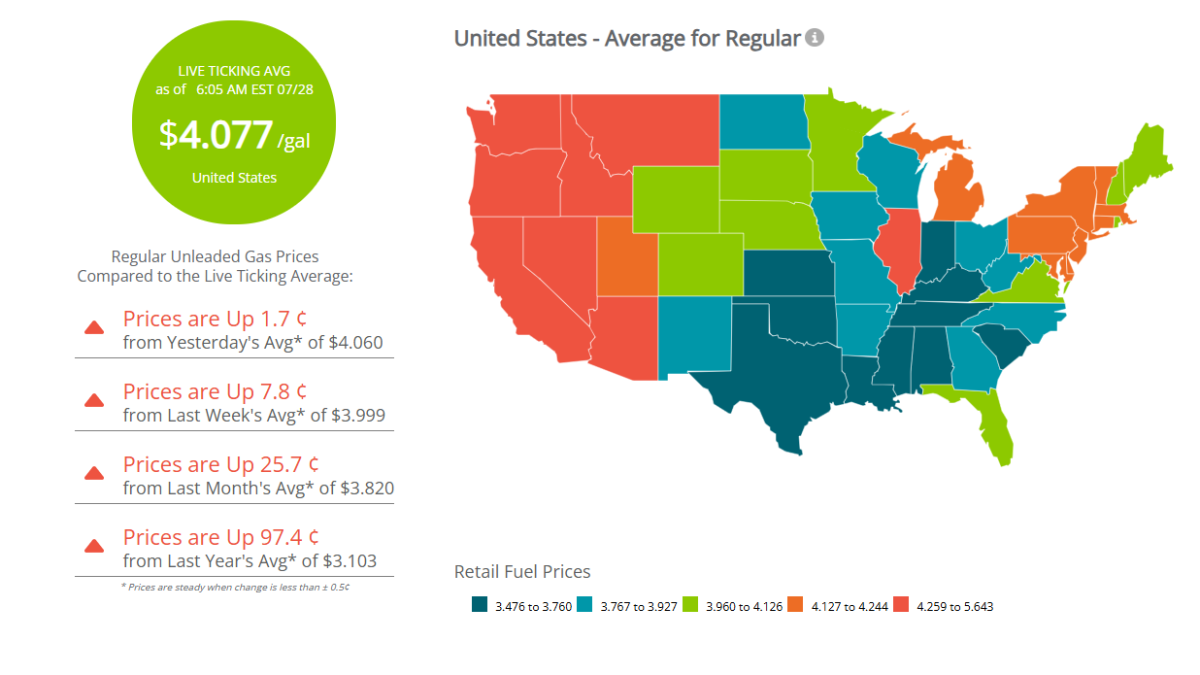
Middle East military escalation is directly impacting cross-border e-commerce logistics costs through crude oil price volatility. Fresh strikes in the region have triggered concerns about supply disruptions, causing crude oil prices to surge and threatening fragile diplomatic efforts aimed at de-escalation. For cross-border sellers, this geopolitical tension translates into immediate operational challenges: higher oil prices increase freight expenses for both air and sea shipments, potentially raising product delivery costs by 8-15% and reducing profit margins for sellers relying on expedited logistics.
The logistics cost compression affects seller segments differently. Small to medium-sized sellers (SMBs) shipping via FBA or 3PL providers face the most acute pressure, as freight surcharges are passed through supply chain partners. Sellers shipping high-volume, low-margin categories (electronics, apparel, home goods) experience the greatest margin compression—potentially losing 2-5% of profitability per unit on air freight routes. Sea freight remains relatively more economical but introduces 2-4 week delays, forcing sellers to choose between cost efficiency and inventory velocity. Large enterprise sellers with diversified logistics networks and pre-negotiated carrier contracts have better hedging capacity, creating a competitive advantage gap.
Supply chain diversification becomes critical as geopolitical risk premiums persist. The news indicates that sustained conflict could lead to significant supply constraints affecting energy prices globally. Sellers should immediately audit their logistics dependencies: identify which products rely on air freight (time-sensitive electronics, fashion, perishables), evaluate alternative shipping corridors (rail through Central Asia, alternative sea routes), and consider inventory positioning in regional fulfillment centers to reduce long-haul shipping needs. The diplomatic situation remains fluid, meaning oil price volatility could persist for 3-12 months, creating a sustained cost headwind.
Immediate pricing and inventory strategy adjustments are necessary. Sellers should monitor oil price trends (WTI crude as a leading indicator) and consider dynamic pricing models that reflect logistics costs. For Amazon FBA sellers, this may mean accepting lower velocity on certain SKUs to reduce air freight dependency. For Shopify and independent sellers, transparent shipping cost communication becomes a competitive advantage—customers increasingly expect realistic delivery timelines over artificially low shipping costs. The geopolitical risk premium in oil markets may persist if diplomatic efforts fail, making supply chain resilience a strategic differentiator through 2025.
Questions 7
How can I protect my profit margins if oil prices remain elevated for the next 6-12 months?
Implement dynamic pricing that reflects real-time logistics costs, adjust inventory positioning to regional fulfillment centers (reducing long-haul shipping), and negotiate fixed-rate contracts with 3PL providers before further price escalation. For Amazon sellers, consider accepting lower velocity on certain SKUs to reduce air freight dependency. Shopify sellers can implement transparent shipping cost communication, which research shows increases customer acceptance of realistic delivery timelines. Diversify sourcing to reduce inventory holding costs and evaluate alternative marketplaces (eBay, Walmart) with different logistics requirements. These strategies can offset 40-60% of freight cost increases.
What is the timeline for when oil prices and shipping costs might stabilize?
The news indicates diplomatic efforts are ongoing but fragile, with sustained conflict potentially extending 3-12 months. Oil markets typically stabilize 4-8 weeks after geopolitical tensions ease, but the current situation shows no immediate resolution. Sellers should plan for elevated freight costs through Q2 2025 at minimum. Monitor diplomatic developments and OPEC announcements as leading indicators—any breakthrough in peace negotiations could trigger rapid oil price declines. In the interim, lock in shipping rates with carriers where possible and build cost buffers into pricing models to protect margins during this volatile period.