
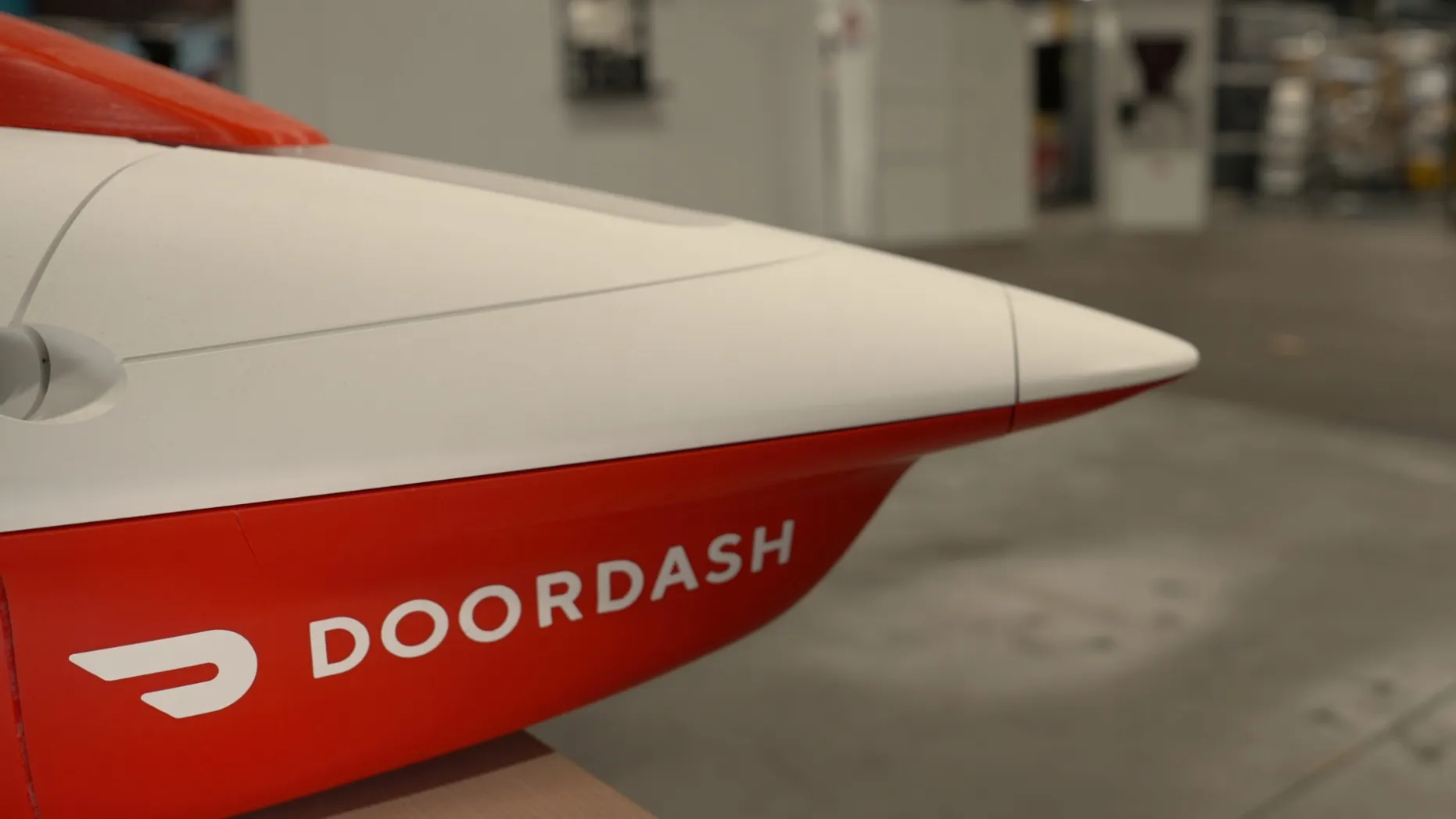




DoorDash Air Drone Delivery | Last-Mile Logistics Revolution for E-Commerce Sellers
- DoorDash secures FAA Part 135 certification for commercial drone operations; Fall 2026 launch reshapes last-mile delivery economics with sub-10-minute delivery times for 3-5 mile orders









Overview
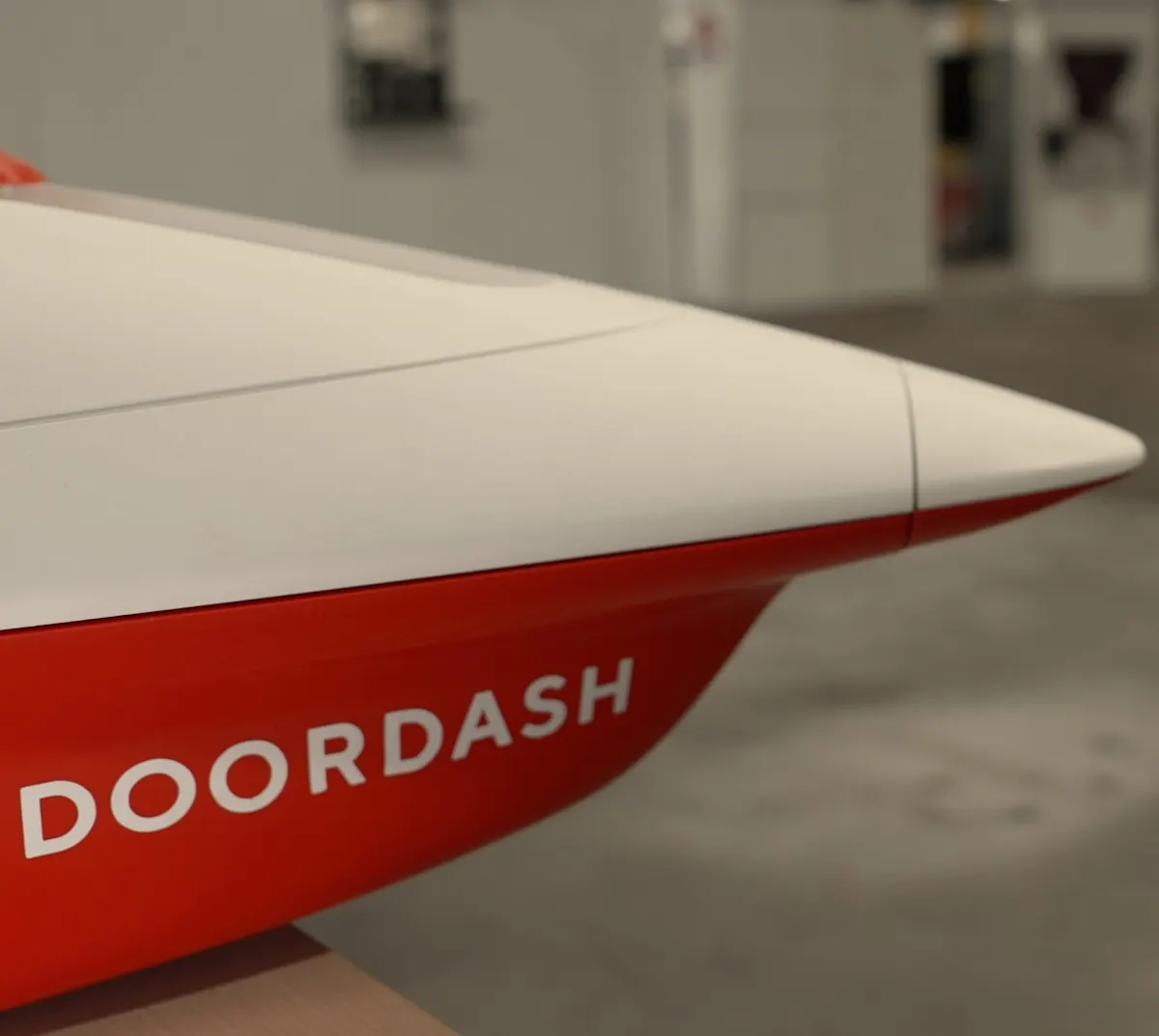
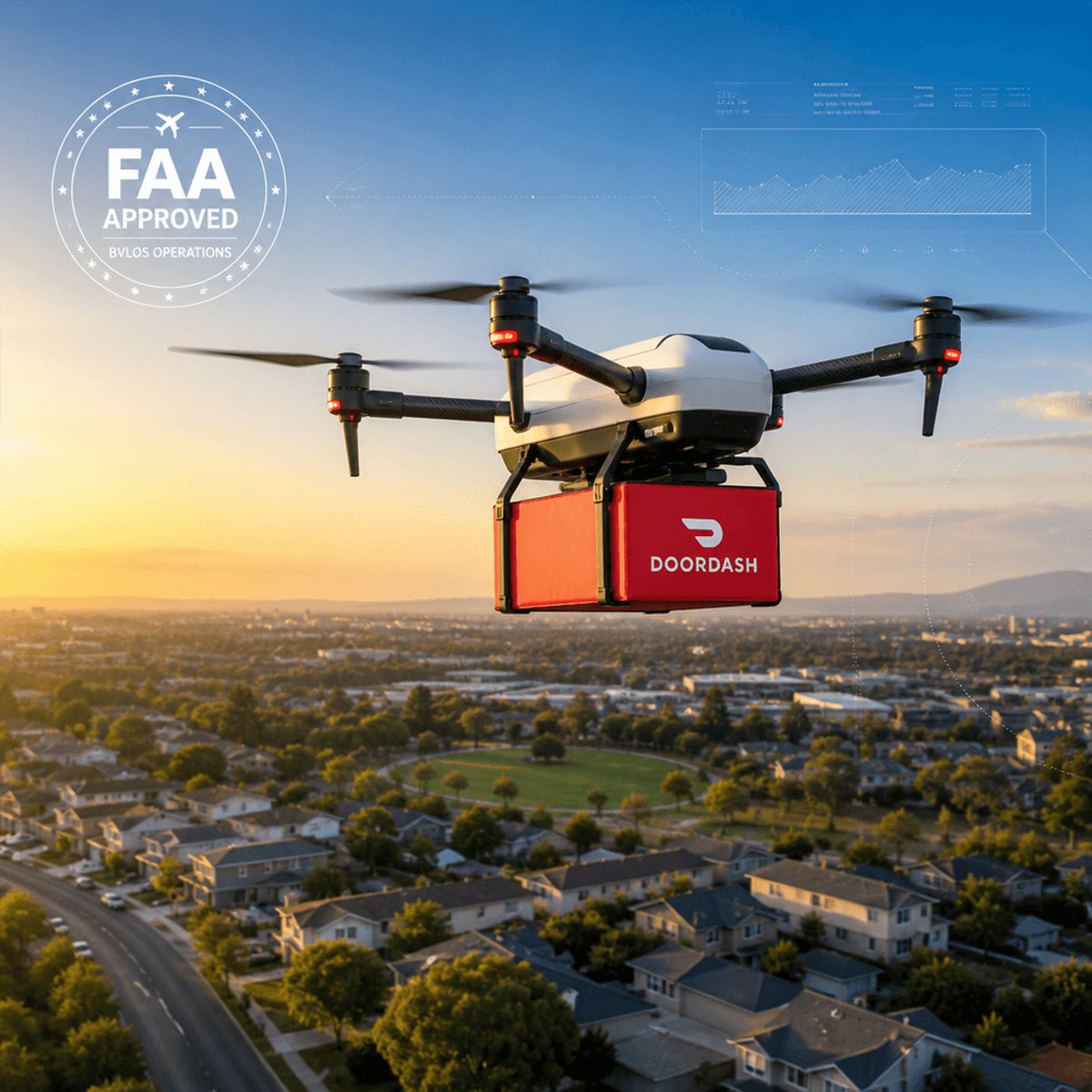
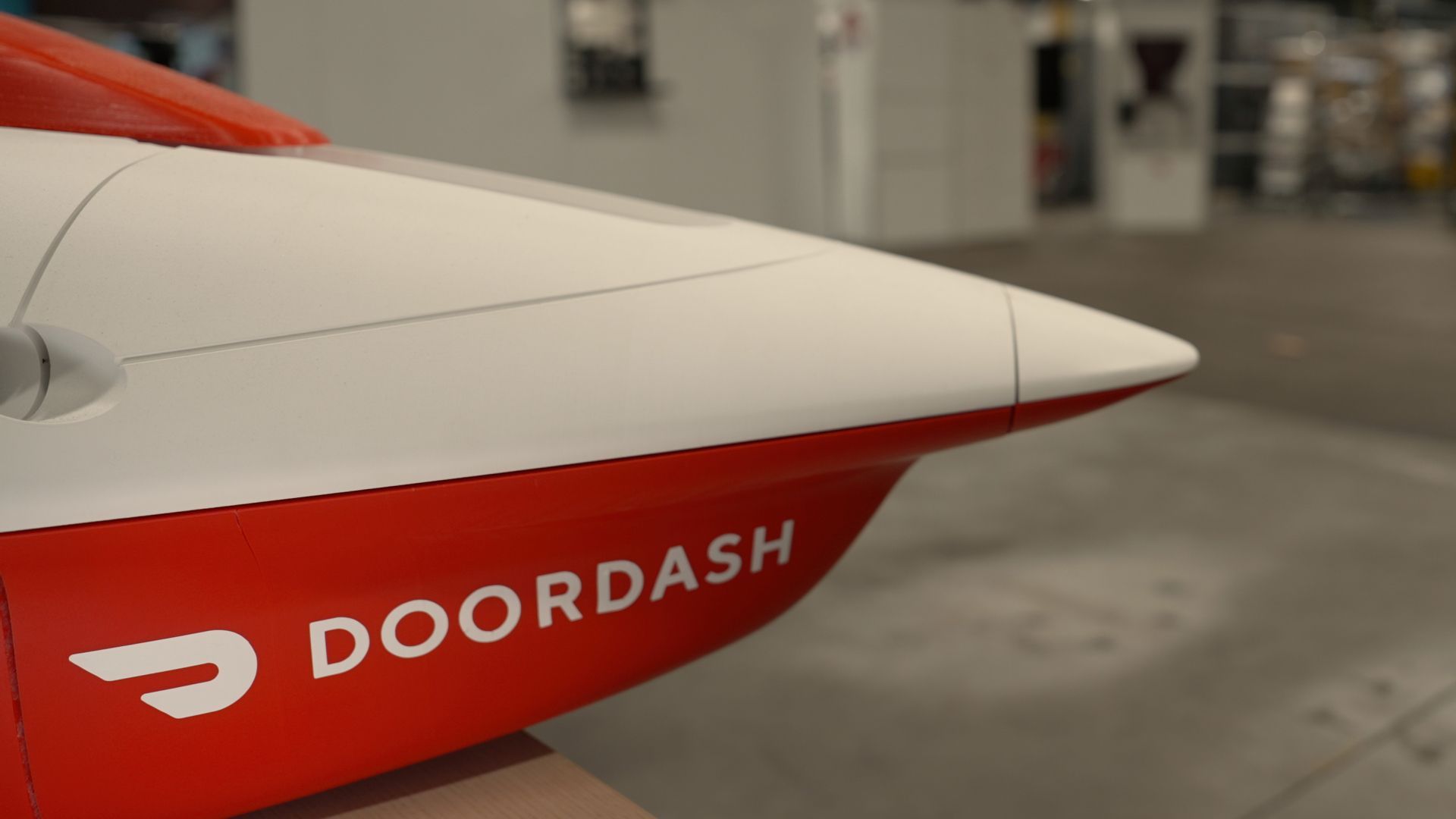
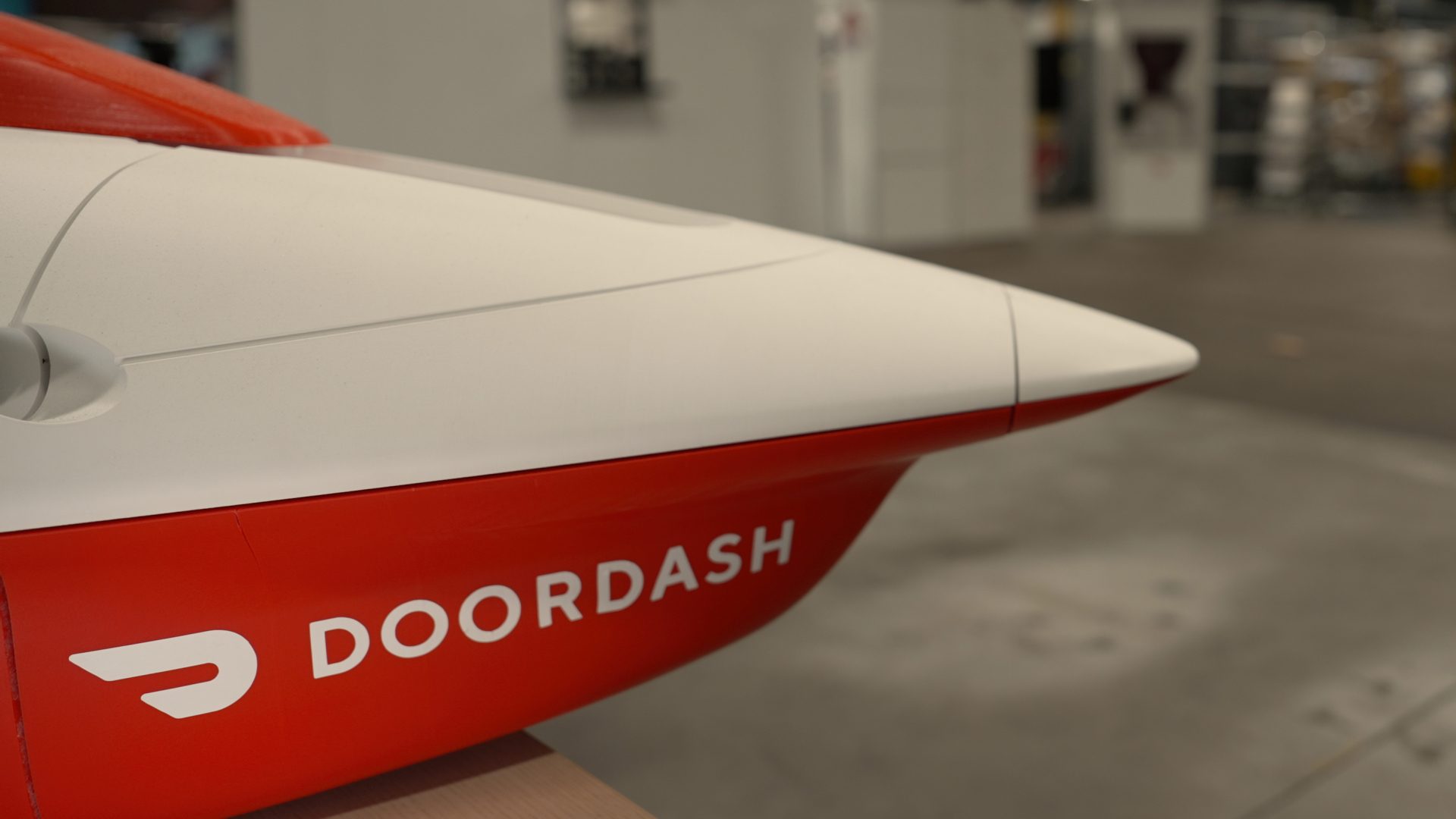
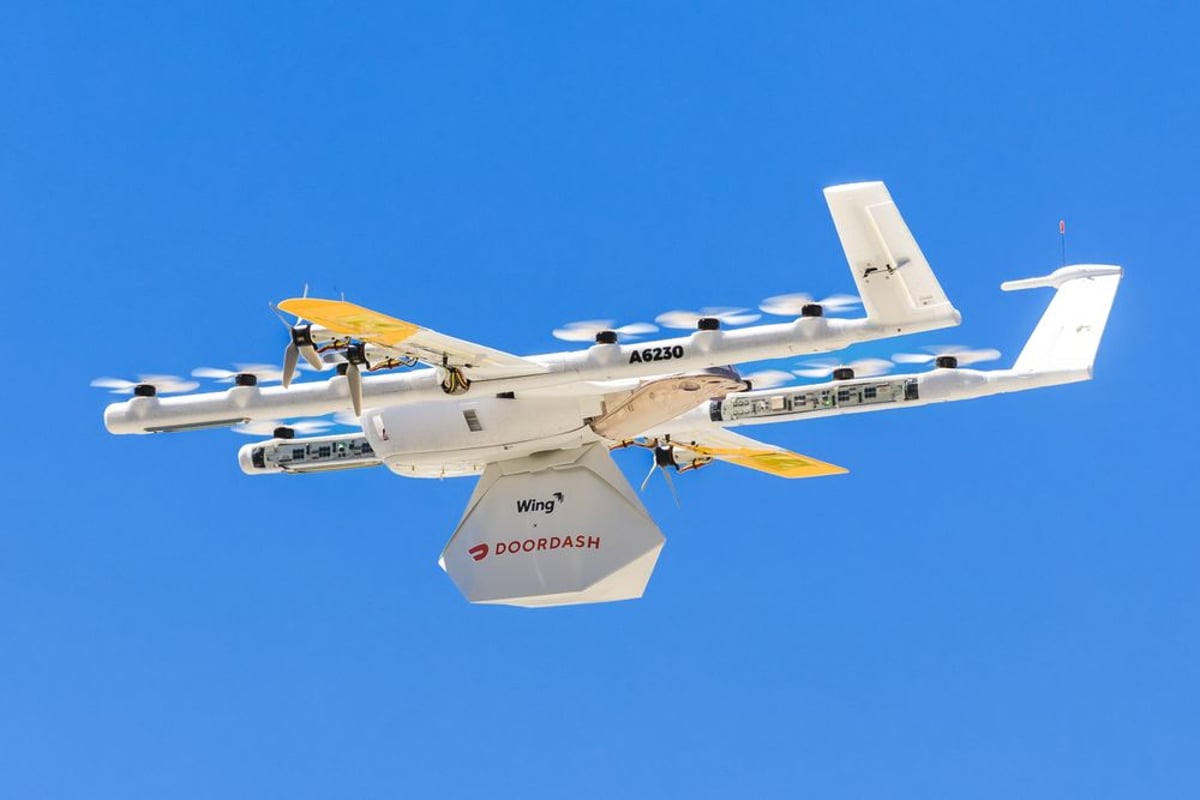
DoorDash has fundamentally transformed last-mile logistics by securing FAA Part 135 air carrier certification, enabling commercial drone delivery operations across the United States. The company officially launched DoorDash Air in July 2026, becoming the eighth U.S. operator with Part 135 certification—a designation typically reserved for commercial air carriers. This milestone represents a $100M+ investment in proprietary drone infrastructure that will launch commercially in fall 2026, directly competing with Amazon's drone initiatives and reshaping delivery economics for e-commerce sellers.
The operational impact is immediate and quantifiable. DoorDash's drone deliveries under five miles currently average fewer than 25 minutes, compared to 30+ minutes for traditional ground delivery—a 40-50% speed improvement. The company emphasizes that more than one-fifth of its orders require 3-5 mile travel distances, which take approximately 25% longer to fulfill than shorter trips due to driver matching delays. By automating these mid-distance orders, DoorDash can reduce last-mile delivery costs—typically the most expensive segment of order fulfillment—while accelerating delivery speeds in urban and suburban markets. The company's proprietary Autonomous Delivery Platform coordinates delivery mode selection across human drivers, drones, and sidewalk robots (Dot) in real-time, handling routing algorithms and handoff systems at drive-throughs, rooftops, and restaurant back doors.
For e-commerce sellers, this creates both immediate opportunities and strategic considerations. Sellers using DoorDash's fulfillment services can now access same-day or next-day delivery for lightweight packages at competitive rates, significantly improving customer satisfaction and competitive positioning. However, drone delivery eligibility depends on order weight, destination location, and weather conditions—requiring sellers to understand new fulfillment parameters. DoorDash's vertical integration approach (building drones in-house with U.S.-sourced components) while maintaining partnerships with Alphabet's Wing, Flytrex, Waymo, Serve Robotics, and Coco Robotics provides redundancy and expanded coverage. The company expects human couriers to continue handling the majority of deliveries, particularly for complex scenarios like apartment building navigation and large orders, but drone automation will handle high-volume, short-distance orders that currently consume significant labor resources.
The broader industry context signals a transition from experimental to operational status. Amazon, UPS, and other major logistics players already hold BVLOS (Beyond Visual Line of Sight) certifications. DoorDash's achievement indicates that autonomous delivery infrastructure is reshaping last-mile logistics economics across the e-commerce industry within the next 2-3 years. Sellers should monitor DoorDash's official announcements for service area expansion, eligibility criteria, and integration requirements as the program scales beyond initial pilot markets in Phoenix suburbs (Tempe, Mesa, Gilbert, Chandler) and Fremont, California—where the Dot sidewalk robot has operated since September 2025.
Questions 8
When will DoorDash drone delivery launch commercially and in which markets?
DoorDash plans to launch its drone delivery service commercially in fall 2026, with additional details expected at DoorDash's annual product event in September 2026. The company has already conducted pilot programs with various restaurants, some of which experienced increased order volume during testing phases. Initial operations will focus on short-distance flights under operator visual line of sight, before advancing to autonomous Beyond Visual Line of Sight (BVLOS) operations pending FAA approval. The company has already deployed its Dot sidewalk delivery robot in Phoenix suburbs (Tempe, Mesa, Gilbert, Chandler) and Fremont, California since September 2025. Sellers should monitor DoorDash's official announcements for service area expansion, eligibility criteria, and integration requirements as the program scales beyond initial pilot markets.
What are the weight and distance limitations for DoorDash drone delivery?
DoorDash's drone delivery is optimized for orders under five miles, with current average delivery times of fewer than 25 minutes. The company emphasizes that more than one-fifth of its orders require 3-5 mile travel distances, making this the primary target segment. Specific weight limits for drone delivery have not been publicly disclosed, but the company indicates that lightweight packages are eligible while large orders will continue using human couriers. Drone delivery eligibility also depends on destination location (urban/suburban markets with established infrastructure) and weather conditions. Sellers should expect that drone delivery will handle high-volume, lightweight, short-distance orders while traditional delivery methods continue for complex scenarios like apartment building navigation and large packages.