



Apple Upgrade Program Launches with Klarna | Device Leasing Reshapes Electronics Payment Flows
- Apple's new $17.99/month iPhone leasing program powered by Klarna disrupts device financing, creating payment optimization opportunities for sellers in electronics accessories, trade-in services, and subscription-based product categories







Overview
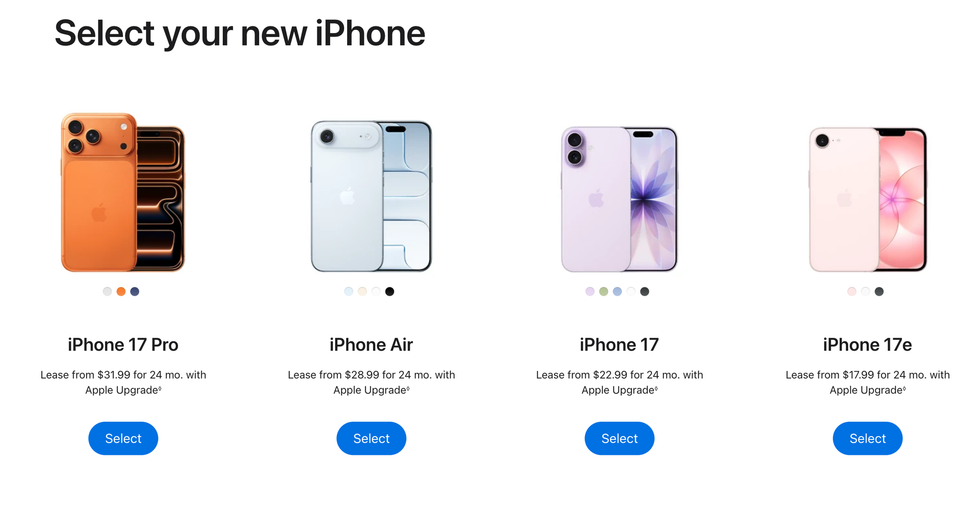
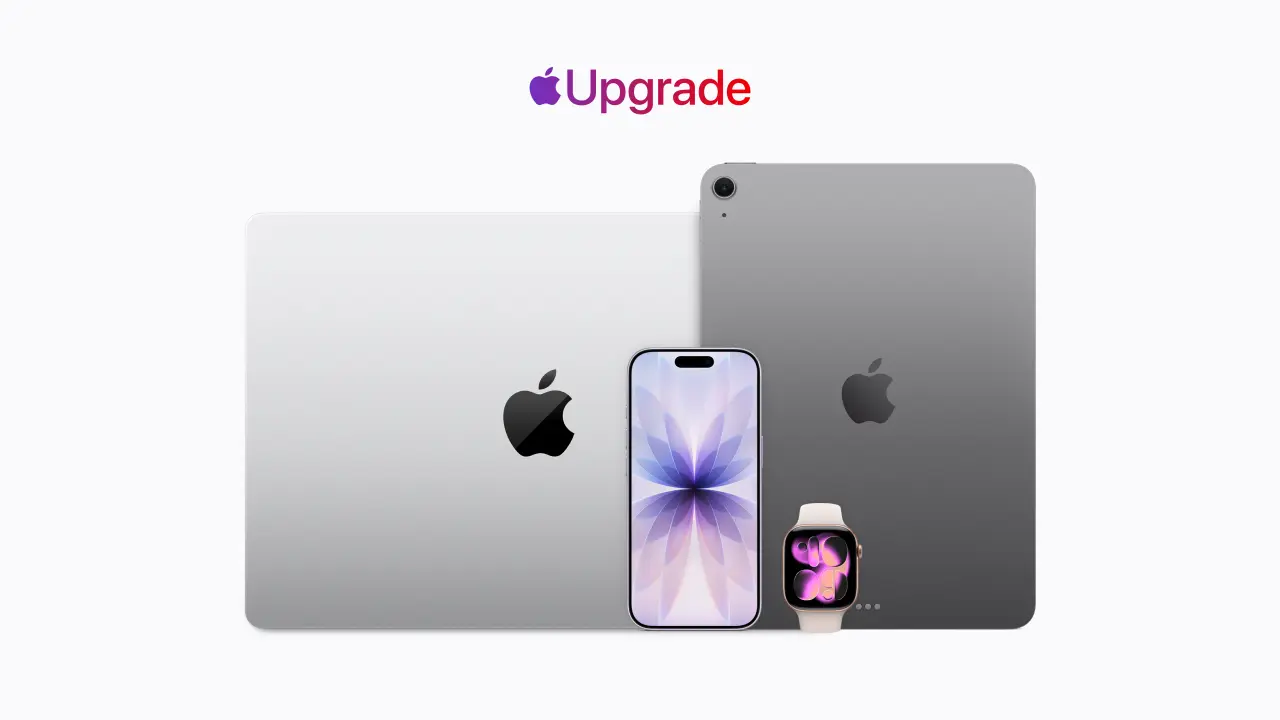
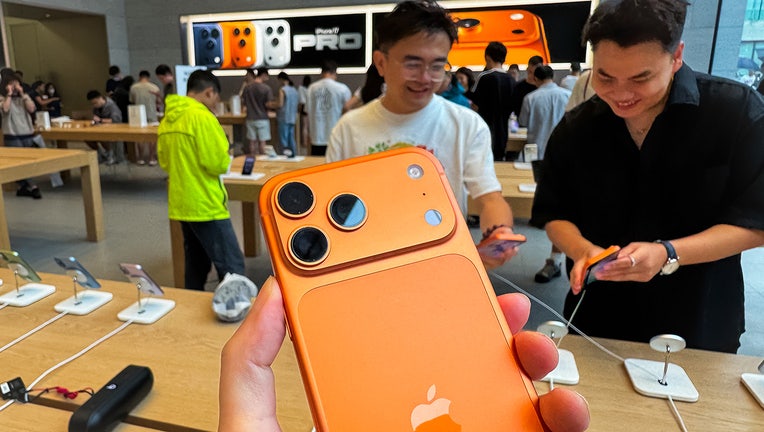
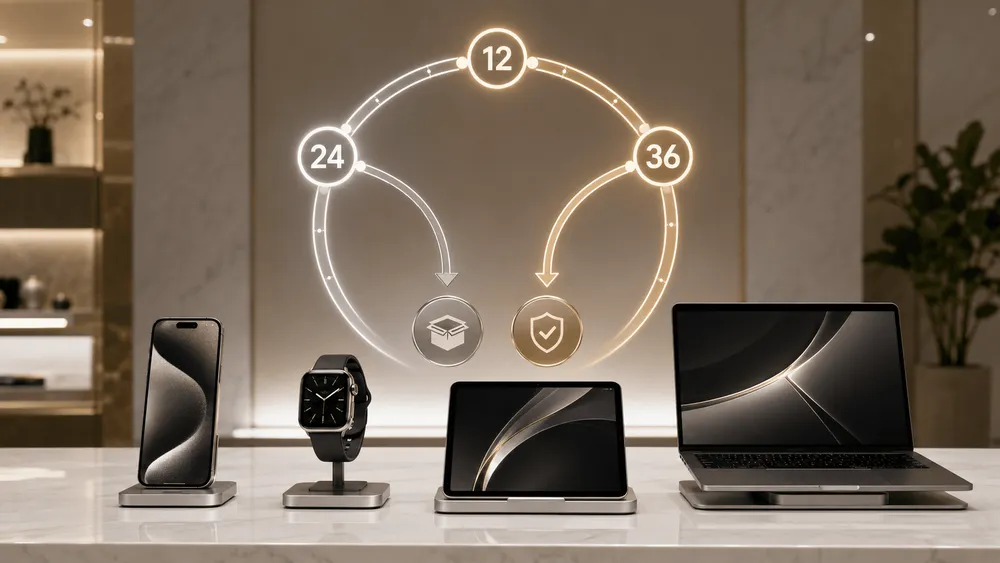
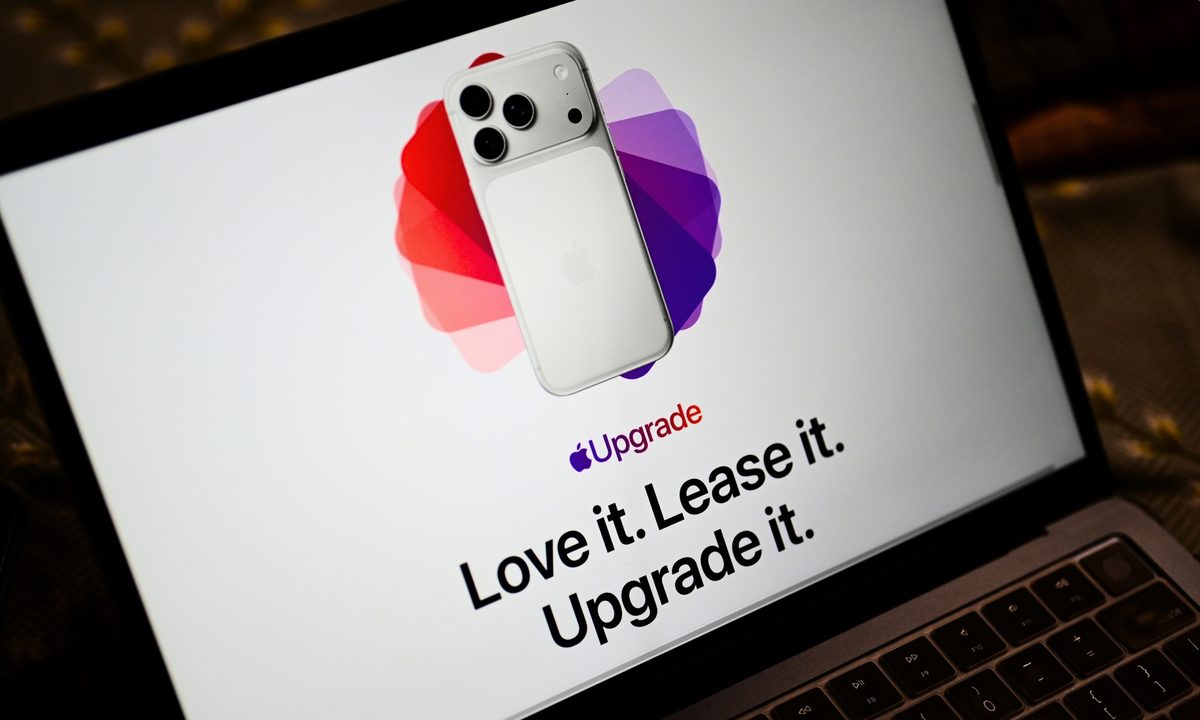
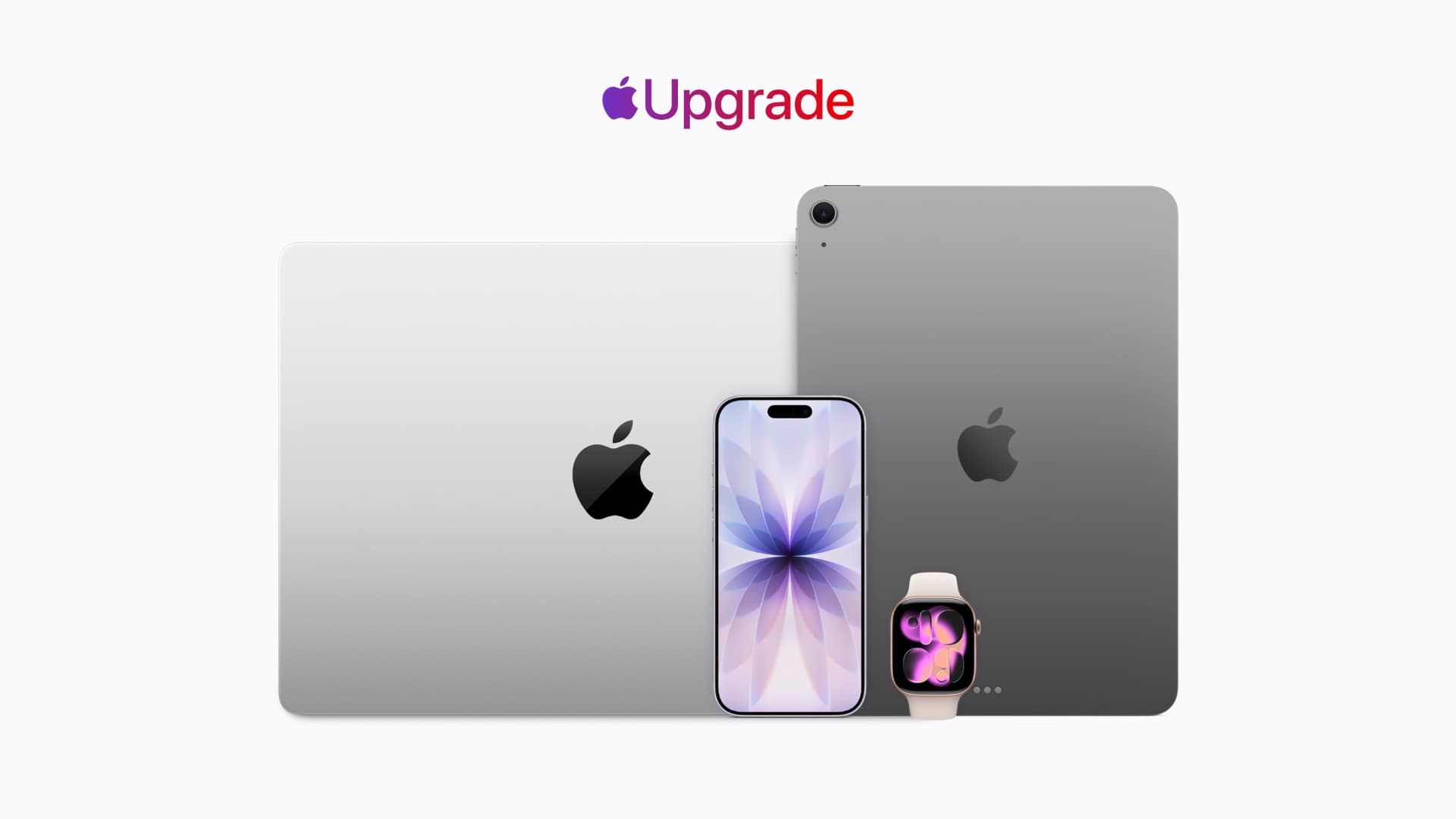
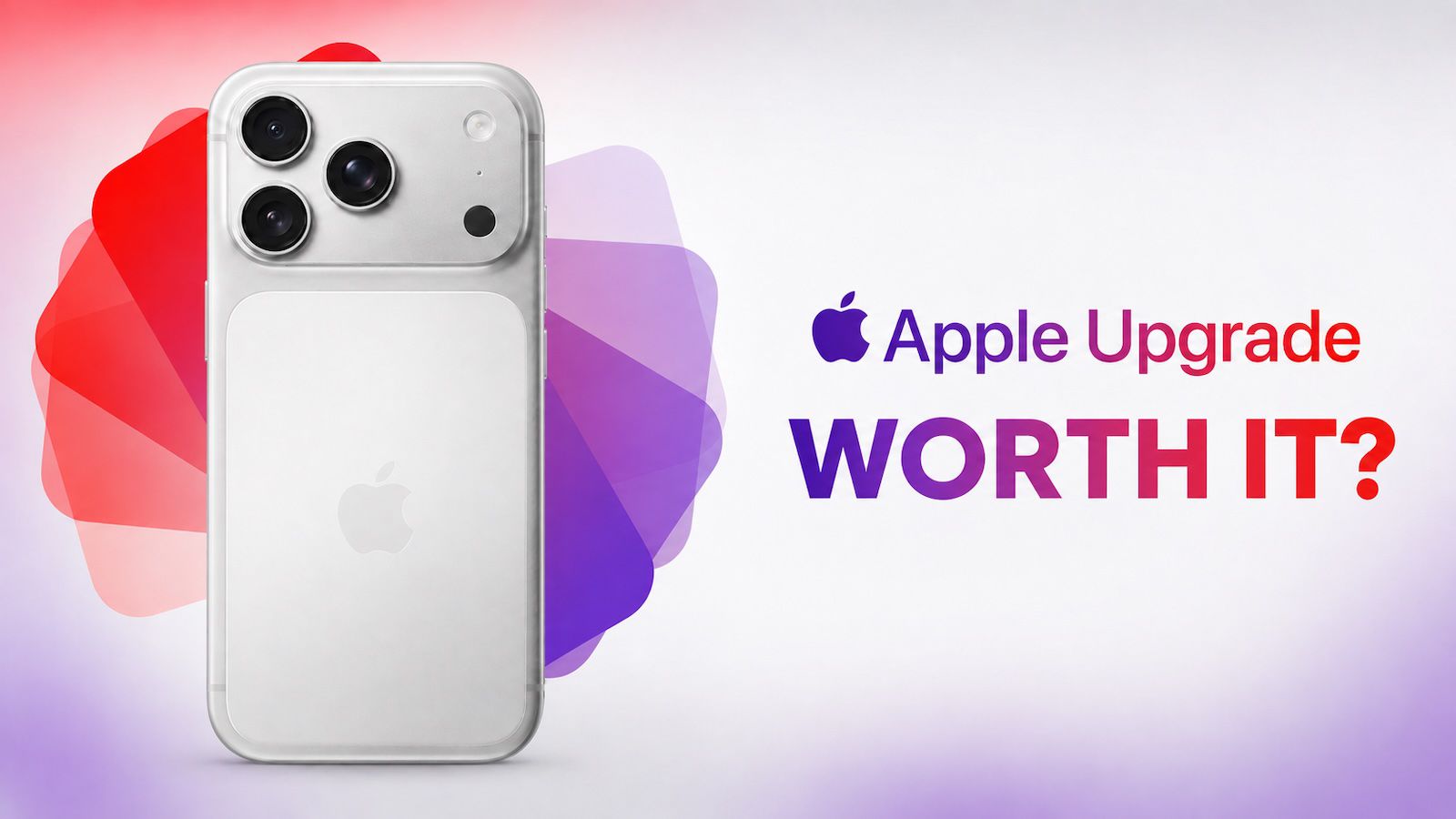
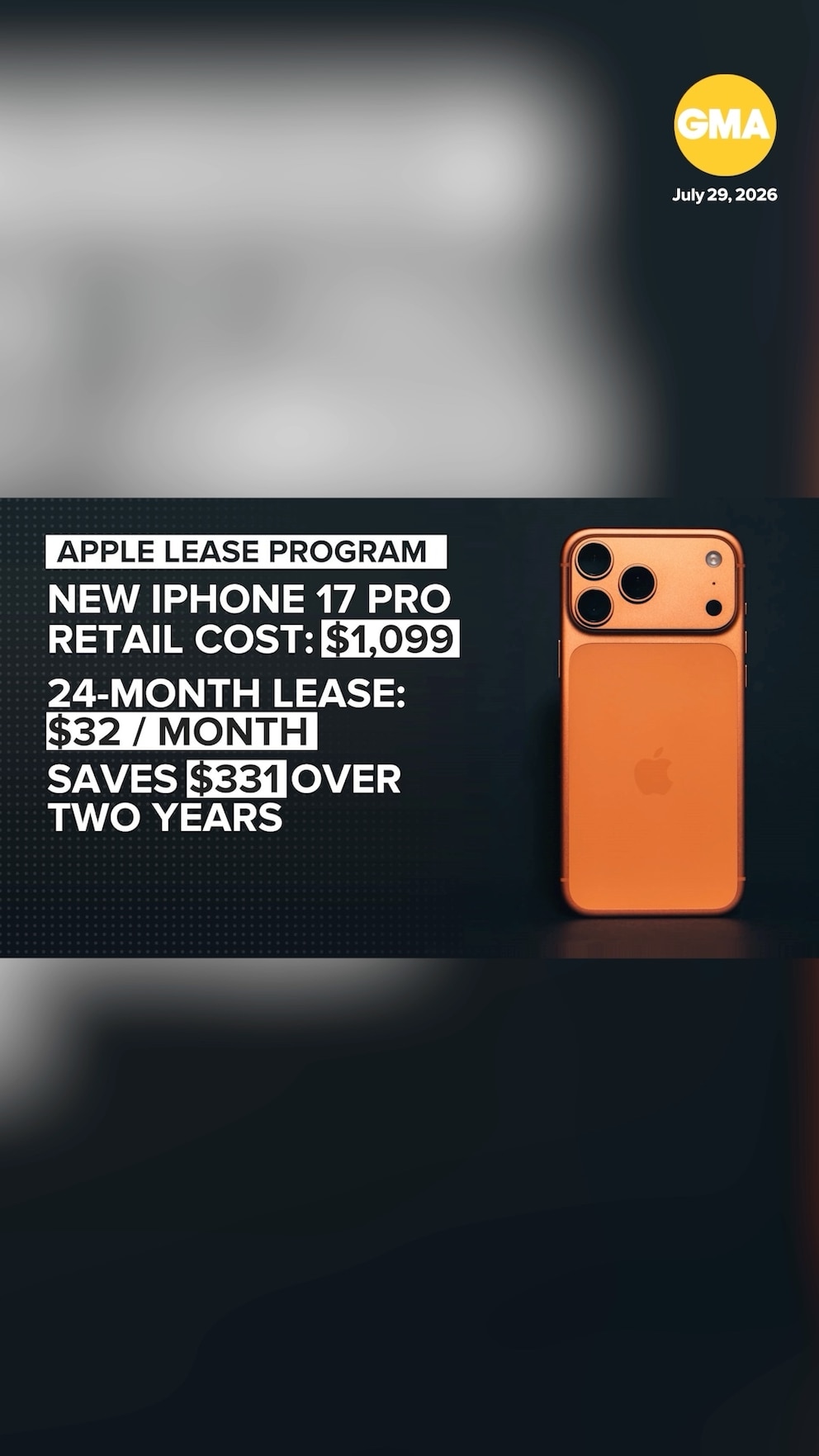
Apple's launch of the Apple Upgrade program in partnership with Klarna represents a fundamental shift in consumer electronics purchasing behavior with significant implications for cross-border payment flows and working capital management. The program offers iPhone leasing starting at $17.99/month (down 57% from the previous $42 iPhone Upgrade Program rate), Apple Watch at $11.99/month, Mac at $24.99/month, and iPad at $11.99/month, with 12-36 month lease terms available through Apple Store online, mobile app, and physical U.S. locations. This pricing compression signals Apple's strategic response to rising device costs—analysts project $1,500 foldable iPhones launching September 2025—and extended consumer ownership cycles (now averaging 22 months vs. historical 18-month upgrade patterns).
For fintech-focused sellers and payment processors, this development creates immediate opportunities in three critical areas: First, payment method optimization—Klarna's soft credit inquiry model (non-impact to credit scores) and lease management through the Klarna app establishes a new payment corridor that sellers can leverage for their own financing offerings. Klarna's ability to process approvals same-day for in-store customers and offer flexible delivery/pickup options demonstrates the viability of embedded finance for high-ticket electronics. Second, cash flow acceleration—the shift from lump-sum purchases to 12-36 month payment streams creates predictable recurring revenue but extends customer acquisition cost recovery periods. Sellers offering complementary services (AppleCare subscriptions, device protection plans, trade-in facilitation) can structure their own subscription-based payment models using similar soft-credit infrastructure. Third, currency and settlement optimization—as Klarna processes these transactions across U.S. markets, sellers accepting Klarna payments benefit from reduced payment processing fees (typically 2-3% vs. 3-4% for traditional credit cards) and faster settlement cycles (2-3 days vs. 5-7 days for ACH).
The competitive implications extend to third-party electronics sellers on Amazon, eBay, and Shopify. Apple's exclusion of budget products (iPhone 16, MacBook Neo, base iPad, Apple Watch SE) creates a market gap where third-party sellers can offer financing alternatives for price-sensitive consumers. Sellers of Apple accessories, refurbished devices, and compatible products should anticipate increased demand from lease customers seeking add-on purchases (cases, chargers, screen protectors, AppleCare alternatives). The 22-month average ownership cycle suggests a predictable replacement wave every 22 months—sellers can structure inventory and marketing campaigns around this rhythm. Additionally, the trade-in component (Apple Trade In at enrollment) creates opportunities for sellers specializing in device refurbishment and secondary market resale; as lease customers upgrade, returned devices will flood the refurbished market, potentially compressing margins 8-12% for sellers in that category unless they establish direct relationships with Klarna or Apple's device recovery programs.
Working capital implications are substantial: Sellers currently financing inventory through traditional trade finance (30-60 day terms) should evaluate whether Klarna's embedded finance model offers better terms. Klarna's merchant funding model (paying sellers within 2-3 days of transaction) vs. traditional 30-45 day payment terms represents a 15-30 day working capital acceleration. For sellers moving $500K-$2M annually in electronics, this translates to $20K-$80K in freed-up working capital. Sellers should also monitor whether Klarna expands its merchant network beyond Apple—if Klarna becomes a standard payment option on Shopify, Amazon, or eBay, sellers can reduce reliance on traditional payment processors and lower blended payment fees by 40-60 basis points.
Questions 8
What working capital opportunities exist for sellers offering complementary products to Apple Upgrade customers?
Sellers of Apple accessories, device protection plans, and AppleCare alternatives can structure subscription-based payment models mirroring Apple's 12-36 month lease terms. The news indicates Apple allows AppleCare subscriptions to be added to lease plans, creating a template for sellers to offer bundled financing. For a seller with $500K annual accessory revenue, implementing a 24-month payment plan (vs. lump-sum purchase) could accelerate customer acquisition by 20-30% while extending customer lifetime value by 15-25%. Sellers should evaluate whether Klarna's merchant API allows direct integration of subscription products, enabling same-day approval and soft credit inquiry for customers.
How does Klarna's payment processing fee structure compare to traditional credit card processors for electronics sellers?
Klarna charges merchants 2-3% per transaction for embedded financing vs. 3-4% for traditional credit card processors, representing 100-150 basis points in savings. For a seller processing $1M annually in electronics, this translates to $10K-$15K in annual fee savings. Additionally, Klarna settles merchant funds within 2-3 business days vs. 5-7 days for traditional ACH, accelerating working capital by 3-5 days. The Apple Upgrade program demonstrates Klarna's ability to scale this model—if Klarna expands to Shopify, Amazon, or eBay, sellers can reduce blended payment fees by integrating Klarna as a primary payment method alongside traditional cards.