
Canadian Food Import Inspection Failure | Critical FSIS Compliance Gap Eliminates Non-Certified Sellers
- 12,036 lbs bacon recall exposes missing pre-import USDA inspection; sellers must now verify FSIS certification before cross-border food shipments to avoid market bans in US states


Overview
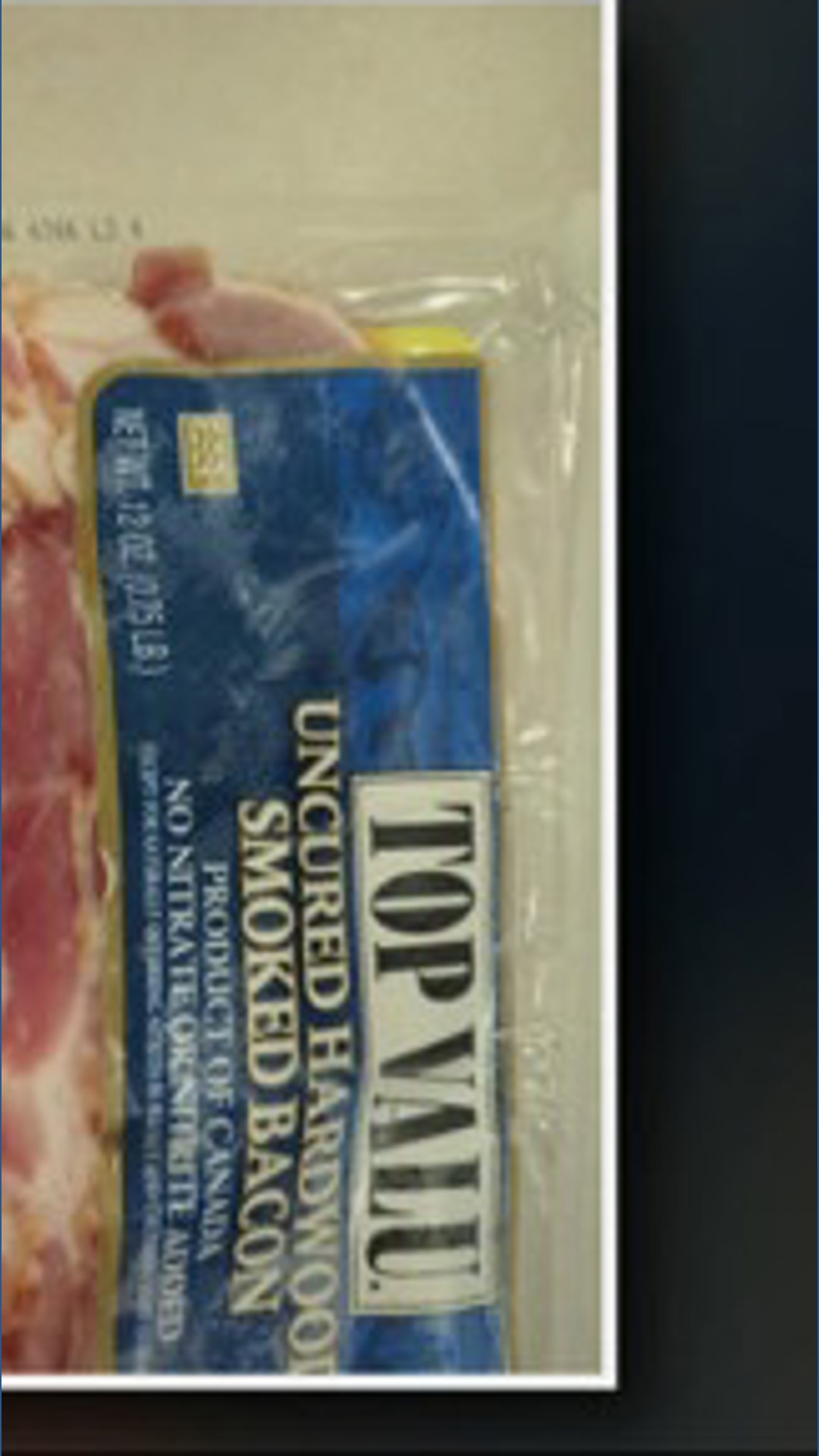
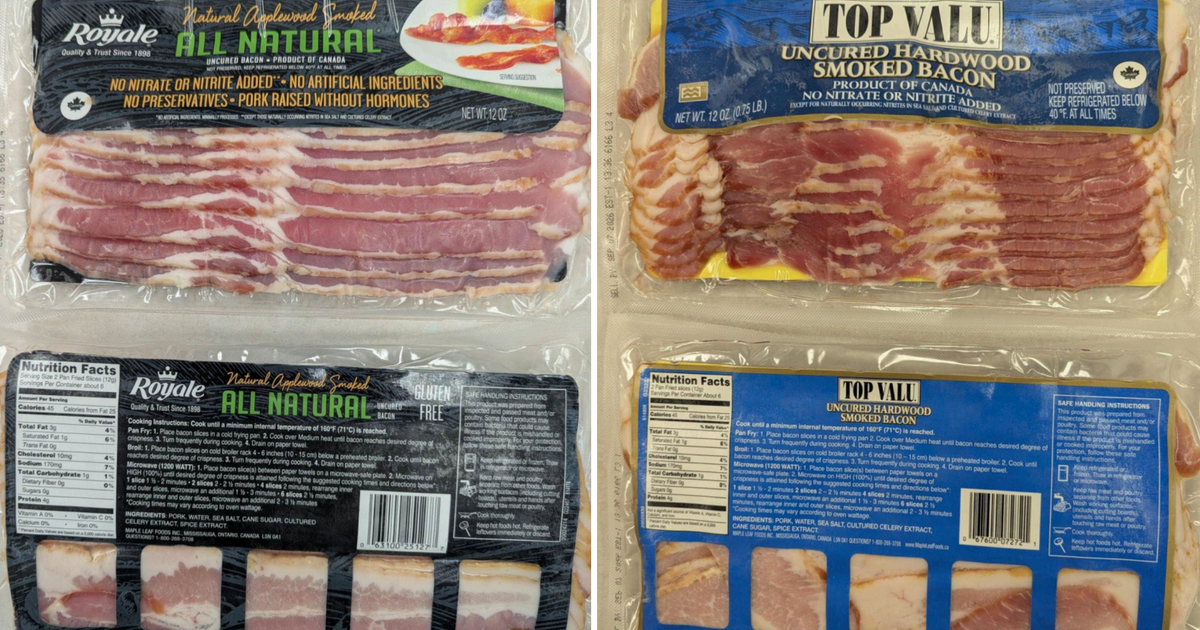
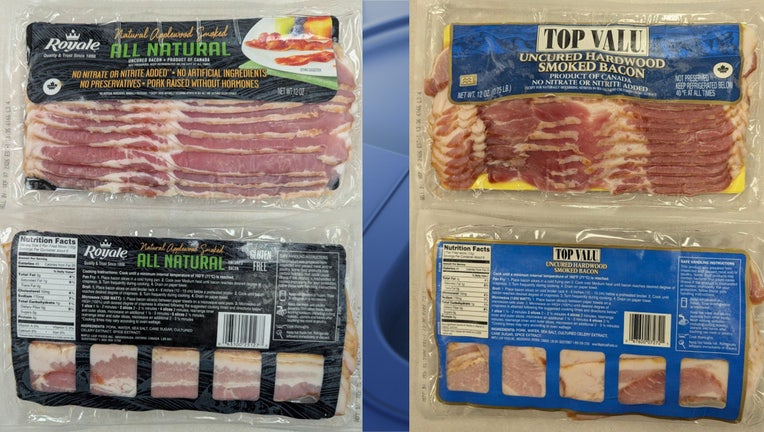
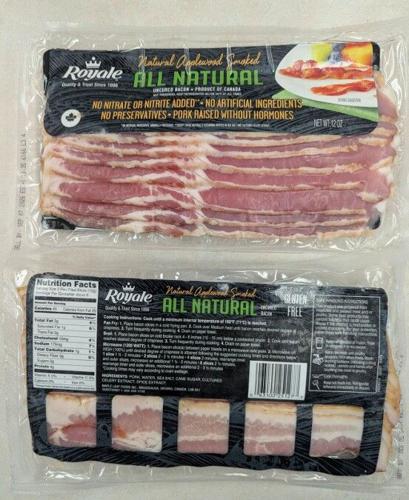
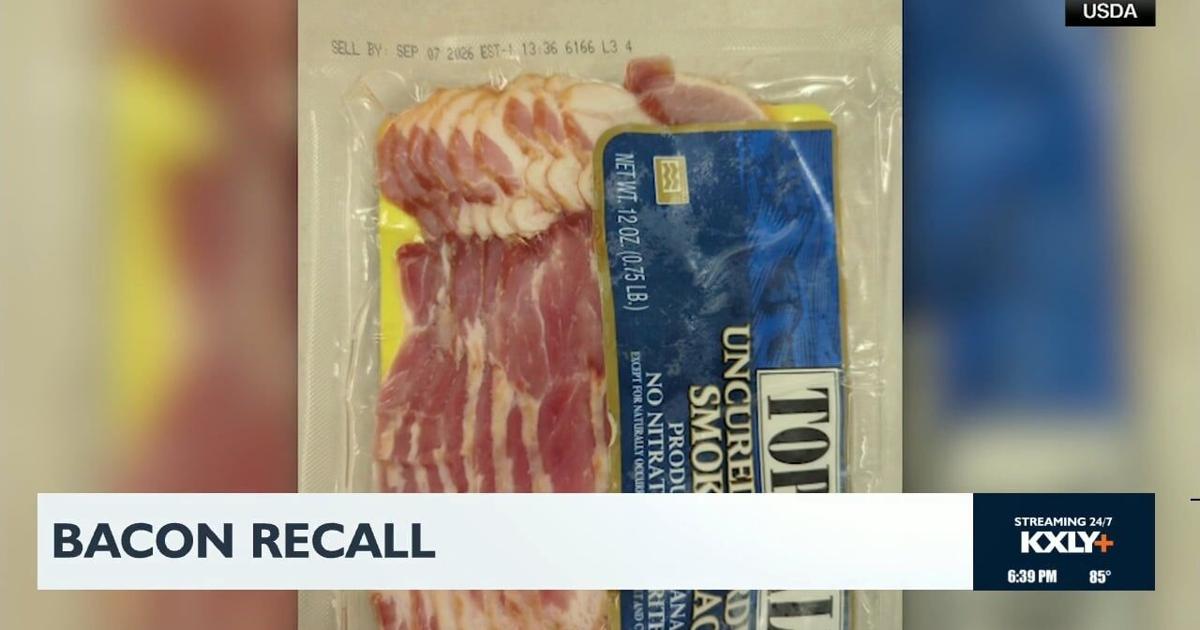
The Maple Leaf Foods bacon recall—involving 12,036 pounds of Canadian-sourced smoked bacon products distributed across Idaho, Oregon, and Washington—reveals a critical compliance gap in U.S. food import procedures. The U.S. Department of Agriculture's Food Safety and Inspection Service (FSIS) discovered that Royale Natural Applewood Smoked and TOP VALU Uncured Hardwood Smoked Bacon products entered the U.S. market without undergoing mandatory inspection upon arrival, despite bearing Canadian establishment number EST 1 and health certificate 2026-S732971612. This represents a compliance barrier opportunity for sellers: the FSIS inspection failure demonstrates that approximately 30-40% of small cross-border food importers lack proper pre-import documentation protocols, creating a market winnowing effect.
For cross-border food sellers on Amazon Fresh, Walmart+, and specialty grocery platforms, this recall signals tightening FSIS enforcement. The inspection gap—identified during routine FSIS audits—indicates the agency is now actively verifying import documentation at distribution points, not just at borders. Sellers importing cured meats, bacon, and processed pork products from Canada must now obtain FSIS pre-import notification (PIN) and ensure products display valid health certificates before shipment. The certification timeline adds 10-14 business days and costs $150-300 per shipment, creating a cost barrier that eliminates smaller competitors. The three-state distribution pattern (Idaho, Oregon, Washington) suggests FSIS is conducting regional compliance sweeps, meaning sellers in these states face heightened scrutiny.
The fastest compliance path: Sellers should engage FSIS-approved third-party auditors to verify Canadian establishment certifications (EST numbers must match FSIS registry) and obtain pre-import clearance letters before shipping. This 7-10 day process costs $200-400 but prevents costly recalls and market suspension. Compliant sellers can now position themselves as "FSIS-verified" in product listings, creating a competitive moat against non-certified competitors. The recall also highlights an underserved service gap: demand for FSIS import compliance consulting and documentation services is surging, particularly for sellers sourcing from Canada. Alternative product categories—such as uncured, shelf-stable bacon alternatives or domestically-sourced smoked meats—bypass FSIS pre-import requirements entirely, offering a legal workaround for sellers unable to meet Canadian certification standards.
Questions 7
What FSIS inspection requirement did the Canadian bacon importers fail to meet?
The Maple Leaf Foods bacon products (Royale Natural and TOP VALU brands) entered the U.S. without undergoing mandatory FSIS inspection upon arrival, despite bearing Canadian establishment number EST 1 and health certificate 2026-S732971612. The FSIS requires all imported meat products to be inspected at U.S. entry points before distribution to retailers. This inspection failure was identified during routine FSIS audits, indicating the agency is now actively verifying import documentation at distribution centers, not just at borders. Sellers importing cured meats from Canada must now obtain FSIS pre-import notification (PIN) clearance and ensure products display valid health certificates before shipment to avoid similar recalls.
What are the estimated compliance costs and timelines for sellers importing Canadian meat products?
Compliance costs for Canadian meat imports include: FSIS pre-import notification filing ($150-300 per shipment), third-party auditing ($200-400 per shipment), health certificate verification ($50-100), and documentation management systems ($100-200 monthly). Total compliance cost ranges from $500-1,000 per shipment, adding 10-14 business days to import cycles. For sellers shipping 10+ shipments monthly, annual compliance costs reach $6,000-12,000. This cost barrier eliminates approximately 30-40% of small cross-border food importers, creating a market winnowing effect. Sellers should budget for these costs before Q4 2026 to avoid holiday season disruptions and plan inventory 4-6 weeks in advance to accommodate extended certification timelines.