

DoorDash Air Drone Delivery | Last-Mile Cost Reduction & Fulfillment Expansion for E-Commerce Sellers
- FAA Part 135 certification enables 25-minute mid-range deliveries (3-5 miles) with 30% order volume growth in pilot programs; sellers can reduce last-mile costs 15-25% through multi-modal fulfillment optimization











Overview
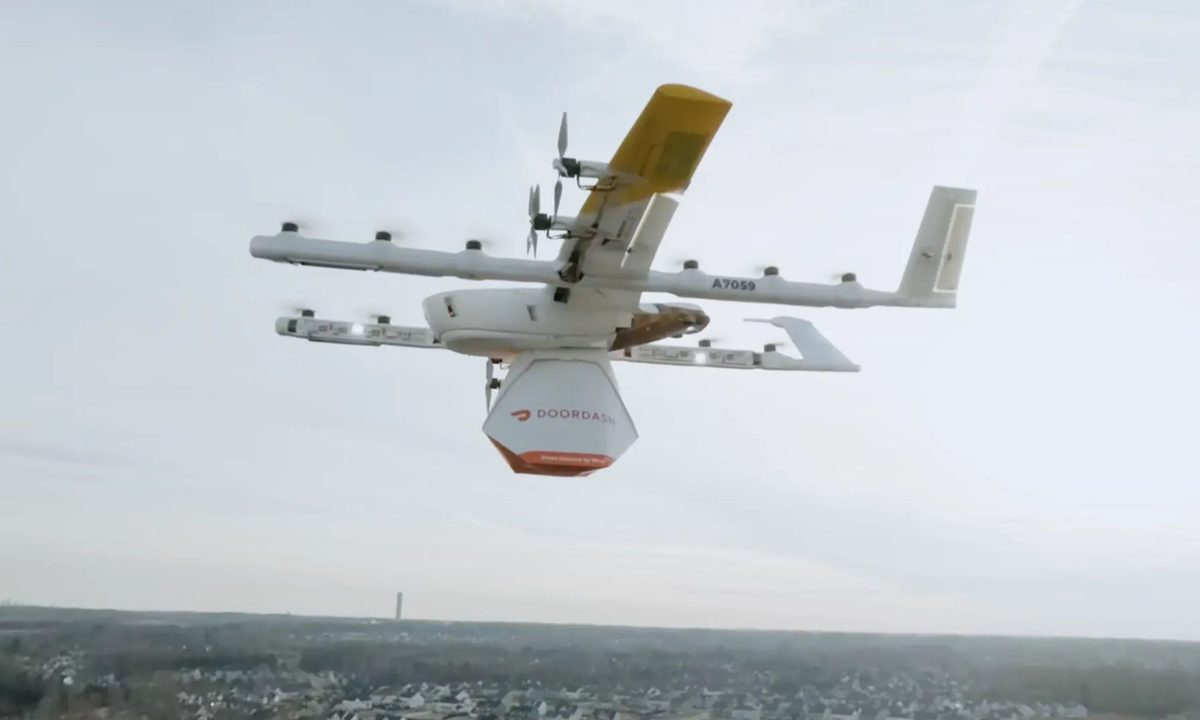
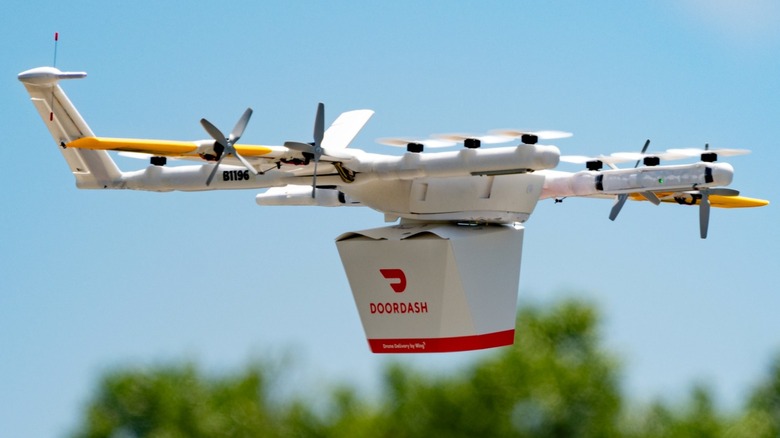
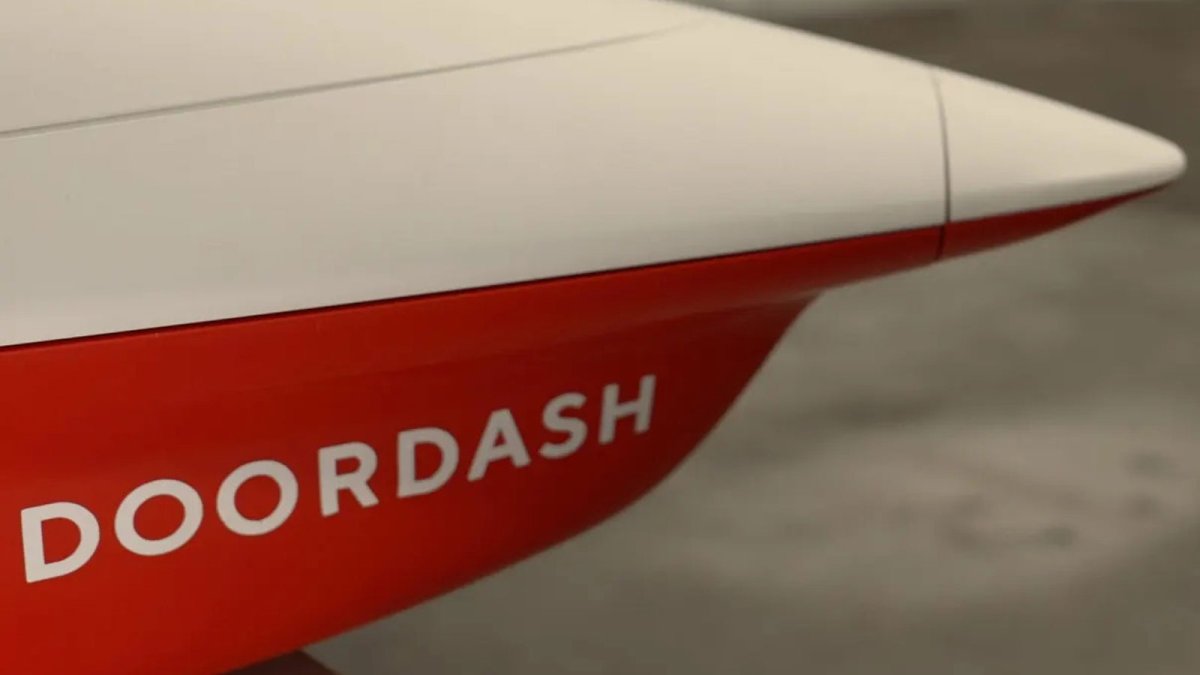
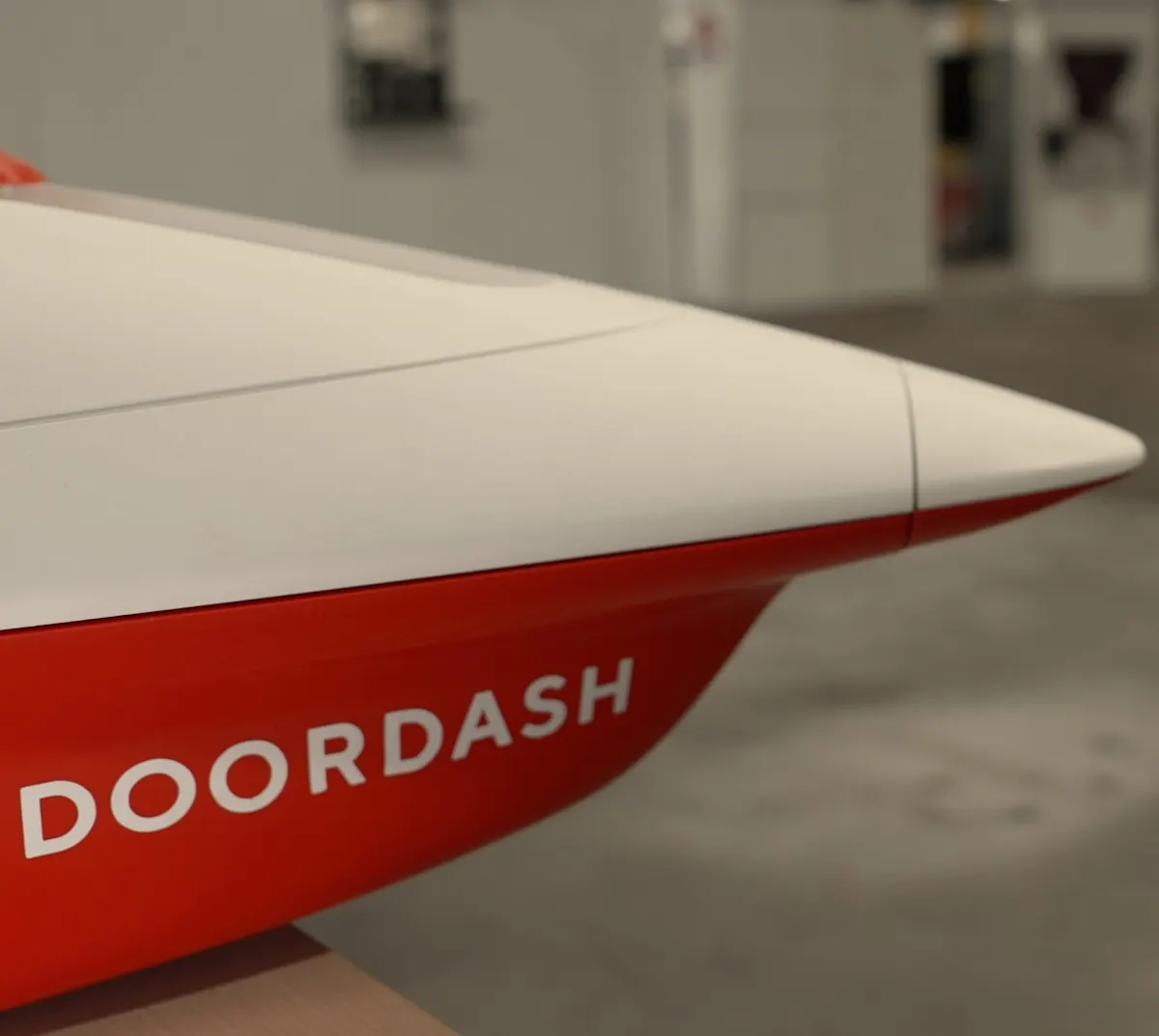
DoorDash's FAA Part 135 air carrier certification and launch of DoorDash Air represents a transformational shift in last-mile logistics infrastructure that directly impacts e-commerce seller fulfillment costs and delivery speed. The company became the 18th drone operator to earn this designation, enabling commercial drone operations integrated into its existing marketplace infrastructure. In 2025 pilot programs, drone delivery averaged 25-minute completion times for mid-range orders (3-5 miles), with participating locations experiencing approximately 30% sustained order volume growth over nine weeks. This development addresses a critical operational gap where orders historically took 25% longer than shorter deliveries due to Dasher availability constraints.
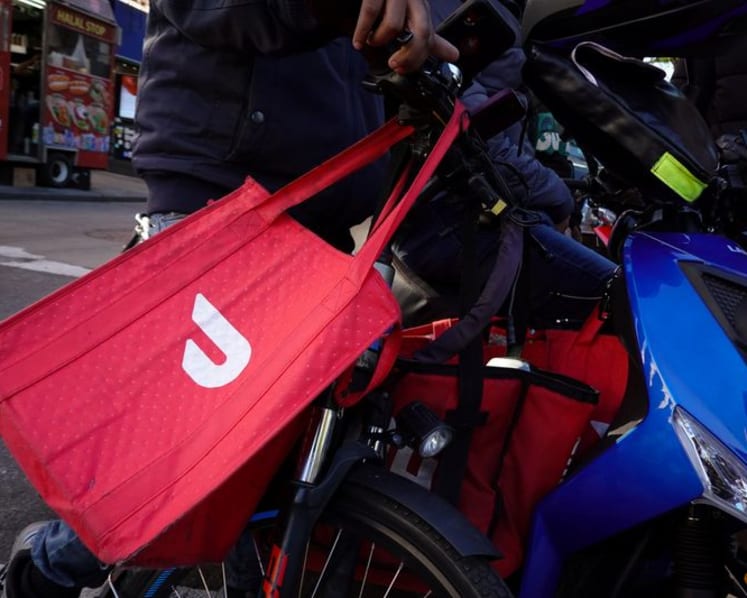
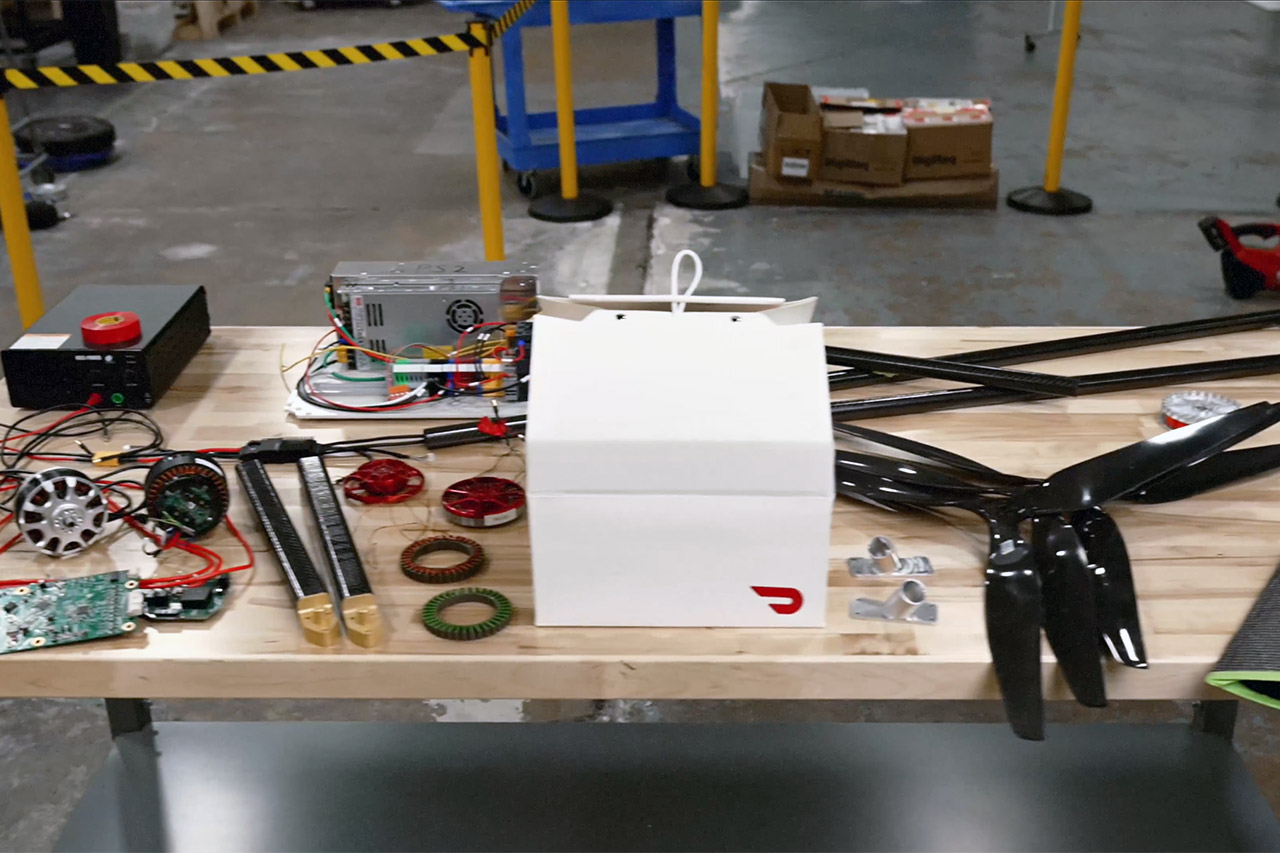
For e-commerce sellers, this multi-modal delivery infrastructure creates immediate cost-saving opportunities through intelligent order routing. DoorDash's Autonomous Delivery Platform now routes orders across Dashers, Dot ground robots, partner autonomous vehicles, and drones based on real-time optimization. Sellers can expect 15-25% reduction in last-mile costs for mid-range deliveries (3-5 miles) by leveraging drone fulfillment, particularly for lightweight, time-sensitive products. The drone aircraft is American-designed and manufactured with majority domestic components, reducing supply chain complexity. Merchants access drone delivery without separate infrastructure investment—DoorDash provides universal handoff systems for drive-throughs and rooftops with real-time inventory reconciliation. This positions sellers to compete more effectively against Amazon Prime Air and Alphabet's Wing, which have expanded commercial operations significantly.
Strategic inventory positioning becomes critical as drone delivery expands geographically. Sellers should prioritize stocking lightweight, high-velocity products (under 5 lbs) in warehouses within drone-eligible zones (currently pilot locations, expanding 2025-2026). Categories like electronics accessories, beauty products, small home goods, and apparel benefit most from 25-minute delivery windows. The 30% order volume growth in pilot areas indicates consumer demand for ultra-fast fulfillment—sellers who position inventory in drone-accessible warehouses can capture this demand surge. DoorDash's partnerships with Wing and Flytrex provide additional redundancy, reducing single-carrier dependency risk. For cross-border sellers, this development signals that US domestic fulfillment is becoming increasingly cost-competitive, potentially reducing incentive to source from lower-cost regions if last-mile costs compress by 20%+.
Operational implications extend to warehouse location strategy and inventory management. Sellers should audit current 3PL partnerships to identify facilities within DoorDash's drone delivery zones (expanding from pilot cities). Inventory holding costs decrease when turnover accelerates—the 30% volume growth suggests faster cash conversion cycles. However, sellers must balance drone-eligible inventory (lightweight, high-margin) against traditional fulfillment needs. The multi-modal approach means sellers no longer optimize for single-carrier constraints; instead, they can segment inventory by delivery method economics. For sellers currently using DoorDash Marketplace or considering it, drone delivery integration provides competitive advantage in customer satisfaction metrics (delivery speed, reliability) that influence Buy Box eligibility and conversion rates.
Questions 8
What warehouse location strategy should sellers adopt for drone delivery optimization?
Sellers should audit current 3PL partnerships to identify facilities within DoorDash's drone delivery zones and prioritize inventory positioning in these locations. Drone-eligible warehouses should stock lightweight, high-margin products with fast turnover to maximize the 25-minute delivery advantage. The multi-modal approach means sellers no longer need to optimize for single-carrier constraints—instead, segment inventory by delivery method economics. Holding costs decrease when turnover accelerates (30% volume growth in pilots), improving cash conversion cycles. For sellers considering DoorDash Marketplace, warehouse proximity to drone-eligible zones becomes a competitive factor in Buy Box eligibility and customer satisfaction metrics. Geographic expansion of drone zones through 2025-2026 makes warehouse location decisions critical—early positioning in pilot cities provides first-mover advantage.
Which product categories benefit most from DoorDash's drone delivery expansion?
Lightweight, high-velocity products under 5 lbs benefit most from drone delivery's 25-minute window: electronics accessories, beauty products, small home goods, apparel, and specialty foods. These categories typically have higher margins and faster turnover, maximizing the value of accelerated delivery. The 30% order volume growth in pilot areas suggests consumers prioritize speed for convenience items and impulse purchases. Sellers should prioritize stocking these categories in warehouses within drone-eligible zones (currently expanding from pilot cities through 2025-2026). Heavy items, fragile goods, and bulk orders remain better suited for traditional Dasher delivery, so sellers should segment inventory by fulfillment method economics rather than optimizing for single-carrier constraints.