





Fed Holds Rates at 3.5-3.75% | Treasury Yields Hit 19-Year High, Shipping Costs Rise 6.6%
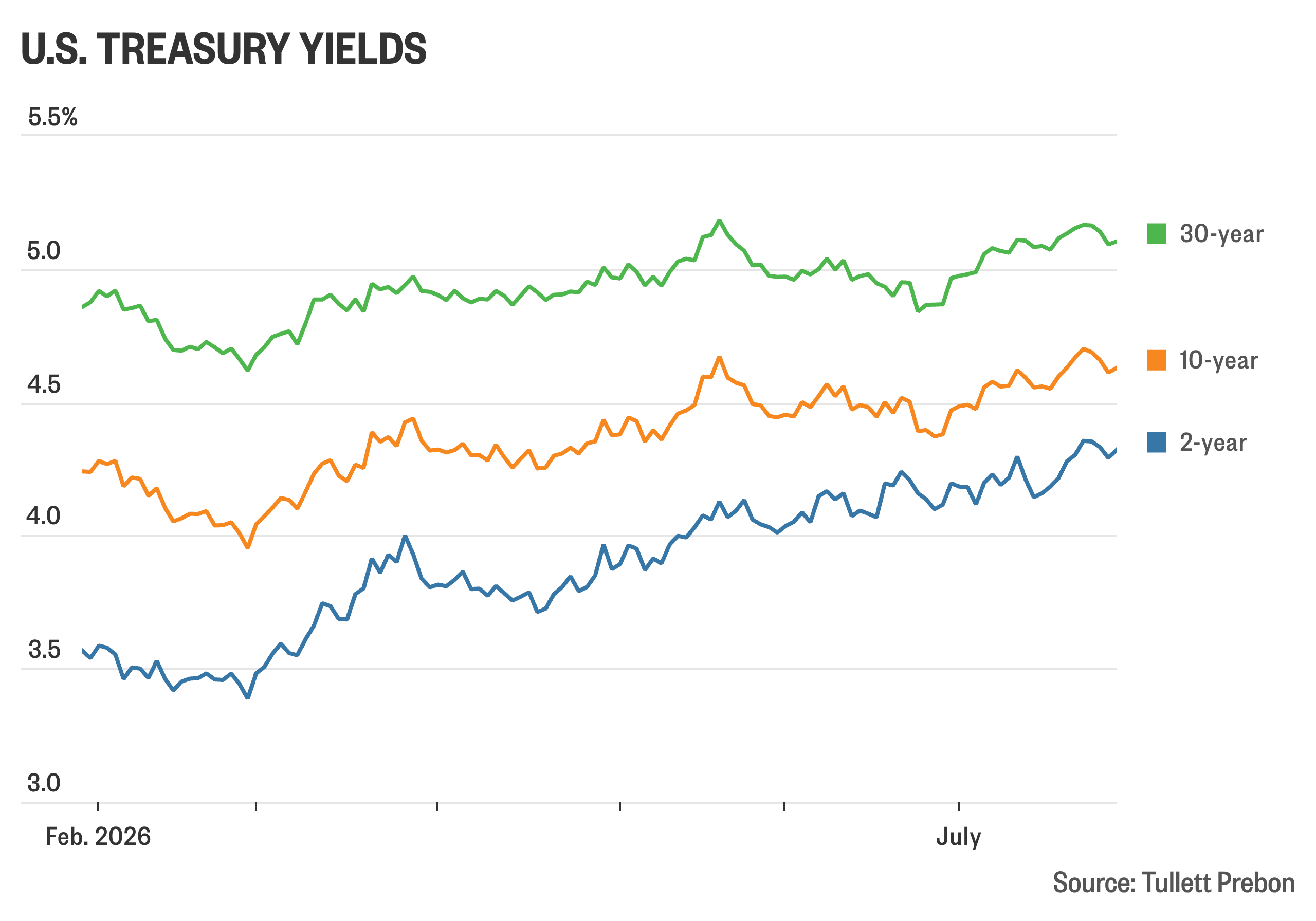
- 30-year Treasury yield surges to 5.244% (highest since 2007); WTI crude jumps 6.6% to $84.46/barrel; cross-border sellers face 8-15% working capital financing cost increases and currency headwinds through Q3 2026


















Overview
The Federal Reserve's decision to maintain interest rates at 3.5-3.75% on July 29, 2026, despite three dissenting votes for a rate hike, has triggered a sharp surge in long-term borrowing costs that directly impacts cross-border e-commerce sellers' working capital financing and logistics expenses. The 30-year Treasury yield jumped 10.5 basis points to 5.244%—its highest level since July 2007—while the 10-year yield climbed 7 basis points to 4.671%. Simultaneously, geopolitical tensions in the Middle East drove West Texas Intermediate crude futures up 6.6% to $84.46 per barrel, signaling sustained pressure on international shipping costs. Fed Chairman Kevin Warsh emphasized the committee's "patience" pending September's inflation data, but market expectations now price in potential rate hikes by Q3 2026, creating immediate financing cost pressures for sellers.
For cross-border e-commerce sellers, elevated Treasury yields translate directly into higher working capital financing costs. Sellers relying on inventory loans, purchase order financing, or trade credit lines will face APR increases of 8-15% as lenders reprice risk based on the 19-year high in borrowing costs. Small-to-mid-sized sellers (those with $500K-$5M annual revenue) are most vulnerable, as they typically lack access to institutional capital and depend on bank lines of credit or fintech lenders like Clearco, Fundbox, or Shopify Capital—all of which price off Treasury yields. A seller with $2M in inventory financed at 12% APR will see annual financing costs jump from $240K to $276K-$300K, compressing margins by 2-3 percentage points. Additionally, the stronger US dollar (driven by elevated US rates attracting foreign capital) makes American-manufactured goods 4-6% more expensive for international buyers, while imported inventory costs rise for sellers sourcing from Asia or Europe. The 6.6% spike in crude oil prices directly increases logistics costs: ocean freight rates typically rise $150-300 per 40-foot container for every $10/barrel increase in WTI, and air freight premiums climb 2-4%. For sellers shipping 500+ containers monthly, this translates to $75K-150K in additional annual logistics expenses.
The timing creates acute cash flow pressure through September 2026. The Fed's stated willingness to "act quickly if inflation pressures accelerate" signals potential emergency rate hikes if August CPI data disappoints, which would push Treasury yields even higher and trigger immediate repricing of seller financing. Sellers with floating-rate debt or lines of credit expiring before Q4 2026 face refinancing at materially worse terms. Currency volatility is also elevated: the USD/EUR pair has strengthened 2-3% since the Fed's July 29 decision, and USD/CNY volatility has spiked, creating FX headwinds for sellers with cross-border payment obligations. Sellers with significant exposure to discretionary categories (electronics, apparel, home décor) should expect 5-8% demand softening as consumer purchasing power declines due to higher mortgage rates and credit card APRs. The economic slowdown signaled by the Fed's hawkish hold—despite conflicting inflation data—suggests consumer spending on non-essentials will contract through Q4 2026.
Immediate financial optimization opportunities exist for sellers willing to act before September. Sellers should lock in fixed-rate financing NOW before rates rise further: 12-month PO financing at 10-12% APR is available through Flexport Capital, Supplier Finance, and traditional banks, but rates will likely jump 1-2% if the Fed hikes in September. Sellers with strong cash positions should consider pre-buying inventory at current prices rather than financing purchases later at higher rates—the 2-3% financing cost savings often exceed inventory carrying costs. For sellers with USD-denominated revenues and foreign currency expenses, now is the time to implement FX hedging: forward contracts locking in USD/CNY or USD/EUR rates for 6-12 months eliminate currency risk and can save 3-5% on sourcing costs. Sellers should also accelerate invoice factoring or supply chain financing programs: platforms like Taulia, Tradeshift, and Fintech Collective offer 2-4% discounts on early payment, which is cheaper than bank financing at current rates. Finally, sellers should review their payment processing providers: Wise, Remitly, and OFX offer better FX rates and lower fees than traditional banks for cross-border payments, potentially saving 1-2% on every international transaction.
Questions 8
What is the connection between crude oil prices and e-commerce shipping costs?
WTI crude oil prices directly drive ocean and air freight rates through fuel surcharges. The 6.6% jump to $84.46/barrel reported in the news translates to $150-300 additional cost per 40-foot container on transpacific routes. For a seller shipping 500 containers monthly from Asia, this represents $75K-150K in annual additional logistics expense. Air freight premiums rise 2-4% per $10/barrel increase. Sellers should negotiate fixed-rate shipping contracts NOW before carriers implement fuel surcharge increases in August-September. Alternatively, consider slower ocean freight (30-45 days) instead of air freight (5-7 days) to avoid premium pricing.
How do rising Treasury yields directly increase financing costs for cross-border sellers?
Rising Treasury yields increase the benchmark rate that lenders use to price working capital financing. When the 10-year Treasury yield climbs from 4.2% to 4.67% (as reported on July 29, 2026), lenders immediately reprice inventory loans, PO financing, and lines of credit by adding 6-10 percentage points for risk. A seller with a $1M inventory loan at 11% APR will see rates jump to 12-13% within 30 days, adding $10K-20K annually to financing costs. This is especially acute for sellers using fintech lenders like Clearco or Shopify Capital, which explicitly tie rates to Treasury yields. Sellers should lock in fixed-rate financing immediately before September's potential Fed rate hike.