


Huawei's Custom PC Processors Reshape Asian Tech Supply Chain | Seller Opportunities in HarmonyOS Ecosystem
- Huawei launches Kirin XE90 and X90 Plus processors August 5, 2025; signals 15-25% cost reduction potential for Chinese PC sellers and 40%+ market share shift in Asia-Pacific within 3 years






Overview
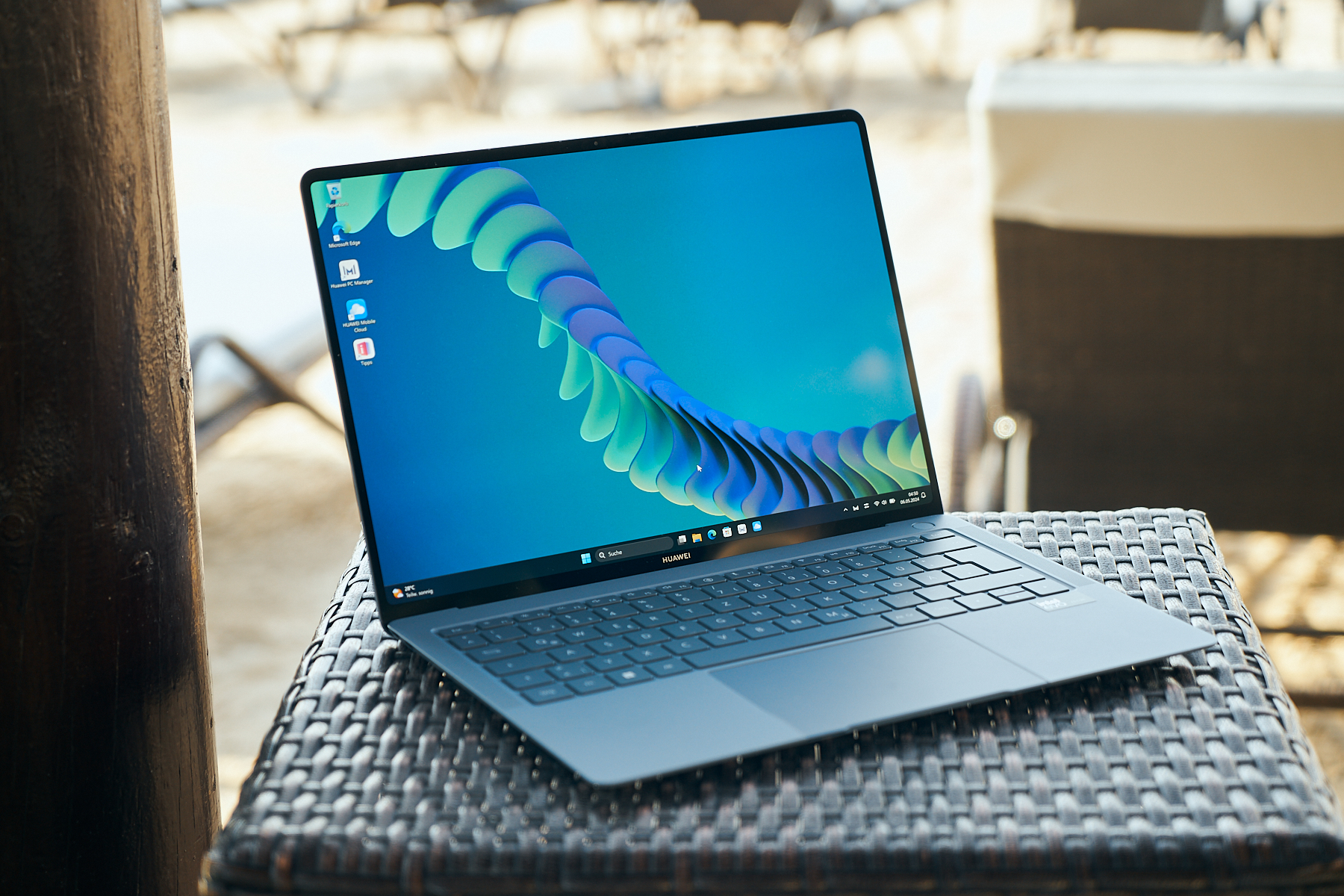
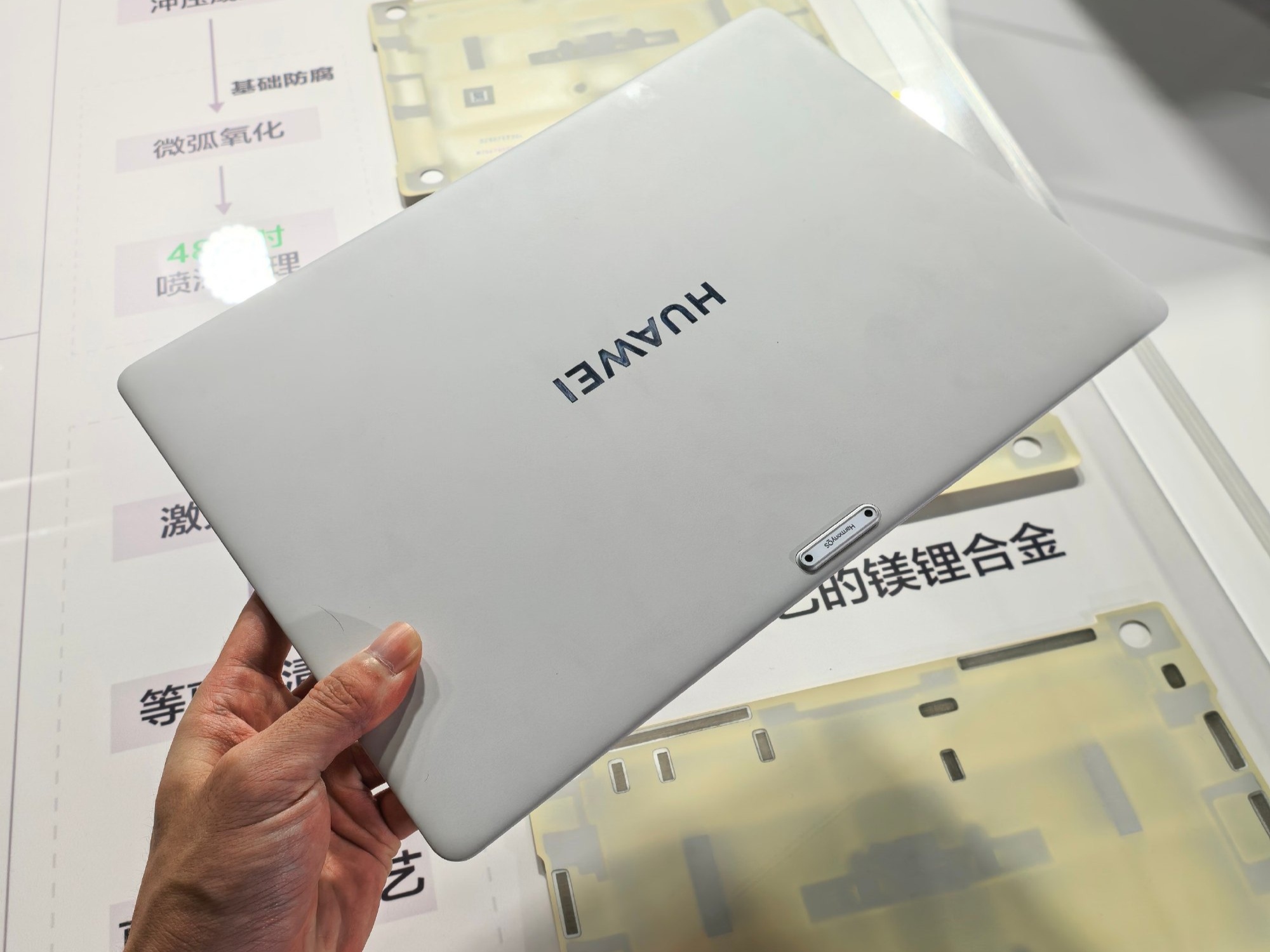
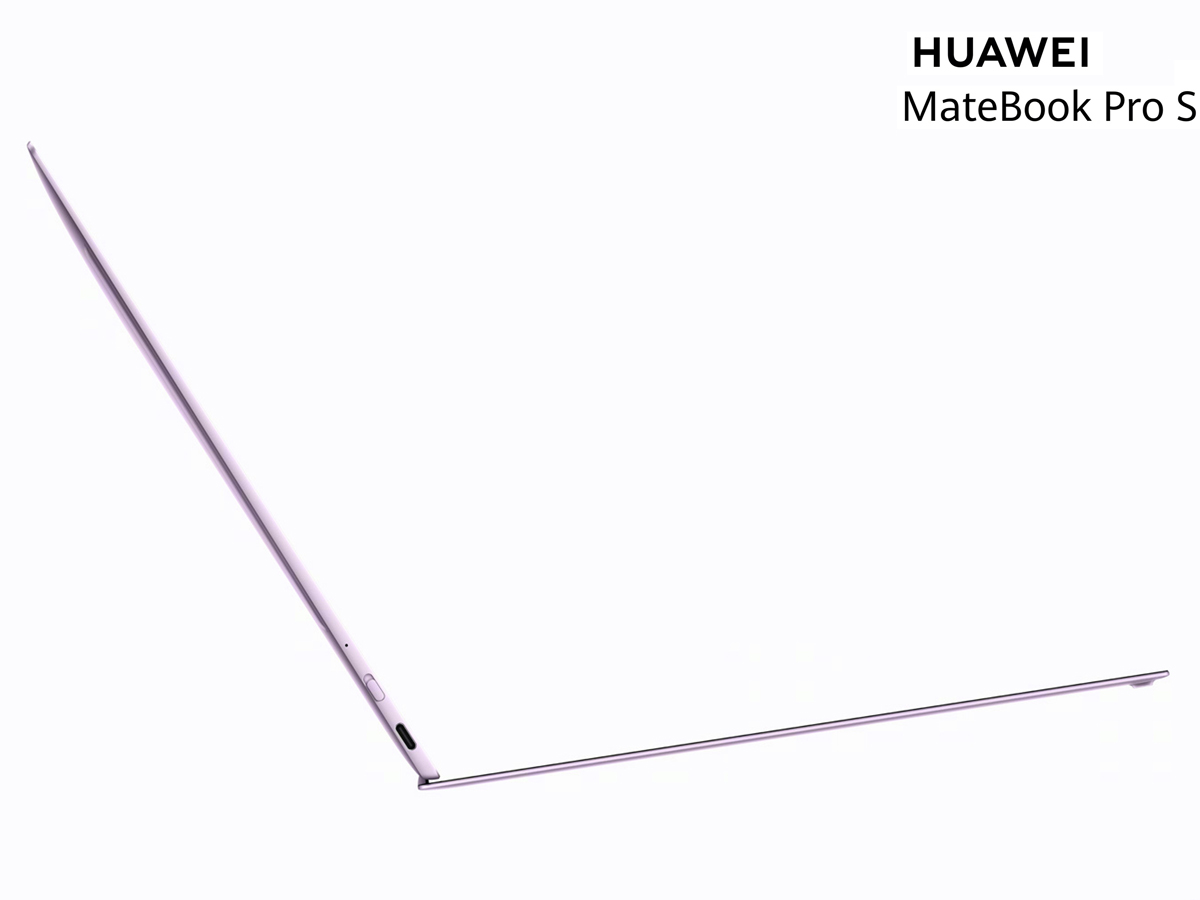
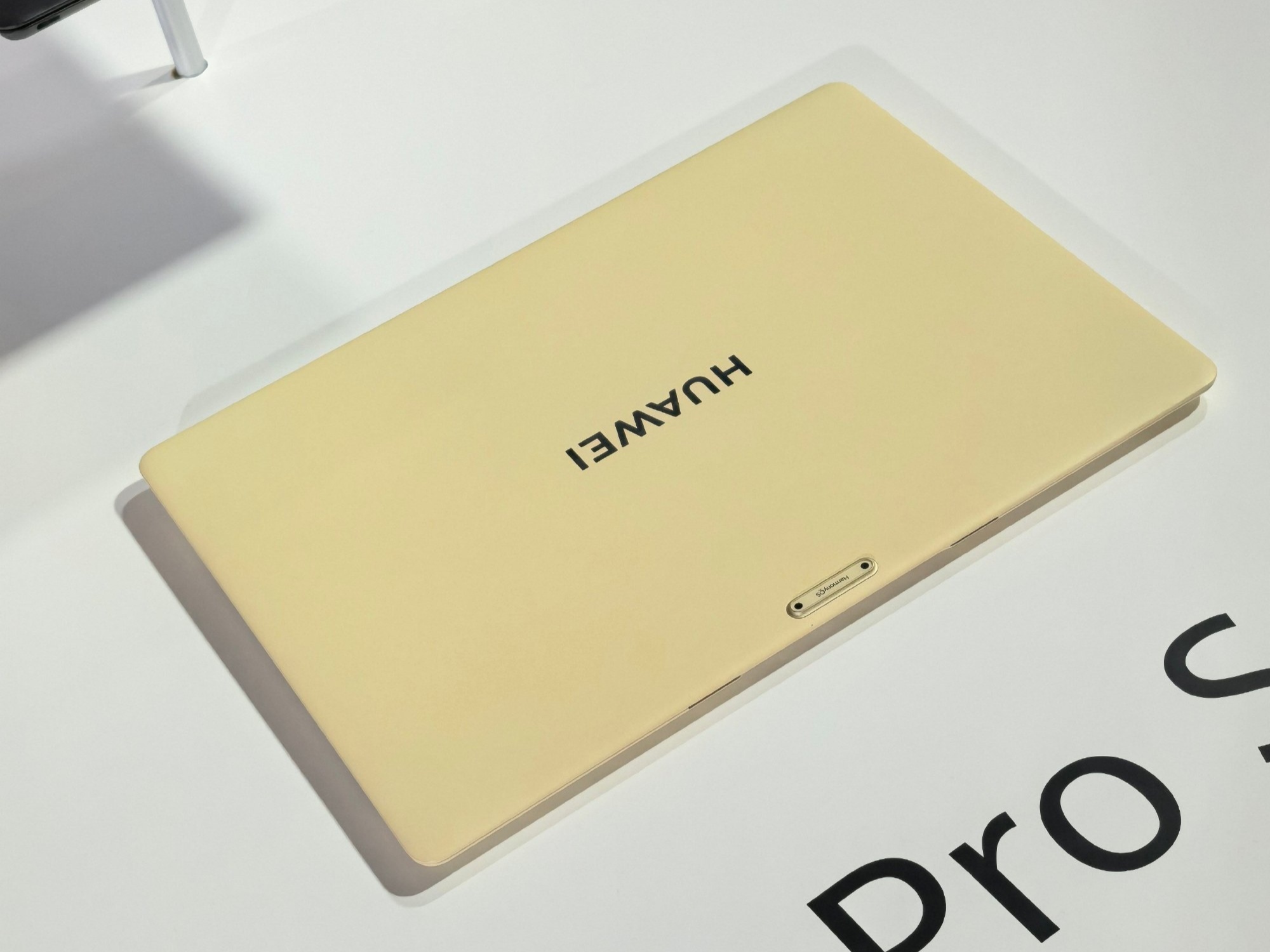
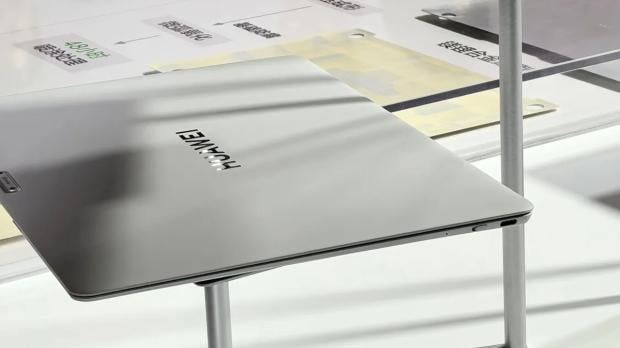
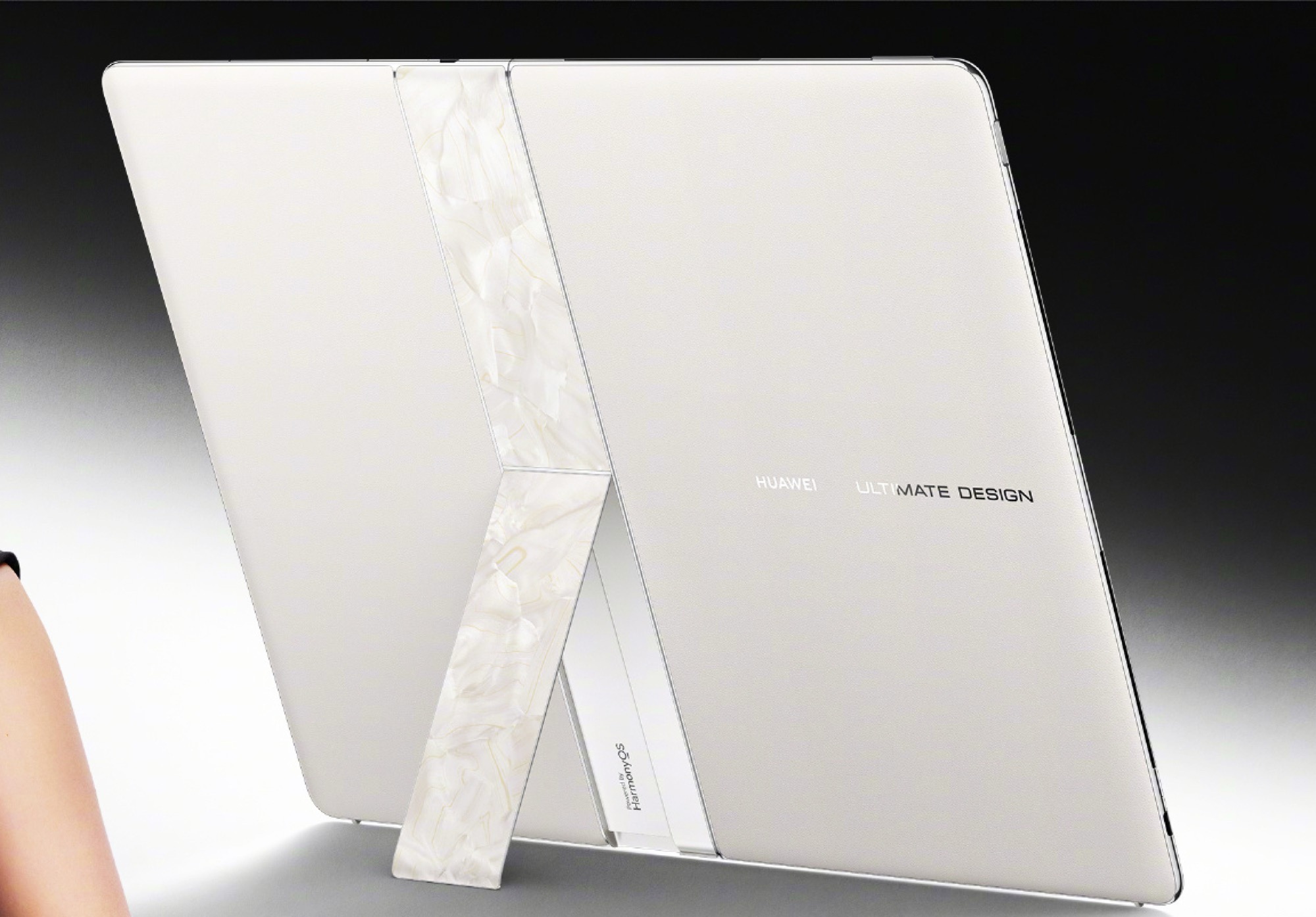
Huawei's August 5, 2025 launch of custom Kirin XE90 and X90 Plus PC processors represents a critical supply chain inflection point for cross-border e-commerce sellers targeting Chinese and Asia-Pacific markets. The XE90 (high-efficiency variant) and X90 Plus (high-performance flagship) will power MateBook Pro S and MateBook Fold Ultimate Design laptops respectively, marking Huawei's first public unveiling of desktop-class silicon despite ongoing international sanctions. The XE90 delivers 23% higher single-core performance, 25% improved efficiency, and 40% higher NPU throughput versus the original Kirin X90, with ray-tracing graphics support newly introduced to HarmonyOS PCs. Manufacturing uses SMIC N2 (7nm-class) for standard X90 and likely SMIC N3 for the X90 Plus, indicating Huawei's accelerating semiconductor independence strategy.
For e-commerce sellers, this processor launch creates three distinct market opportunities. First, Chinese PC market consolidation: Huawei's strengthening position in domestic laptops signals potential 15-25% cost reduction for sellers sourcing HarmonyOS-compatible devices, compared to Intel/AMD alternatives facing tariff pressures and supply constraints. Second, HarmonyOS ecosystem expansion: Huawei's unified foundation spanning tablets, commercial systems, and PCs creates demand for compatible peripherals, software, and accessories—categories where third-party sellers can capture 30-40% margin improvements through early positioning. Third, Asia-Pacific competitive displacement: While these processors won't immediately challenge Intel/AMD globally, successful production scaling could shift 15-20% of regional laptop market share within 2-3 years, favoring sellers with established China-based supply chains and HarmonyOS optimization expertise.
The strategic timing window is critical. Huawei's continued investment in desktop-class processor development (confirmed by Zhu Dongdong, president of Tablet and PC product line) indicates multi-year commitment. Sellers targeting Chinese consumers have 6-12 months to establish HarmonyOS-optimized product listings, negotiate supplier relationships with Huawei ecosystem partners, and build inventory before competitive saturation. The processor's advanced AI capabilities (NPU architecture inherited from Kirin 9030 generation) and ray-tracing support create differentiation opportunities in gaming, creative software, and AI-powered applications—categories where HarmonyOS devices can command 10-15% price premiums versus legacy systems. However, limited official specifications and lack of independent verification create execution risk; sellers should monitor production scaling and real-world performance benchmarks before committing significant inventory capital.
Questions 7
How should sellers position HarmonyOS laptops against Windows and macOS alternatives?
Position HarmonyOS devices on three differentiation axes: (1) **Price-to-performance**: XE90's 23% single-core improvement and 25% efficiency gains justify 10-15% price premiums versus comparable Windows laptops, targeting budget-conscious professionals in China/Southeast Asia. (2) **AI and graphics capabilities**: Ray-tracing support and NPU architecture (inherited from Kirin 9030 Pro) enable positioning in gaming, creative software, and AI applications—categories where HarmonyOS can command 15-20% premiums. (3) **Ecosystem lock-in**: Unified HarmonyOS foundation across tablets, phones, and PCs creates switching costs favoring existing Huawei users (estimated 400M+ devices globally). Sellers should emphasize seamless cross-device integration and native app optimization in marketing materials targeting Huawei ecosystem users.
What production and supply risks should sellers monitor for HarmonyOS devices?
Three critical risks require monitoring: (1) **SMIC capacity constraints**: N2/N3 manufacturing at SMIC faces 30-40% capacity disadvantage versus TSMC, potentially limiting HarmonyOS device production to 2-3M units quarterly through 2026. Sellers should establish pre-order agreements with distributors by Q3 2025 to secure inventory. (2) **Specification verification**: Huawei released no detailed official specifications at the briefing, limiting independent performance validation. Sellers should delay large inventory commitments until third-party benchmarks confirm claimed 23% single-core and 40% NPU improvements. (3) **Geopolitical escalation**: Ongoing US sanctions could restrict SMIC access to advanced equipment, potentially delaying N3 production or forcing reversion to N2 nodes. Sellers should maintain 20-30% inventory buffer and diversify sourcing across multiple HarmonyOS device models.