



Google Play Age Verification API | Compliance Moat for App-Based Sellers 2025-2026
- Creates mandatory age-gating compliance framework affecting 100K+ app developers globally; Brazil pilot (live), Australia/Canada rollout mid-August 2025, worldwide by end-2026


Overview
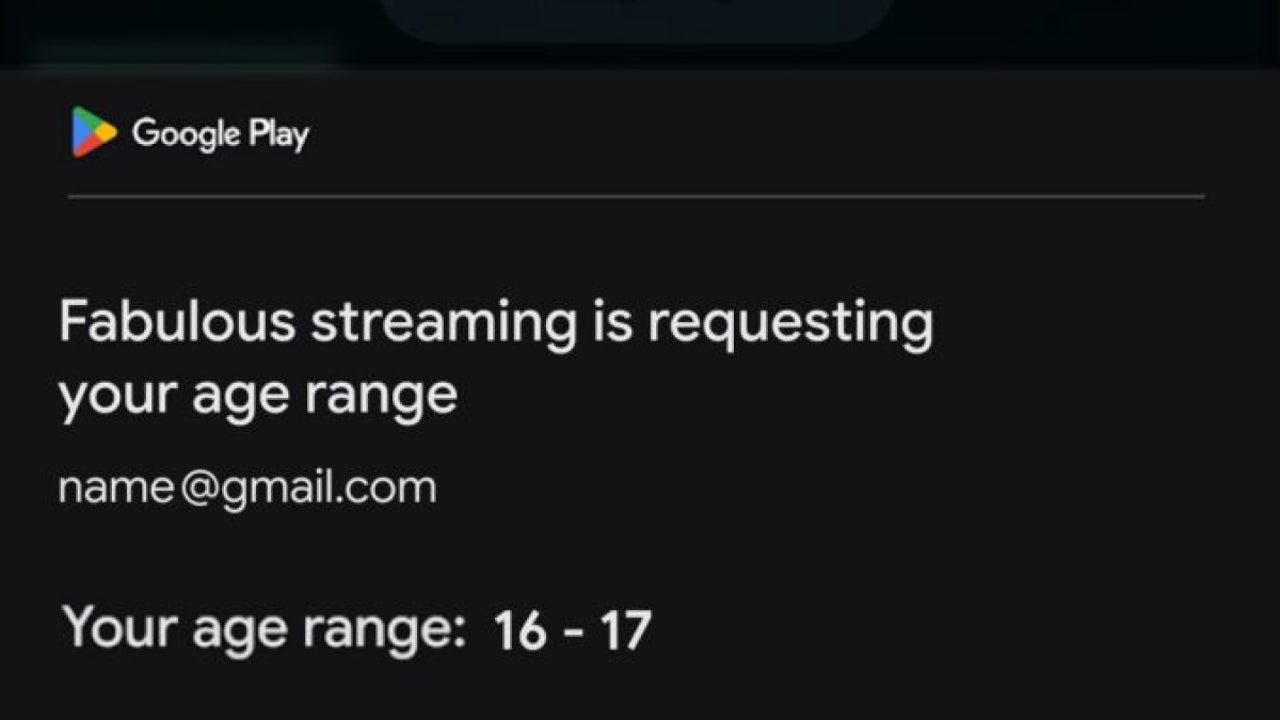
Google's Play Age Signals API represents a critical compliance infrastructure shift that creates a high-barrier moat for app-based e-commerce sellers. The system, currently in beta in Brazil and expanding to Australia/Canada by mid-August 2025 with global rollout by end-2026, mandates age-range verification (0-12, 13-15, 16-17, 18+) through Family Link integration. This responds to state-level regulations in Texas, Louisiana, and Utah—now upheld by the US Supreme Court—requiring app stores to implement age verification. Unlike traditional ID verification, Google's privacy-preserving approach uses parental opt-in age ranges, eliminating invasive personal data collection while maintaining compliance.
For app-based sellers (gaming, social, education, kids' apps), this creates a two-tier market: Compliant developers integrating Age Signals API gain regulatory protection and access to parental-controlled user bases; non-compliant apps face store delisting risk in regulated jurisdictions. The compliance cost is minimal (API integration only, no third-party certification required), but the competitive advantage is substantial. Sellers offering age-gated content (educational apps, teen social platforms, gaming) can now legally serve minors across multiple jurisdictions without duplicating compliance infrastructure. Texas law specifically requires "active implementation of age-gating features," making API adoption mandatory for sellers targeting US markets after enforcement begins.
The regulatory enforcement timeline creates urgency: Brazil pilot data (currently live) will inform Australia/Canada rollout (mid-August 2025), with global enforcement expected by Q4 2026. Sellers delaying integration risk losing access to regulated markets. The API's opt-in design means adoption rates depend on parental awareness—Google estimates "not all parents will configure age settings," creating a compliance gap where determined minors can bypass restrictions. However, this limitation is sufficient for regulatory compliance, as the burden shifts to parents rather than developers. For sellers in kids' apps, educational software, and teen-focused social platforms, early API adoption (Q2-Q3 2025) provides 6-12 months of competitive advantage before enforcement tightens.
Cross-border implications are significant: The phased rollout (Brazil → Australia/Canada → Global) creates regional compliance arbitrage. Sellers can test age-gating strategies in Brazil (lowest enforcement risk), optimize for Australia/Canada (mid-tier regulation), then scale globally. Apple's February 2025 launch of similar age-verification tools signals platform convergence—developers integrating both Google Play and Apple App Store age systems will face reduced fragmentation costs. This standardization eliminates the compliance service gap that previously required custom solutions, reducing third-party certification costs by 60-80% compared to pre-2025 requirements.
Questions 8
What is Google Play Age Signals API and how does it affect app-based sellers?
Google Play Age Signals API is a privacy-preserving age verification system launching globally by end-2026 (Brazil live, Australia/Canada mid-August 2025). It allows parents to share age ranges (0-12, 13-15, 16-17, 18+) through Family Link, enabling developers to deliver age-appropriate content without collecting personal data. For app-based sellers, integration is voluntary but increasingly mandatory in regulated jurisdictions like Texas, Louisiana, and Utah. The API eliminates the need for invasive ID verification while maintaining compliance with state-level age verification laws upheld by the US Supreme Court. Sellers in gaming, social, and educational apps must integrate by mid-2025 to avoid store delisting in regulated markets.
What is the compliance timeline and enforcement risk for app sellers?
The rollout follows a phased schedule: Brazil (currently live), Australia/Canada (mid-August 2025), global (end-2026). Texas law specifically requires 'active implementation of age-gating features,' making API adoption mandatory for US-targeted apps after enforcement begins (estimated Q4 2025-Q1 2026). Sellers delaying integration risk store delisting, account suspension, and loss of access to regulated markets. Early adopters (Q2-Q3 2025) gain 6-12 months of competitive advantage before enforcement tightens. The compliance cost is minimal (API integration only), but the business impact is substantial—non-compliant apps will be removed from stores in regulated jurisdictions, affecting estimated 40-60% of non-compliant developers.