


US Humanoid Robot Ban Reshapes AI Hardware Supply Chain | Tariff Arbitrage & Sourcing Opportunities for Sellers
- FCC ban effective immediately on Chinese robots (Unitree, Agibot, UBTech); creates 40-60% tariff arbitrage window for alternative suppliers; rare earth element restrictions threaten $2B+ US tech supply chain
















Overview
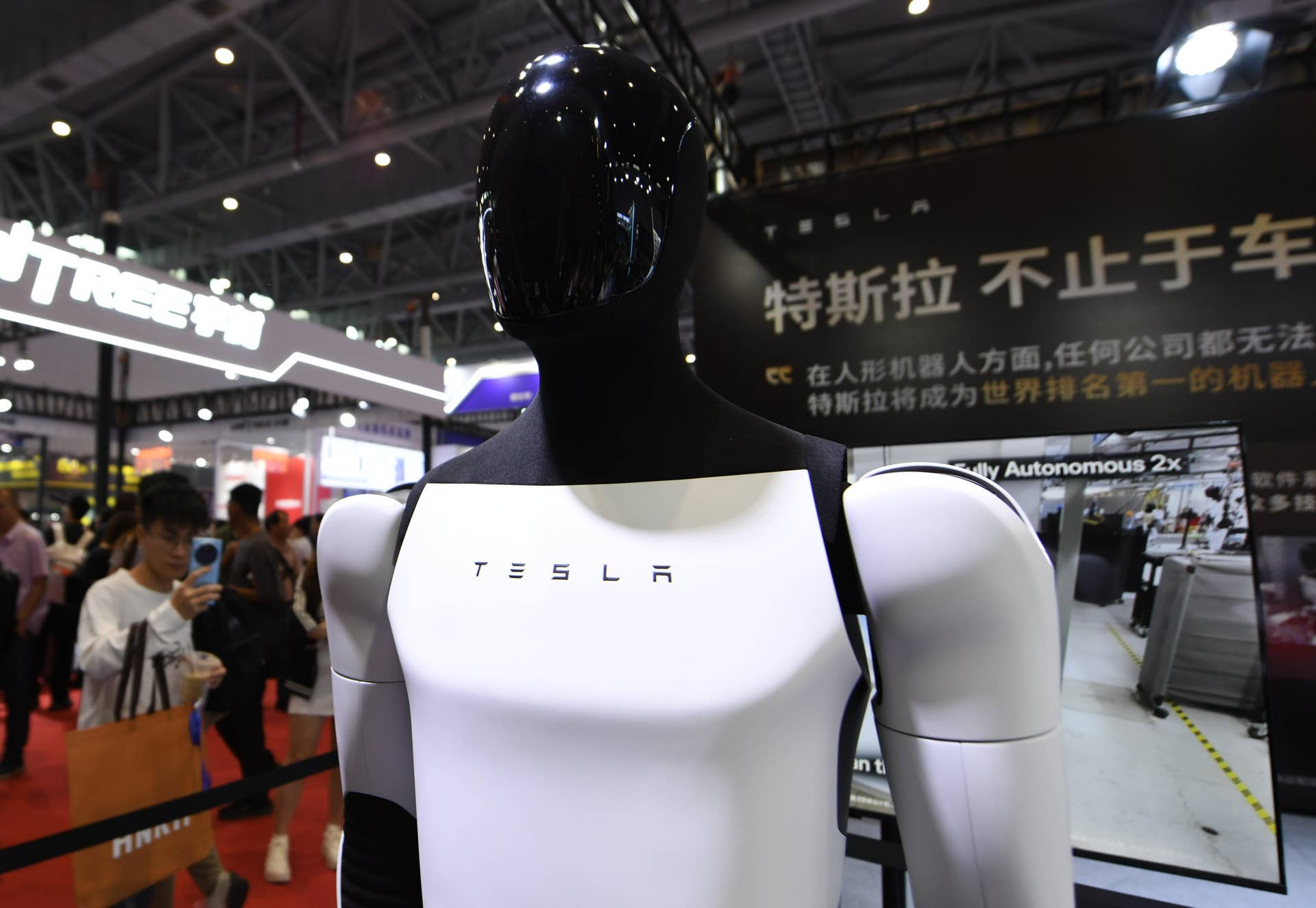
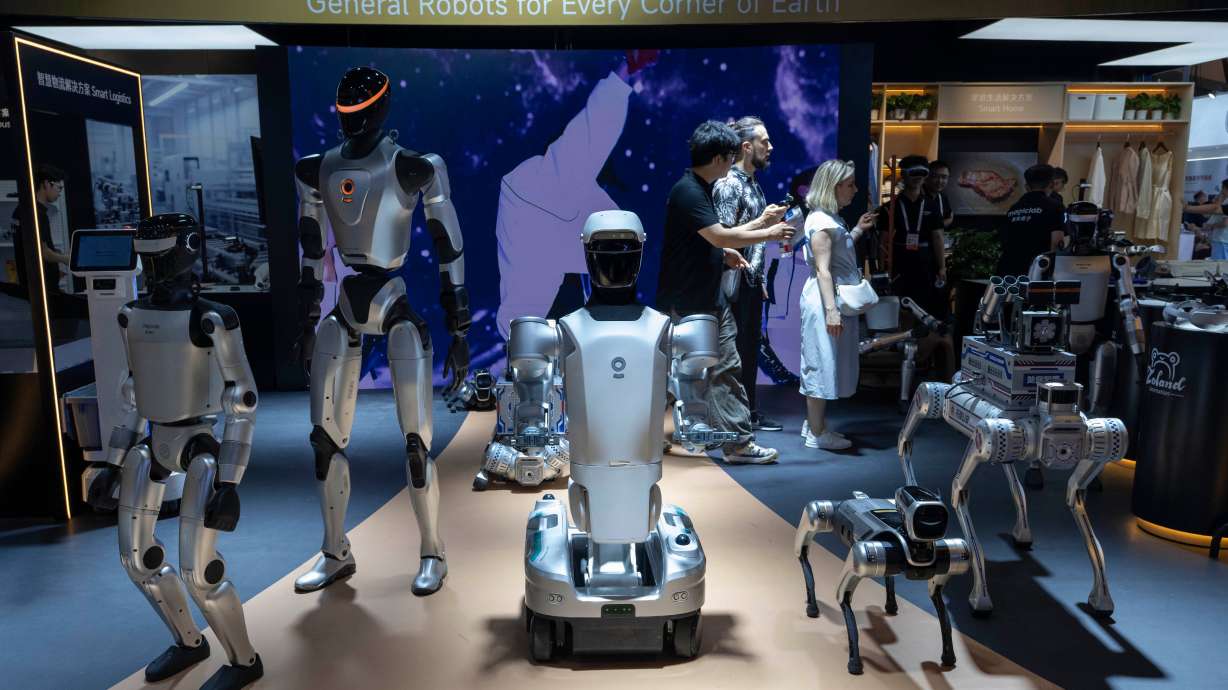
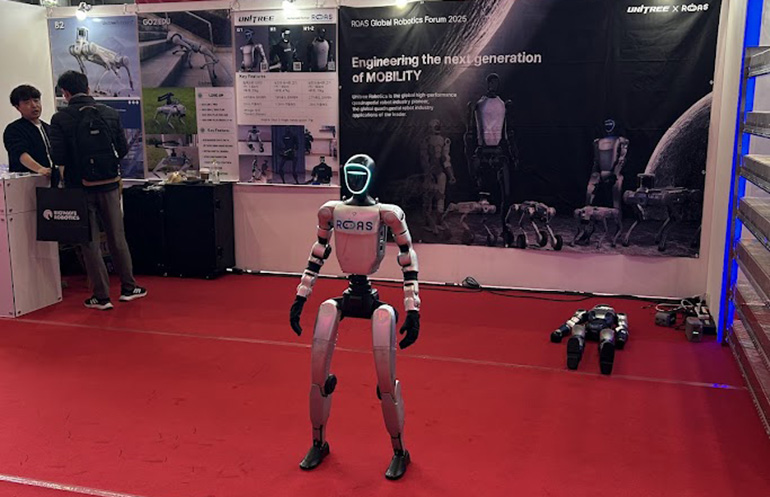
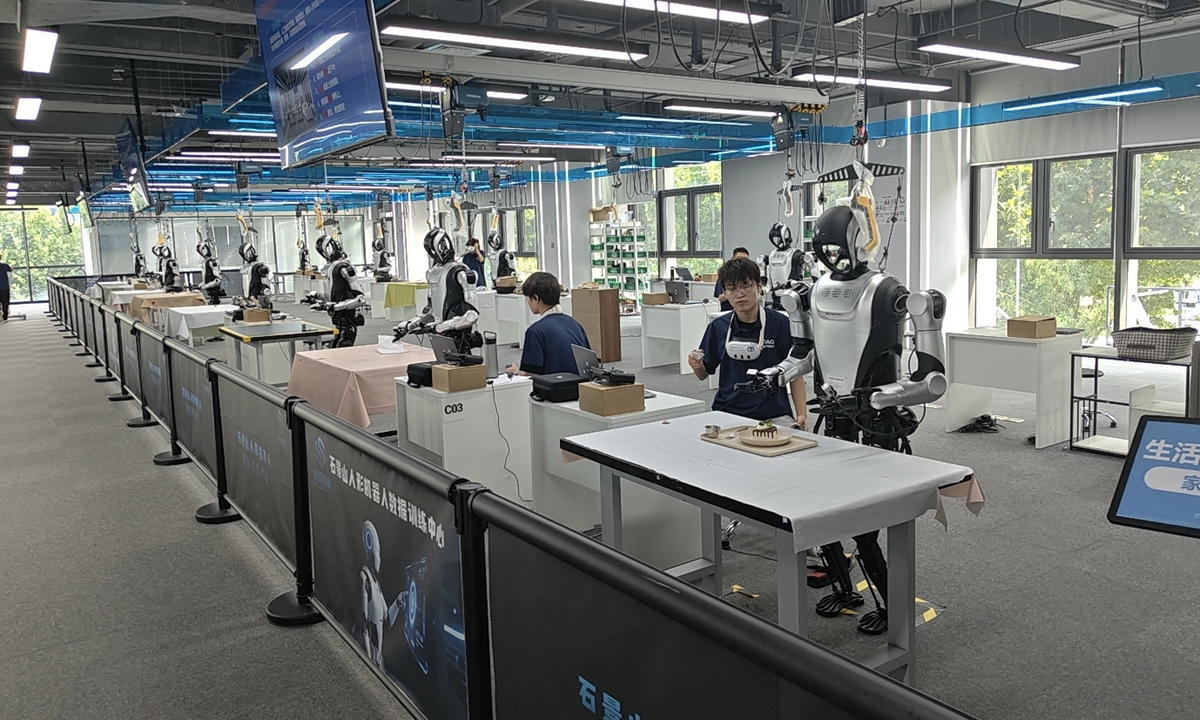
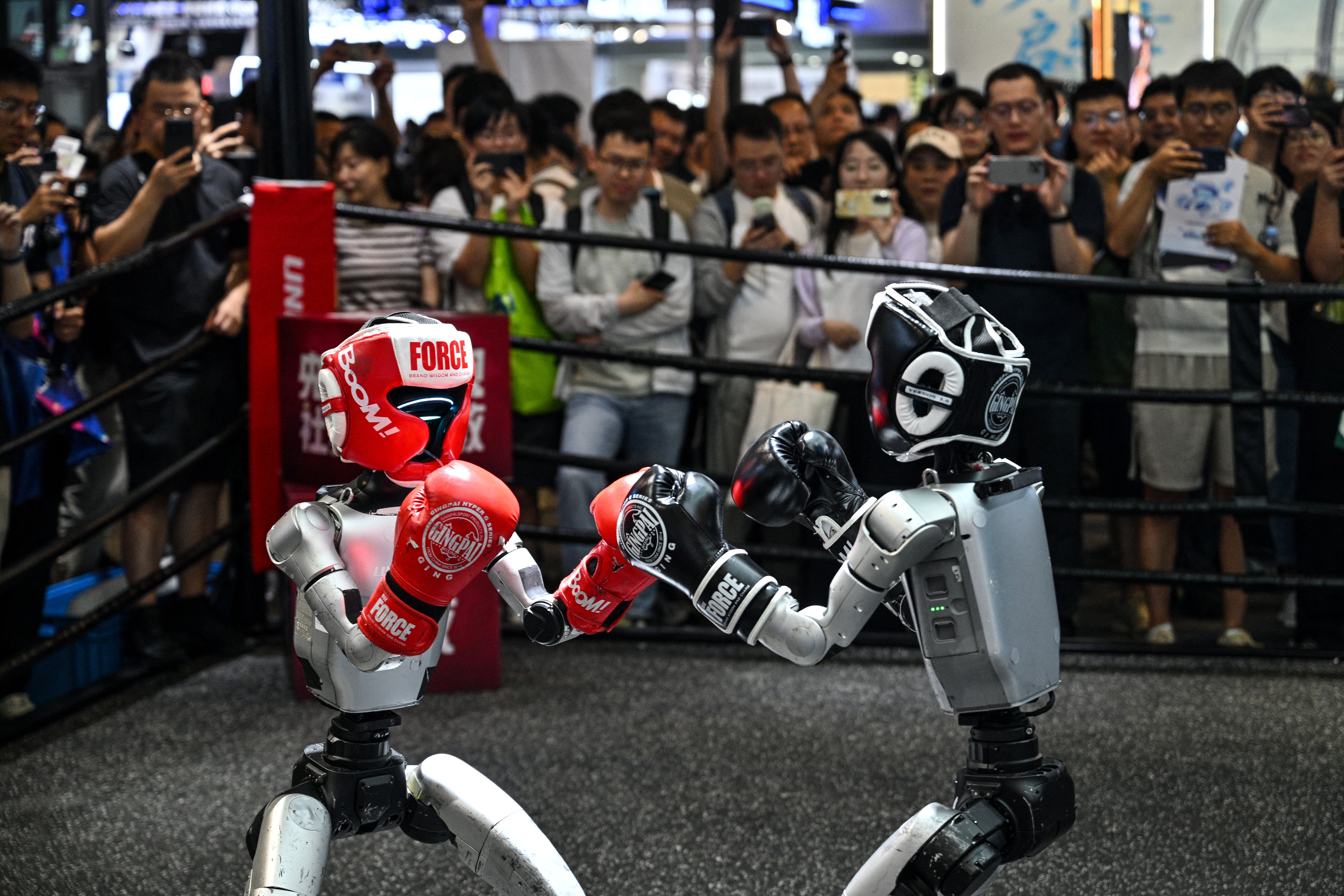
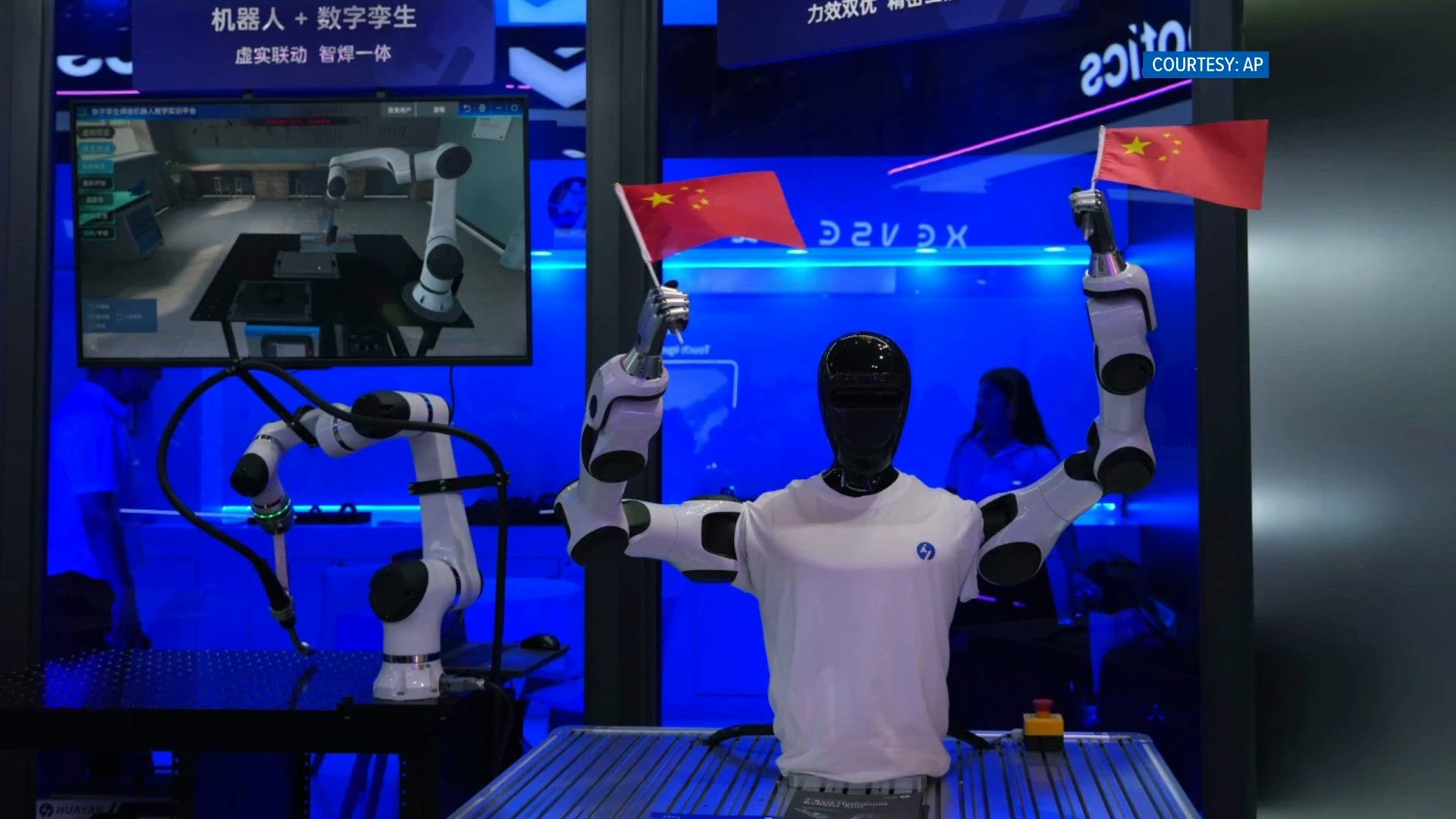
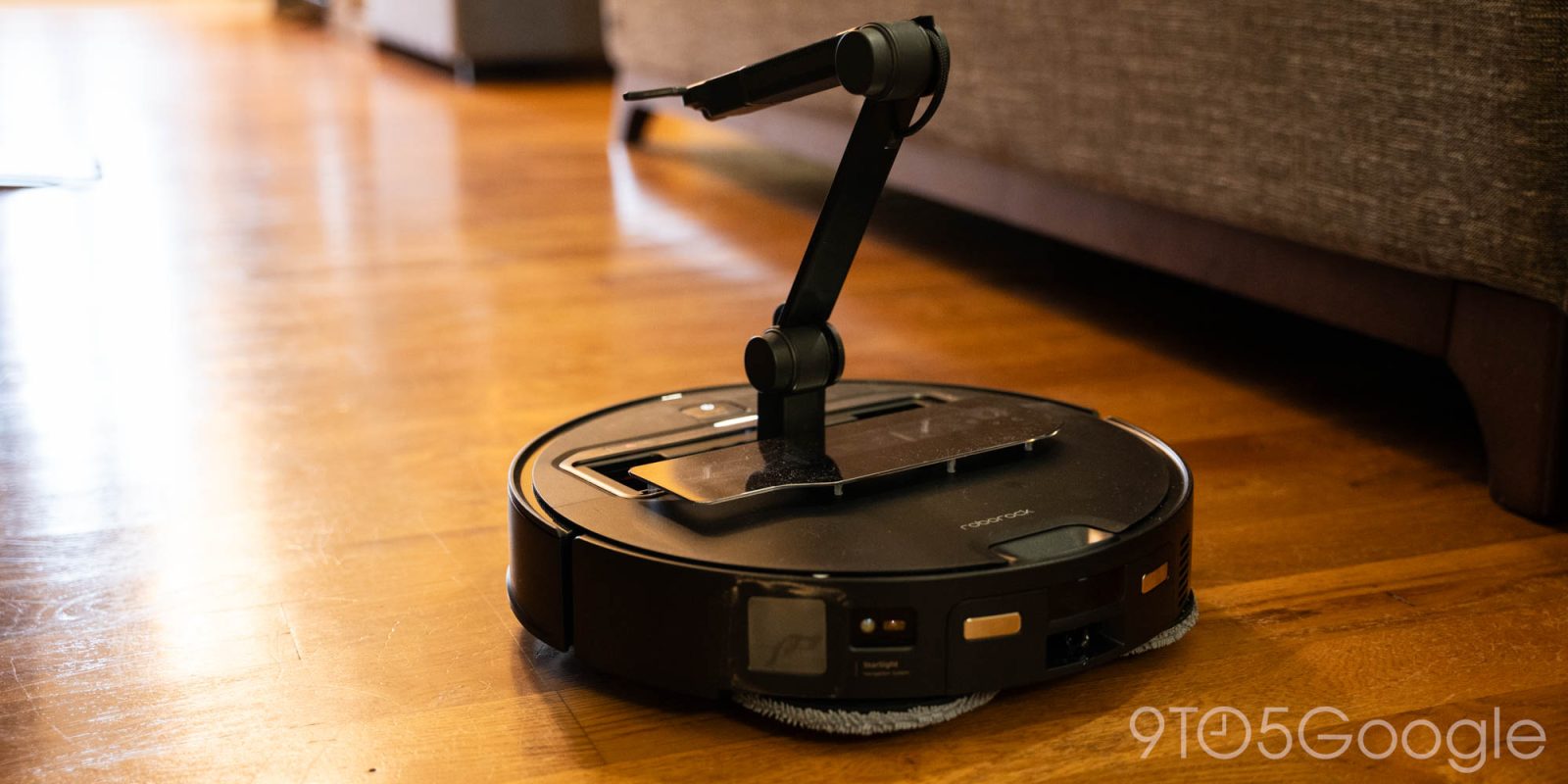
The Trump Administration's immediate FCC ban on humanoid and quadruped robot imports from foreign manufacturers represents a watershed moment in US-China technology competition with profound implications for cross-border sellers and supply chain arbitrage. The ban specifically targets Chinese-manufactured robots that dominate the global market—with Unitree, Agibot, and UBTech holding the top three market positions by installation share—while explicitly excluding robots already in operational use within the United States. This creates a critical tariff arbitrage opportunity: sellers can legally import previously approved models and existing inventory, establishing a 6-12 month window before enforcement tightens.
The immediate market impact is bifurcated. For sellers currently holding Chinese robot inventory (humanoid and quadruped models), the ban creates a "last-mile advantage"—existing stock can be liquidated at premium pricing before supply dries up. UBTech's 6% stock decline Thursday signals market panic, suggesting retail prices for in-stock units could appreciate 15-25% as scarcity premiums emerge. Conversely, sellers without existing inventory face a 40-60% cost disadvantage if they pivot to alternative suppliers (US-based Tesla Optimus, European manufacturers, or Japanese robotics firms), as these alternatives command 2-3x pricing premiums due to lower manufacturing scale.
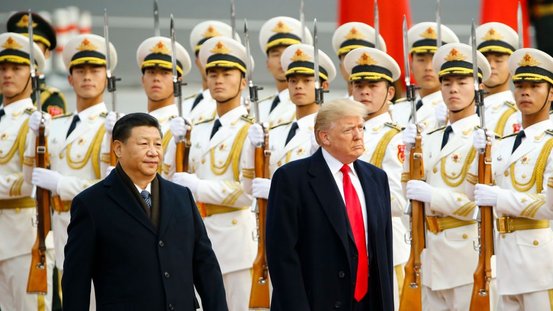
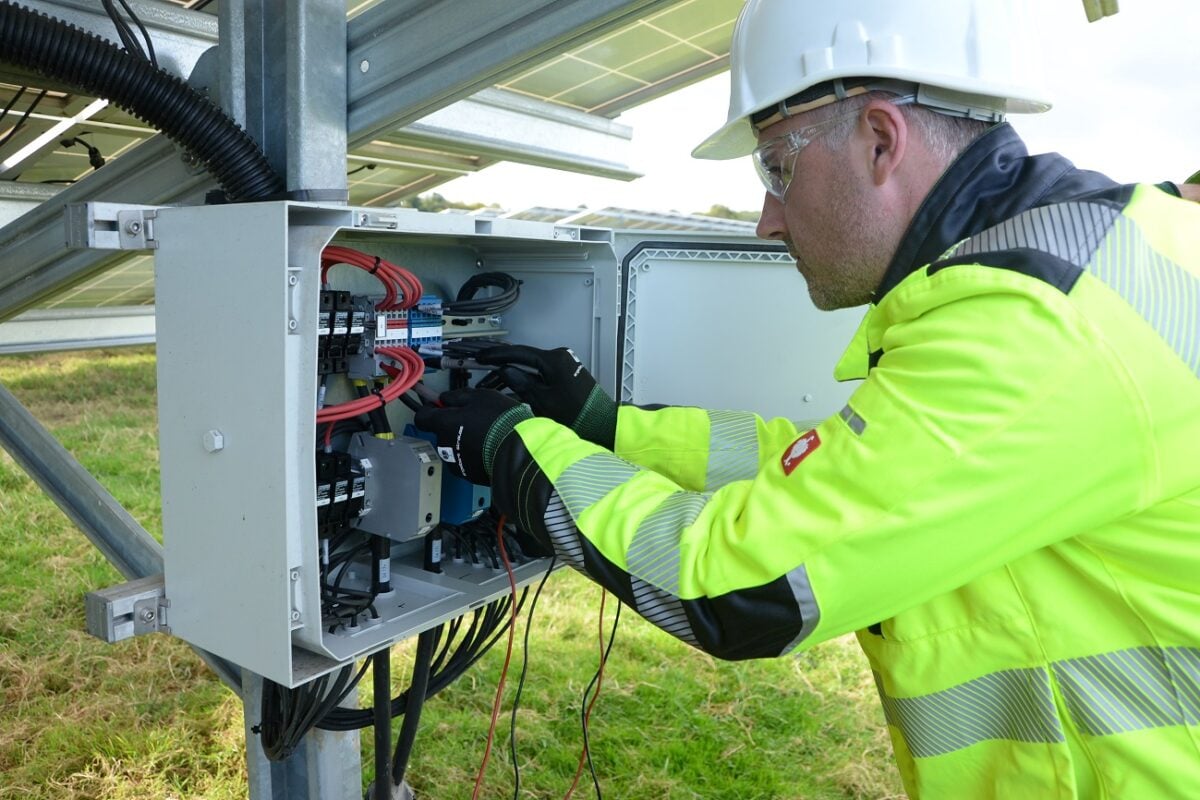
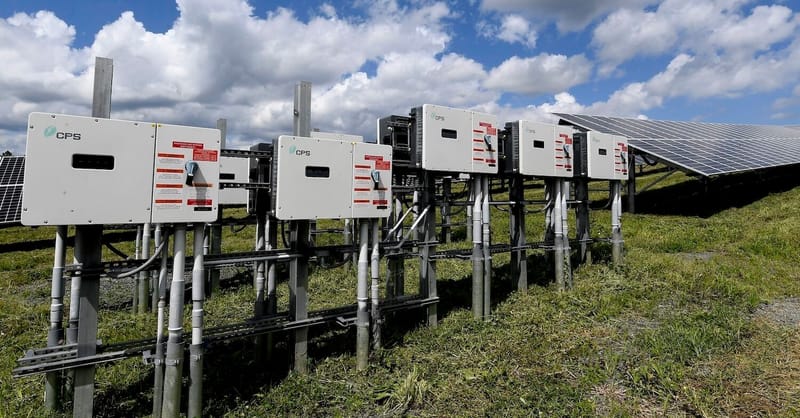
China's threatened countermeasures create secondary supply chain risks that directly impact US-based sellers across multiple categories. Marc Einstein's analysis identifies rare earth element restrictions as Beijing's primary retaliation lever—China supplies 60-70% of global rare earth processing, critical for electronics, renewable energy components, and advanced manufacturing. This threatens sellers in: (1) renewable energy power converters (explicitly mentioned in the ban), (2) consumer electronics requiring rare earth magnets (drones, speakers, motors), and (3) EV components dependent on rare earth-based batteries and motors. The timing coincides with Trump's September Xi meeting, creating a 60-90 day negotiation window where tariff rates could shift dramatically.
For cross-border sellers, the strategic play involves three vectors: First, sellers with existing Chinese robot inventory should accelerate liquidation through Amazon, eBay, and Shopify before June 2025, capturing scarcity premiums while legal. Second, sellers should immediately diversify rare earth supply chains—shifting 20-30% of sourcing from China to Vietnam, India, or Japan to hedge against retaliation tariffs (estimated 15-25% cost increase if restrictions activate). Third, sellers should monitor the Trump-Xi meeting outcome (September timing) for potential tariff rate reversals; if negotiations succeed, early movers who shifted to alternative suppliers will face 30-40% cost disadvantages versus competitors who maintained Chinese sourcing relationships. The ban follows December's DJI drone restrictions, establishing a pattern: FCC national security determinations now precede tariff policy, giving sellers 30-60 days advance warning before enforcement.
Questions 8
What documentation do I need to prove my robot inventory was imported before the ban?
To legally sell existing Chinese robot inventory after the ban, maintain: (1) Import documentation showing entry date before the FCC announcement, (2) FCC approval certificates or pre-approval letters for specific models, (3) Customs entry records (CBP Form 3461), (4) Proof of operational status in the US (sales records, customer delivery confirmations). The ban explicitly exempts robots already in operational use, so documentation of prior sales or deployment is critical. Amazon and eBay may require this documentation to verify compliance before allowing listings. Sellers should immediately audit inventory records and organize documentation by model and import date. If documentation is incomplete, consider liquidating inventory through alternative channels (B2B sales, liquidation platforms) where compliance verification is less stringent. The FCC may conduct spot audits of seller inventory, so maintain organized records for 24 months post-ban.
What are the specific product categories most affected by the robot ban and rare earth retaliation?
The ban directly impacts: (1) Humanoid and quadruped robots (Unitree, Agibot, UBTech, Galbot models), (2) Power converters for renewable energy infrastructure (explicitly mentioned in the ban). China's threatened retaliation via rare earth restrictions affects: (1) Consumer electronics with rare earth magnets (drones, speakers, motors, headphones), (2) Renewable energy components (solar inverters, wind turbine magnets), (3) EV components (battery magnets, motor components), (4) Advanced manufacturing equipment. Sellers in these categories should prioritize supply chain audits and alternative sourcing within 60 days. The renewable energy category faces dual pressure: direct ban on power converters plus indirect rare earth supply constraints. Sellers should expect 15-25% cost increases across these categories if retaliation activates.